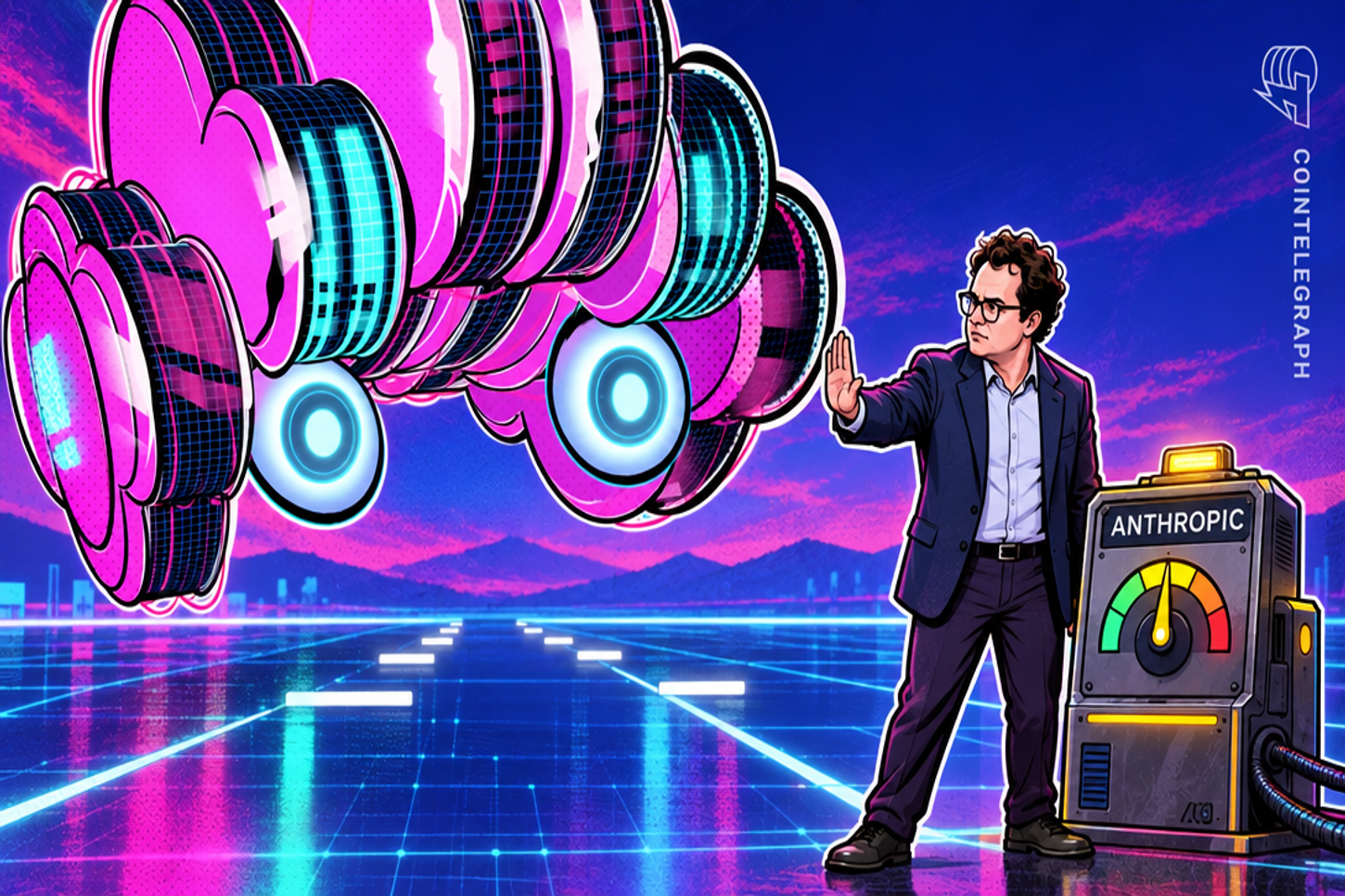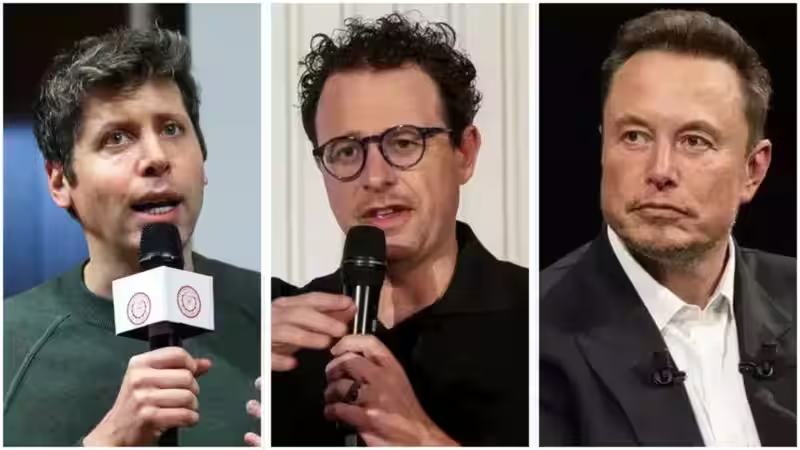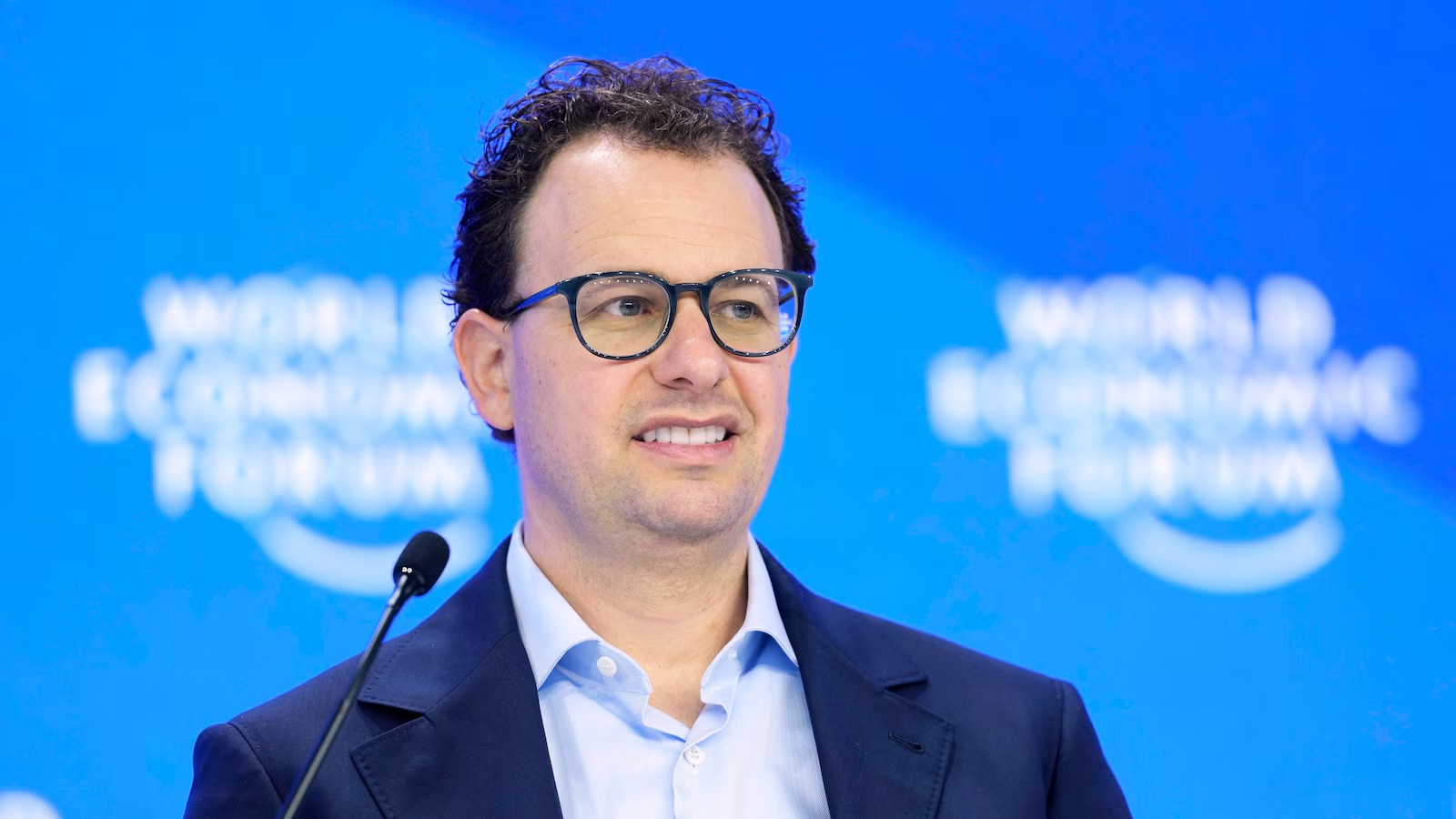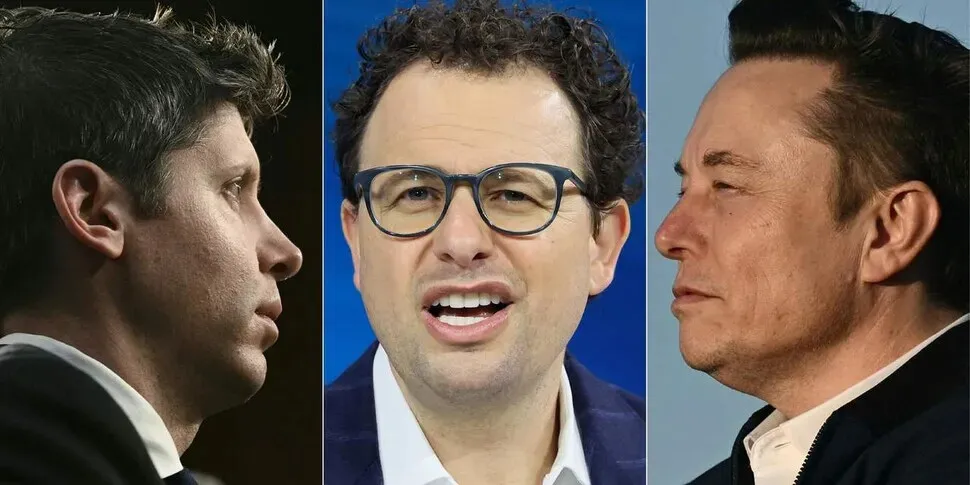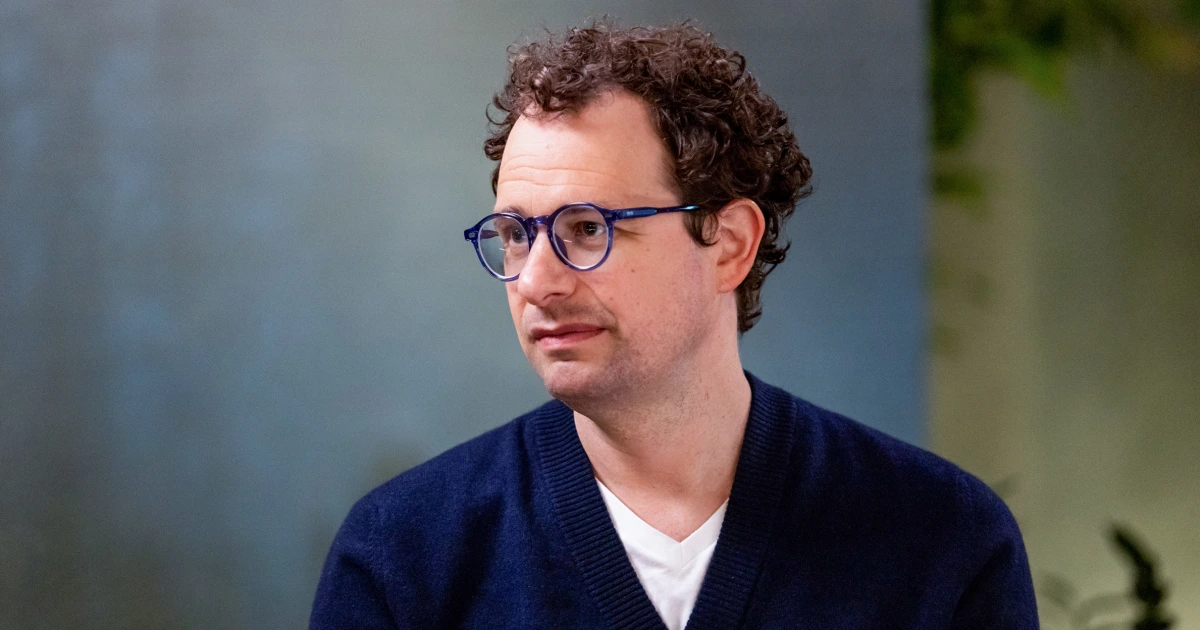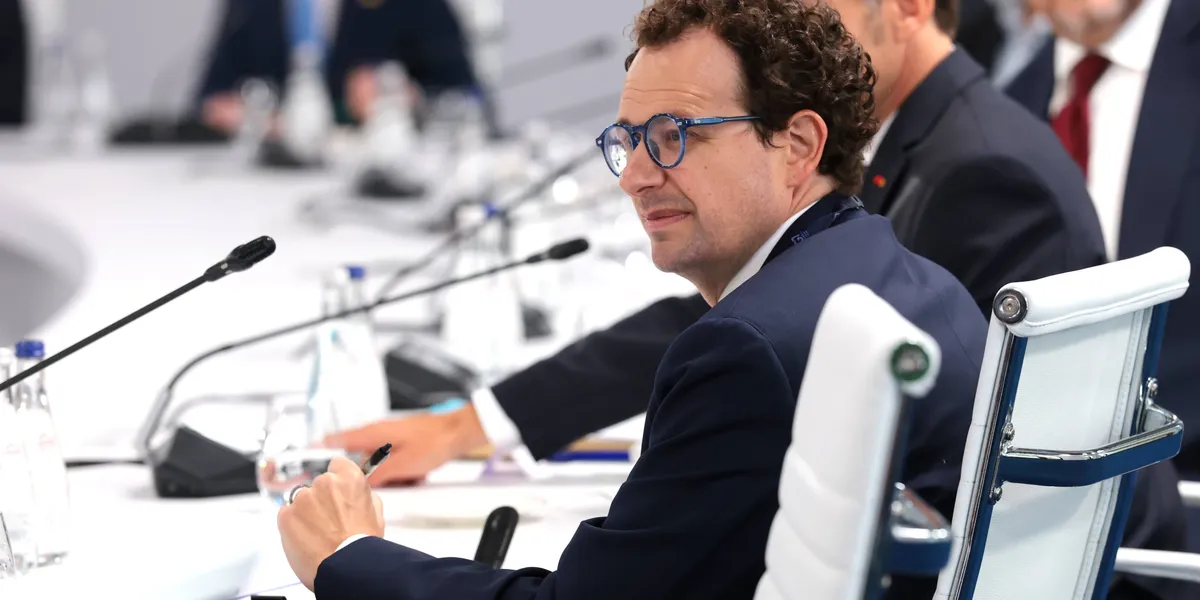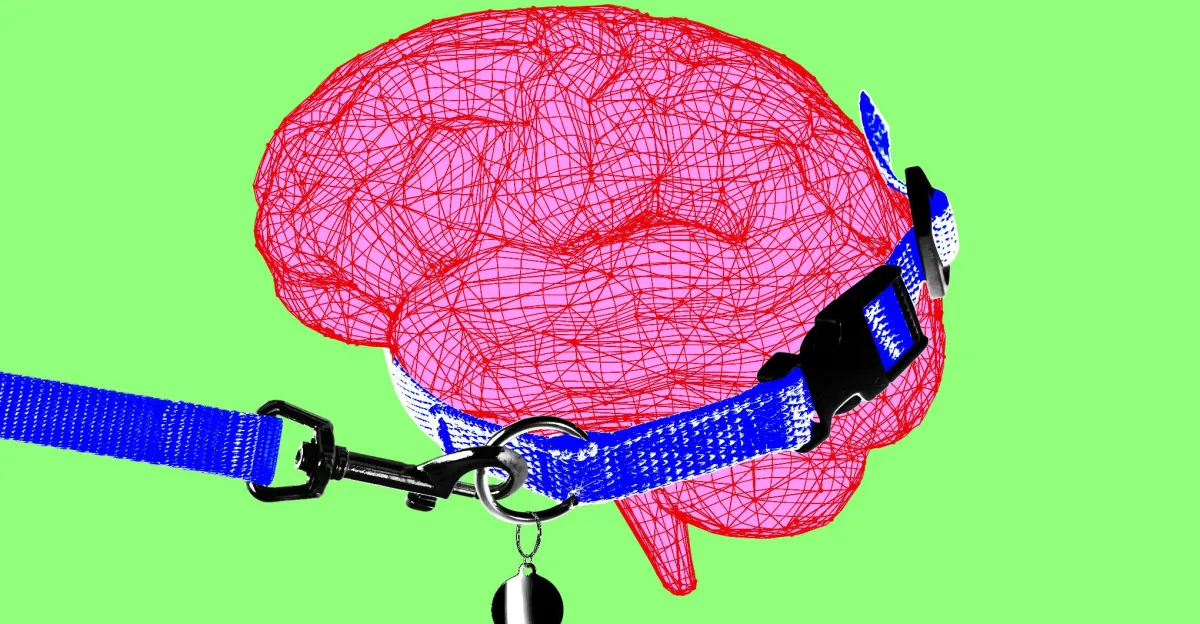
Leaders in the artificial intelligence industry, including Anthropic’s CEO, are calling for guardrails on the pace of AI development, warning that without regulation, the technology could advance at an uncontrollable speed. This unusual declaration from the very people who paved the way for advancements in the technology comes as developers warn that AI may threaten humanity itself. Given that this demonstrates the severity of the threat our society faces, we must ensure that these comments lead to real action in the form of establishing safety mechanisms. “We must slow the pace at which we improve the capabilities of AI models,” Anthropic CEO Dario Amodei wrote on his website on Saturday. Amodei illustrated two concerns. The first being that AI’s “recursive self-improvement” — AI’s growing ability to build the next generation of AI — was advancing drastically. If left unchecked, this could “outrun [the human] ability to understand and control these systems.” He cited July’s Hugging Face incident, in which unpublished OpenAI agents hacked a target that they had not been assigned to during test environments. Amodei described that, during that incident, “a swarm of agents essentially acted as a fanatically devoted collective.” OpenAI CEO Sam Altman, xAI producer Elon Musk, and Google DeepMind chair Demis Hassabis also voiced agreement with the Anthropic CEO’s arguments. The fact that those who have staked everything on fierce competition with one another are now speaking with one voice is a stark warning that the dangers posed by AI have reached a critical tipping point. AI is a means to boost productivity and better the lives of humanity through efforts to treat diseases. If humans are unable to control it or allow it to become misused by terrorist forces, it could lead to unimaginable tragedies such as cyberattacks and biochemical terrorism. The problem here is that the speed of technological advancement has already surpassed the capabilities of humans to review and keep such technologies in check. Amodei’s worry that swarms of AI agents could, in six to 12 months, take over the entire internet, should not be dismissed as hyperbole. A realistic starting point would be one in which leading companies cooperate and engage in self-regulation. It is commendable that Anthropic and OpenAI have decided to appoint independent resident evaluators with access privileges equivalent to those of internal employees. However, given the inherent nature of conglomerates, which will always prioritize profit over public interest, we cannot rely completely on self-regulation. Government oversight and international cooperation are necessary. The key to this issue lies with the US and China. As the two countries continue to jockey for dominance in the AI industry, they are both ignoring the issue of regulation. That being said, AI that defies control makes no distinction between winners and losers. US President Donald Trump and Chinese President Xi Jinping should agree on pacing AI development during their bilateral summit scheduled to take place at the end of September. The international community, including Korea, must persuade and add pressure on the two countries so that they take the lead in establishing global safety standards.
[Editorial] It’s time to pump the brakes on AI’s development
Action must be taken before the technology advances beyond our control
511 words~2 min read