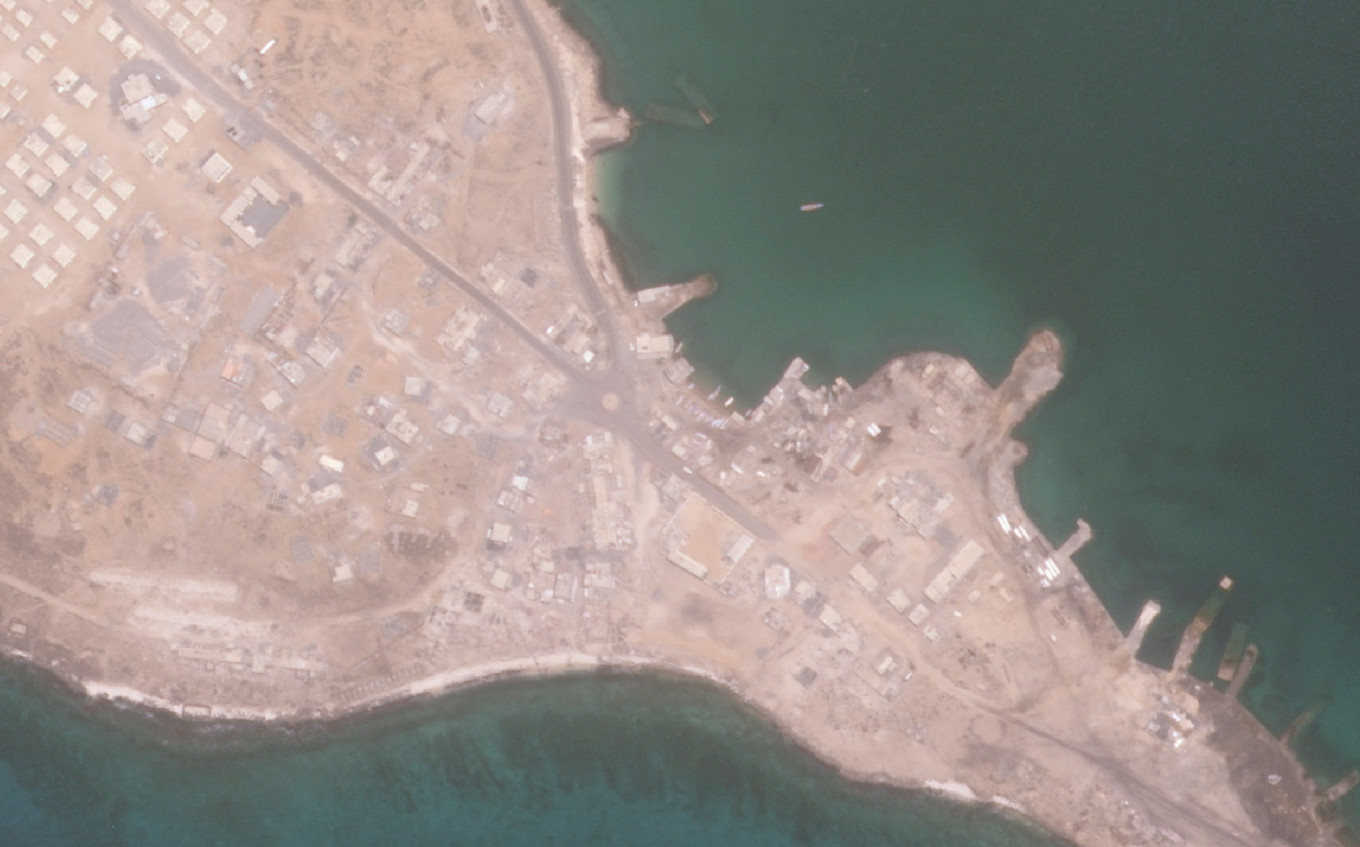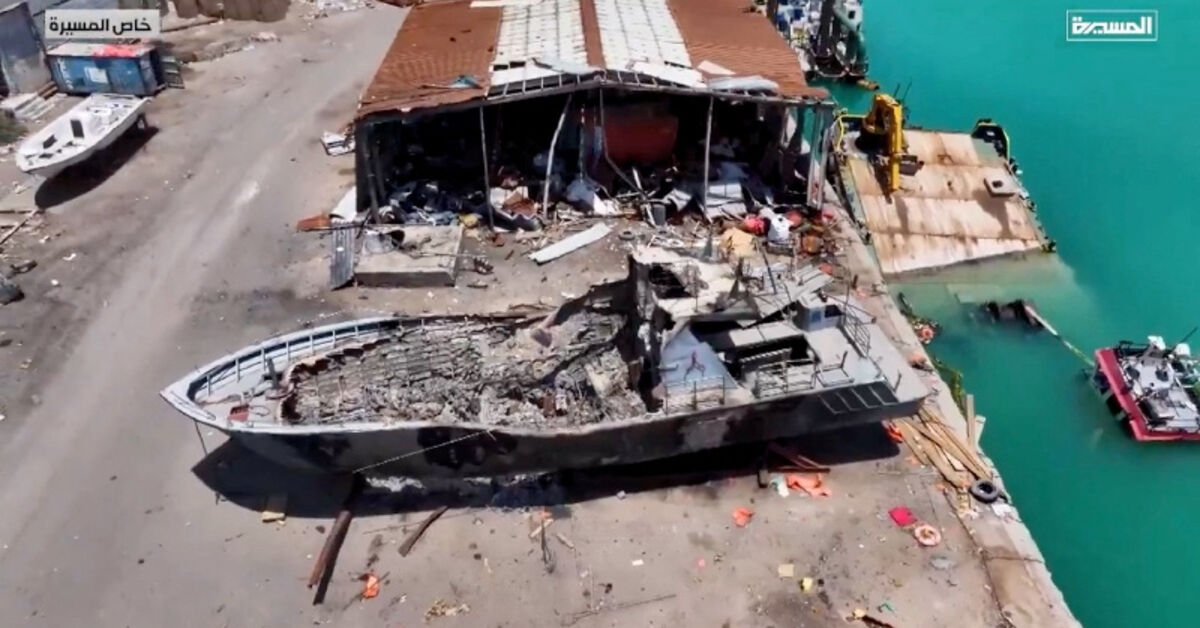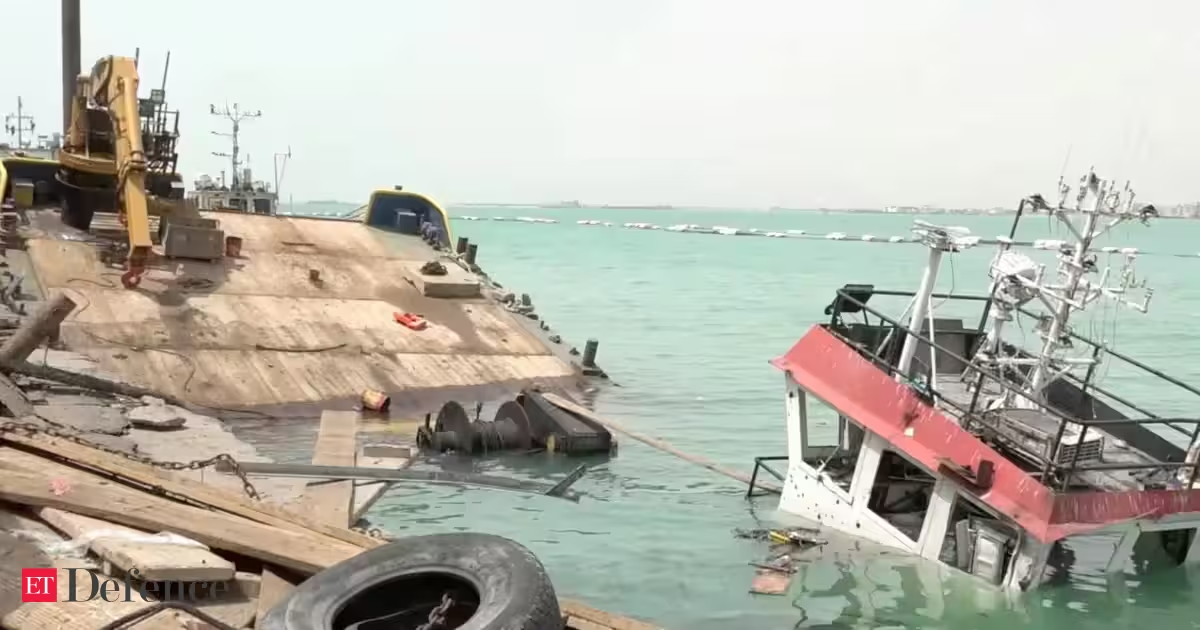
Houthi forces have consolidated control over key stretches of the Red Sea coastline, presenting a strategic challenge for Gulf states. This new development complicates regional dynamics, as Gulf states must decide how to respond to this increased Houthi influence, which is intertwined with Iranian support. The Houthi movement’s control over this critical maritime region threatens to disrupt global shipping routes and has already led to heightened tensions regarding the Bab al-Mandab Strait, a vital shipping chokepoint. This situation places significant pressure on Gulf states, potentially forcing them to engage more directly with Iran in a bid to stabilize the region.
The strategic implications of the Houthis’ control appear to be influencing expectations regarding the imposition of fees in the Strait of Hormuz. The current pricing suggests a decreased likelihood of the U.S. charging Hormuz fees by the end of the year. With Gulf states potentially seeking to mitigate economic pressures by engaging with Iran, the focus may shift away from U.S.-imposed fees, thereby affecting market sentiment.
Key Takeaways
Houthi control of the Red Sea coast suggests increased pressure on Gulf states to engage with Iran.