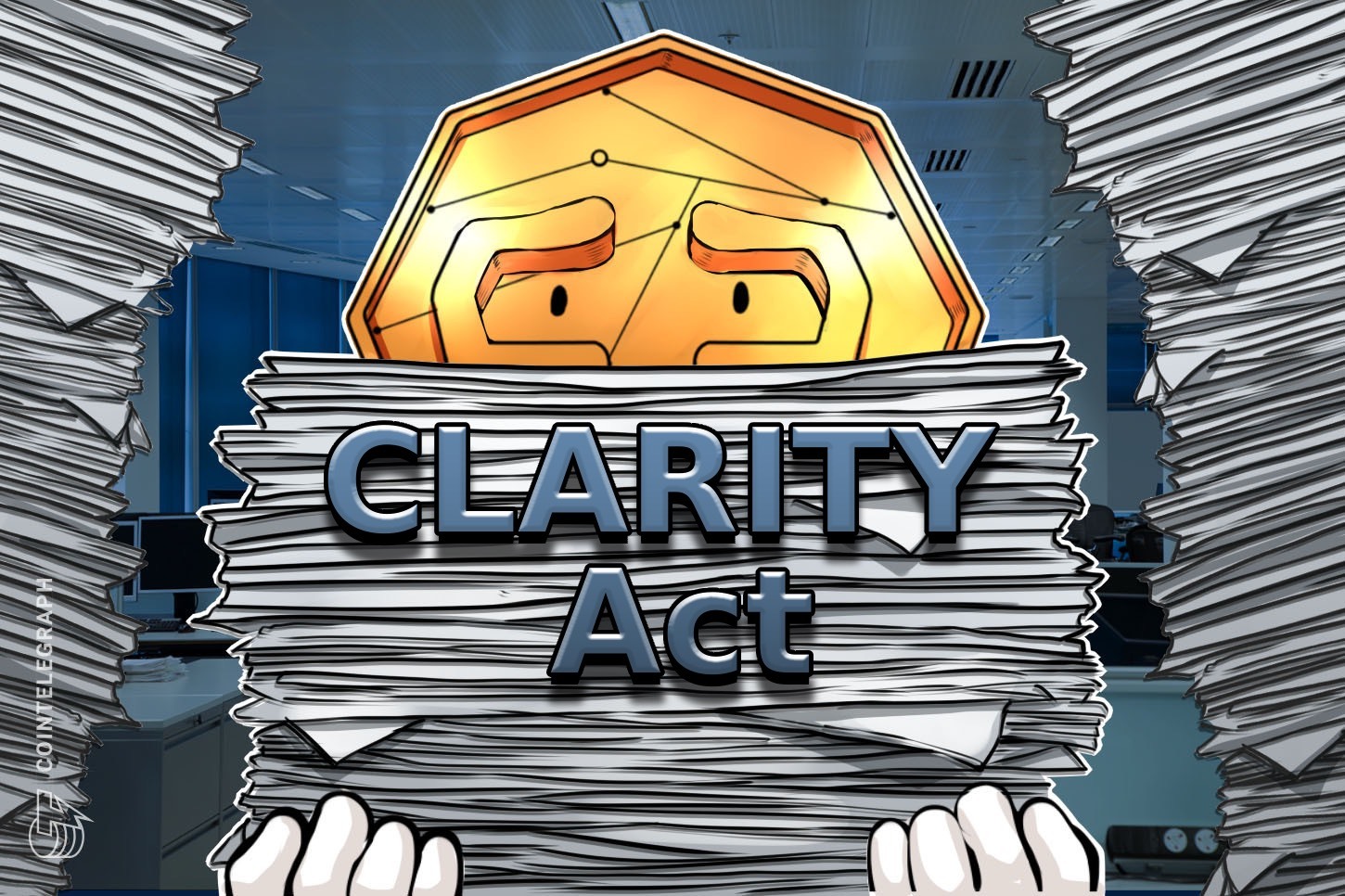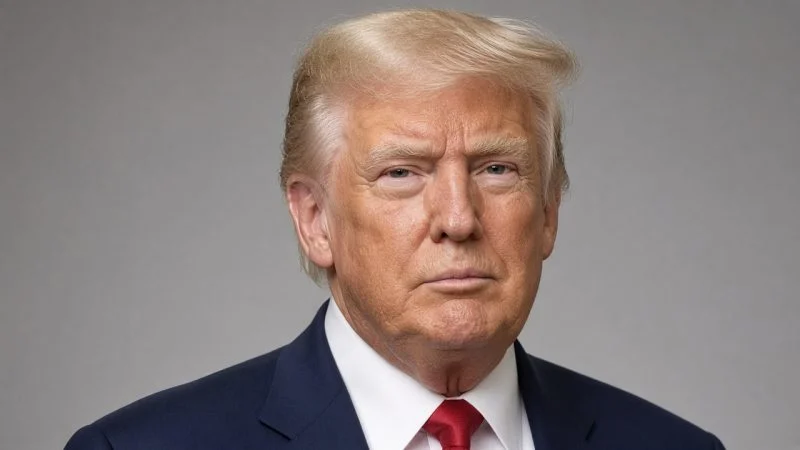
President Donald Trump has agreed to ethics language in the Digital Asset Market Clarity Act that would allow state attorneys general to sue over violations of the bill’s provisions governing federal officials and digital assets. The concession removes one of the final hurdles standing between the crypto industry and its most comprehensive regulatory framework to date.
The provision is notable because it subjects Trump himself to enforcement action from state-level prosecutors, not just the Department of Justice. Earlier drafts of the legislation had concentrated enforcement power exclusively with the DOJ, raising concerns among Senate Democrats that a sitting president’s own appointees would be tasked with policing his crypto-related activities.
Why Trump’s crypto income made this provision inevitable
The ethics language became a flashpoint after Trump’s financial disclosures revealed income between $1.4 billion and $2.2 billion linked to cryptocurrency ventures. Those ventures include the TRUMP memecoin and World Liberty Financial, a DeFi project tied to the Trump family.
Negotiations over the ethics provisions intensified following the July 2026 disclosure. Senate Democrats, who had been pushing for stronger guardrails around political figures’ involvement in digital assets, seized on the numbers as evidence that self-policing wouldn’t cut it.