Manish Seth, Co-founder and CEO, Vimag Labs
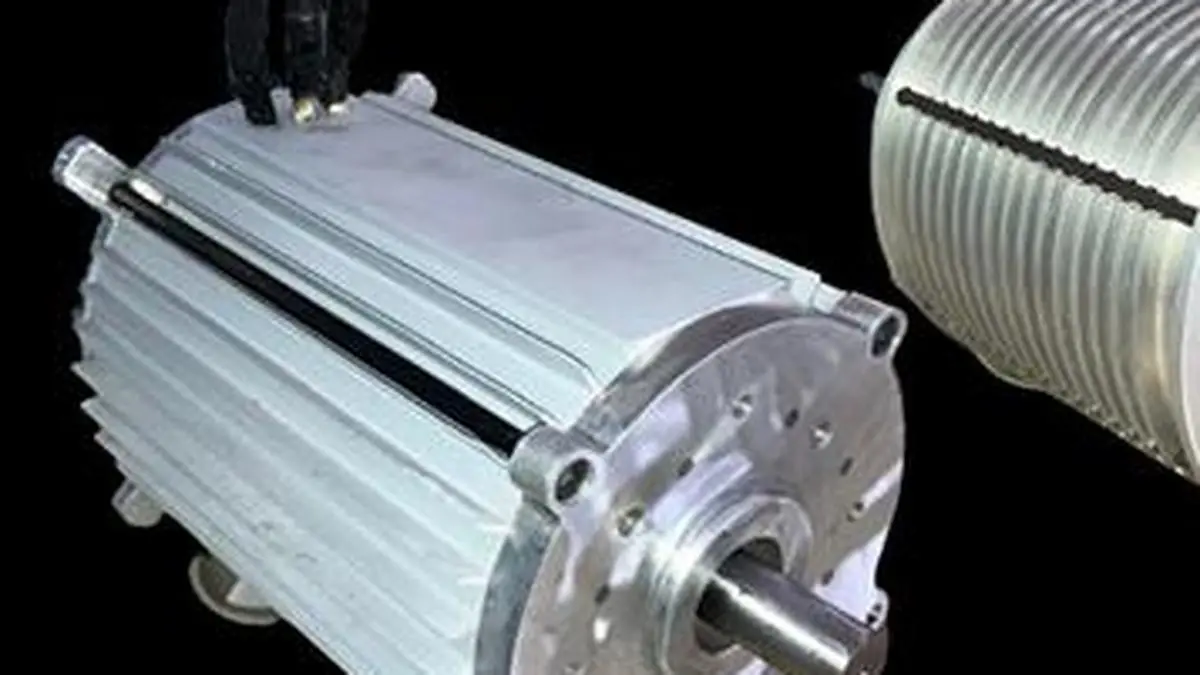
For the electric vehicle industry, the motor is a familiar piece of engineering. But one component inside it increasingly figures in the supply-chain conversation: the permanent magnet.Vimag Labs is trying to remove it altogether.The Bengaluru-based deep-tech startup has developed a motor without permanent magnets — whether rare earth or ferrite. Instead it creates an electromagnet wirelessly inside the motor, using copper coils and current. The company calls it a “virtual magnet”.The idea was sparked by a supply chain crisis. Vimag had begun working on the underlying technology in late 2020, initially focusing on permanent magnet motors. During the Covid-19 pandemic, however, supply chain disruptions meant that magnets were stuck in transit for five to six months. This prompted the team to look for alternatives. Rather than accept the performance compromises in existing approaches, the company delved into the underlying physics of the motor.The result is a motor architecture that Vimag believes can compete with the permanent magnet synchronous motor (PMSM) widely used in electric vehicles.Manish Seth, co-founder and CEO of Vimag Labs, says that internal tests show that the company’s motors are comparable to PMSM and, in some applications, perform better. Efficiency and range are at least comparable, the company says, while there’s an advantage in peak torque and power density.At the same time, Vimag does not want the technology to cost more than the PMSM. That proposition is now moving from the lab to customers.Vimag has received orders and is working with customers through the validation and production development stages. It is also testing with large European companies and is having prototype discussions with a large US industrial company.Commercial uses“We already have orders and are working on them to complete the validation, develop production and all of that,” Seth says.The first commercial applications are likely in electric two- and three-wheelers, where validation cycles are generally shorter, before the technology moves to commercial vehicles and passenger cars. Vimag is also evaluating industrial systems, drones and robotics for applications.The company is currently setting up its manufacturing facility. It plans to keep the core electronics, motor-electronics integration, software and firmware segments in-house, while sourcing components such as shafts, bodies and laminations from outside. Its immediate priority is to complete the durability and regulatory validation, establish assembly lines and deliver its first units over the next 12 months.But removing magnets may not eliminate every supply chain vulnerability. Seth sees another choke point emerging in the electronics that control the motor. “The control chips, which are made by foreign companies only... That’s the next choke point, probably,” he says.Vimag, therefore, is betting beyond replacing one component. It is exploring whether a technology developed in response to one supply chain shock can offer manufacturers a way to reduce dependence on another.Published on September 14, 2026