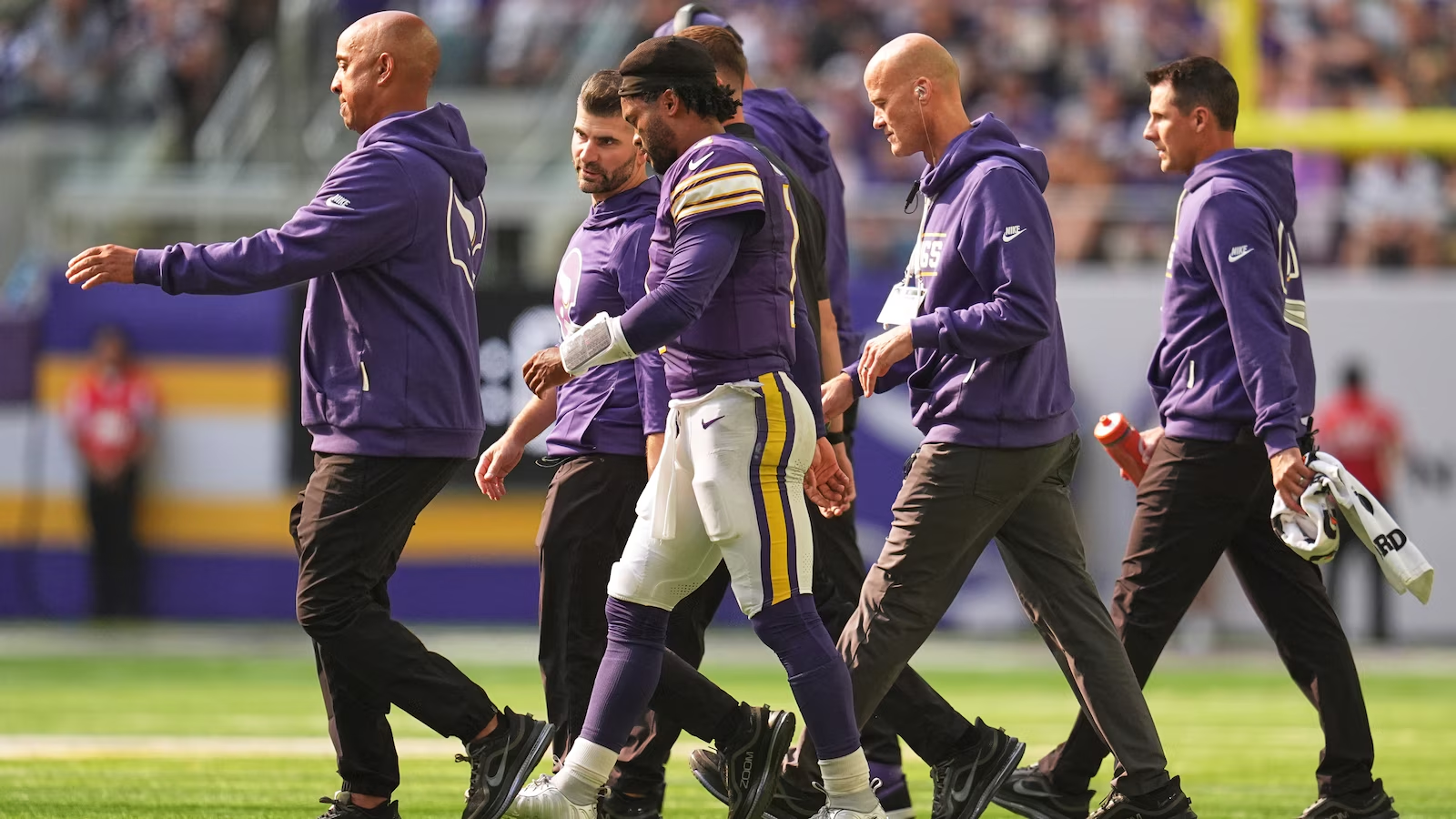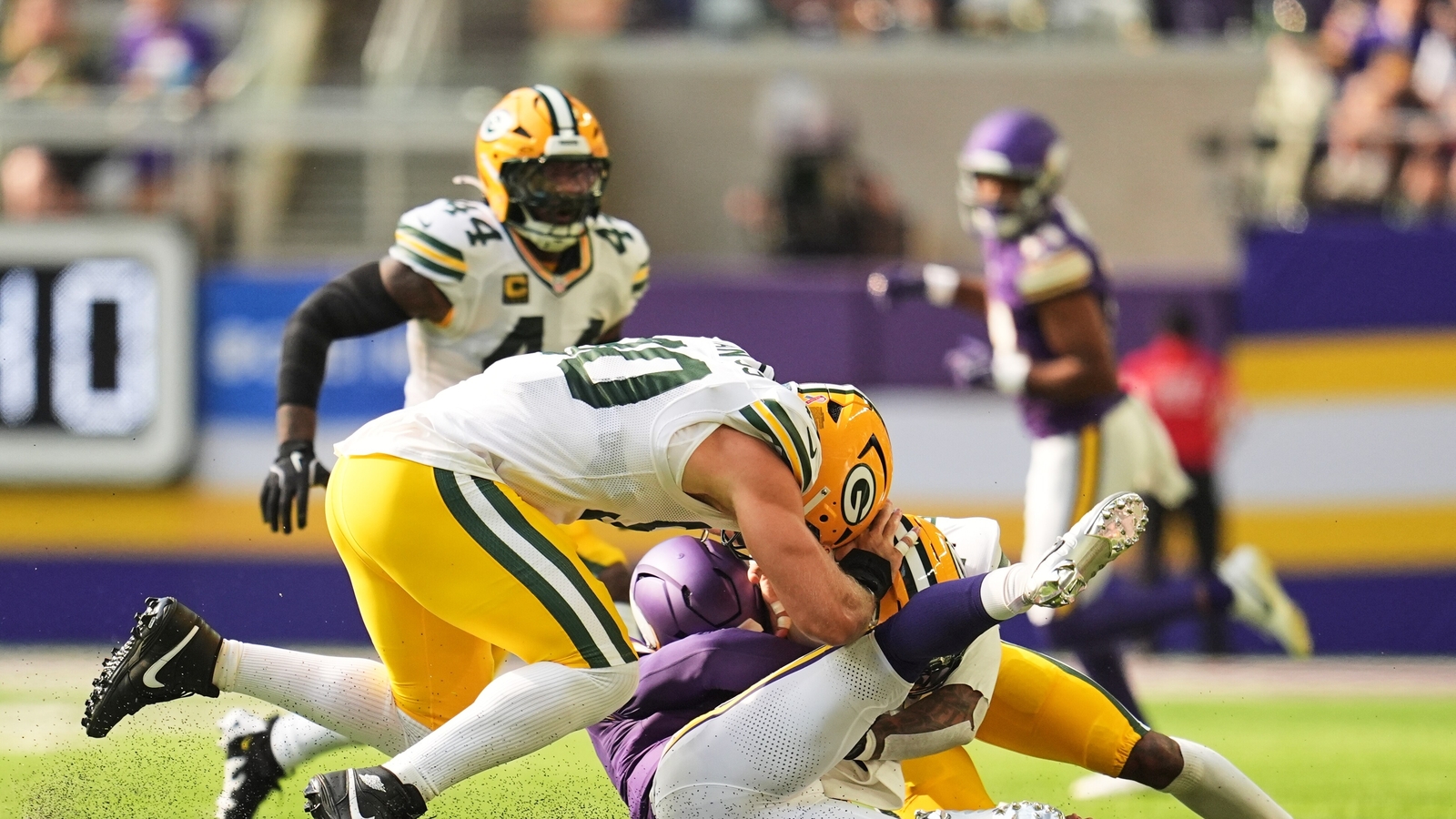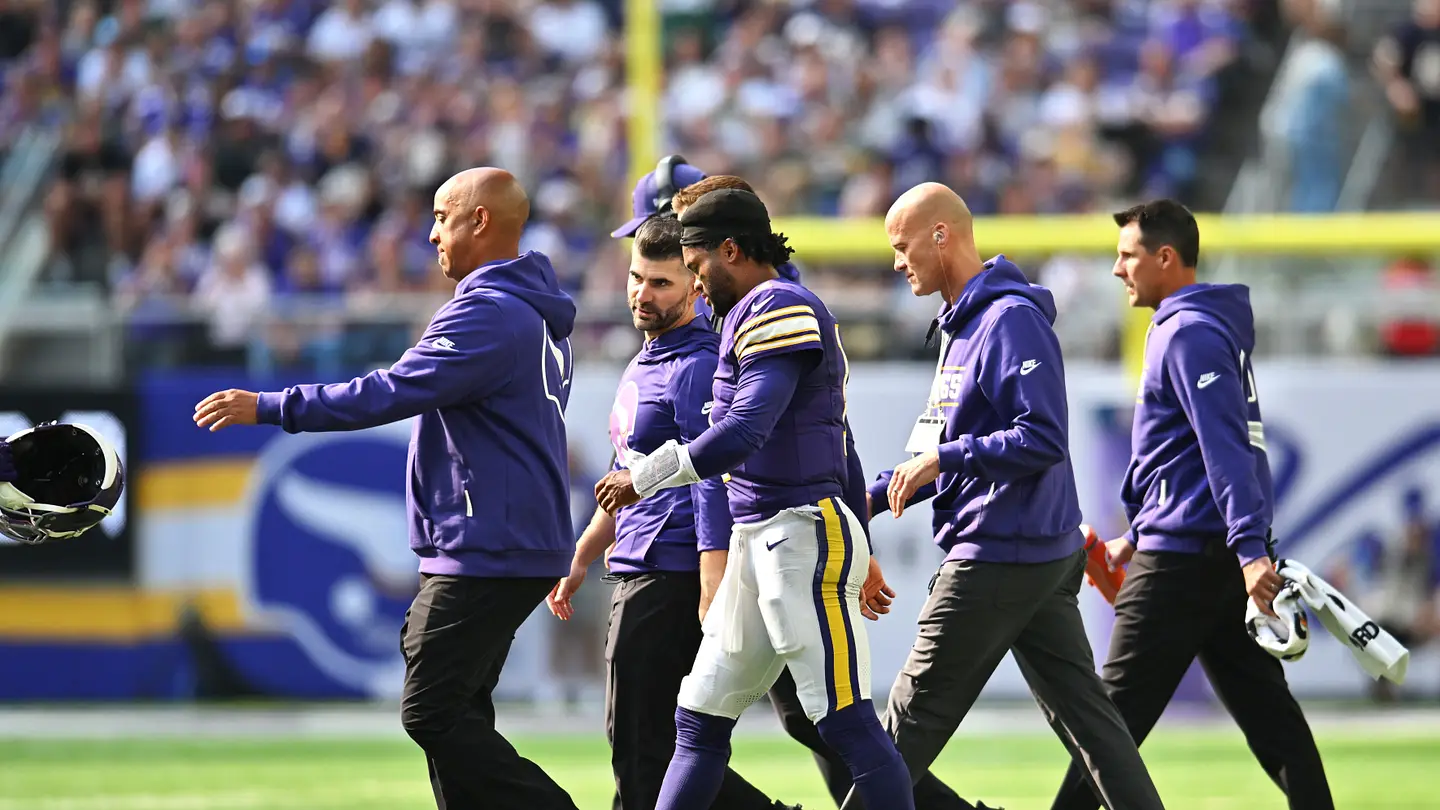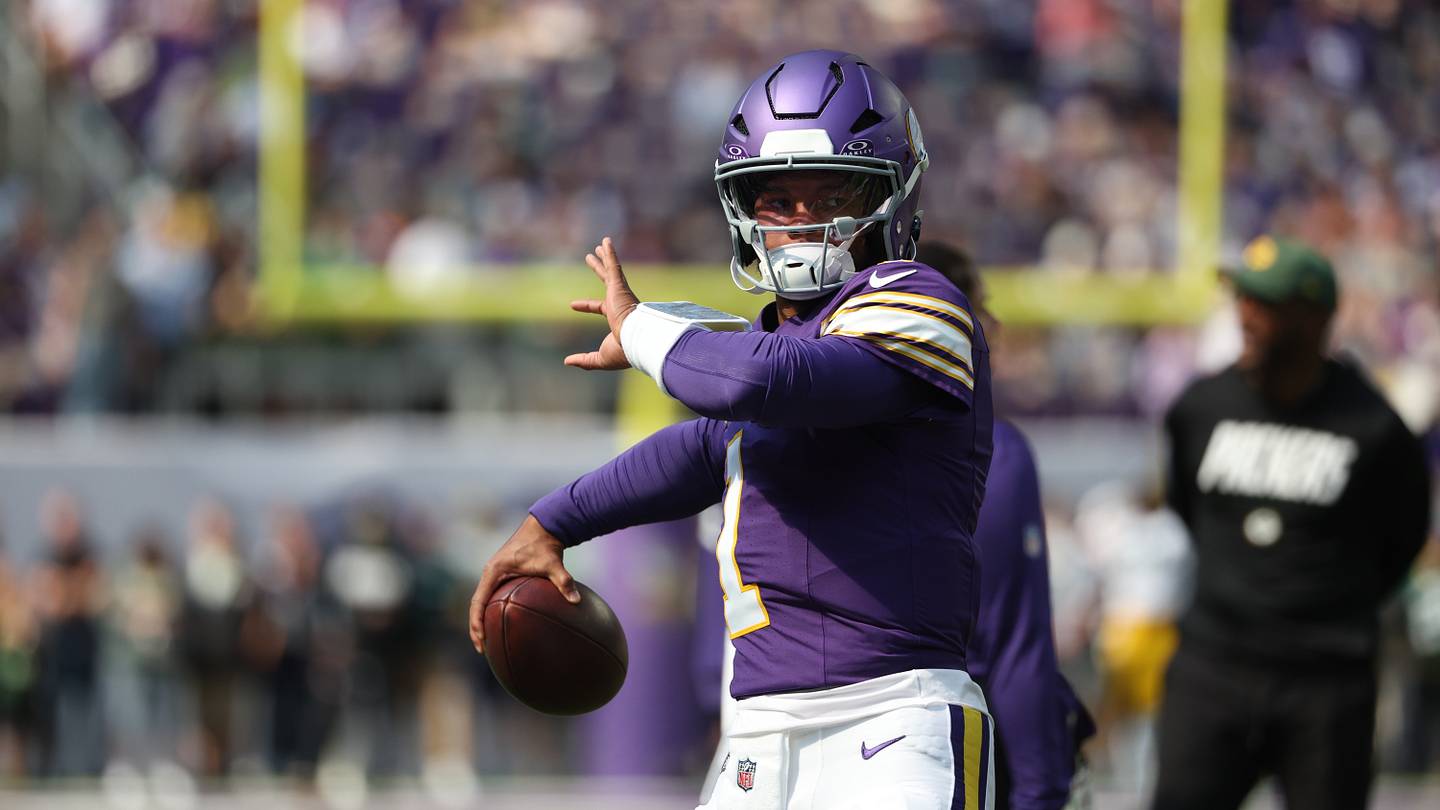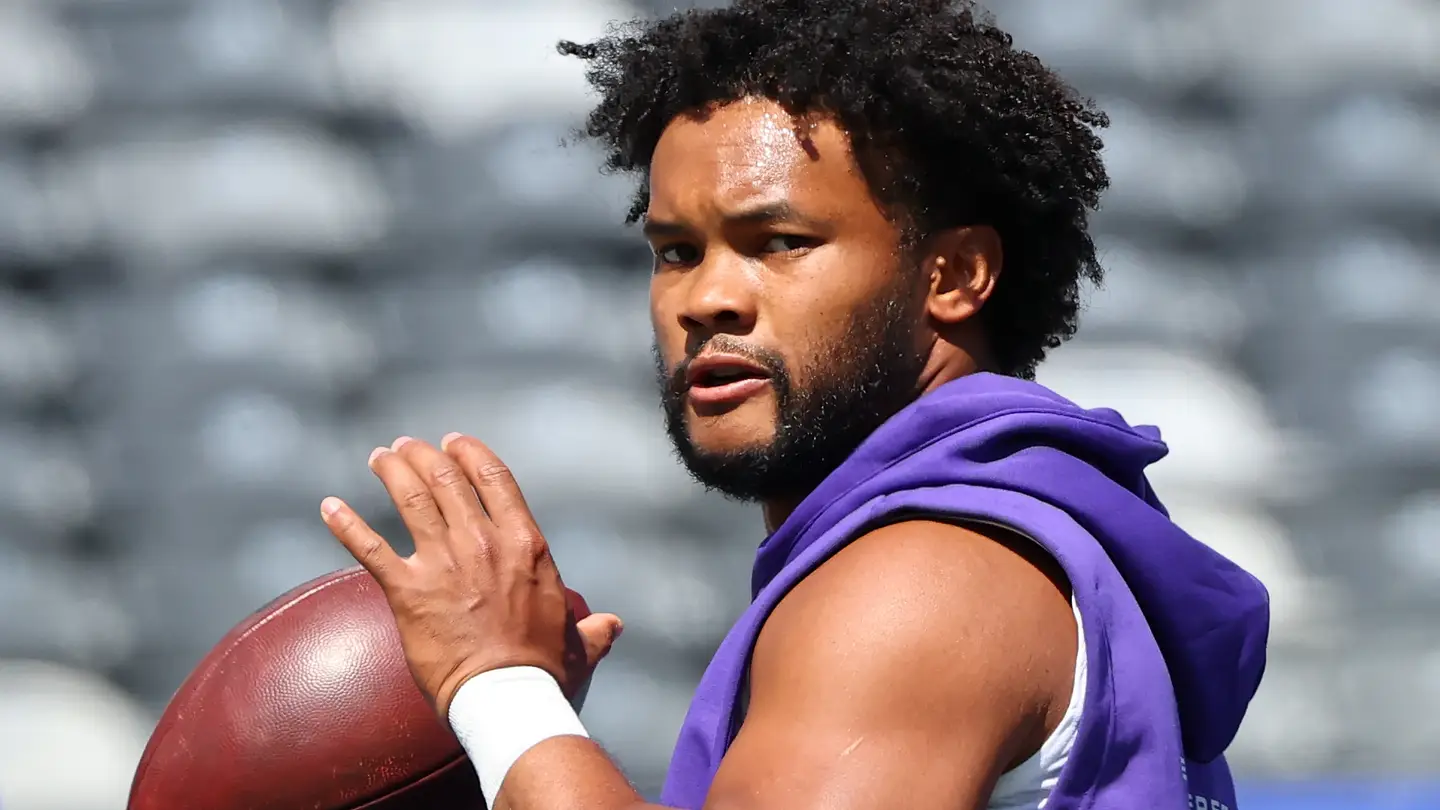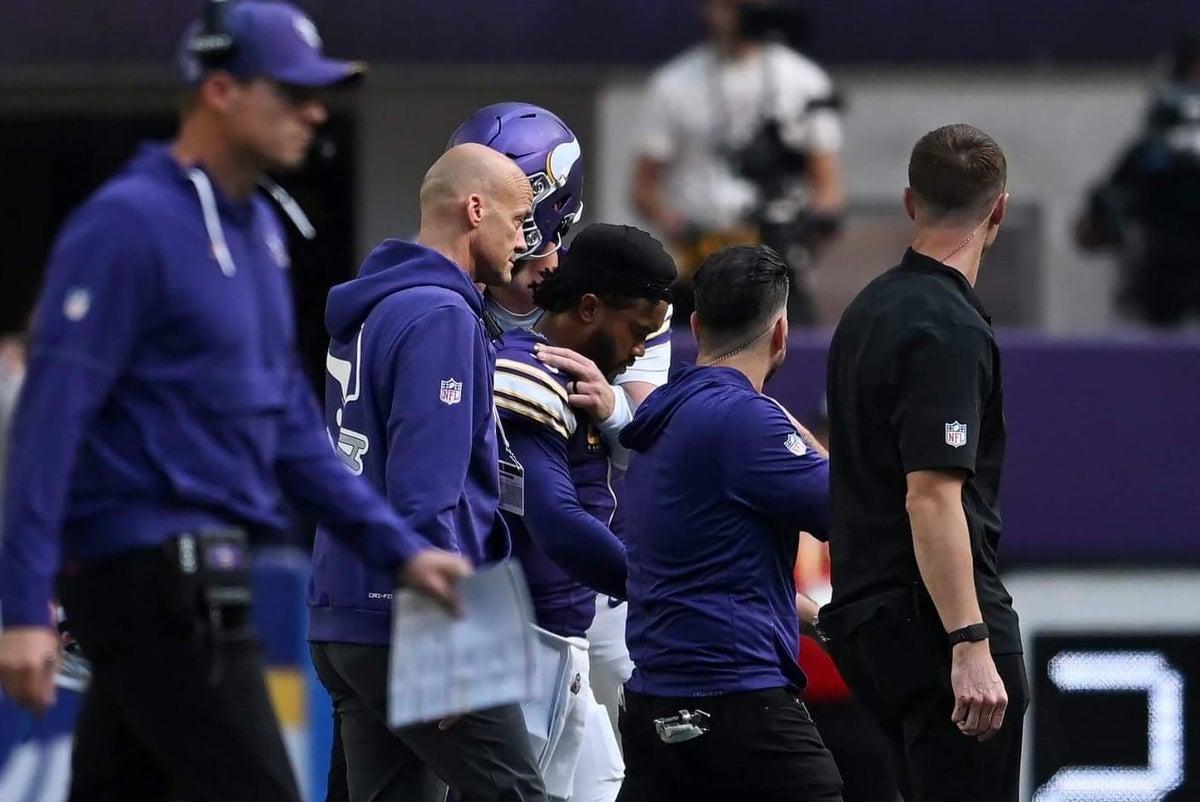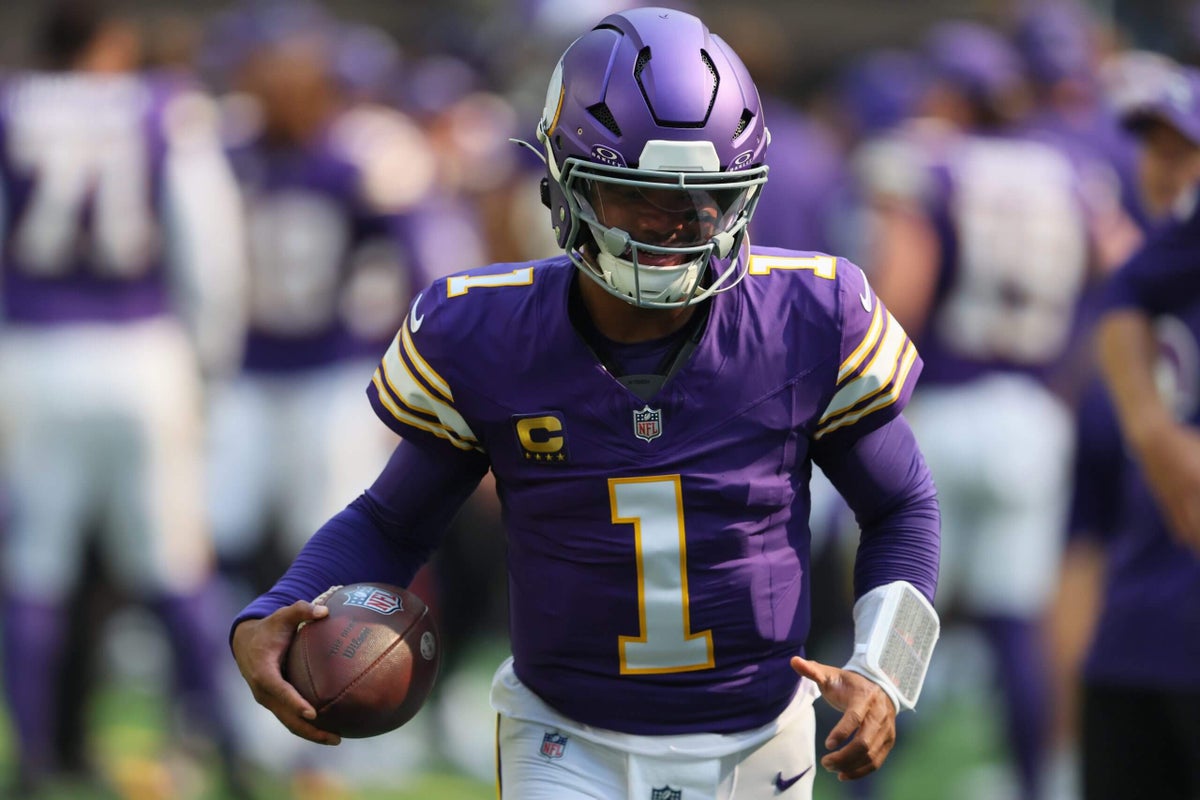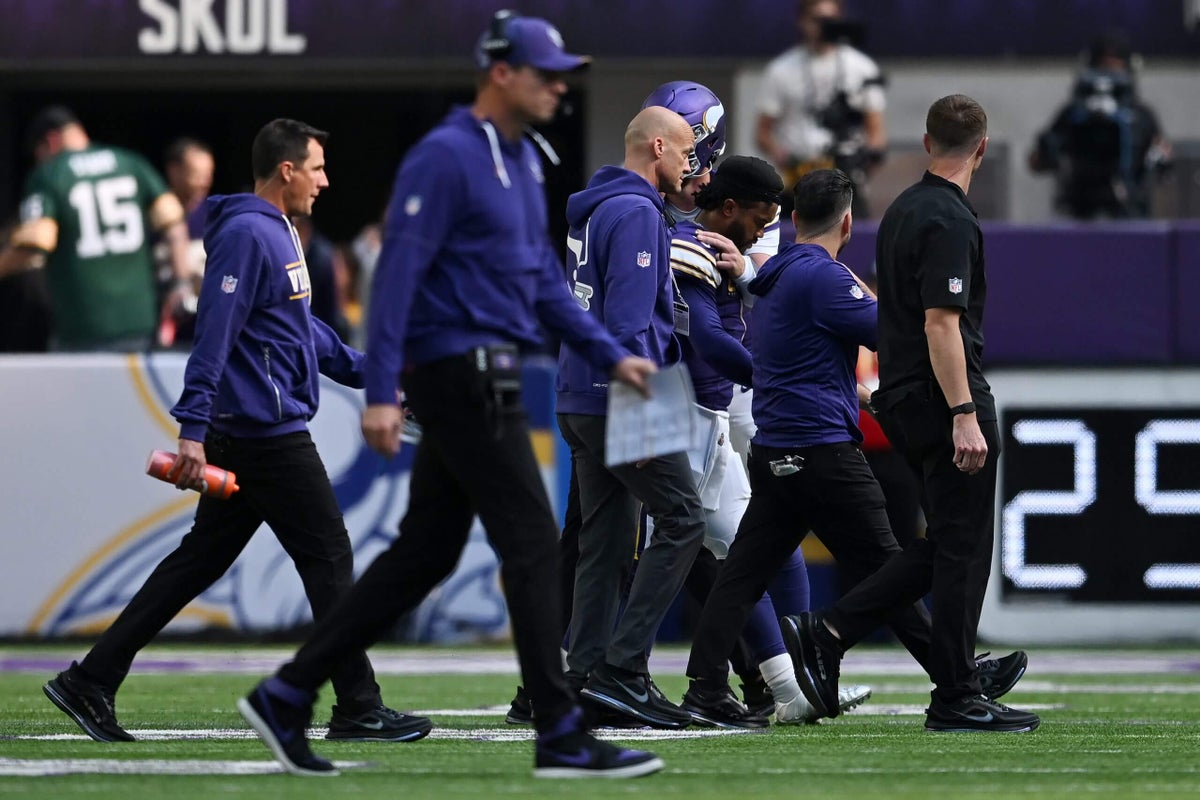
Kyler Murray left his debut with the Minnesota Vikings on Sunday and was placed in the NFL’s concussion protocol after taking a hit to the helmet.The hit that forced Murray out of the game against the Green Bay Packers was a violent collision that included his helmet getting lifted just before he received the blow to the head. In that instance, it was immediately obvious that a head injury was likely.However, unlike many NFL injuries, concussions can sometimes be harder to notice, for the player and for everybody watching. Not catching a concussion as it occurs can have serious consequences, which is why the NFL has a process in place to identify potential head injuries, undergo a series of examinations to reach a diagnosis and guardrails to encourage a proper timeframe for recovery before there’s a return to play.Here’s a look at the league’s protocol for diagnosing a concussion during the game.Identifying a potential concussionIf a player feels concussion-like symptoms, he can remove himself from the game and report to medical personnel to initiate the examination. However, if a player suffers an impact to the head and exhibits signs of a concussion or stinger, certified athletic trainers (ATC), booth ATCs, team physicians, NFL officials, coaches, teammates or unaffiliated neurotrauma consultants (UNC) can initiate the protocol.At each game, each team is assigned a UNC to be present on the sideline. The UNC is focused on identifying signs or symptoms of concussions and assisting team medical staff in implementing the evaluation and management protocol. The UNC is also present to observe the examinations conducted by the team’s medical staff. Ultimately, according to the NFL’s official concussion protocol, “the responsibility for the diagnosis of concussion and the decision to return a player to a game remains exclusively within the professional judgment of the head team Physician or his/her physician designee responsible for the diagnosis and treatment of concussion.”In addition to the UNC on each sideline, there is a third UNC in the booth. The booth UNC is located in the stadium alongside the booth ATC. The ATC’s job is to monitor the game live and through a video feed. If the ATC notices somebody who exhibits concussion symptoms, they convey the message to the head team physician via radio to initiate an examination. If the player in question returns to the game prior to a confirmed examination, the booth ATC can call a medical timeout.The “no-go” symptoms and sideline assessmentCertain symptoms can rule out a player with a concussion, even before any formal examinations. If a player has a loss of consciousness (including impact seizure and/or “fencing posture”), ataxia (abnormality of balance/stability, motor coordination or dysfunctional speech), confusion or amnesia, he may not return to the field on the same day under any circumstance.If a player does not obviously show the “no-go” symptoms but is suspected to have a concussion, his helmet must be taken away from him and he must complete the NFL’s sideline concussion assessment. This assessment includes:• Reviewing the no-go symptoms.• Asking about the event, including before, during and after the impact occurred.• Reviewing concussion signs and symptoms. Signs include, but are not limited to, disorientation, stumbling, behavior change and having a blank or vacant look. Symptoms include, but are not limited to, headache, dizziness, nausea, light or sound sensitivity and coordination difficulties.• All Maddocks’ questions (set of five standardized questions), which are: At what venue are we today? Which half is it now? Who scored last in this game? What team did you play last week? Did your team win the last game?• Video review of the injury, including a discussion with the UNC in the booth.• Focused neurological exam, which includes: cervical spine examination, evaluation of speech, testing of gait, coordination, and balance and eye movements and pupillary exam.This is what occurs in the medical blue tent on the sidelines when a player is pulled for a suspected concussion. Only medical personnel involved with the evaluation — team physician, team athletic trainer and sideline UNC — are allowed in the medical tent while the player is being examined.If any of the elements of the sideline assessment raise suspicion for a concussion, the player must be escorted to the locker room for a more comprehensive exam.Locker room examWhen a player is taken to the locker room, he undergoes a familiar assessment. As part of a preseason physical exam, players must complete a neurological examination. This can be computerized, traditional pen and paper or a combination of the two. When a player takes a locker room assessment after being suspected of a concussion, the results are measured against the baseline exam taken in the preseason.Although the assessment is a critical tool, a player may still have a concussion despite completing the assessment favorably to the baseline. The assessment is viewed as one part of the diagnosis instead of a binary answer. The team physician who knows the player more closely — not the independent UNC — is ultimately responsible for determining whether or not a player has a concussion.Return-to-play protocolThe NFL has a five-phase protocol players must complete before returning to action. Players can only move from one phase to the next if they’re able to fulfill the requirements of the current phase without any concussion symptoms returning.• Phase 1: Beyond normal day-to-day living, players may engage in limited stretching and balancing activities. If tolerated, players can also attend team meetings and film study.• Phase 2: Under supervision of the team’s medical staff, a player should begin graduated cardiovascular exercise, such as a stationary bicycle or treadmill, and may also engage in dynamic stretching and balance training. There should be a buildup to the duration and intensity of these activities, only progressing as the player completes the task without concussion symptoms.• Phase 3: In addition to the cardiovascular exercises, players may begin to mimic sport-specific activities, as well as supervised strength training. Players can exercise with the team for 30 minutes or less in sport-specific exercises, but no contact allowed.• Phase 4: Players can participate in non-contact football activities such as throwing, catching, running and other position-specific activities, progressing to participation in non-contact team practice activities. All activities at this phase remain non-contact, meaning no contact with other players or objects, such as tackling dummies or sleds.• Phase 5: The player is cleared by the team doctor for full football activity involving contact. The player must be examined by the independent neurological consultant assigned to his club. If the consultant agrees with the club physician that the player has recovered, he may participate in his team’s next practice or game.There is some level of subjectivity attached to each situation, including a player’s history of concussions as well as the severity of the active concussion. There is no set timeframe for a return to play. Instead, a player’s return depends on how he progresses through each phase of the protocol.
Kyler Murray’s concussion: How the NFL protocol works and what happens next
Any players who display "no-go" symptoms are automatically ruled out for the rest of the game.
1,149 words~5 min read