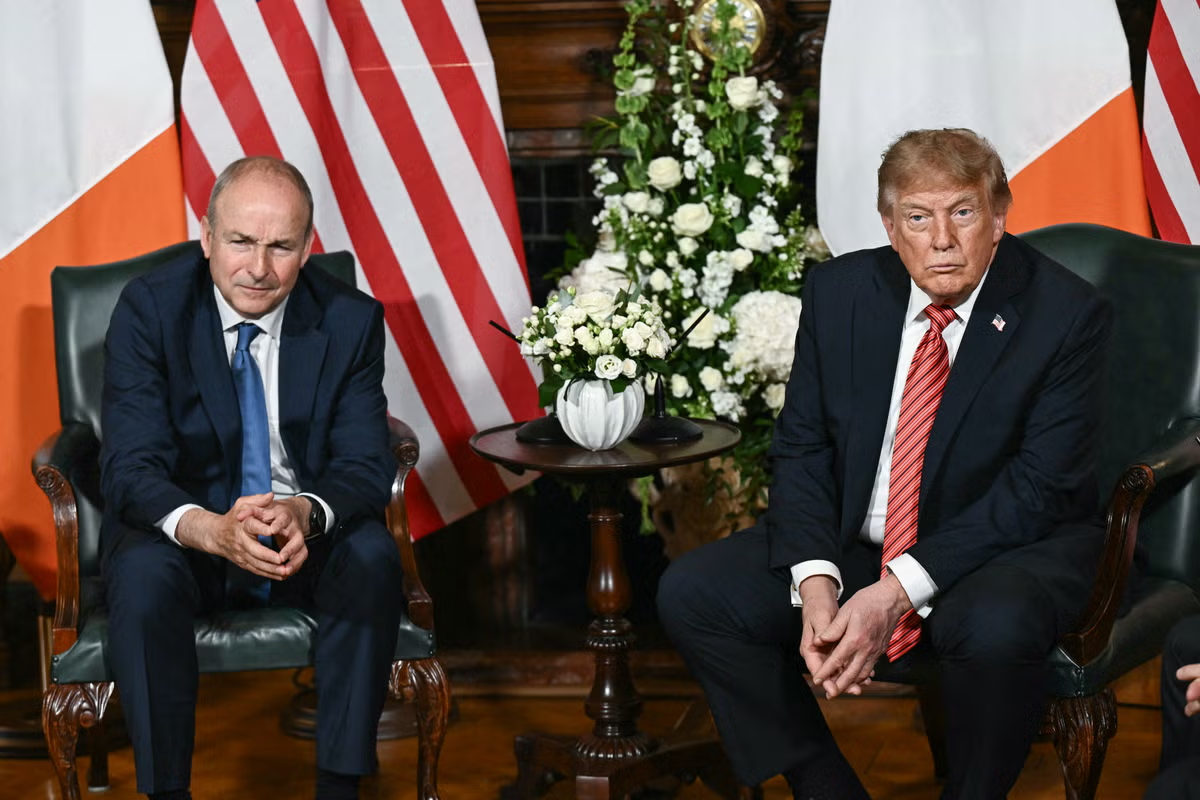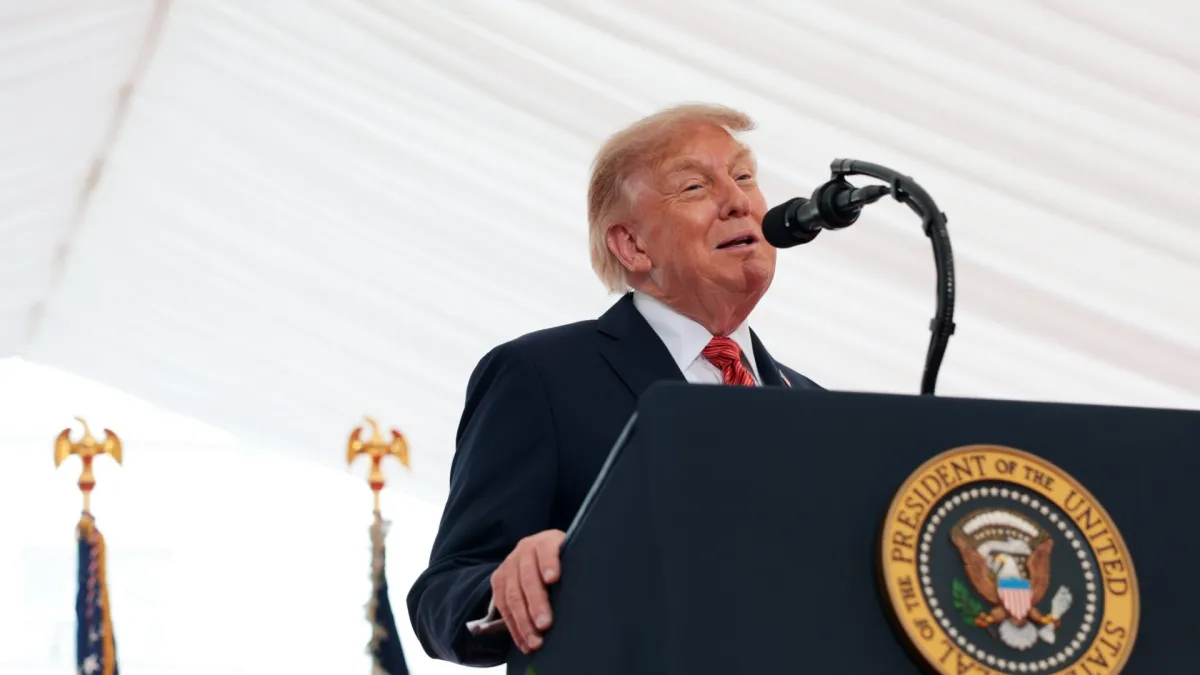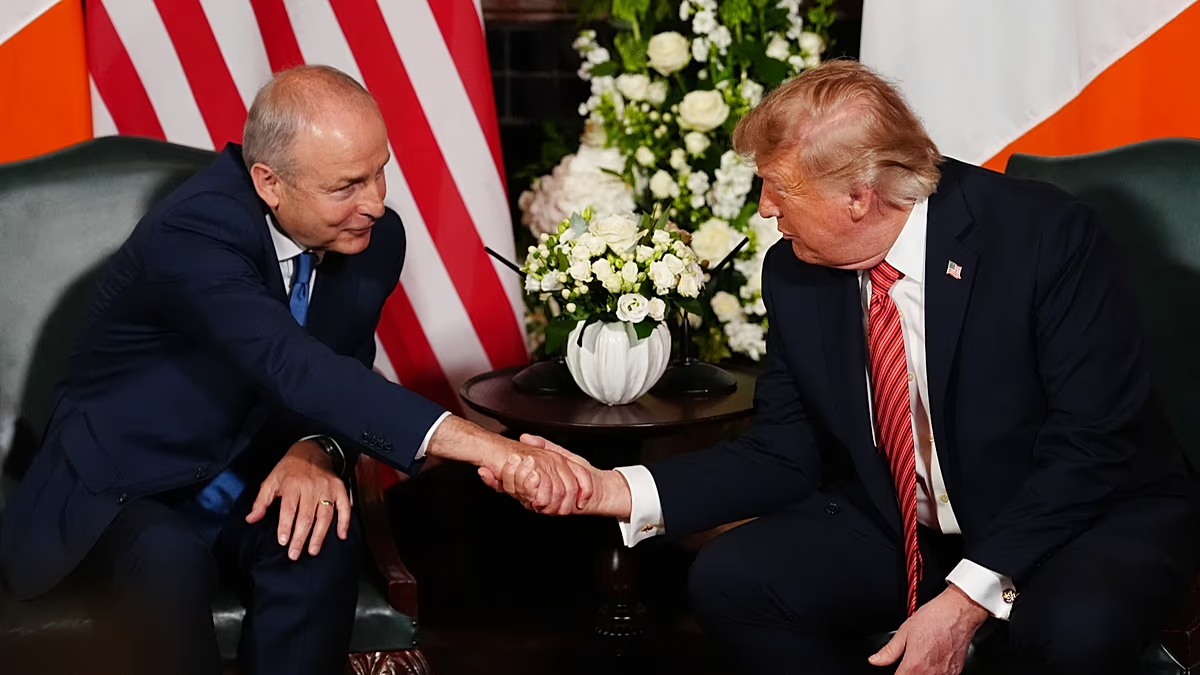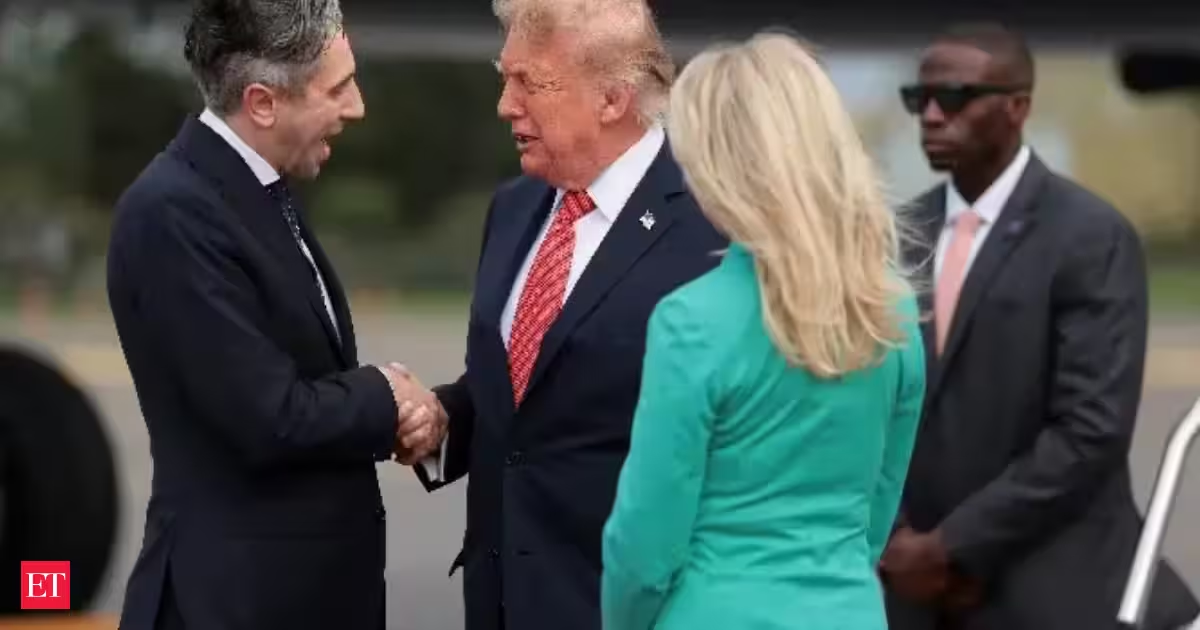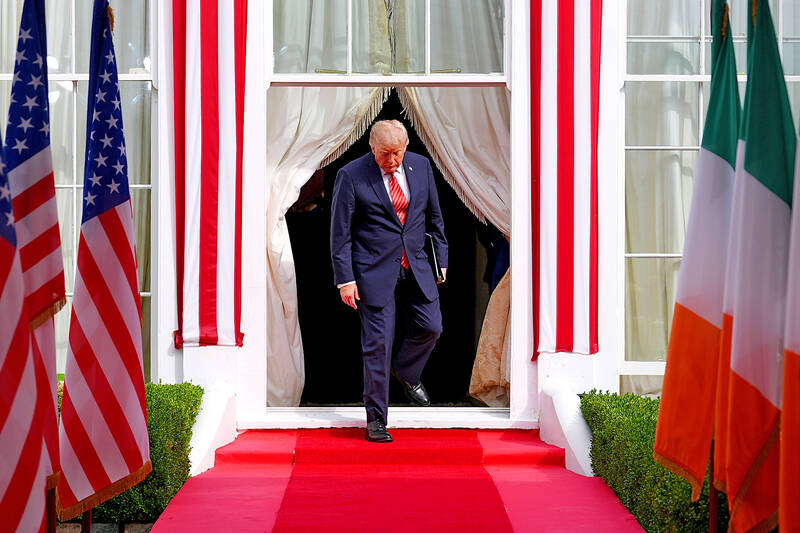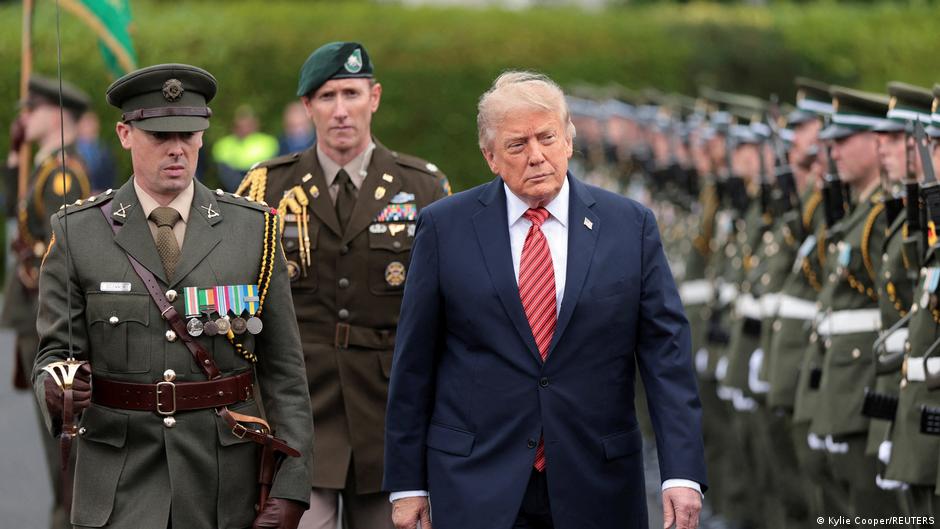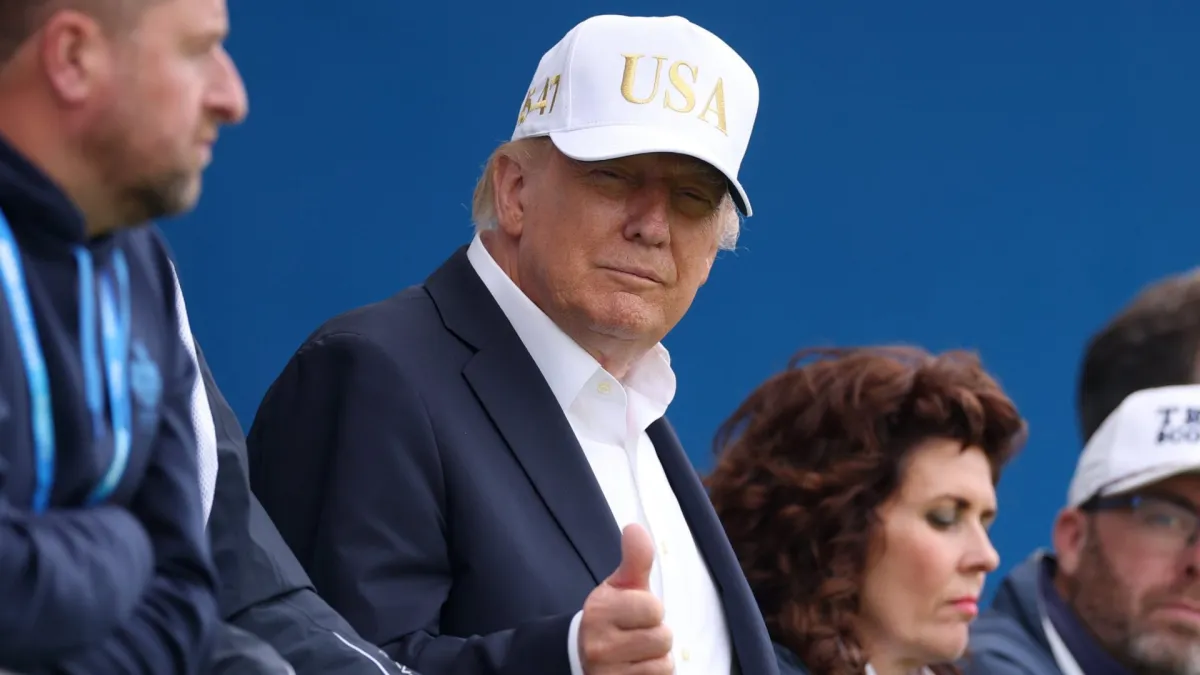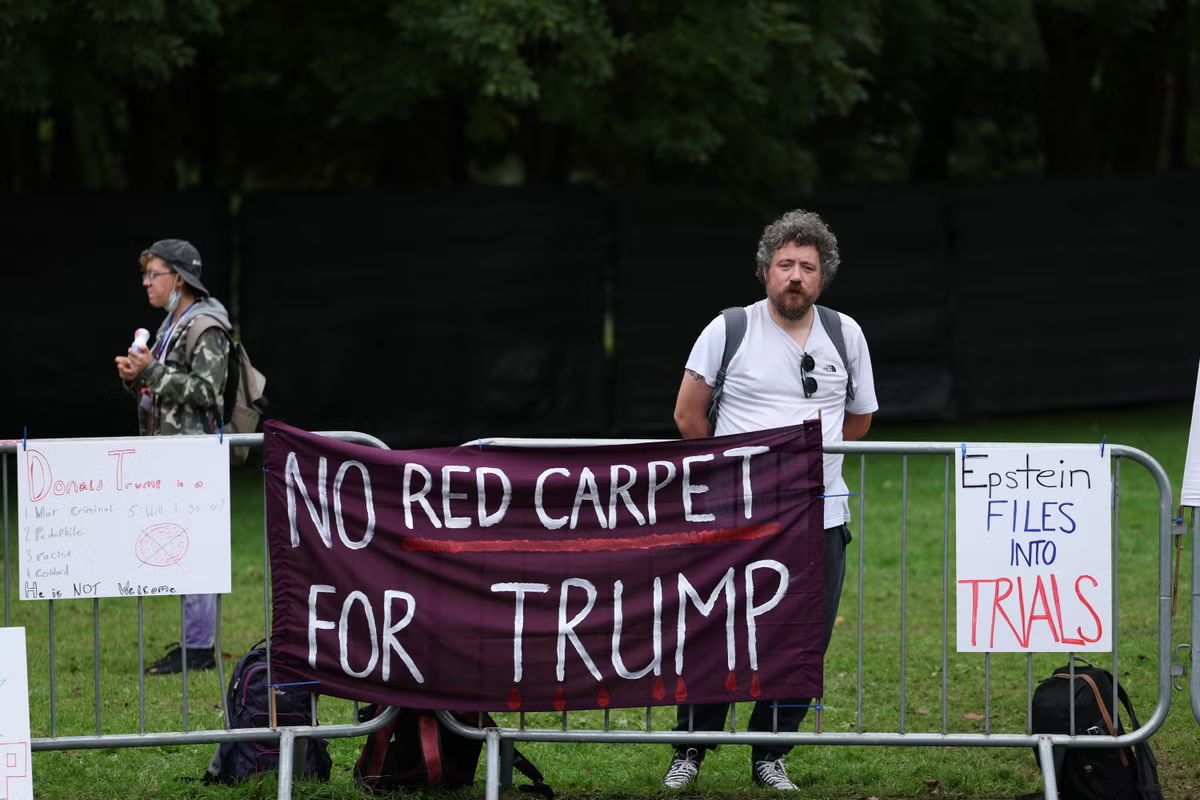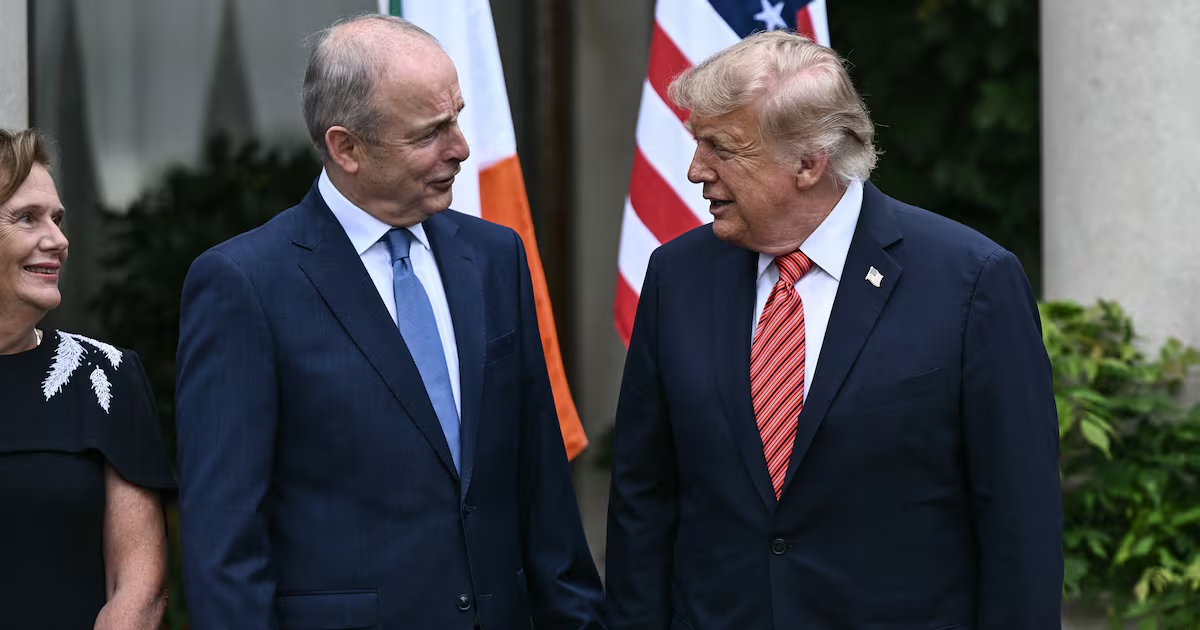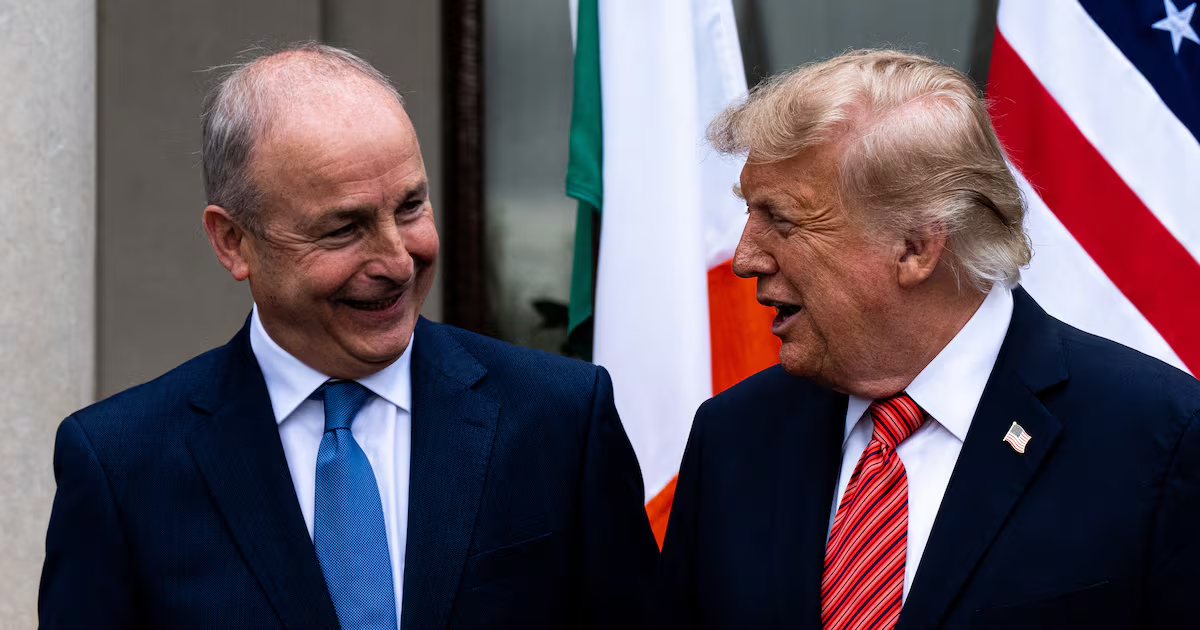
In a couple of hours in the Phoenix Park on Saturday morning US president Donald Trump opined, with varying degrees of coherence, on a dizzying range of topics. The Government will be content that the visit passed without any major rows and with Trump expressing his confidence about the future of the relationship between Ireland and the US.His support for a united Ireland – which he said he would “love” to see – did spark headlines and ruffled some feathers in London and among the unionist community in Northern Ireland. Were a statement such as this made by a previous US president, it might have been seen as a significant indication of US policy. From Trump, prone to giving freewheeling opinions on anything and everything, it was still notable, even if his motivation was unclear and Taoiseach Micheál Martin said he had expressed similar views in the past. It hardly signifies any real change in policy in Washington – US involvement in Northern Ireland is much less significant now than under some previous administrations and there has long been bipartisan support for the Belfast Agreement. And in a later comment Trump did make the point that “no matter what you say or how you say it, there is no good answer”.Trump is, of course, in electioneering mode and may have had an Irish-American audience in mind. Certainly, the main focus of many of his remarks, delivered in a long and rambling address at the US ambassador’s residence, related to domestic politics ahead of November’s midterm elections. It was not the kind of speech a US president would traditionally make on an overseas visit. But Trump is no respecter of tradition. The two key meetings, with President Catherine Connolly and the Taoiseach, appeared to pass off smoothly. Trump seemed in no mood to pick a fight. President Connolly said in a statement that she had conveyed the view of the Irish people that “the normalisation of war and genocide can never be accepted”. Thousands marched in Dublin in opposition to the visit and there were also protests in Doonbeg and Shannon. Trump chose not to react in public to Connolly’s statement and to swat away questions about protests. The main reason for the trip, after all, was to visit his property in Doonbeg to watch the Irish Open golf tournament and promote one of his investments. Diplomacy took second place. The Government will be broadly satisfied by the visit. The promise to remove US tariffs on Irish whiskey was welcome. And Trump has clearly taken on board one of Dublin’s talking points – the extent of investment by Irish companies in the US. But no one should mistake the weekend’s events for anything resembling real politics. Expect tensions over foreign policy, trade and regulation of the technology sector to resume.
The Irish Times view on the Trump visit: diplomacy takes second place
The US president’s comments on a united Ireland grabbed attention
469 words~2 min read