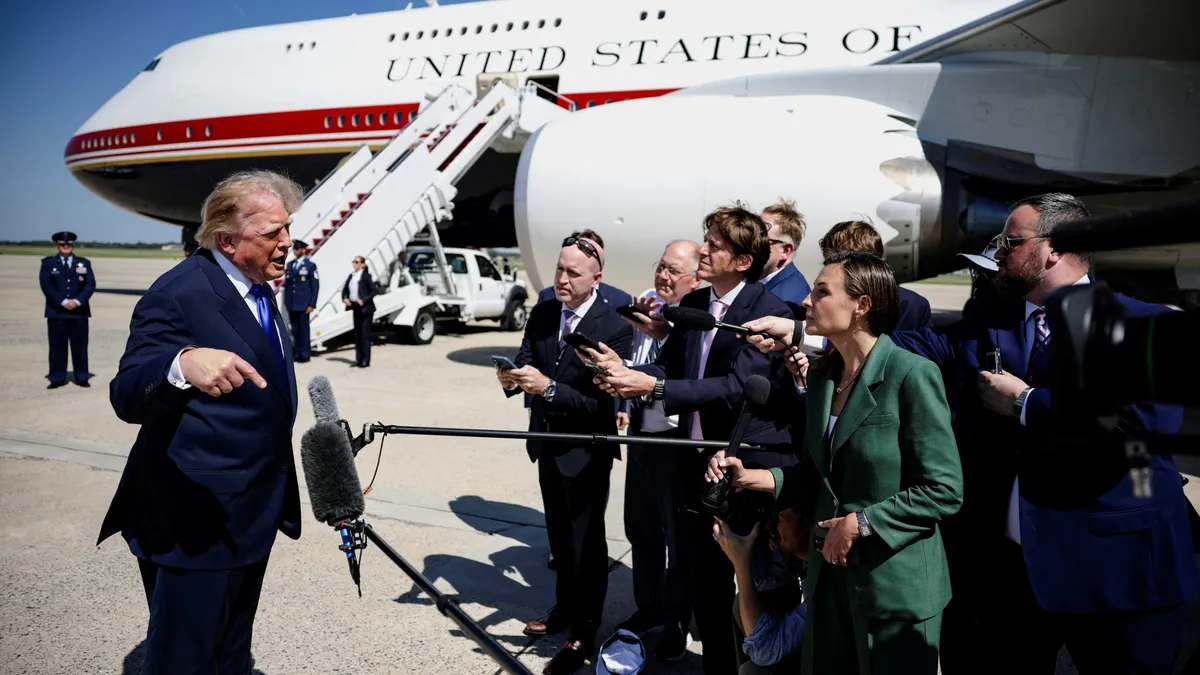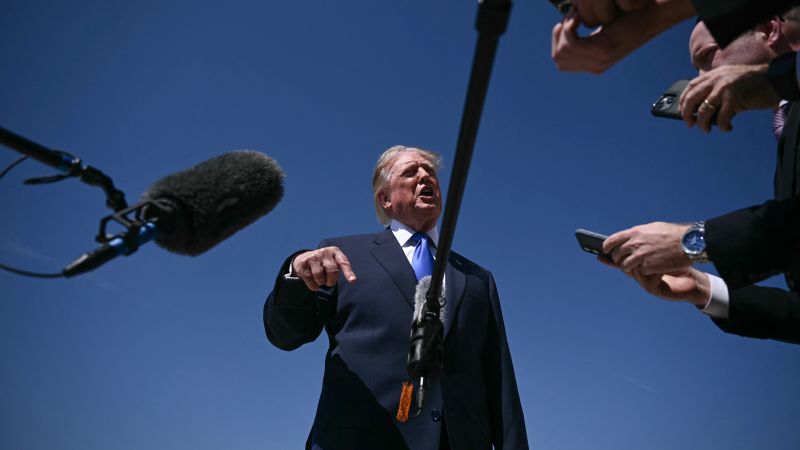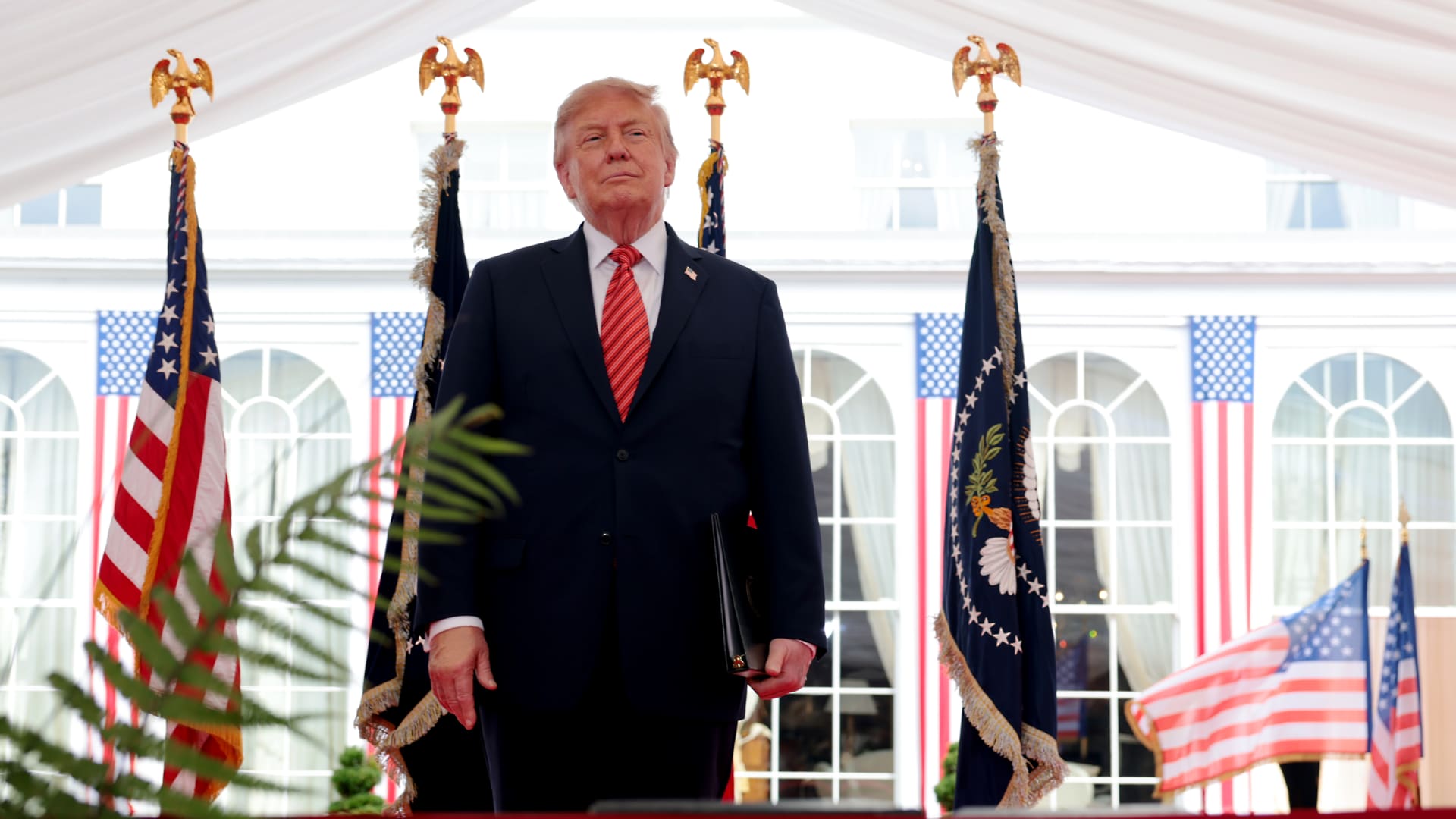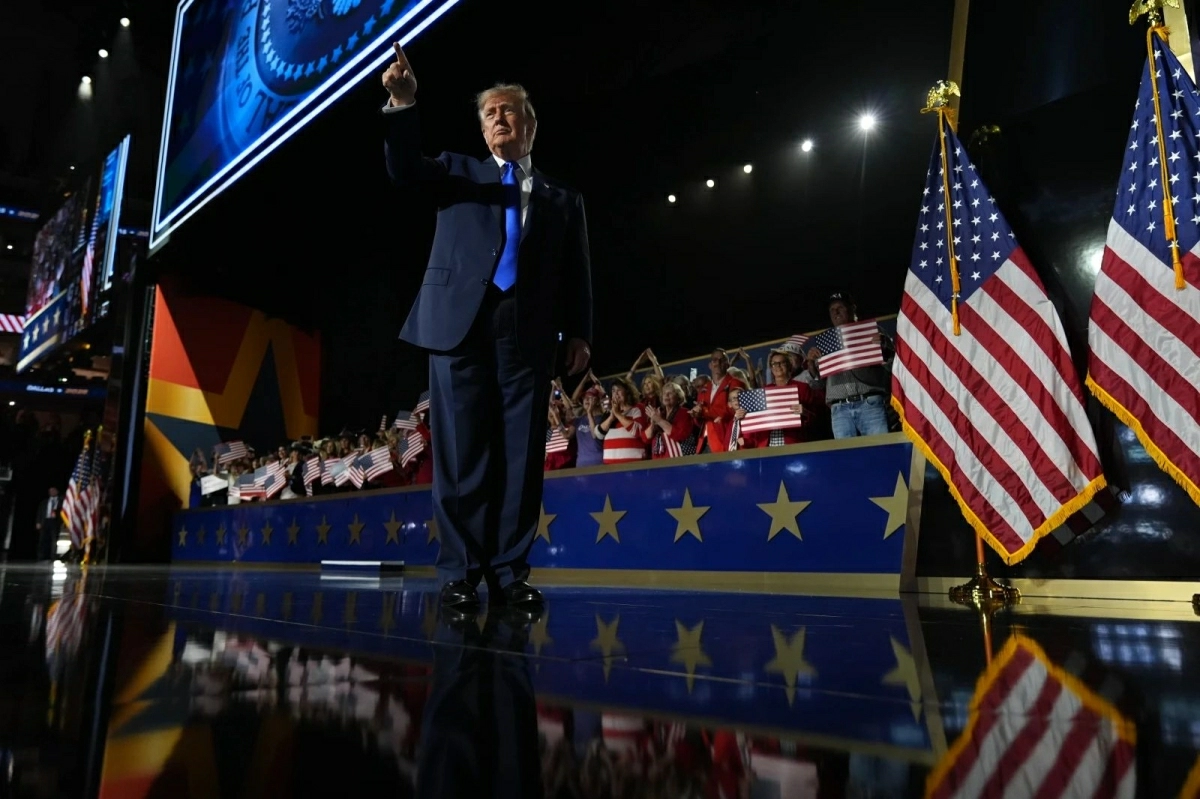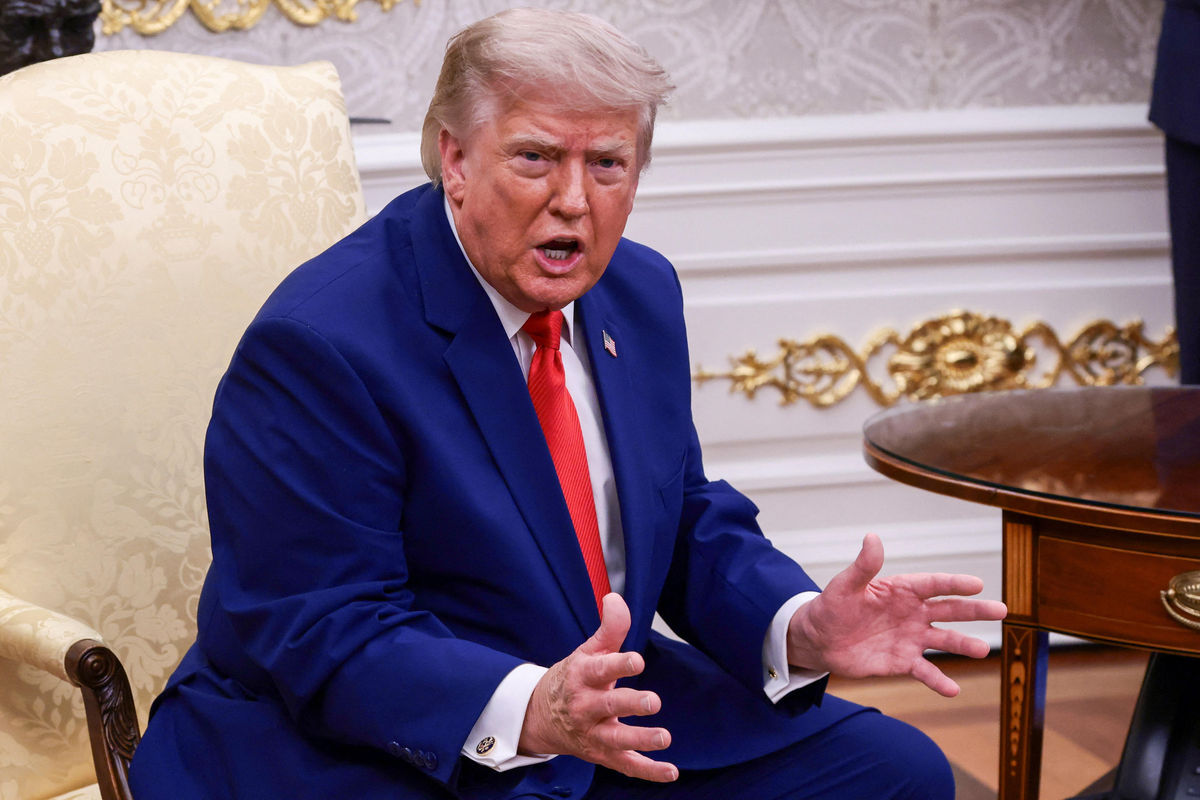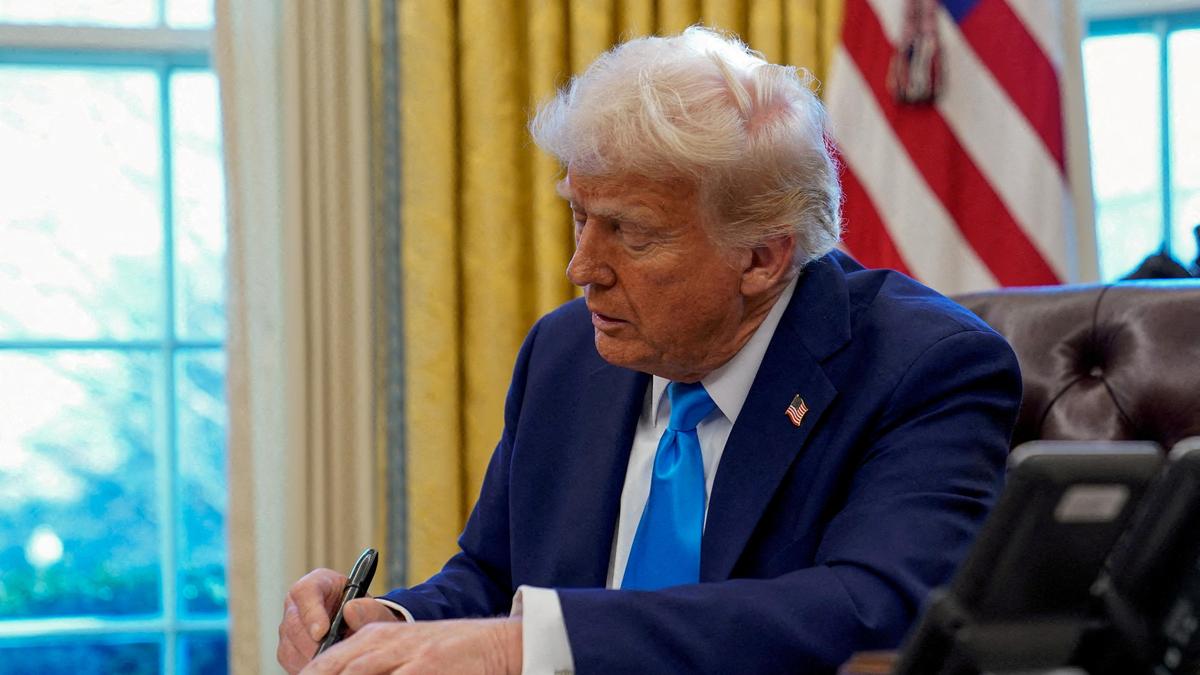
President Donald Trump said on September 9, 2026, that Iran is actively seeking negotiations with the United States and that the ongoing war could conclude before or immediately after the November 3 midterm elections. Trump framed Iran’s outreach not as strength but as desperation, suggesting the country is struggling to sustain military and economic pressure simultaneously. He described Iran as calling constantly, while making clear that a negotiated settlement is not his preferred outcome, even as he acknowledged it remains on the table.
A war that started in February and hasn’t stopped since
The conflict began in late February 2026 with coordinated U.S. and Israeli strikes on Iranian targets. Since then, the Strait of Hormuz, the narrow waterway through which a substantial share of the world’s oil passes, has been repeatedly disrupted, sending energy markets into a prolonged period of volatility.
Gasoline prices are currently averaging around $4.22 per gallon nationally, with diesel approaching record highs near $6. A brief attempt at de-escalation came in June 2026, when the two sides signed an interim memorandum of understanding. The MOU aimed to pause large-scale hostilities, reopen the Strait of Hormuz to commercial shipping, and allow limited Iranian oil exports to resume. The truce collapsed quickly, and the energy market disruptions that had temporarily eased returned.