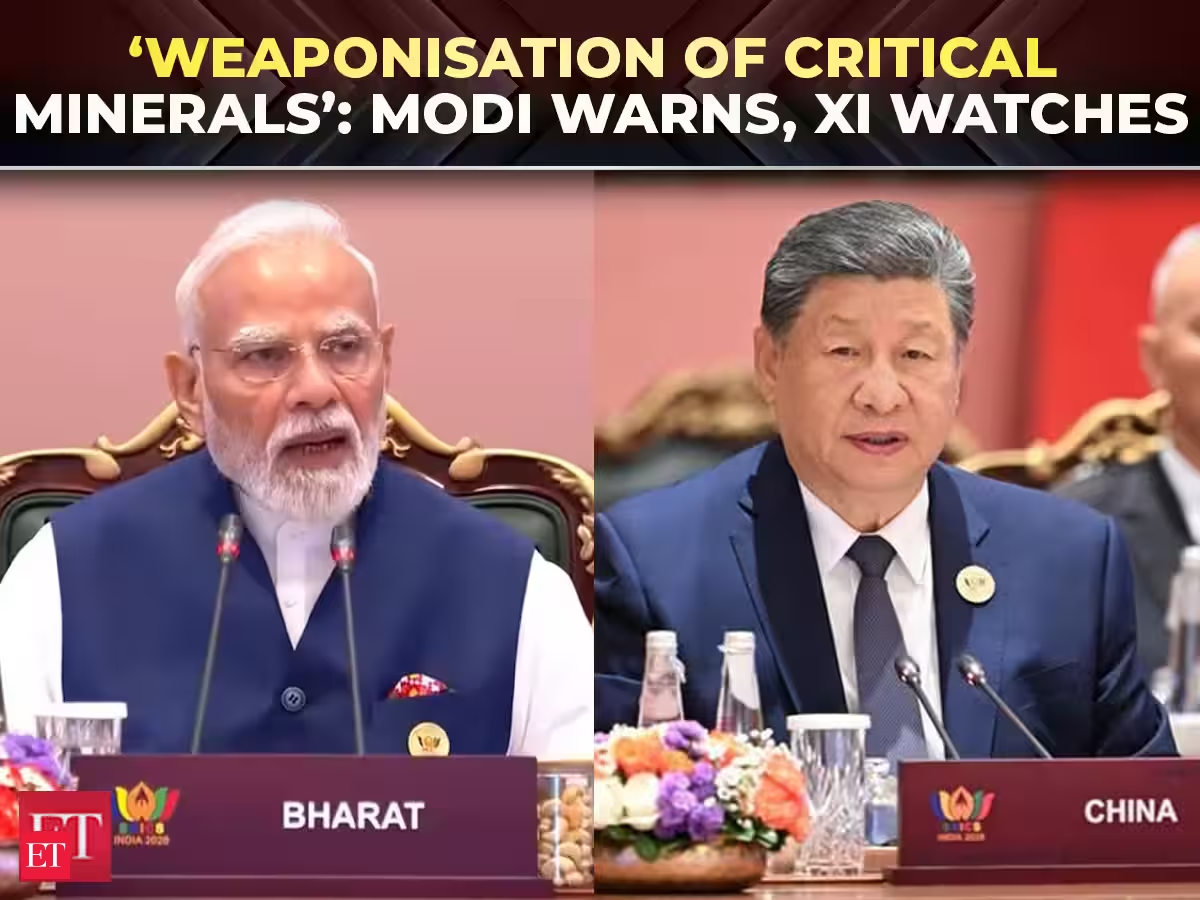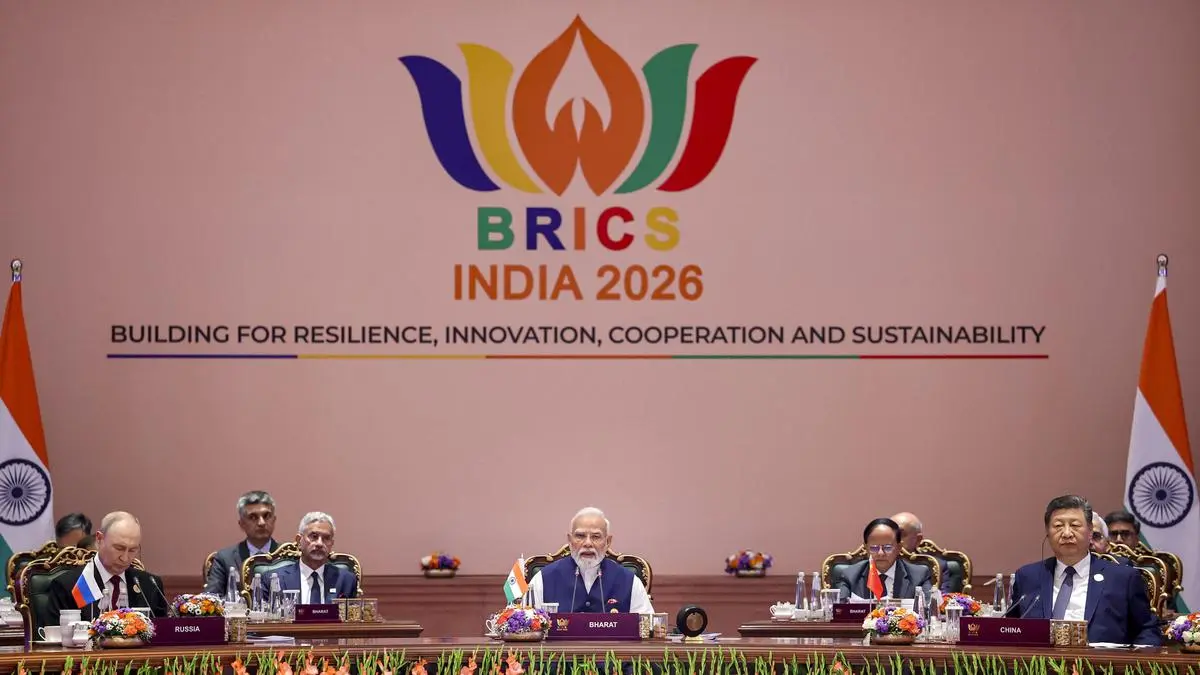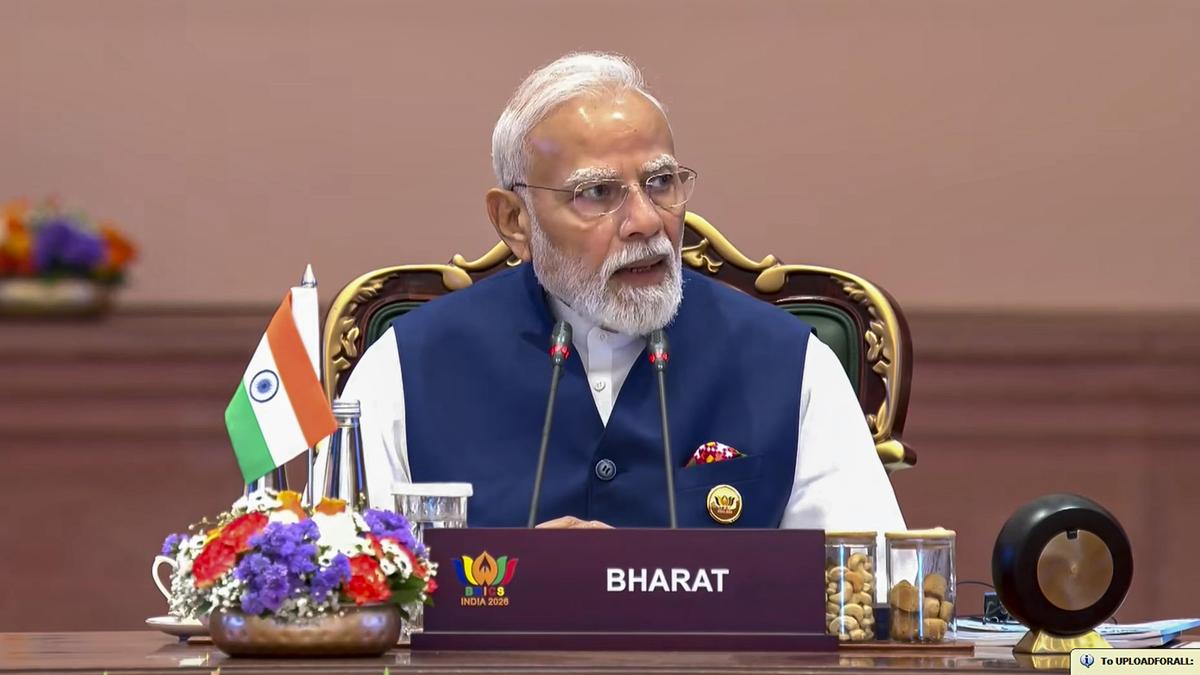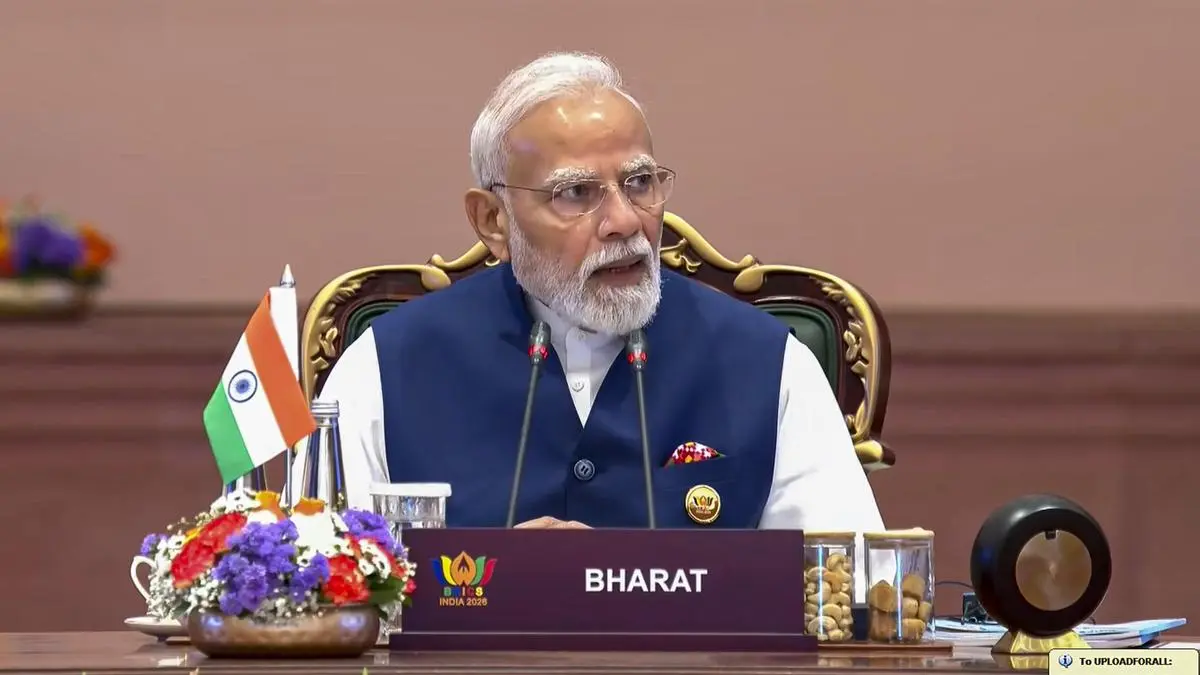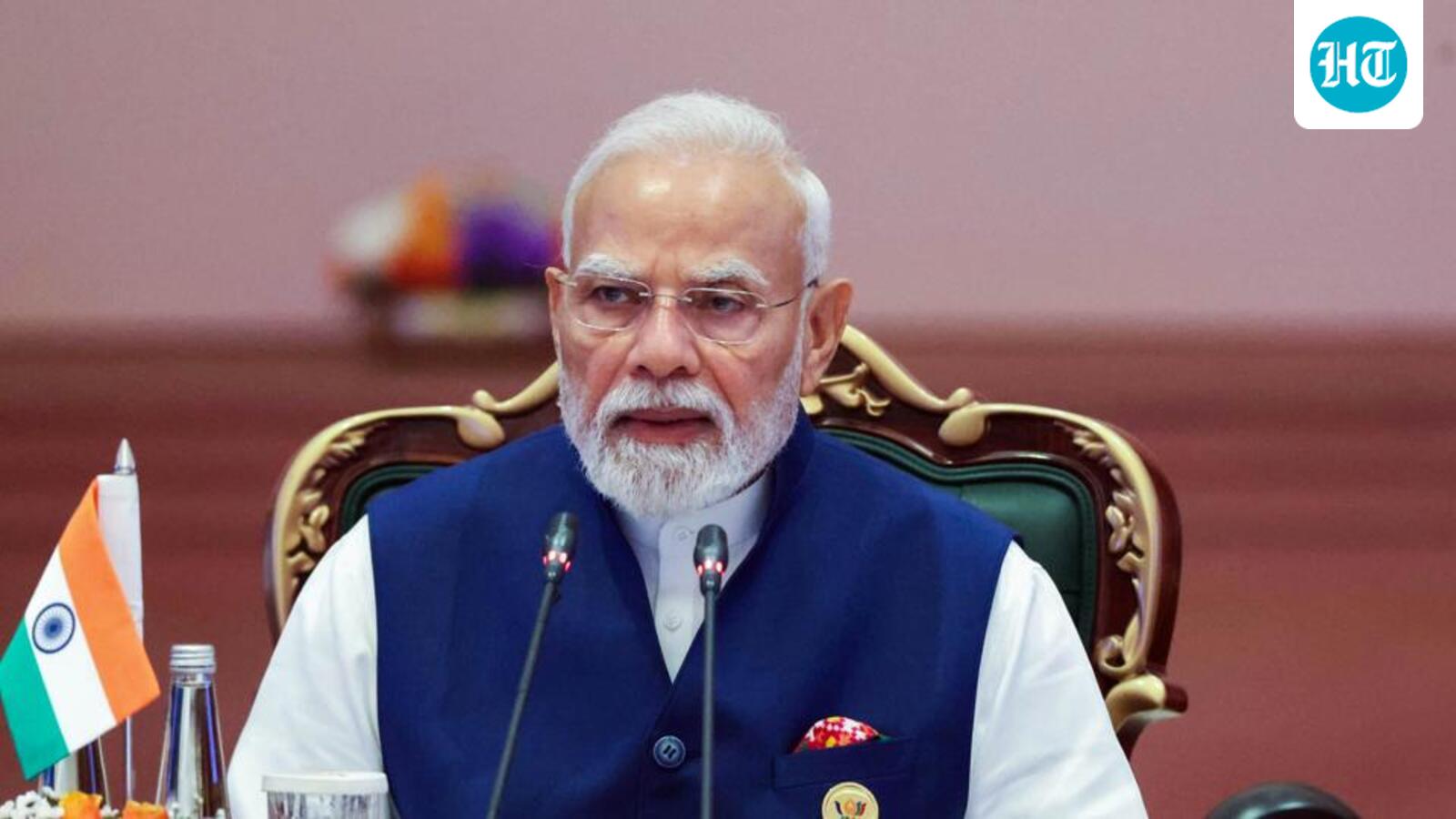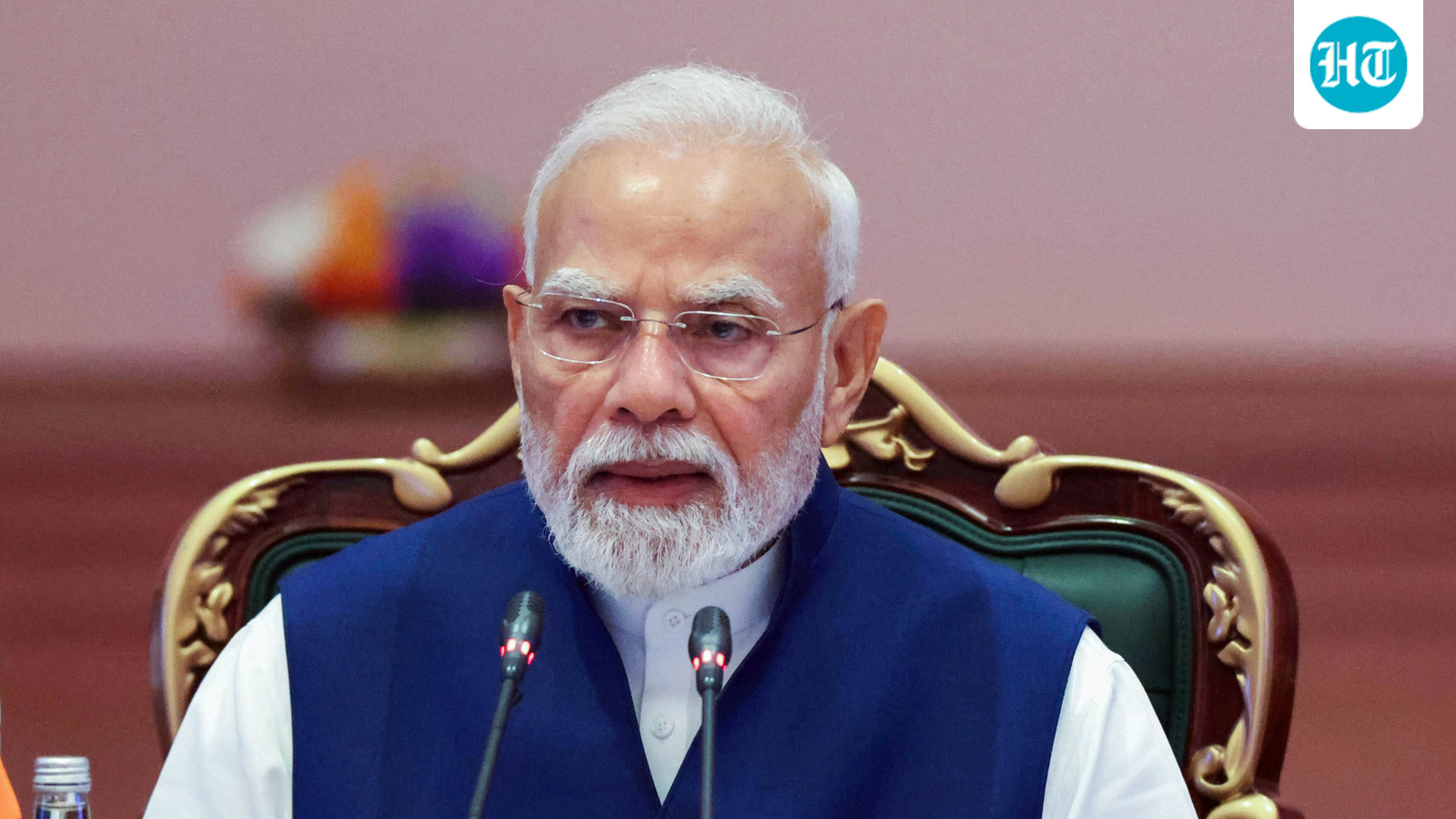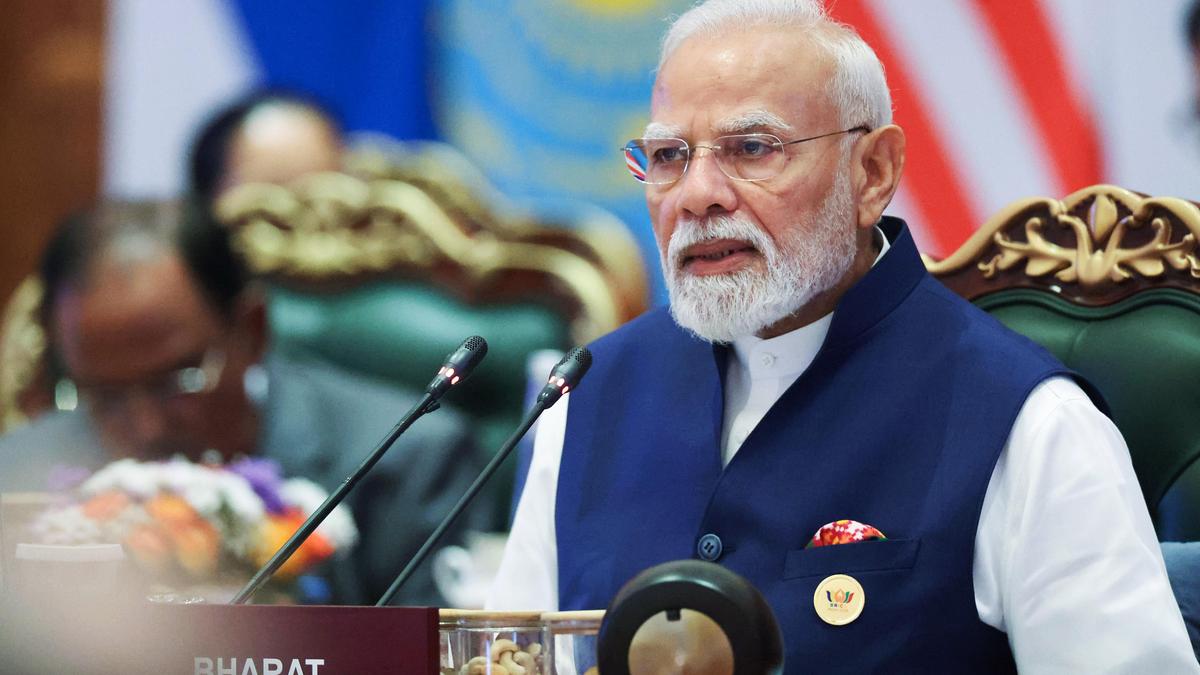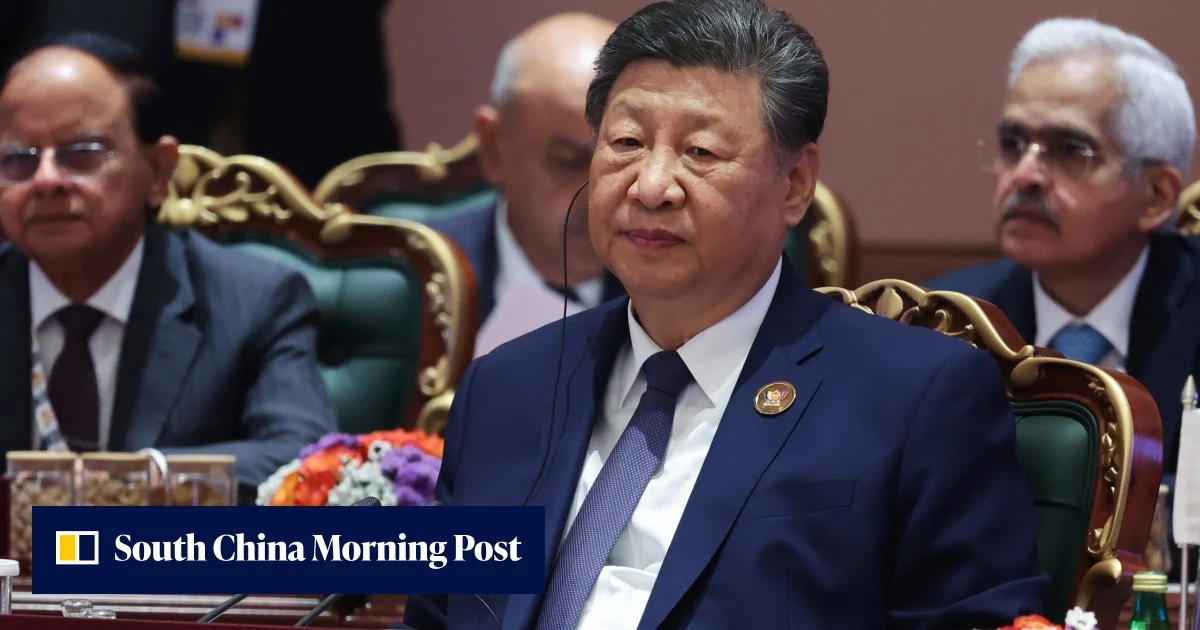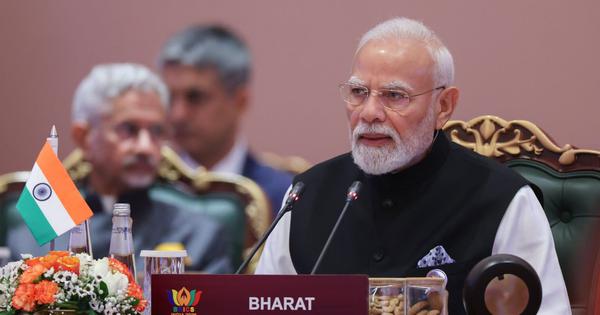
Weaponising critical minerals and technology can hinder the shared progress of BRICS nations, Prime Minister Narendra Modi warned at the grouping’s summit on Sunday. Modi sought inclusivity in the adoption of technology.While he did not name any country, the remark came amid concerns about China increasing export controls on some critical minerals and rare earth elements since 2023.In April 2025, China imposed export controls on more specific heavy rare earth elements and expanded the list in October.The minerals are essential for manufacturing advanced technology products and defence equipment.The BRICS grouping comprises India, Brazil, Russia, China, Saudi Arabia, South Africa, Egypt, Ethiopia, Indonesia, Iran and the United Arab Emirates.On Sunday, Modi said that the increase in conflicts and geopolitical tensions was having a “negative and far-reaching impact on the lives of ordinary people”.Pandemics, climate disasters and supply-chain disruptions have shown that in an interconnected world, “no crisis remains confined to a single region”, he said.Therefore, the BRICS nations had “placed special emphasis on strengthening resilience” and it was “equally important to identify challenges in time, be prepared for them and take prompt action”, he added.The remarks were made during a session on “shaping the future for inclusive global growth”, focusing on resilience, innovation, cooperation and sustainability.Modi said that the BRICS members have agreed to create an integrated early warning system to prevent the spread of infectious diseases and respond to outbreaks. “Early warning data integration guidelines have been prepared for disaster management,” he added.The prime minister also said that a logistics supply chain cooperation framework will help make supply chains more reliable and resilient.In their declaration on Saturday, the BRICS members had affirmed the need to promote reliable, diversified, fair and just supply chains of critical minerals to “guarantee benefit sharing, value addition and economic diversification in resource-rich countries” while preserving “sovereign rights” over their resources.The countries had also concurred on the right to adopt, maintain and enforce measures “necessary to pursue legitimate public policy objectives”.In May, India and the United States announced a framework to ensure steady supply of critical minerals amid Chinese export controls. This followed India in February becoming a signatory to the US-led Pax Silica initiative to coordinate supply chains for semiconductors, artificial intelligence and critical minerals.The Quad, a grouping comprising India, the US, Japan and Australia, had also announced in May initiatives to improve collaboration on critical minerals and emerging technology.Written by Nachiket Deuskar. Edited by Sneha.Also read: BRICS leaders condemn Pahalgam terror attackWhy has India’s G20 fanfare not been replicated for BRICS summit?
Weaponising critical minerals, technology can hinder progress, warns PM Modi at BRICS summit
Although he did not name any country, the remark came amid concerns about increasing Chinese export controls on rare earth elements.
418 words~2 min read