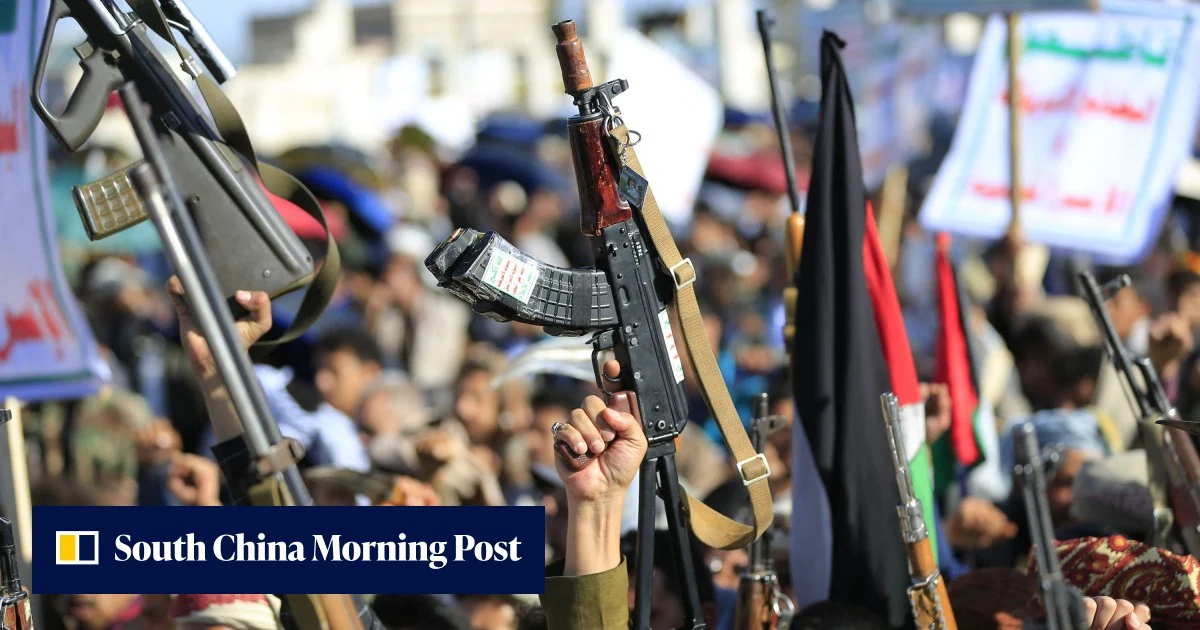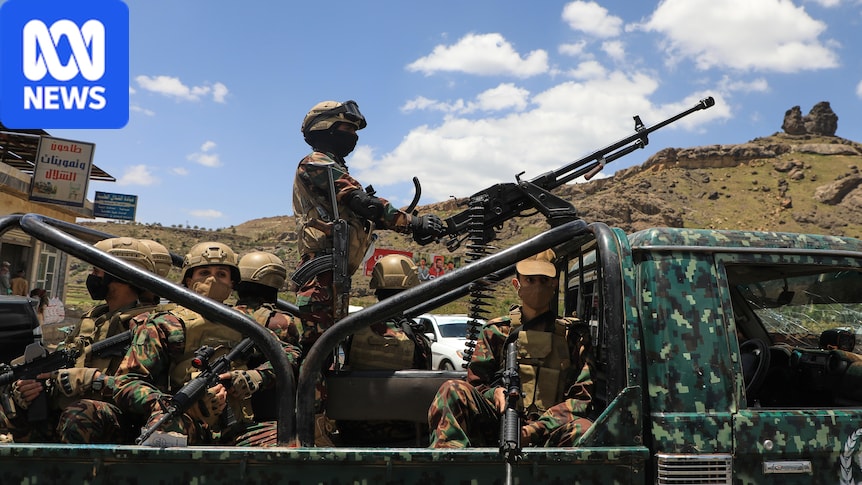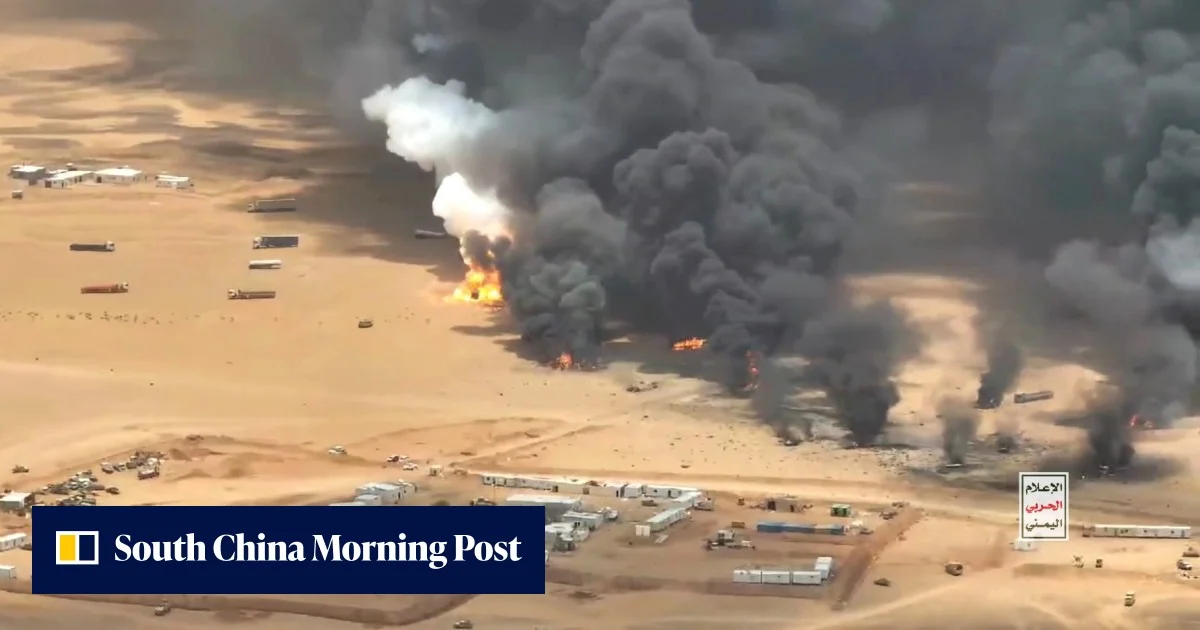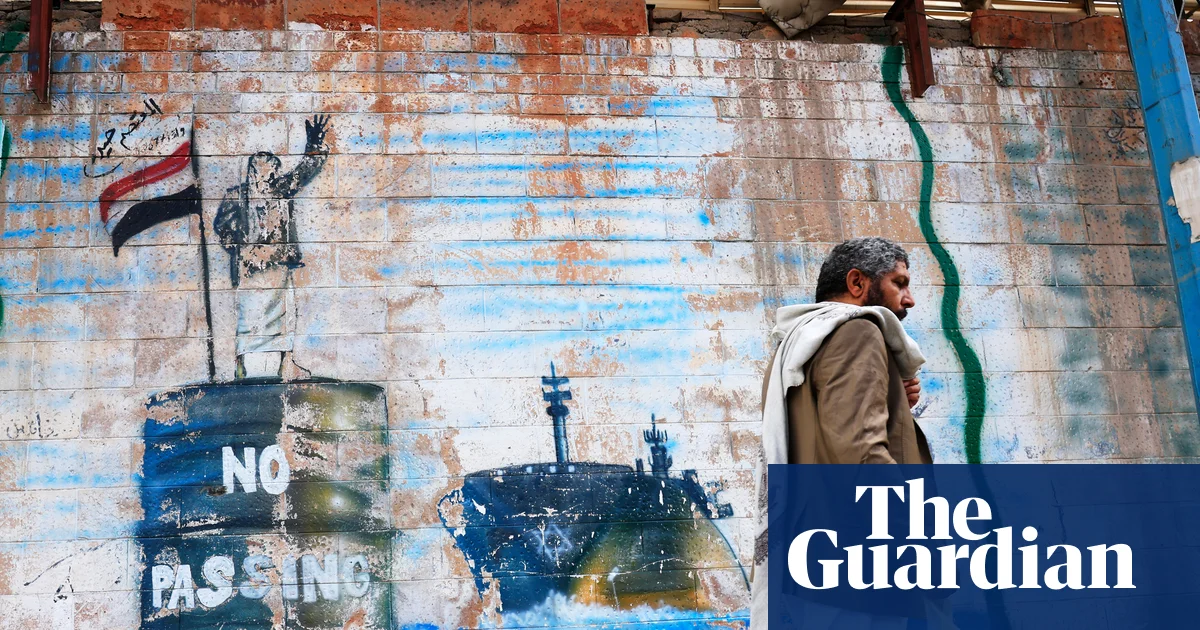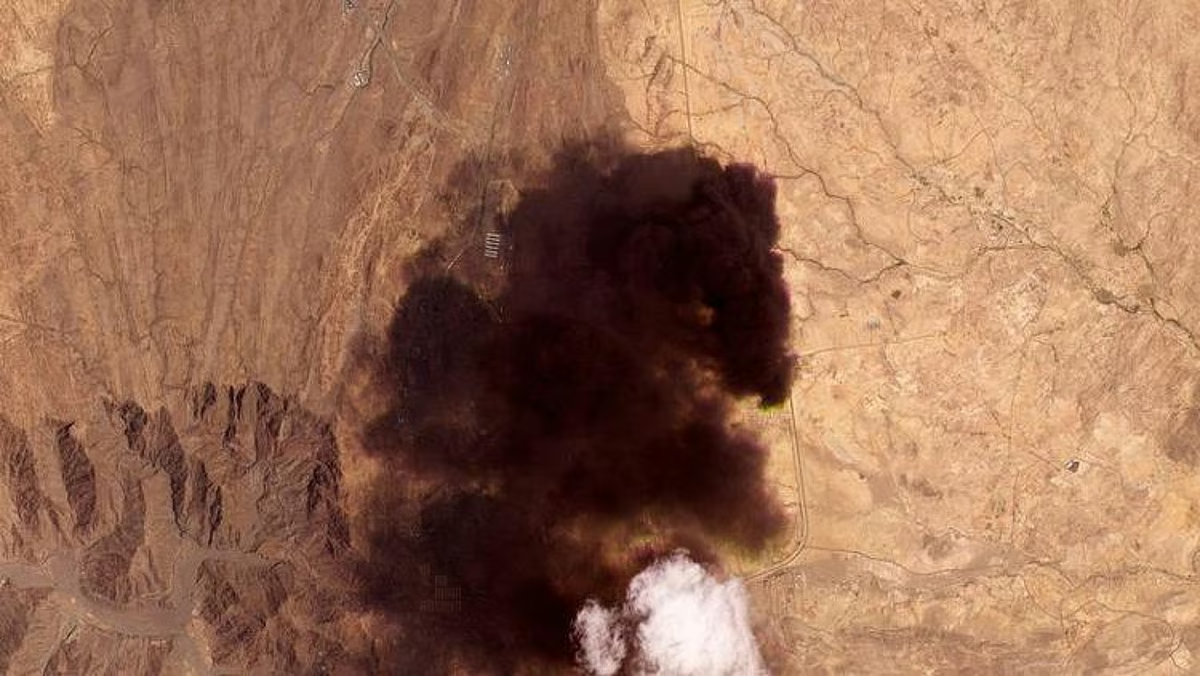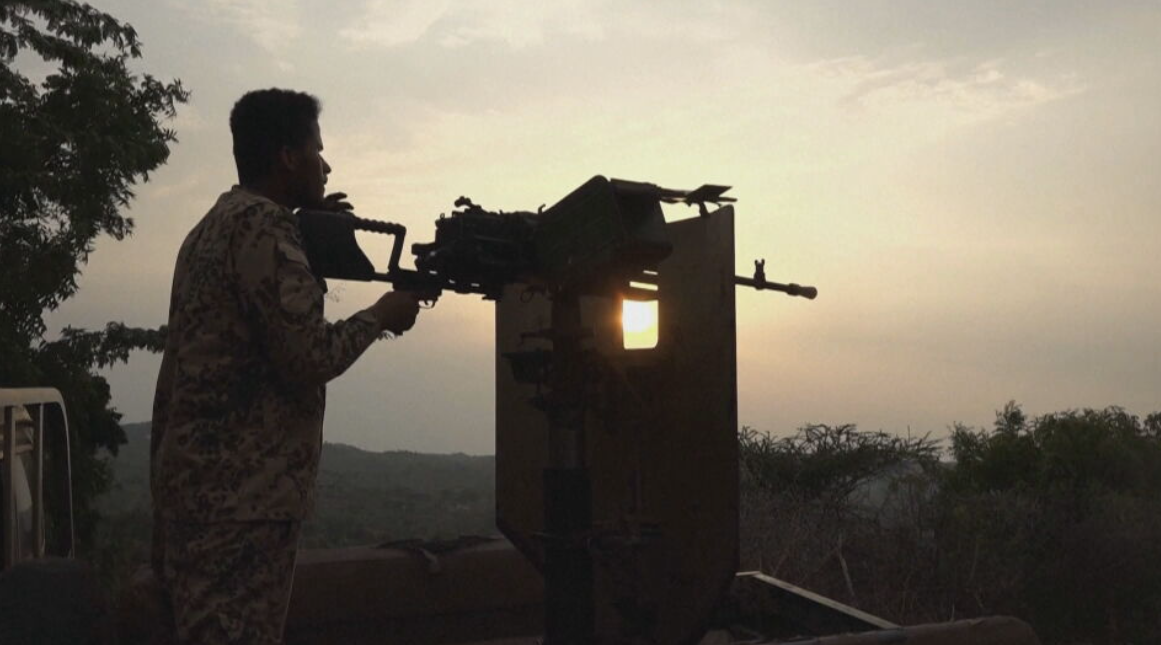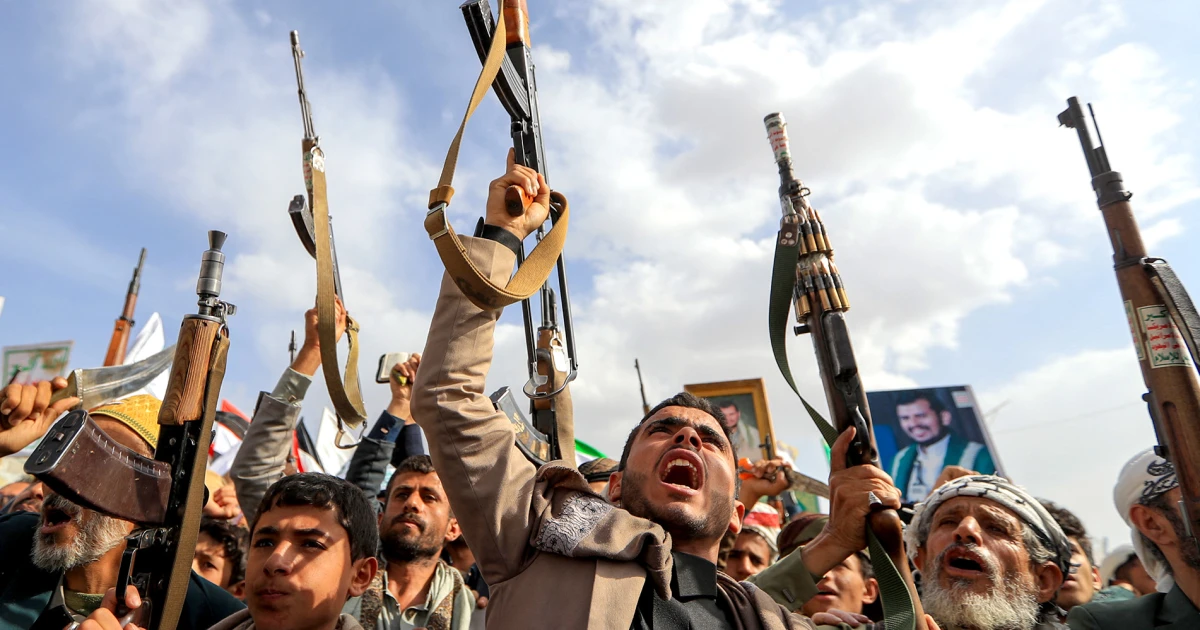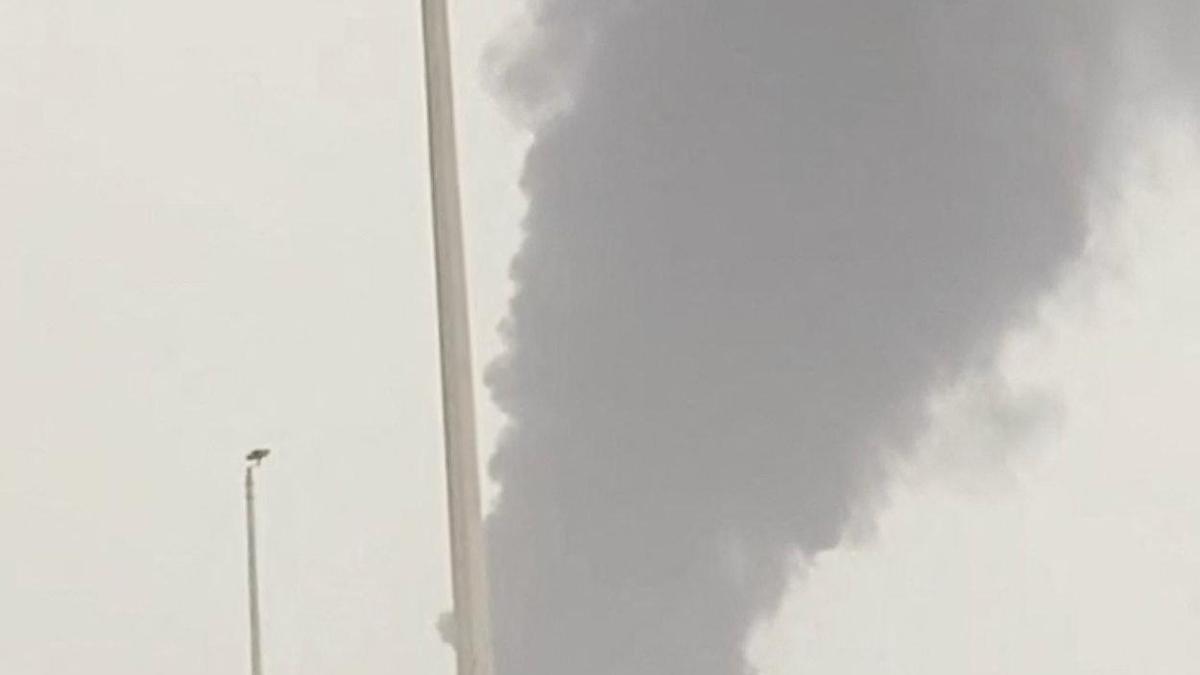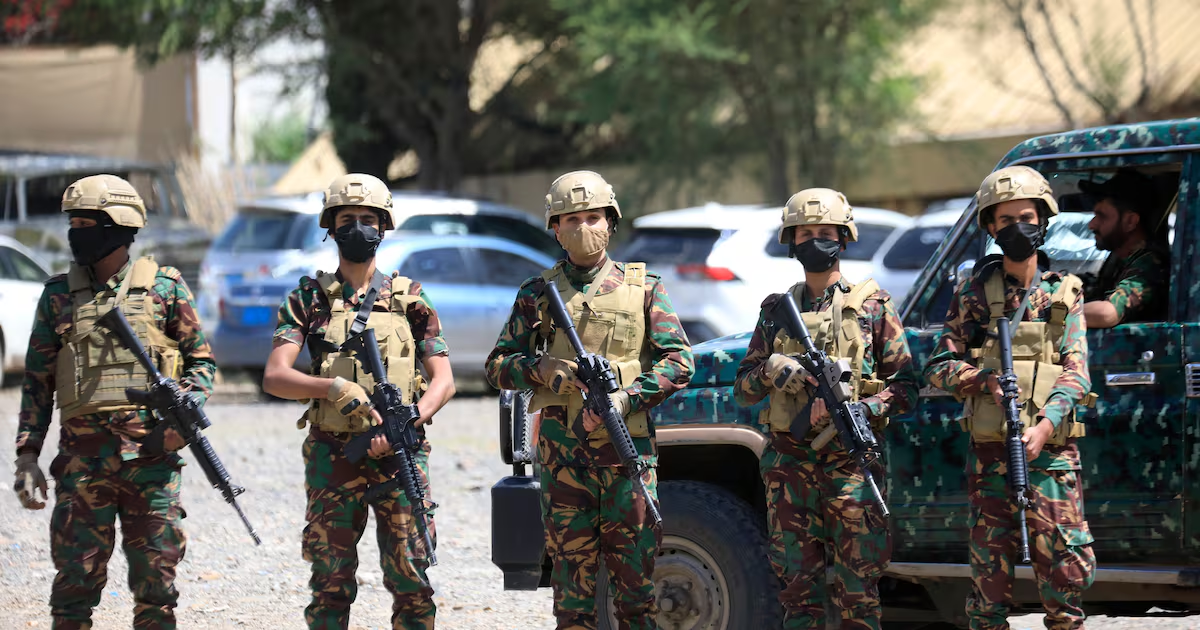
The Houthi rebels in Yemen on Sunday said they had launched missiles and drones towards a Saudi military base near the border with the kingdom, as the Iran-backed militia pushes to expand its hold along the Red Sea coast.The latest attacks come as Saudi Arabia faces pressure from Iran-aligned groups on multiple fronts.US President Donald Trump said on Saturday that Iran was probably behind an attack on the kingdom's East-West oil pipeline, while saying the Houthis did not want a confrontation with the US. “Iran is probably responsible for the attack,” Mr Trump said. He added that he was confident the situation would be resolved, pointing to his relationship with Saudi Crown Prince Mohammed bin Salman. Asked about the Houthis, he said the rebels "don't want to fight with us".The Saudi Civil Defence said late on Saturday that a Houthi projectile struck Al Tuwal governorate in Jazan, wounding two people and damaging a mosque, several buildings and vehicles. It condemned assaults on civilian infrastructure as a “flagrant violation of international humanitarian law”.Play00:31Houthi projectile strikes Saudi Arabia’s Jazan regionHouthi military spokesman Yahya Saree said the rebels hit weapons depots and command-and-control centres at a base in Sharurah, also near the border. Saudi authorities did not immediately comment on the claim.The attacks come after the Houthis seized the strategic Red Sea port of Mokha on Thursday following days of fighting with Saudi-backed government forces.Houthi rebels have since advanced beyond Mokha. On Friday, the group seized Dhubab, the last major town on Yemen’s western coast, and took control of Perim Island, also known as Mayun, in the middle of the Bab Al Mandeb strait. The Houthis also captured the island of Zuqar, according to Yemeni officials cited by The National.The gains give the Houthis control of Yemen’s entire Red Sea coastline and an increasingly dominant position around Bab Al Mandeb, the narrow waterway connecting the Red Sea with the Gulf of Aden. Perim divides the strait into two shipping channels and provides whoever controls it with a strategic position from which to monitor vessels entering and leaving the Red Sea.Shipping impactThe Houthis said maritime traffic remained safe but reiterated that Saudi vessels would remain subject to the rebels’ restrictions. The group has maintained a ban on Saudi shipping since July and has claimed a series of attacks on Saudi tankers and oil infrastructure.The offensive is already affecting shipping. Data showed only 15 vessels crossed Bab Al Mandeb on Friday, down from 30 the previous day. Six ships exited the Red Sea and nine entered, carrying cargoes including crude, grains and steel.Saudi Arabia is increasingly dependent on the Red Sea as an alternative route for oil exports, with the Strait of Hormuz severely disrupted by the wider US-Iran conflict. Saudi Arabia is also facing pressure on an alternative oil route. The kingdom temporarily shut its East-West oil pipeline after a drone attack launched from Iraq, according to Saudi officials. The pipeline has become increasingly important for moving crude towards the Red Sea and reducing the kingdom’s dependence on the Strait of Hormuz.Iraq’s government said an investigation had determined that attacks targeting Saudi Arabia had been launched from a site in Maysan province. Prime Minister Ali Al Zaidi ordered an investigation into the military command responsible for the area and dismissed its commander. Saudi Arabia said it would give Baghdad an opportunity to take action rather than immediately respond.The Houthi advance is creating a new strategic challenge for the US, as Washington weighs how to protect freedom of navigation without becoming directly involved in another major campaign in Yemen. The US has been providing Saudi Arabia with intelligence support but has so far resisted direct military intervention against the Houthis, Reuters reported.Saudi-backed Yemeni forces, meanwhile, have attempted to strike back. The forces said Saturday that they had attacked Houthi vehicles and fighters near Mokha and along the Mokha-Dhubab road, while Houthi media reported Saudi strikes on Mokha airport.The rapid Houthi advance has also sparked a new displacement crisis. The UN migration agency estimated that about 46,000 people had been displaced by Friday, while subsequent reports put the number of civilians fleeing western Yemen at close to 50,000.Djibouti said late on Saturday that about 1,400 refugees had arrived in the East African country from Yemen within a 24-hour period. Economy and Finance Minister Ilyas Dawaleh shared a video on social media showing groups of people, including children, arriving by boat on a sandy shoreline.
Houthis claim responsibility for new attacks on Saudi Arabia in Red Sea offensive | The National
Hundreds of refugees, including children, flee Yemen on boats for neighbouring Djibouti
738 words~3 min read