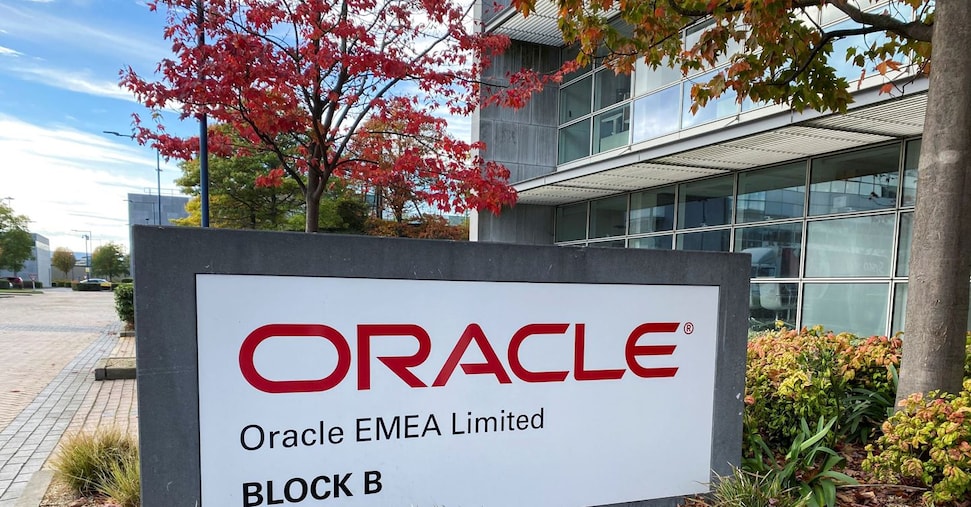
Larry Ellison had a plan to sell a lot of Oracle stock. Then he didn’t. The Oracle executive chair and CTO canceled a Rule 10b5-1 trading plan that would have allowed him to offload up to 50 million shares, worth roughly $7.5 billion at recent market prices of around $150 per share.
The cancellation came just one day after the plan’s existence became public knowledge, making it one of the fastest reversals of an insider trading arrangement in recent memory.
What happened and why it matters
Ellison had originally set up the trading plan on June 22, 2026, with an expiration date of October 24, 2026. At the time of adoption, those 50 million shares were valued at closer to $8.75 billion, so the subsequent dip in Oracle’s stock price had already trimmed the plan’s headline number before Ellison pulled the plug entirely.
A Rule 10b5-1 plan is the mechanism corporate insiders use to sell stock on a pre-scheduled basis without running afoul of insider trading rules. Think of it as setting up automatic instructions with a broker: the executive agrees in advance to sell X shares at Y price on Z date, then steps away from the decision. The plan executes regardless of what the insider knows later.