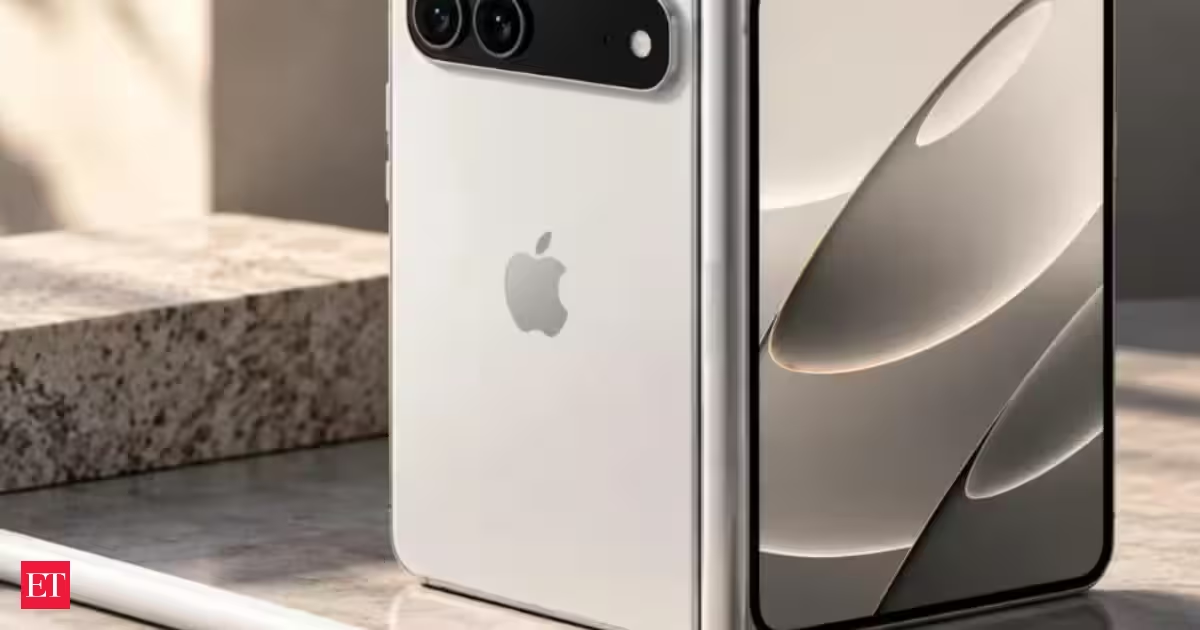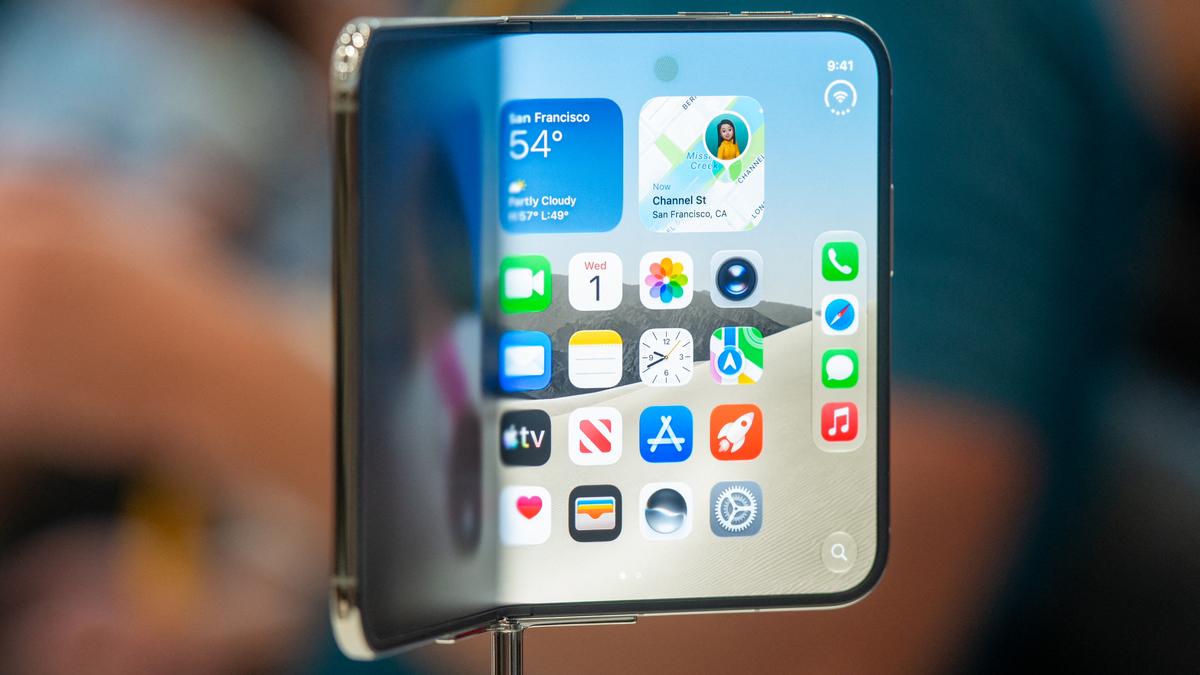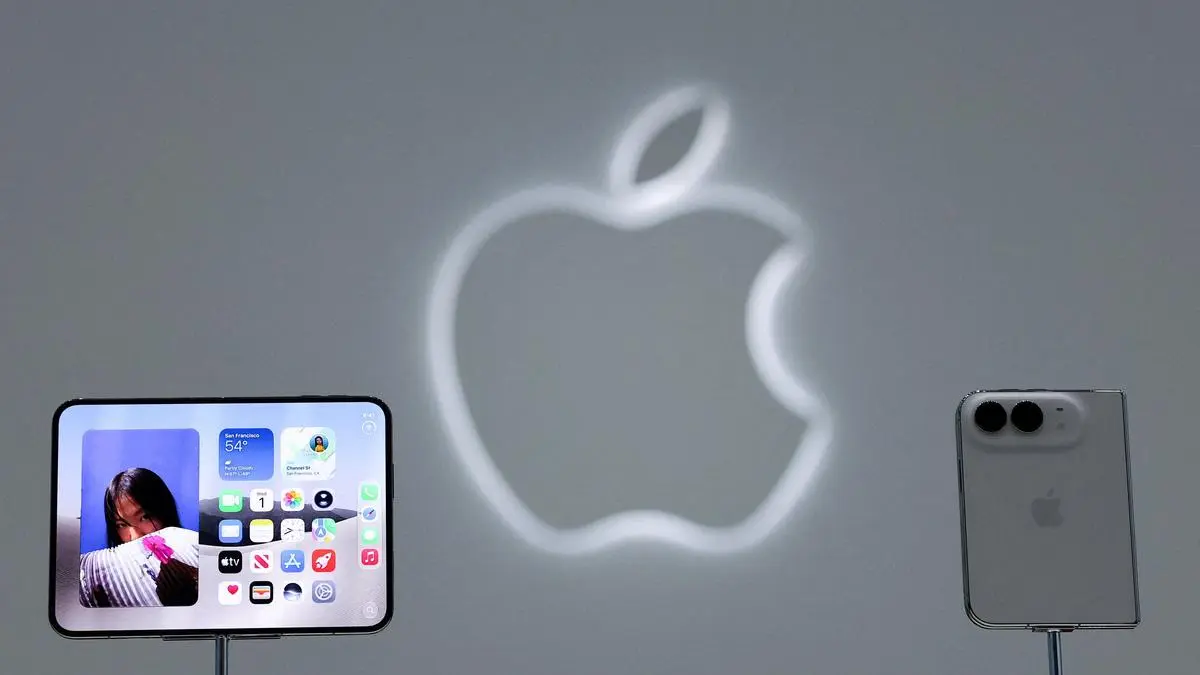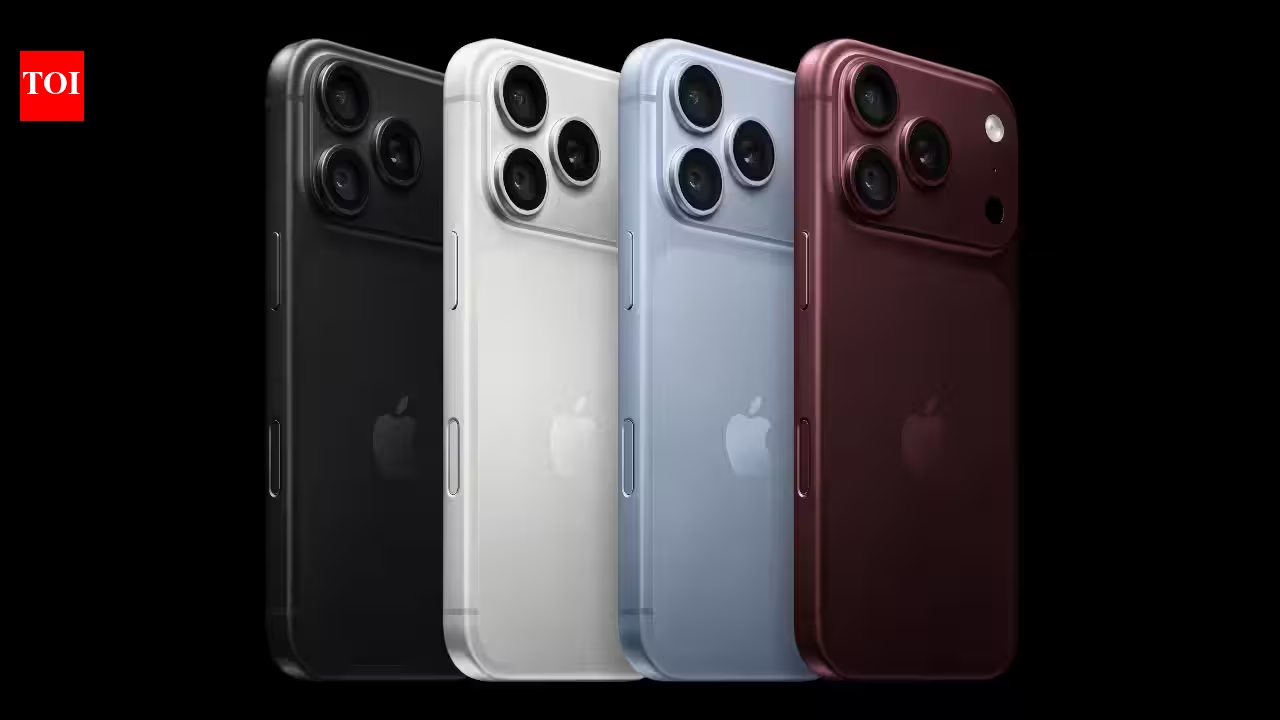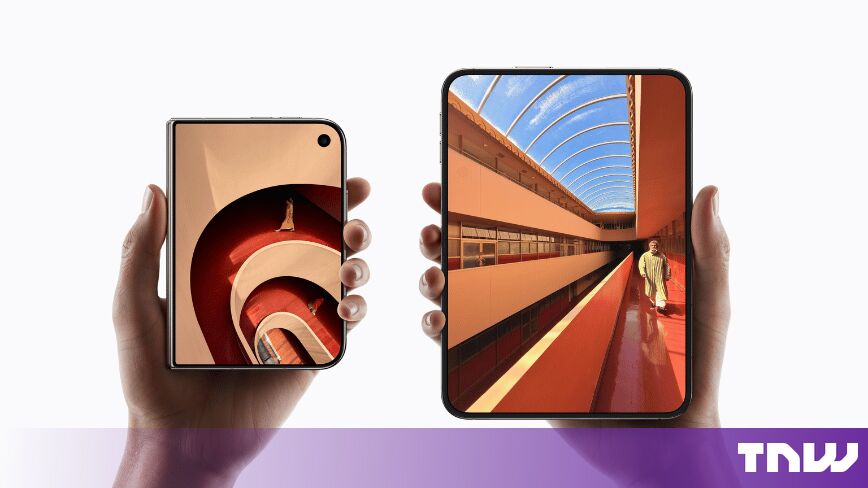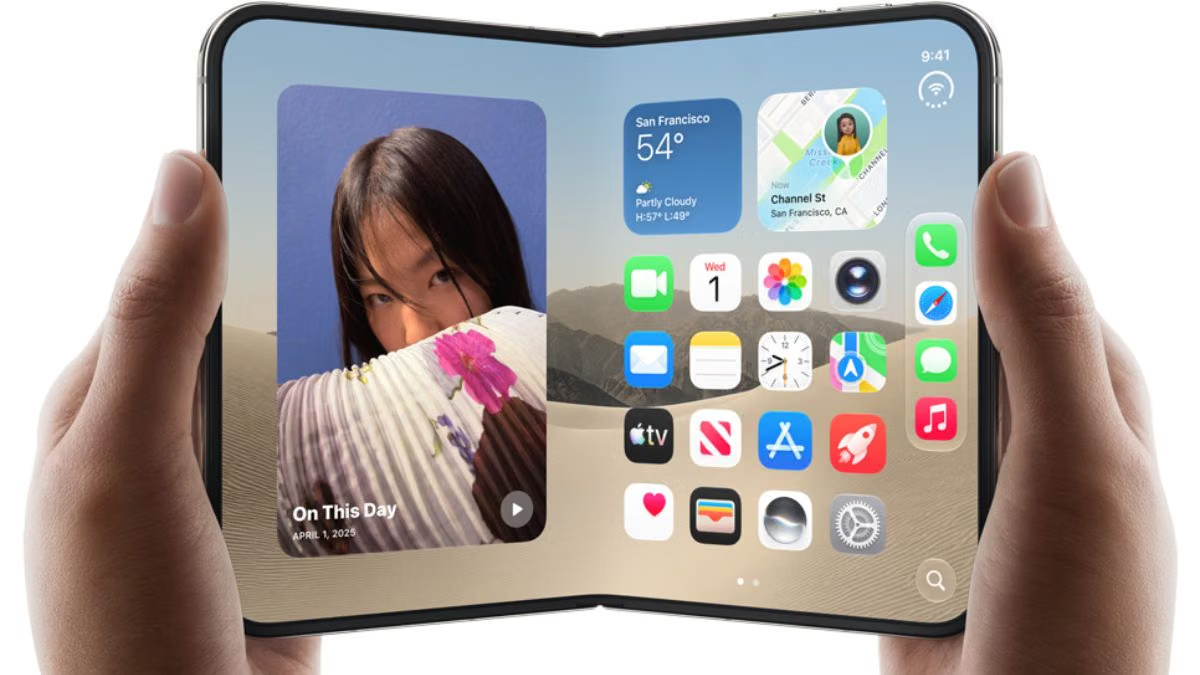
Apple has launched its next-generation iPhone, introducing the much-awaited foldable edition—the iPhone Duo. Then came the iPhone 18 Pro Max and Pro models, as backups. And it ended there. Apple decided to ditch its base models.
Most Indians were waiting for the last part, where Apple usually dropped its cheapest models. But this time, it didn’t, removing a thin, superficial cover that hid its truth—Apple means a separate class, a separate hierarchy which isn’t meant for everybody.The base model for the iPhone Duo has been pegged around Rs 3 lakh in India. The top model can cost you around Rs 4.5 lakh. Well, with this much money, you can complete the down payment for a premium hatchback car in India. In fact, the on-road price of the base model of Alto K10 is around Rs 4.3 lakh in New Delhi.
One can always say, the iPhone Duo ‘was never meant to cater for the middle class’ in Indian society. Fair enough. But the Pro and Pro Max models have also been priced between Rs 1.64 lakh and Rs 3.29 lakh. With an average salary of Rs 3.8 lakh a year in India, such phones will always be a distant dream. Nonetheless, the sheer price pain for smartphones continued when Apple took it a notch higher. It decided to increase the price of previous editions’ base models, flipping the traditional playbook completely upside down. They discontinued the long-standing practice of reducing the price of previous-generation models when new flagships arrive.This unprecedented move is colloquially referred to by industry watchers as the “RAMageddon effect,” where the cost of memory chips has shot up as a result of excessive demand by AI models and data centres. And this can become a good excuse for Apple to justify the price absurdity. But for customers, it’s stripping away equality. An equality which was once provided by Apple itself.