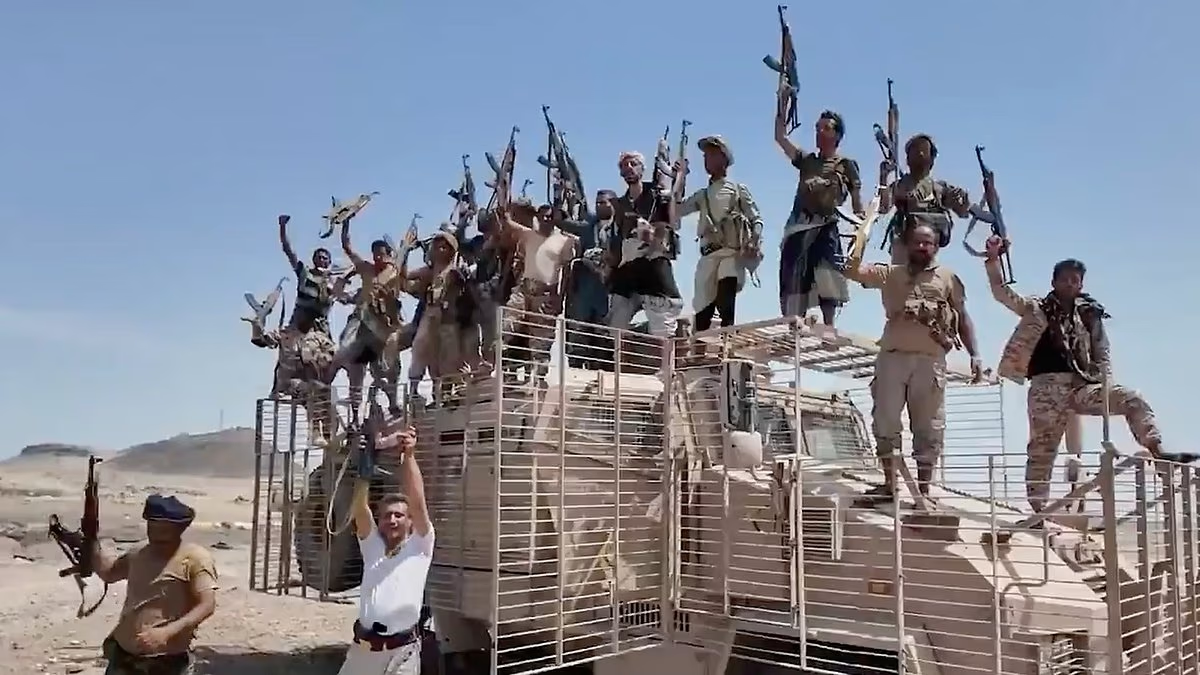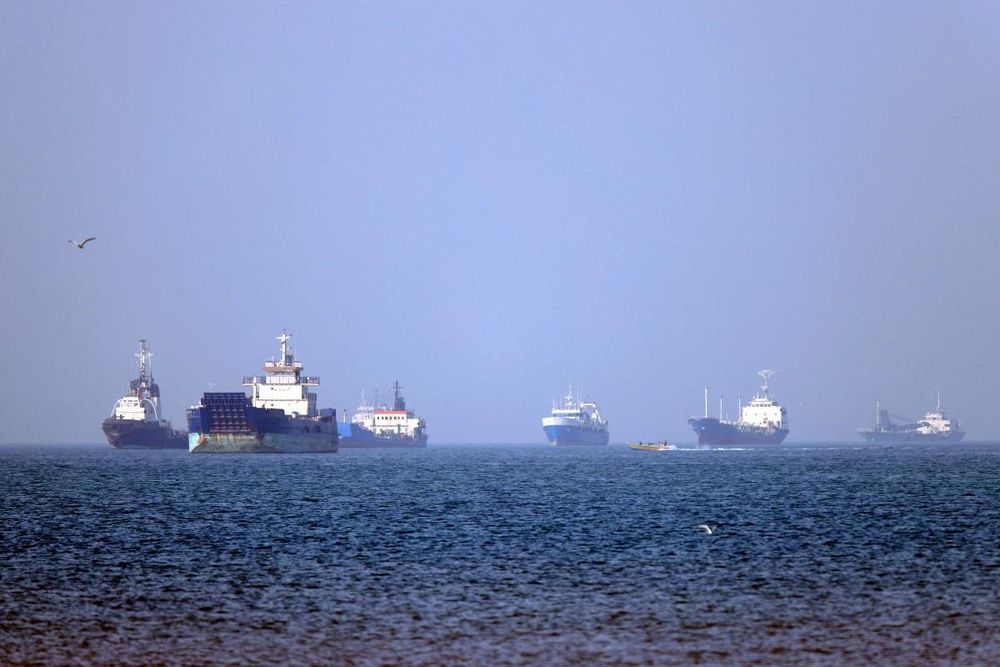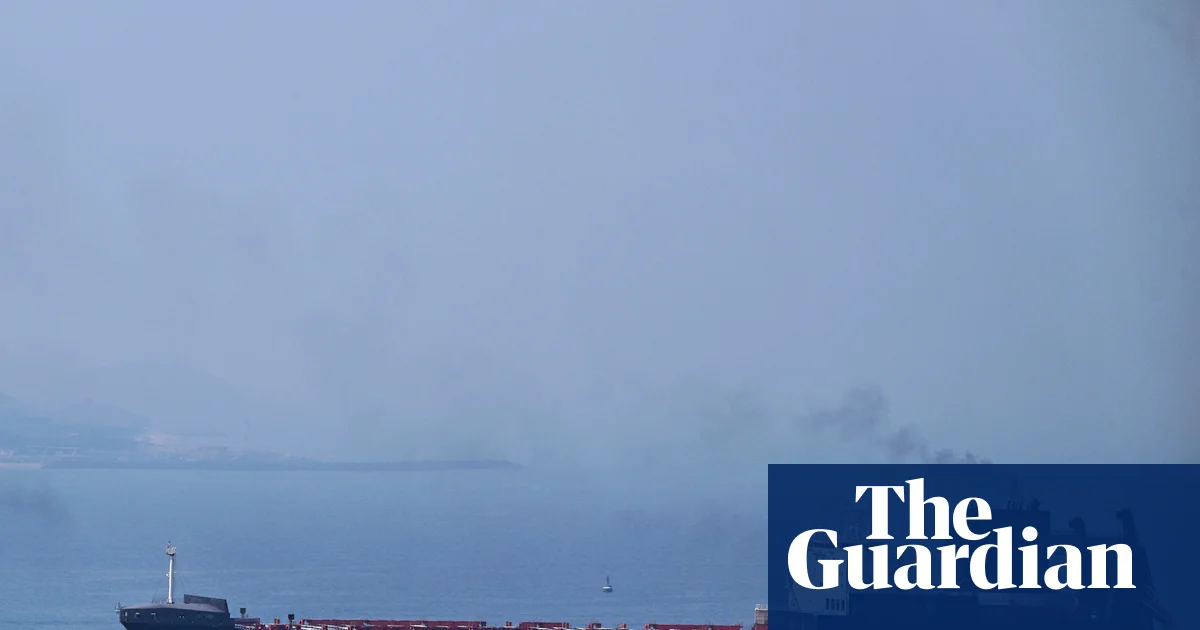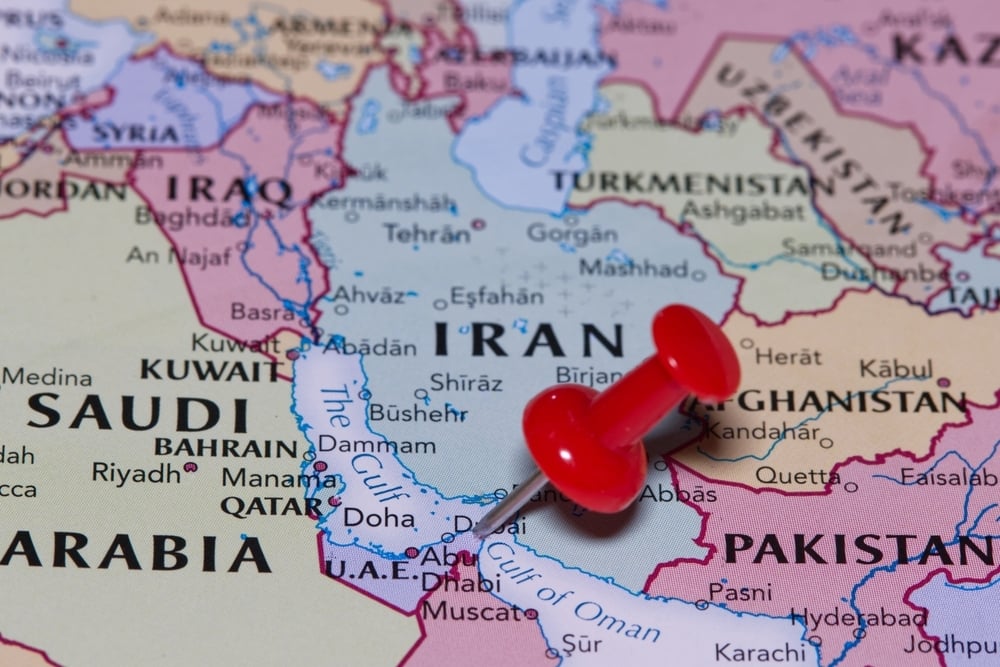
Fighting has intensified across the Middle East, with a key 7-million-barrel-a-day crude pipeline in Saudi Arabia temporarily closed and an Iranian-backed militia seizing territory in Yemen that allows it to disrupt a key shipping route.
The disruption to the East-West pipeline in Saudi Arabia, the world’s largest oil supplier, and the Yemen-based Houthis’ battlefield successes have kept oil prices above $100 a barrel. Analysts say this week’s developments could push prices toward $120, according to Capital Economics.
The oil price rally has investors braced for interest rate hikes by central banks worldwide. JP Morgan forecasts eight to nine developed economies could hike rates by year‑end. It said higher energy costs are adding to already‑elevated inflation pressures in those economies, including the United States, Japan and Australia.
The European Central Bank (ECB) on Thursday raised three key interest rates by 25 basis points, citing the conflict in the Middle East. It said the fighting is generating persistent inflation pressures that will keep price growth well above target for an extended period.
"Renewed disruption of energy supplies could cause energy prices to rise further and for longer than currently expected," Christine Lagarde, President of the ECB, said. "A worsening of global financial market sentiment or spillovers in global bond markets could tighten credit conditions and thereby dampen demand."