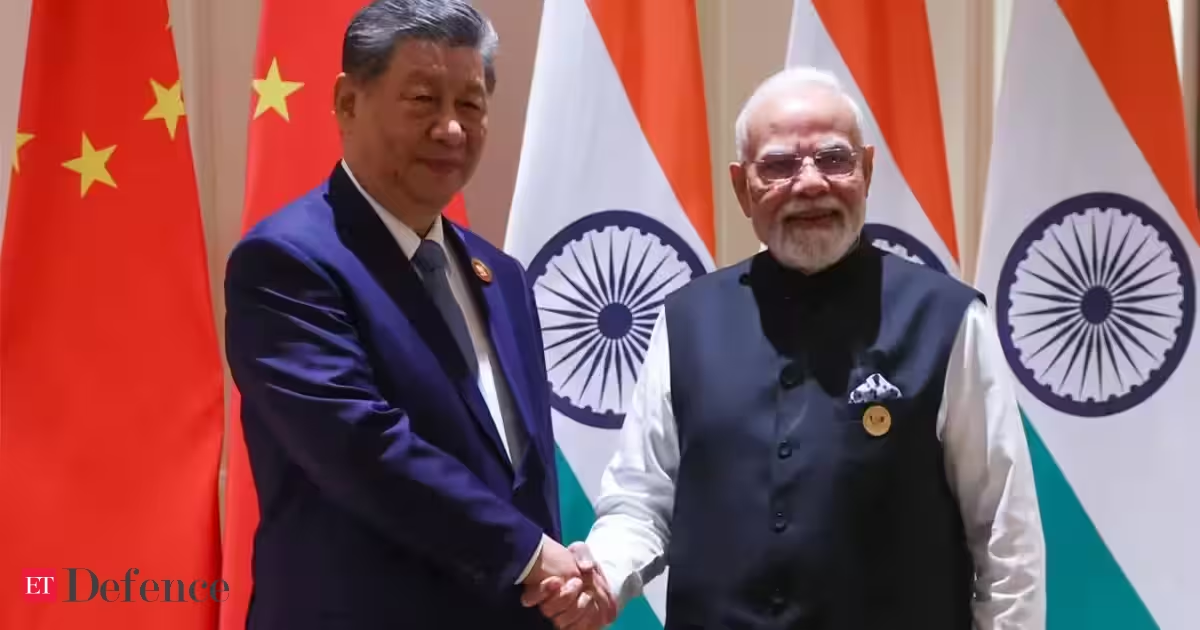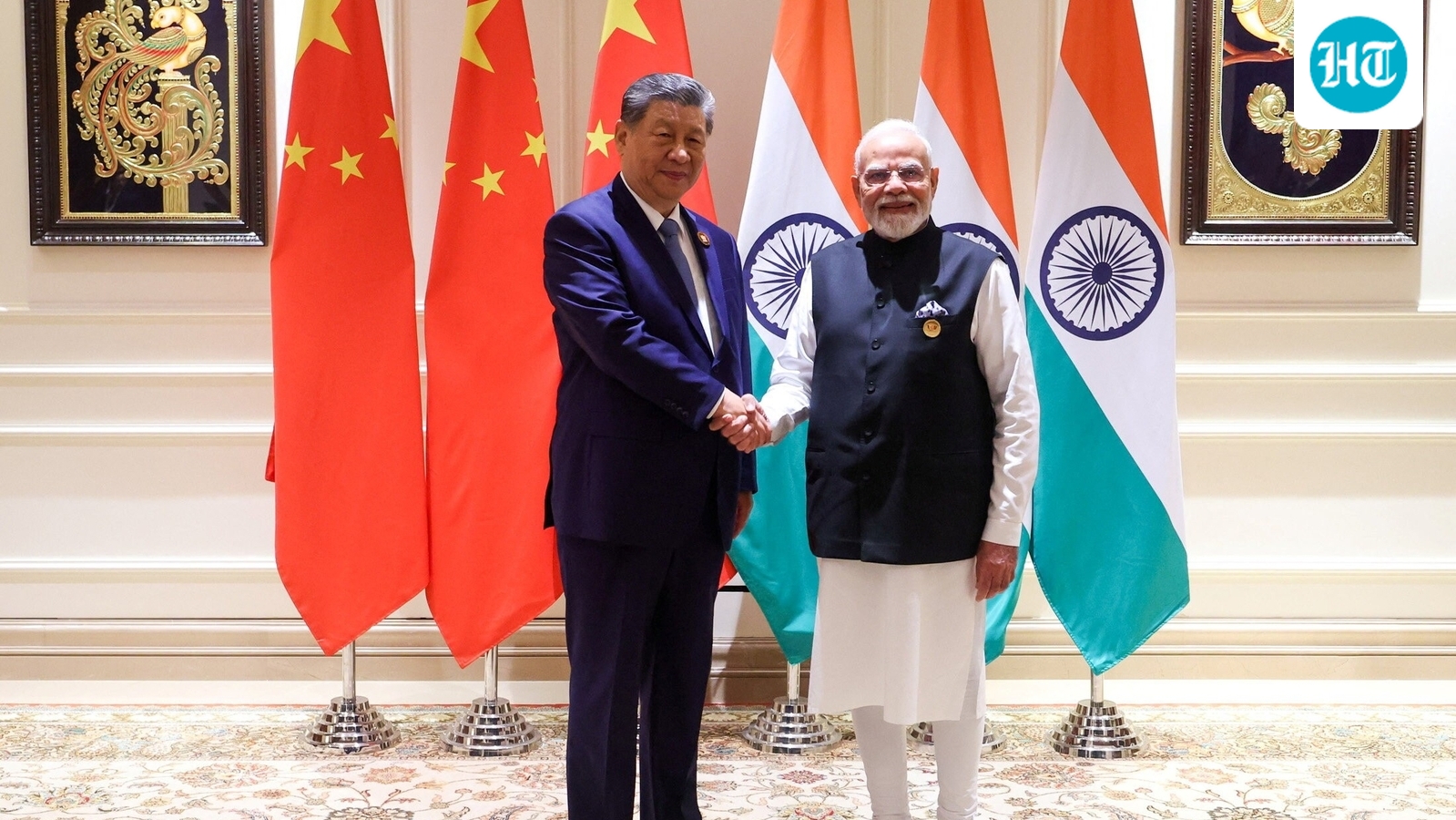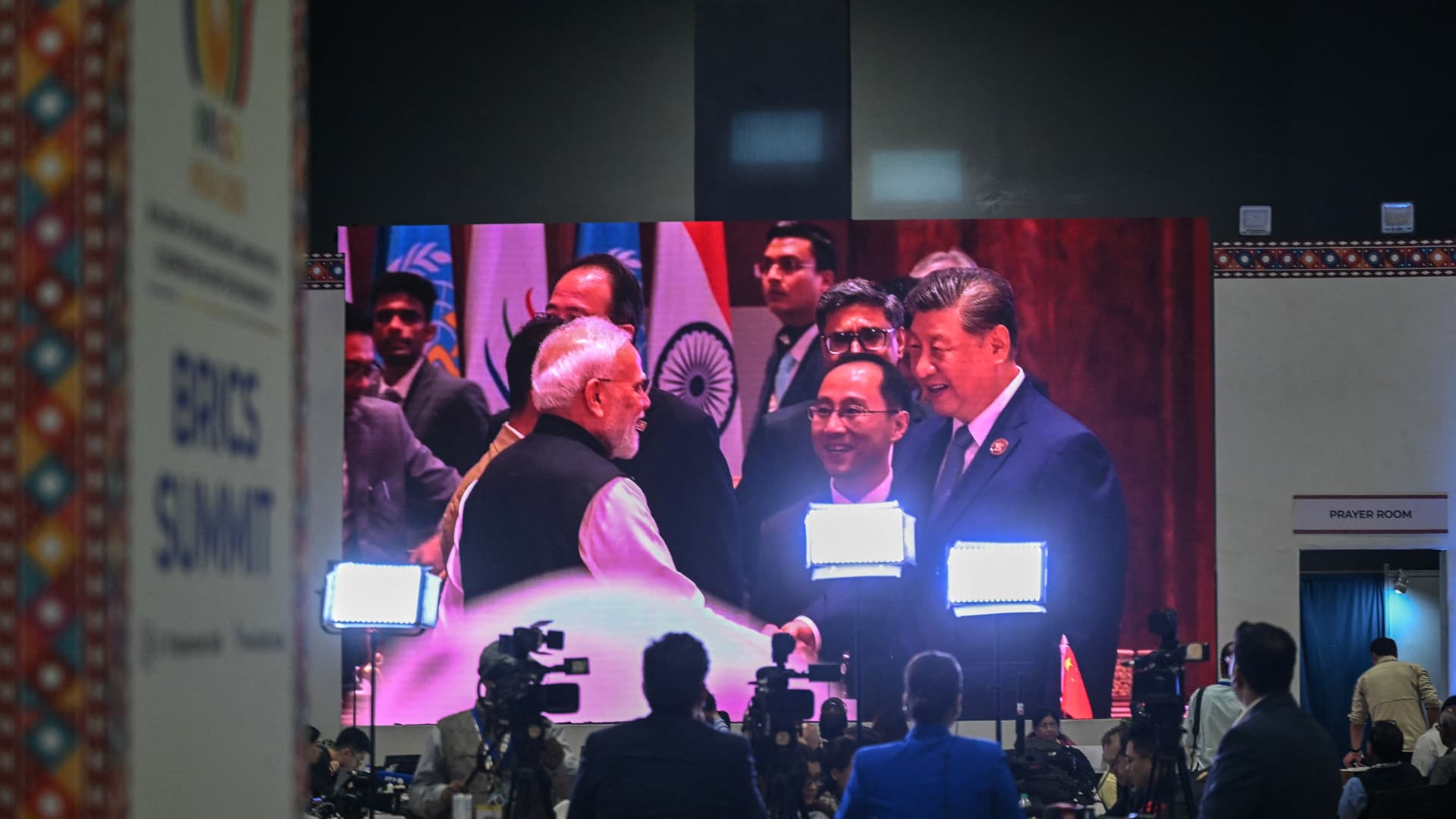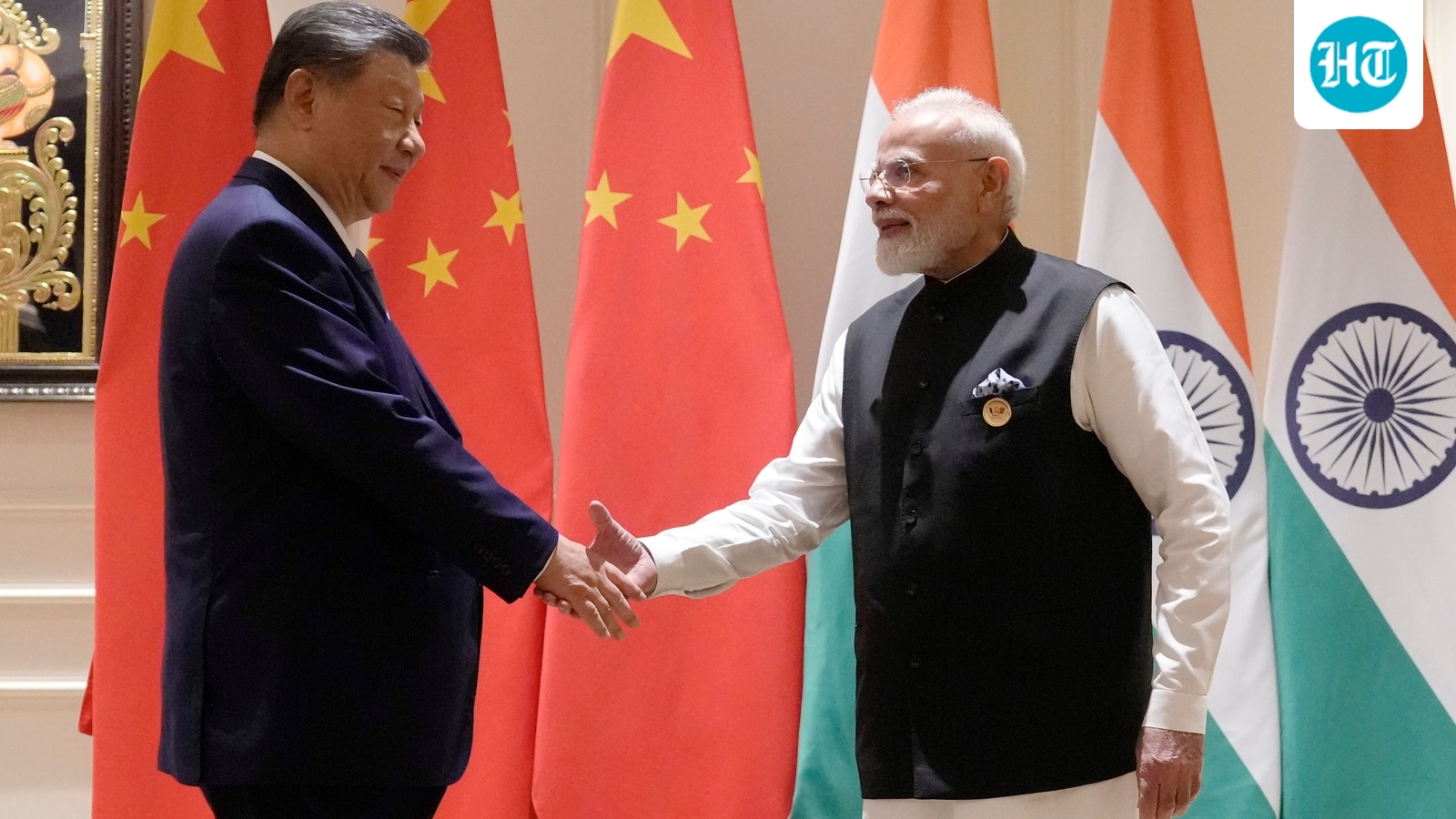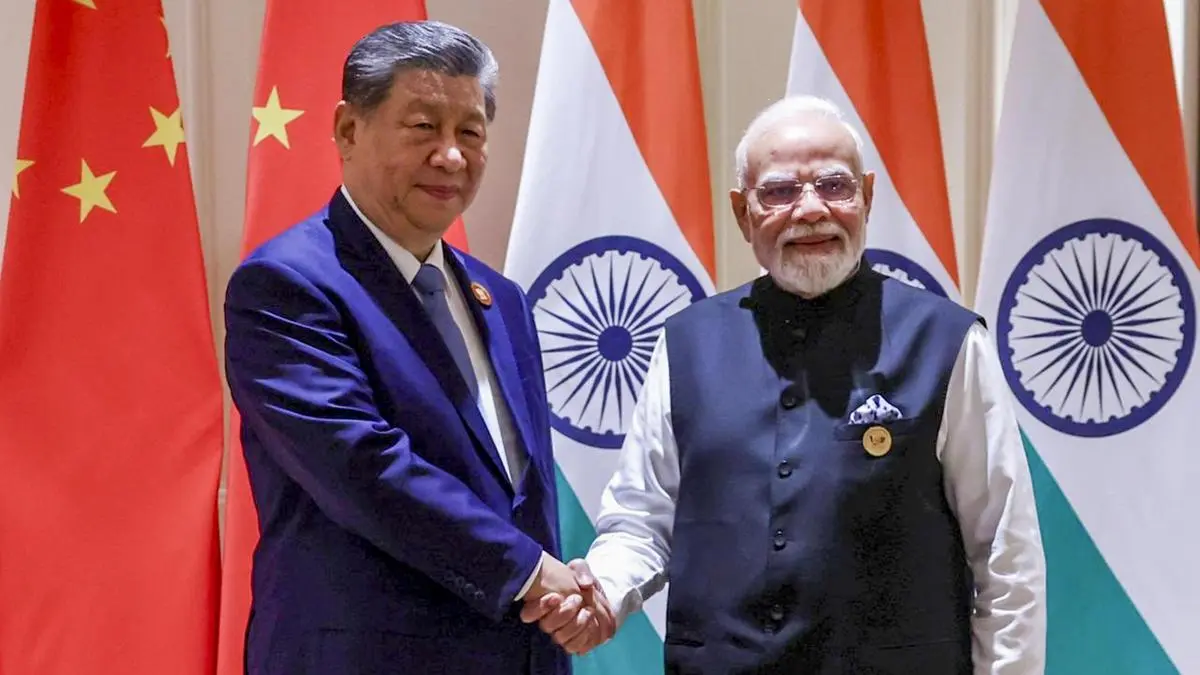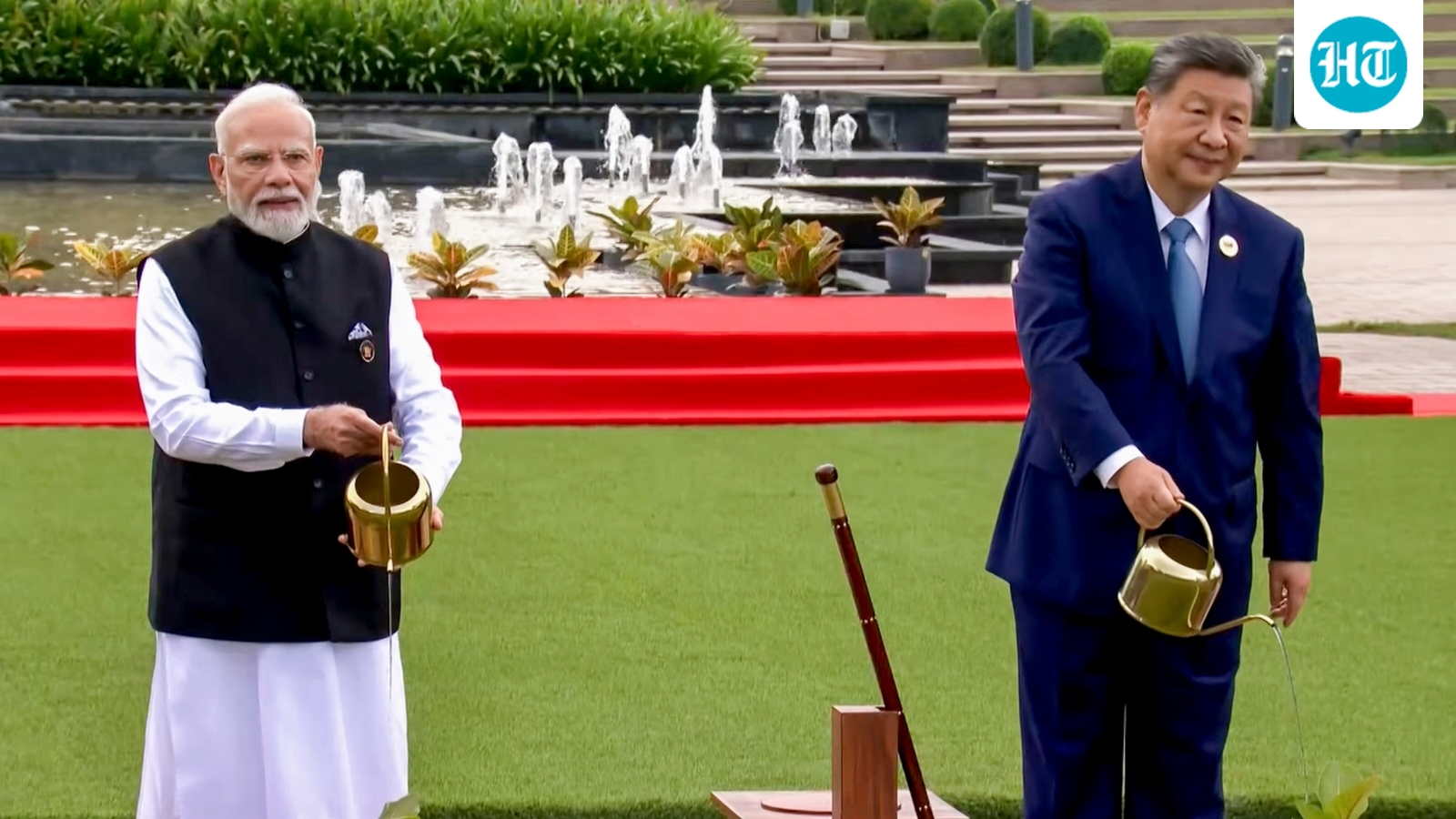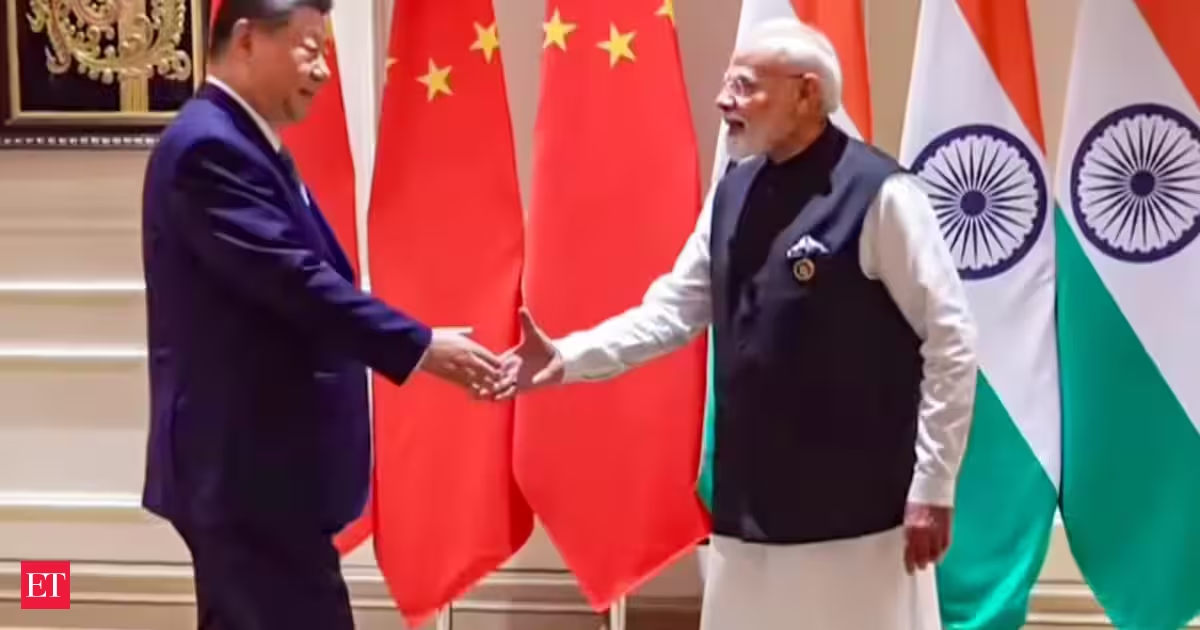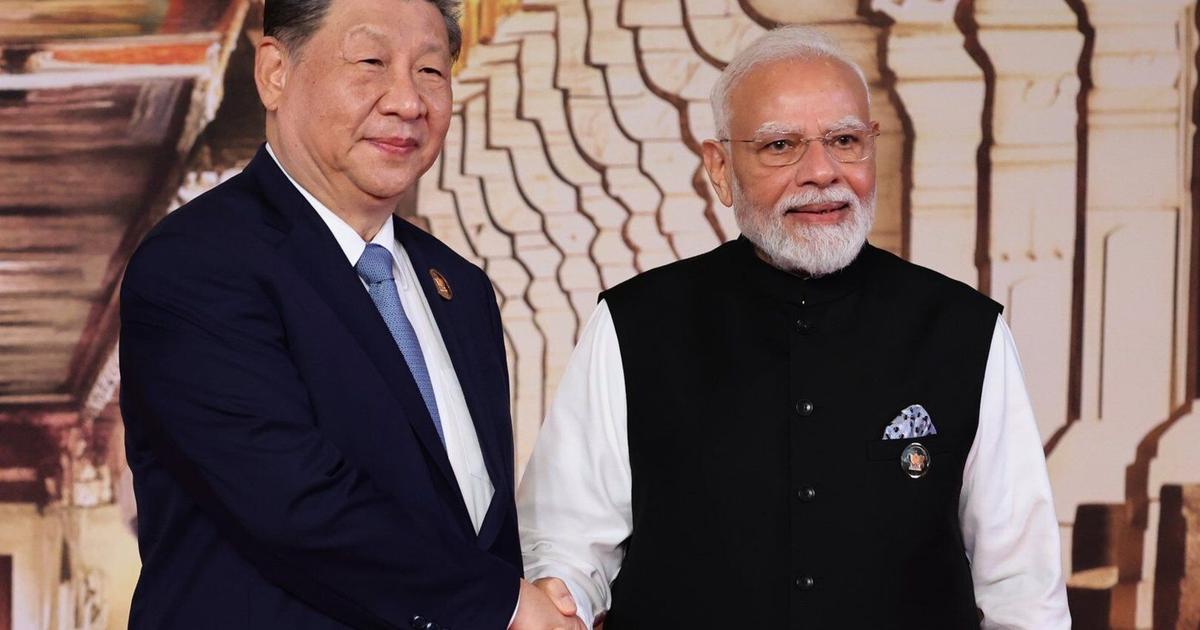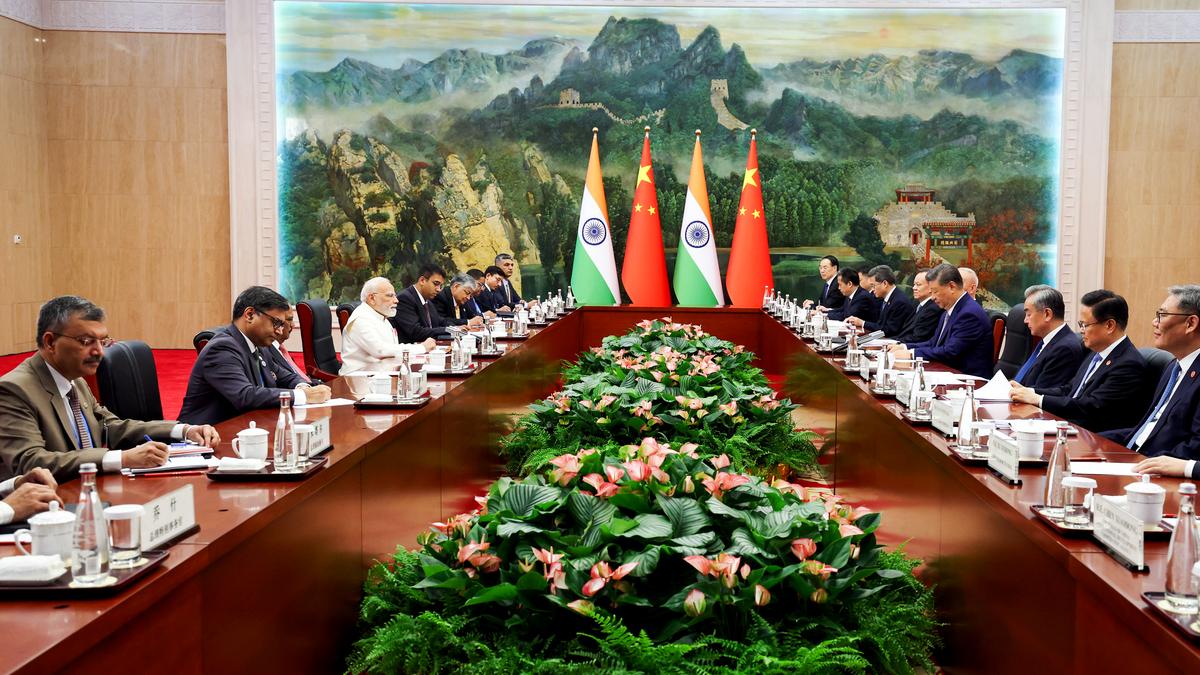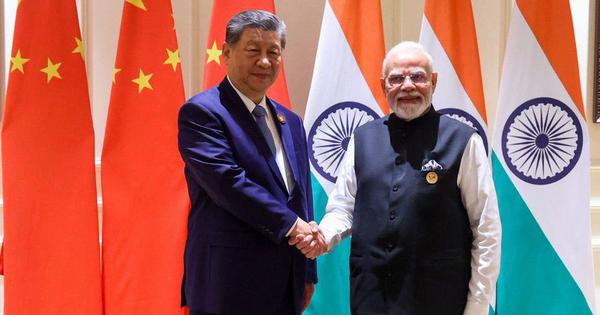
Prime Minister Narendra Modi on Saturday said that peace and tranquillity along the India-China border were essential to the continued development of bilateral ties during a meeting with Chinese President Xi Jinping.Xi is in India – for the first time in seven years – to attend the BRICS summit. This came amid a thaw since 2024 in India-China relations, following years of tensions over a military standoff in Ladakh.After their bilateral meeting, Modi and Xi welcomed the “steady progress in India-China bilateral relations” since their last meeting in Tiajin in August 2025, a statement released by the Ministry of External Affairs said.They also agreed that both countries should take a strategic and long-term perspective of their ties and that “differences should not become disputes”.Modi said the relationship should be guided by three “mutuals”: mutual respect, mutual sensitivity and mutual interest.The two leaders “expressed commitment to a fair, reasonable, and mutually acceptable resolution of the boundary question proceeding from the political perspective of their overall bilateral relations and the long-term interests of the two peoples”.Border tensions between India and China escalated in June 2020 when a violent face-off between Indian and Chinese soldiers took place in Ladakh’s Galwan Valley along the Line of Actual Control. It led to the deaths of 20 Indian soldiers. Beijing said that the clash left four of its soldiers dead.Following the military face-off, both countries deployed thousands of soldiers along with heavy artillery in the region. China and India held several rounds of military and diplomatic talks to resolve their border standoff.In October 2024, the two countries announced that they had reached a patrolling arrangement along the Line of Actual Control, “leading to the disengagement” of the two militaries in eastern Ladakh.The bilateral relations have seen a thaw since 2024.In July 2025, External Affairs Minister S Jaishankar said that relations between India and China were “steadily improving” and called for the continued normalisation of bilateral ties.Edited by Tanya Shrivastava.
Peace along India-China border essential to development of ties, Modi tells Xi
The two leaders ‘expressed commitment to a fair, reasonable, and mutually acceptable resolution of the boundary question’.
323 words~1 min read