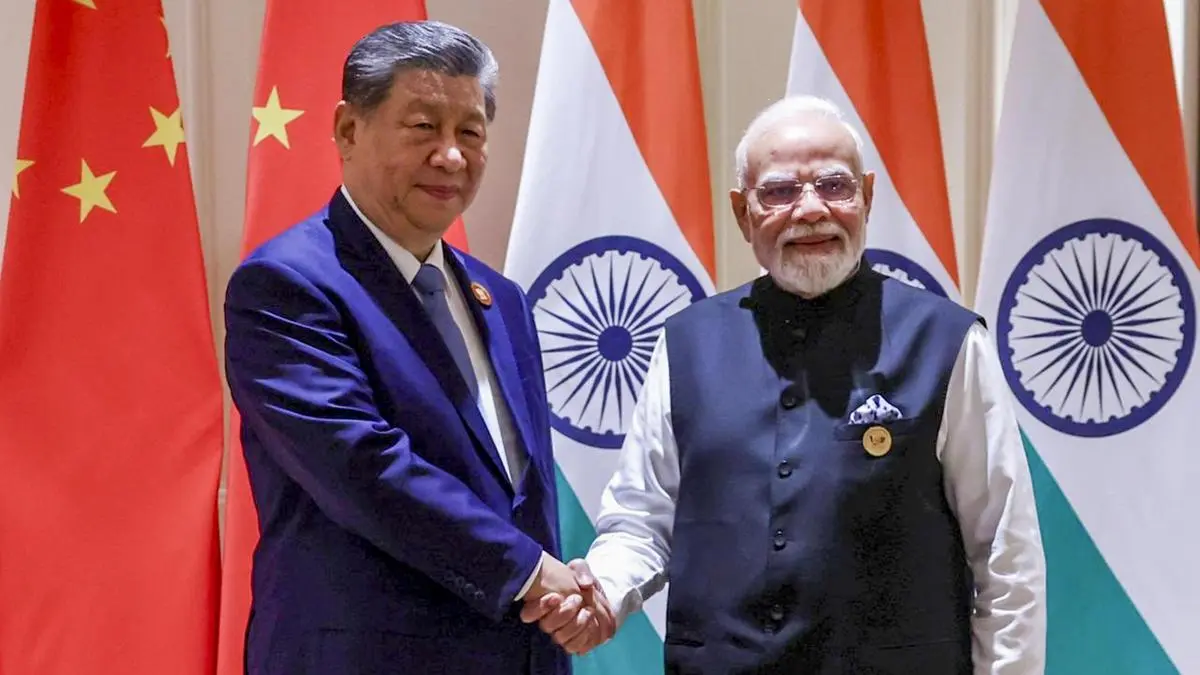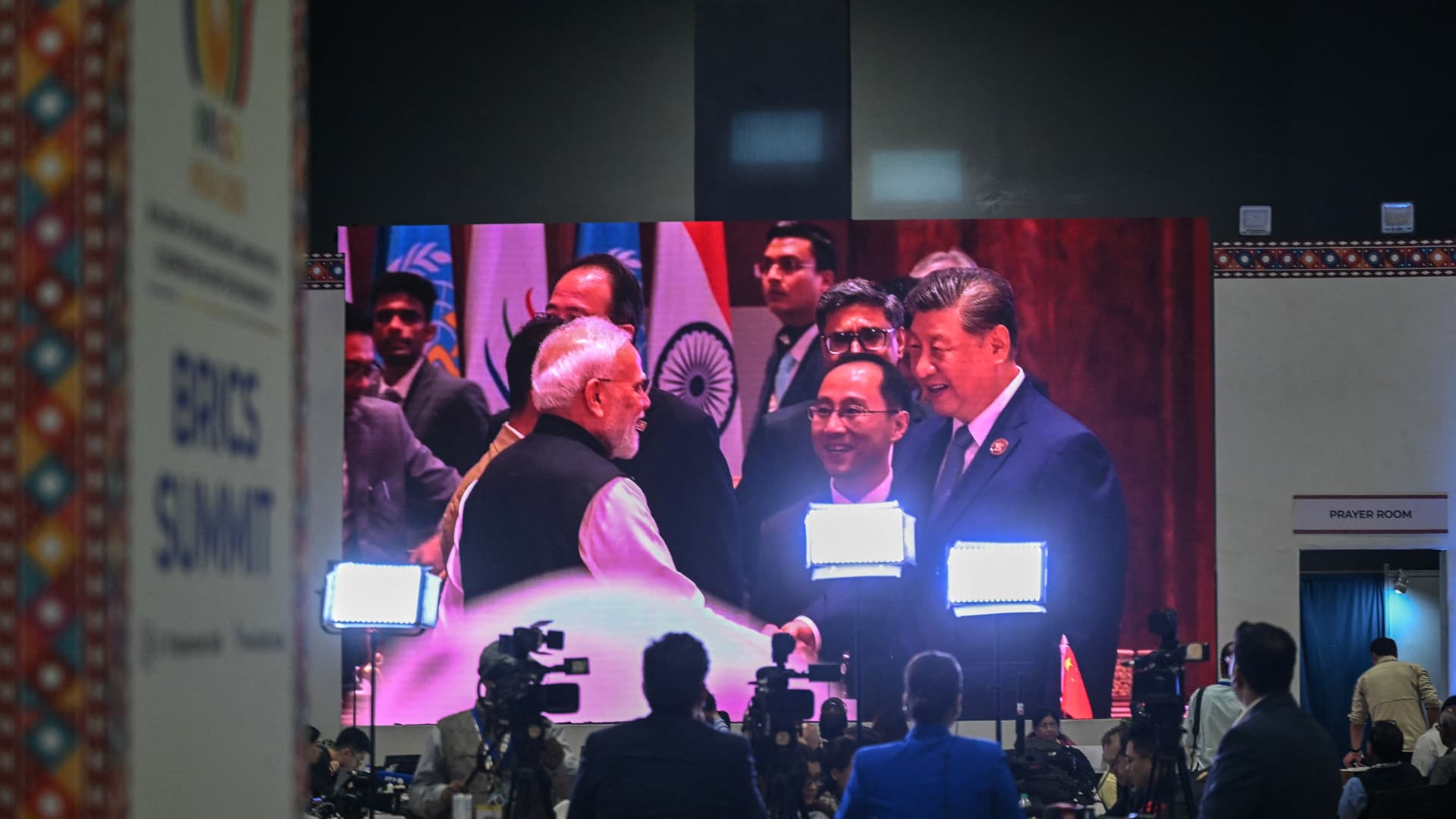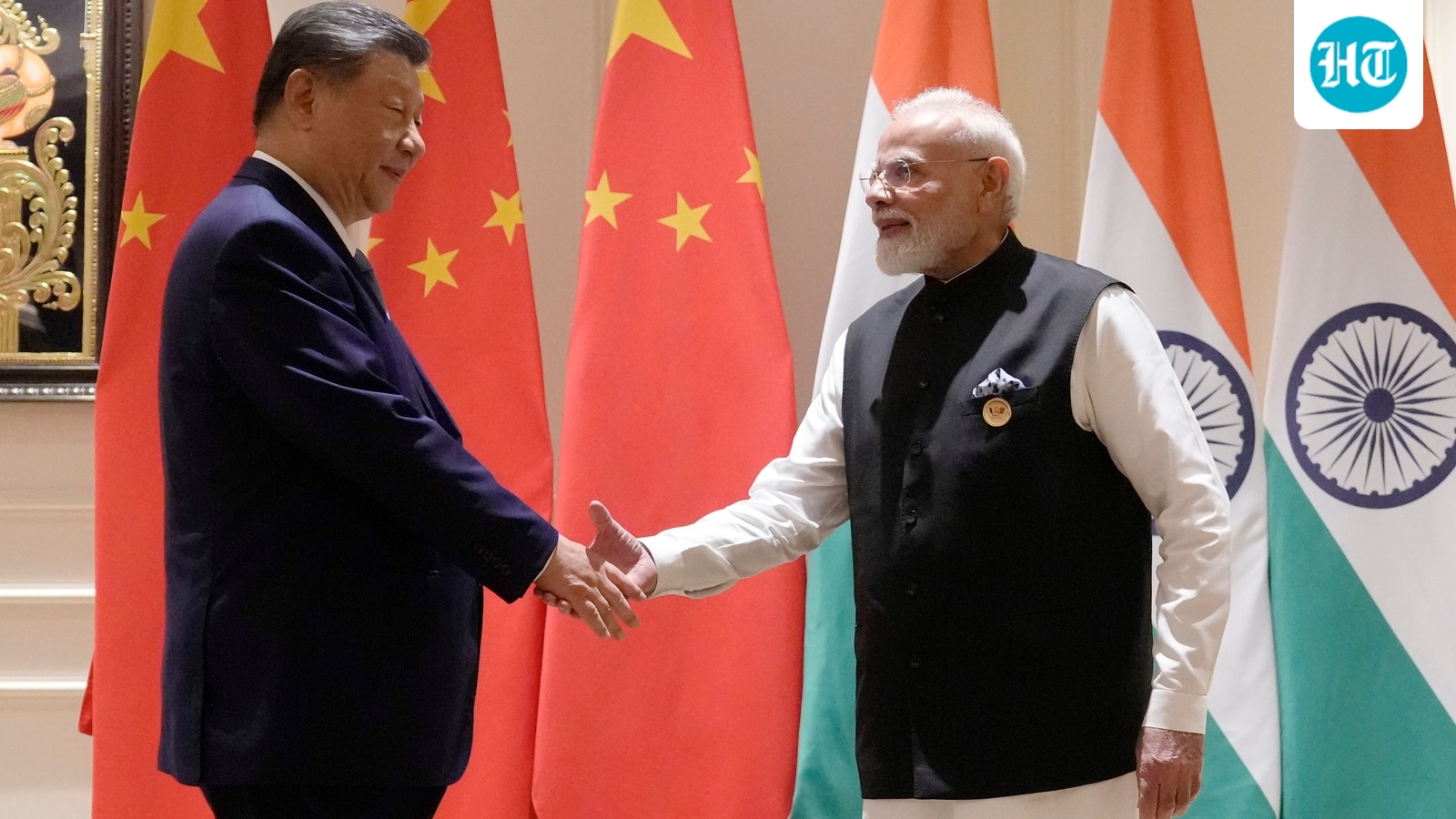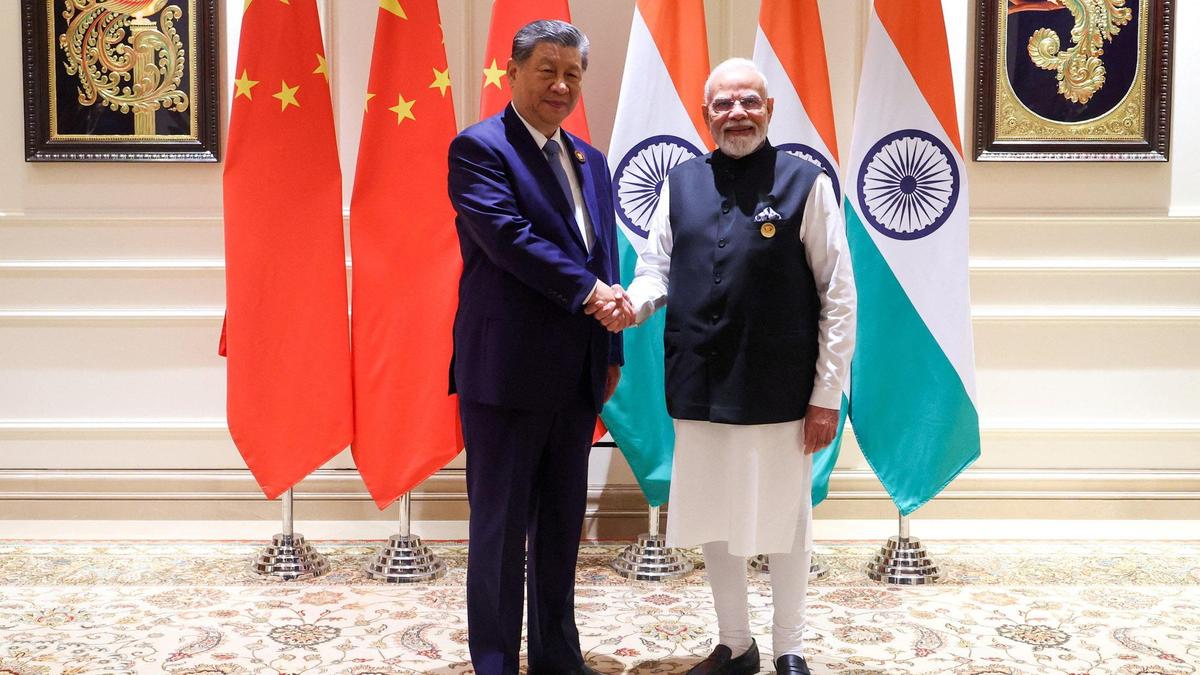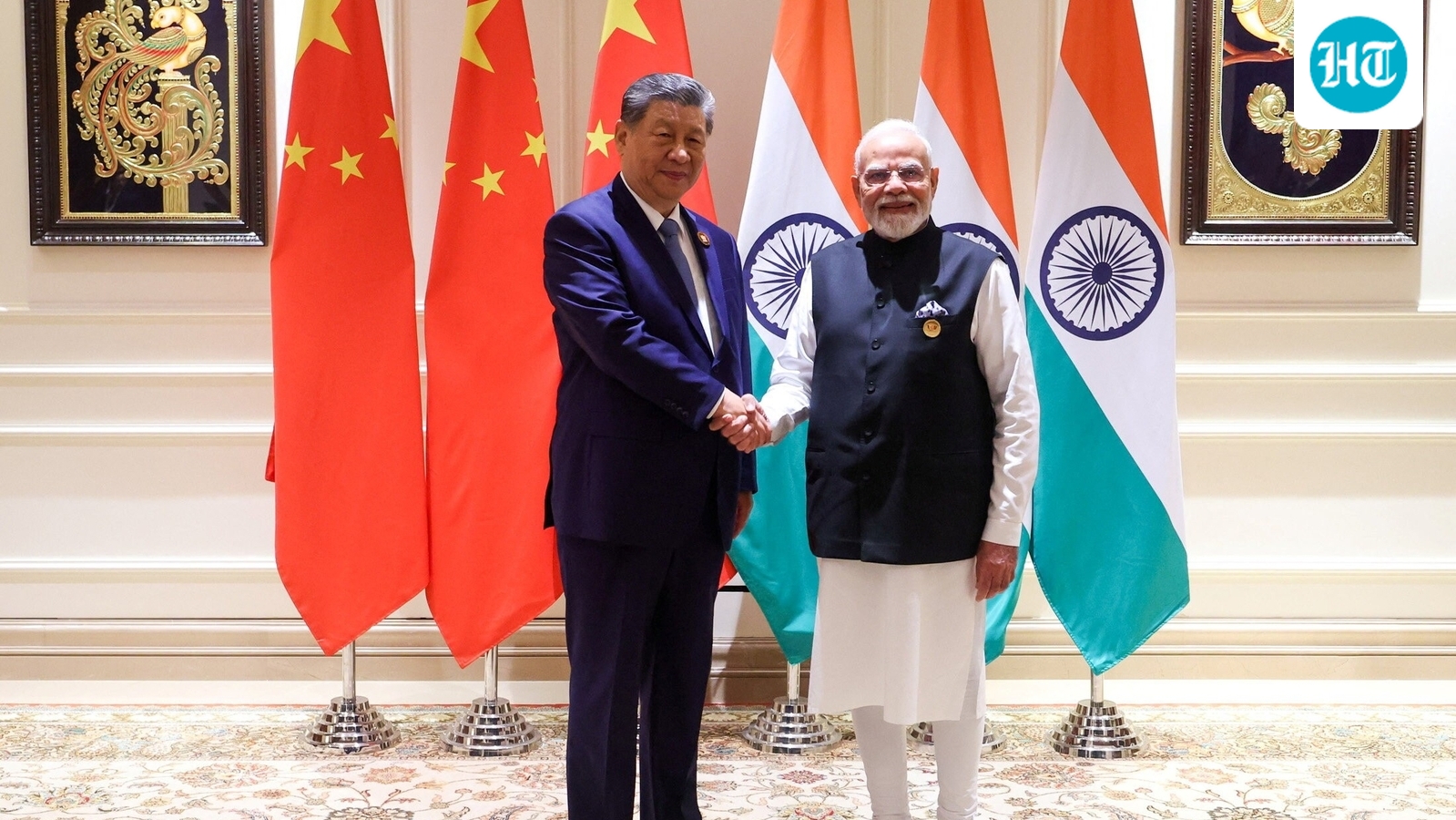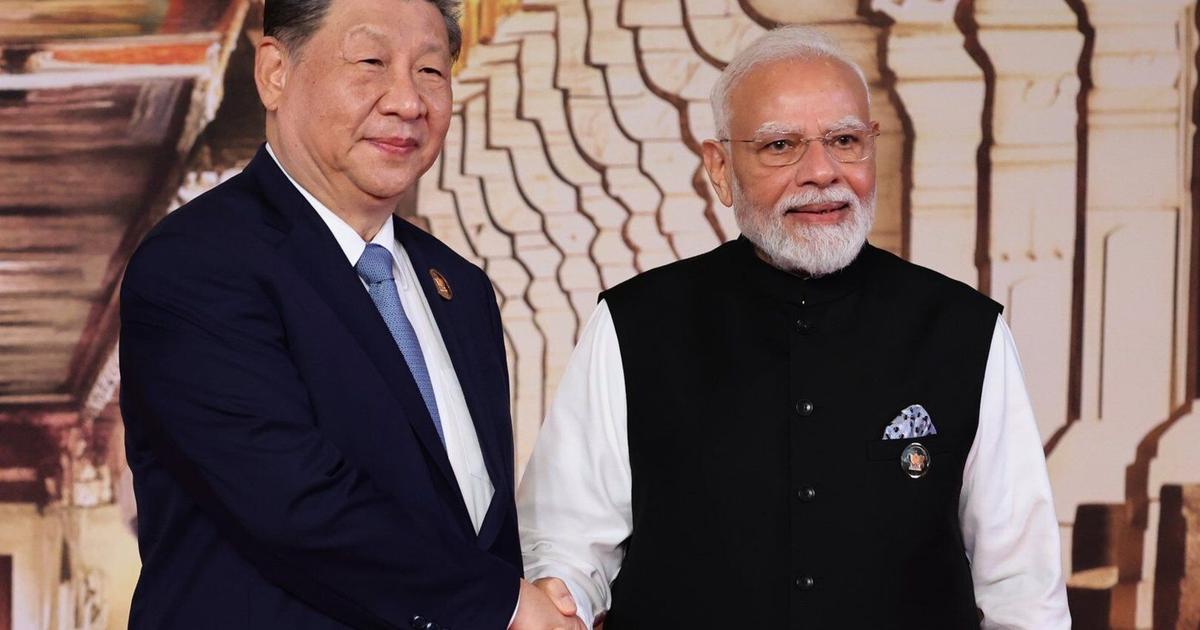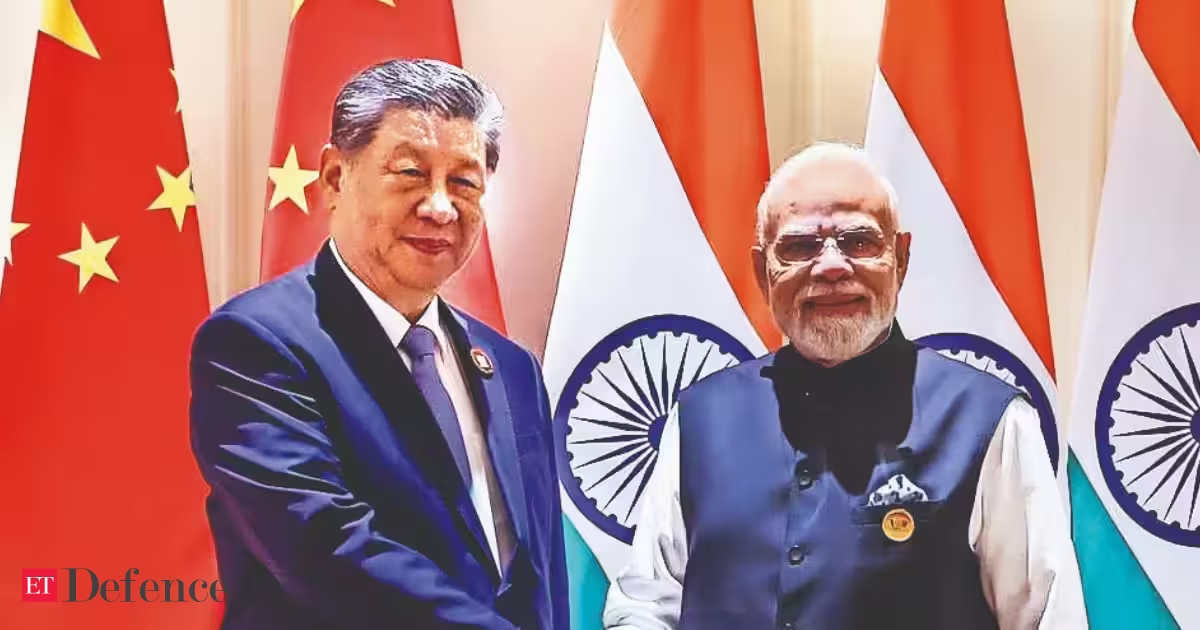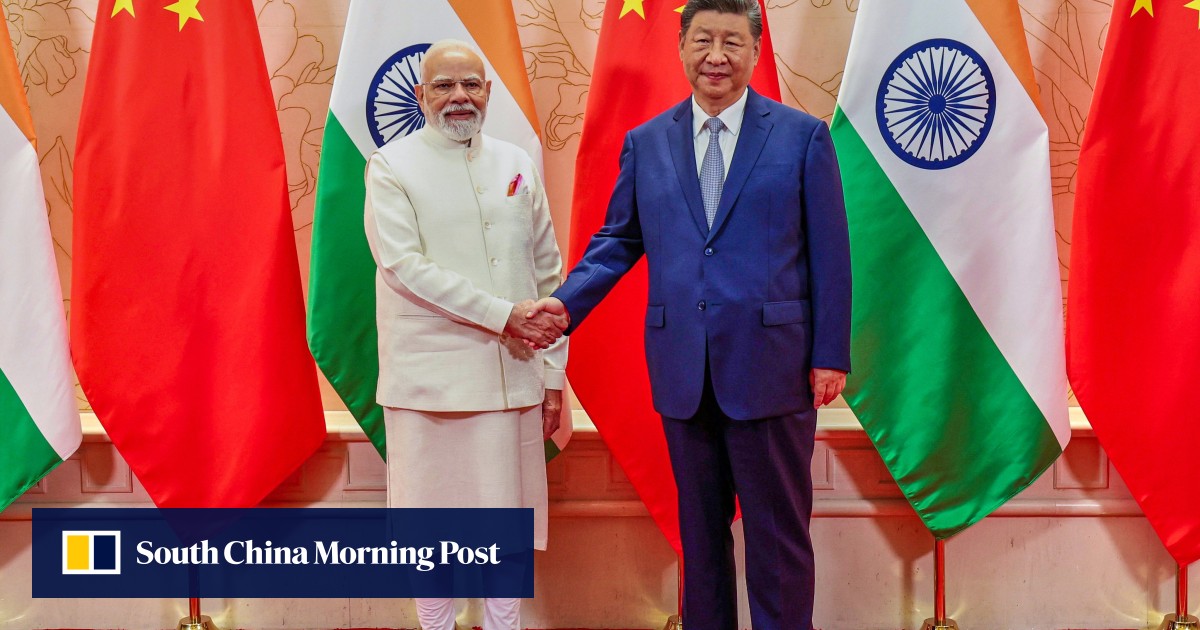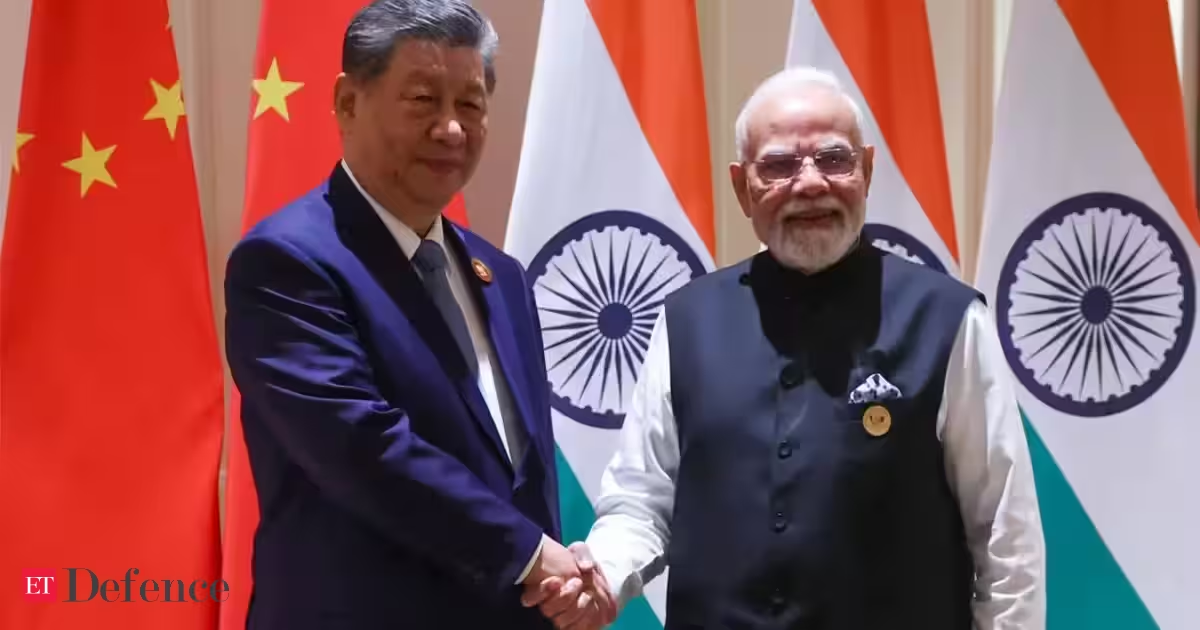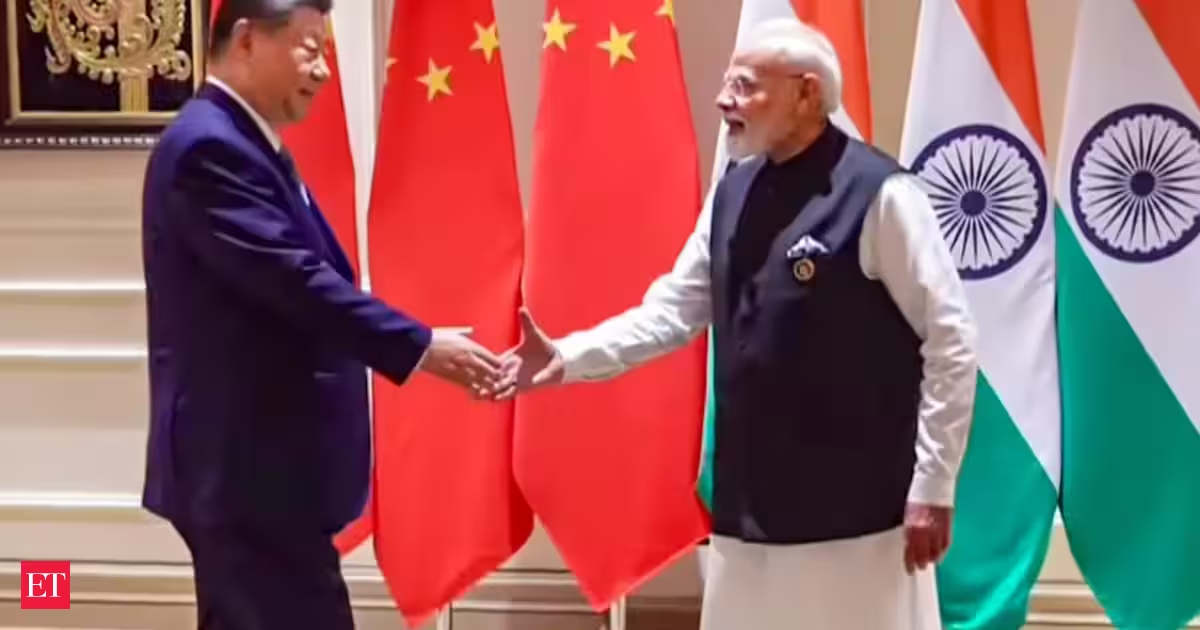
Prime Minister Narendra Modi and Chinese President Xi Jinping on Saturday reaffirmed the need to view India-China ties from a strategic and long-term perspective, with Modi stressing that peace and tranquillity along the border remains essential for the continued development of bilateral relations.The meeting took place on the sidelines of the 18th BRICS Summit in New Delhi, where India also secured the adoption of the Delhi Declaration. The declaration, adopted by BRICS leaders, sets out the grouping’s positions on global economic governance, trade, development, peace and security, and other issues facing the Global South."The two leaders also committed to finding a fair, reasonable and mutually acceptable resolution to the boundary question, while agreeing that differences should not turn into disputes," according to a readout by the Ministry of External Affairs.Read all our BRICS-related stories hereModi said the relationship should be guided by mutual respect, mutual sensitivity and mutual interest, and called for both sides to adhere to existing agreements and understandings on maintaining peace in border areas.The meeting also comes as New Delhi and Beijing seek to build on the stabilisation of ties since Modi and Xi met in Tianjin in August 2025. Their latest talks are also expected to provide a broader framework for improving economic ties, addressing trade imbalances and making supply chains more predictable.Trade imbalance remains a key testTrade was a major part of the bilateral agenda, with the two sides agreeing to address structural imbalances and supply-chain issues while working towards meaningful and predictable market access."On economic and trade relations, they underlined the need to address each other’s concerns, including structural trade imbalance and supply chain issues, and facilitation of meaningful and predictable market access," the MEA said.India-China bilateral trade rose to $91.72 billion in the first six months of 2026, but the trade deficit widened to $67.1 billion. Chinese exports to India stood at $79.41 billion, compared with Indian exports of $12.31 billion.The imbalance is part of a wider challenge for India as trade with BRICS countries has generated a deficit of $226.1 billion in FY2026, more than three times the FY2021 level. China accounts for about 41% of India's imports from the bloc.New Delhi has repeatedly sought greater access to the Chinese market for sectors such as pharmaceuticals and IT services, alongside greater predictability for supply chains.Border and boundary talksOn the boundary front, Modi and Xi reaffirmed their commitment to a political resolution that is fair, reasonable and mutually acceptable, while recognising the need to keep the broader relationship in perspective.The latest meeting follows a series of diplomatic engagements between the two countries. In August, National Security Adviser Ajit Doval and Chinese Foreign Minister Wang Yi agreed that peace and tranquillity along the Line of Actual Control were directly linked to the normalisation of bilateral ties. The two sides also agreed on an eight-point consensus covering border management and efforts towards an eventual boundary settlement.The two leaders also backed greater people-to-people exchanges, business linkages and mobility, signalling an effort to broaden engagement beyond the border dispute and trade.Xi said China and India should approach their relationship from a strategic perspective and keep in mind its long-term development. He also highlighted the two countries' shared position as the world's most populous nations and members of the Global South.Modi thanked China for its support and cooperation during India's BRICS chairmanship and said the two sides now had an opportunity to discuss bilateral cooperation.Xi's visit to India is his first in seven years and comes as New Delhi hosts the BRICS summit.The meeting therefore puts border peace, trade imbalance and economic access at the centre of the latest attempt to reset India-China ties, with both sides signalling that managing differences will be critical to sustaining the thaw.
Dragon meets the elephant: India stresses border peace as leaders push long-term ties reset in Modi-Xi bilateral
Prime Minister Modi and President Xi reaffirmed strategic ties and border peace for bilateral development. They committed to resolving the boundary question fairly and mutually acceptably. Trade imbalances and market access were key discussion points for economic improvement. Both leaders emphasized managing differences to sustain the thaw in relations. People-to-people exchanges and business linkages were also discussed for broader engagement.
620 words~3 min read