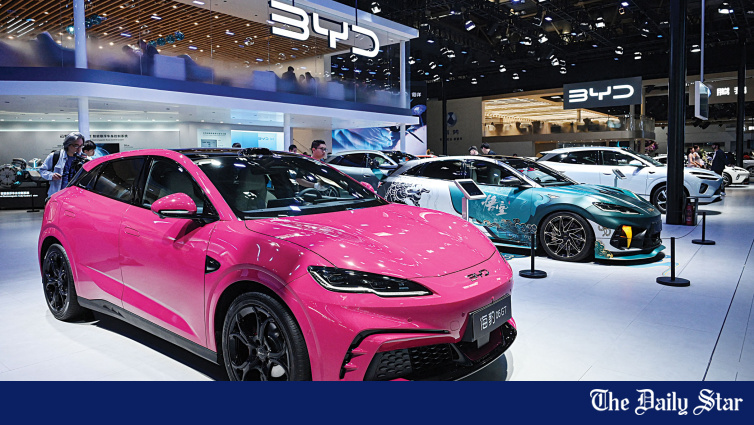
Chinese brands are rapidly expanding across Southeast Asia, moving from cheap food and drinks into fashion, beauty, e-commerce and electric vehicles. In Bangkok malls, brands such as Chagee, Pop Mart and Xiaomi are drawing local customers, while TikTok Shop has surged in regional e-commerce. Chinese EV makers have also taken about 80 percent of Thailand’s EV market, and governments in the region are trying to respond.
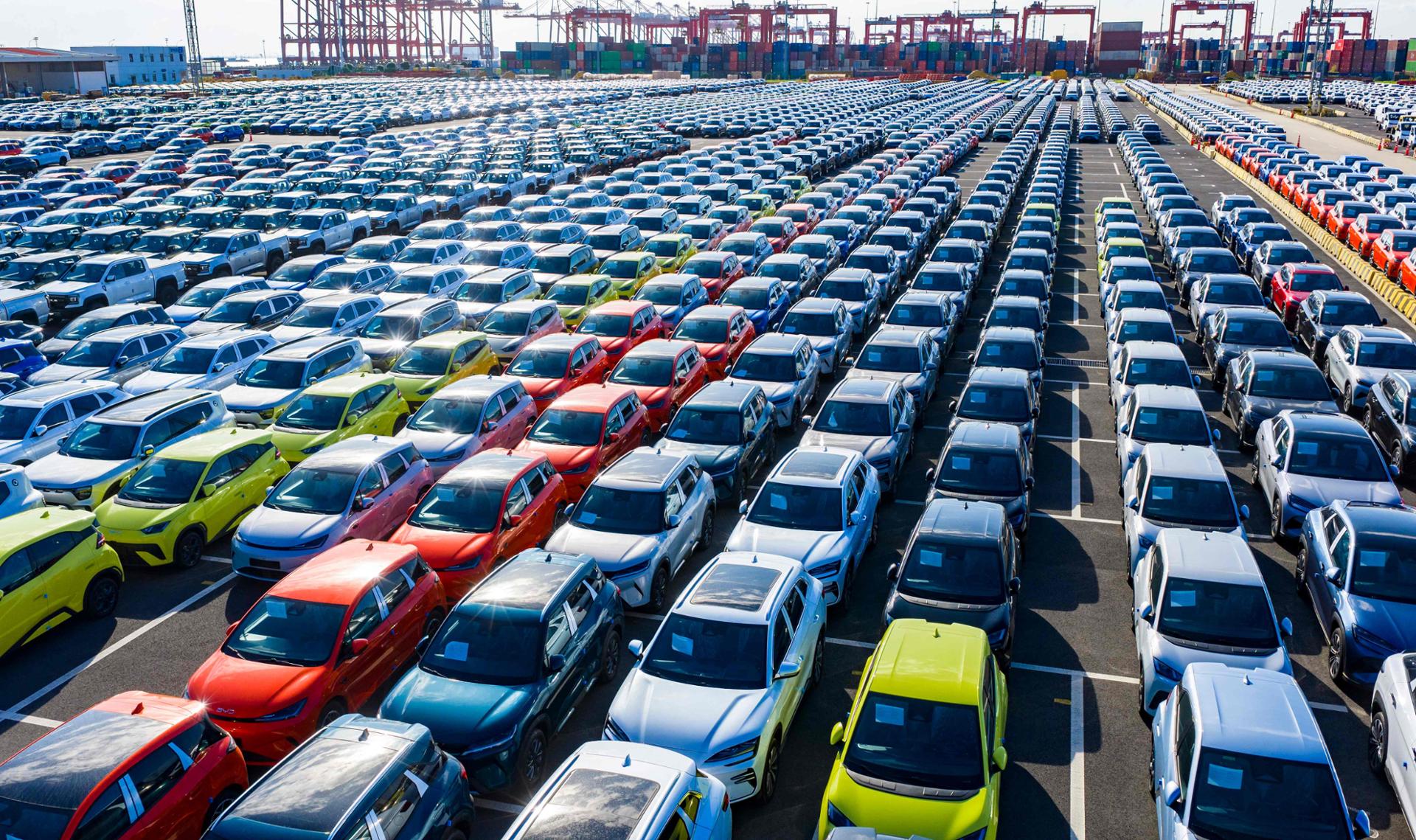
BYD cars and pickup trucks are seen at Suzhou Port in China's eastern Jiangsu province, before being loaded onto a ship for export to overseas markets, Sept. 7. AFP-Yonhap
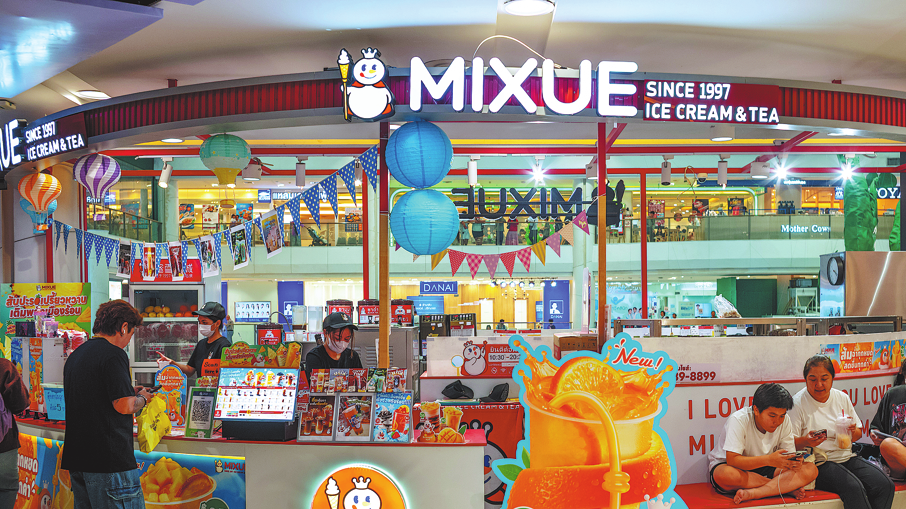
BANGKOK, HANOI — Tana-wat, 34, an office worker who works in central Bangkok, starts his morning by turning on his BYD Atto 3, a Chinese electric vehicle (EV). On his way to work, he stops for a 20-baht ($0.60) lemonade at Mixue, a low-cost beverage chain from China. When he has a spare moment, he scrolls through TikTok, a Chinese short-form video platform, and clicks links at the bottom of videos to shop on TikTok Shop.
His daily routine is surrounded by Chinese brands, known colloquially as "C-brands."
Just a few years ago, C-brands were synonymous with “cheap” in Thailand. The picture has now changed dramatically. Their reach has expanded from inexpensive food and beverages to high-end fashion and cutting-edge electric vehicles.