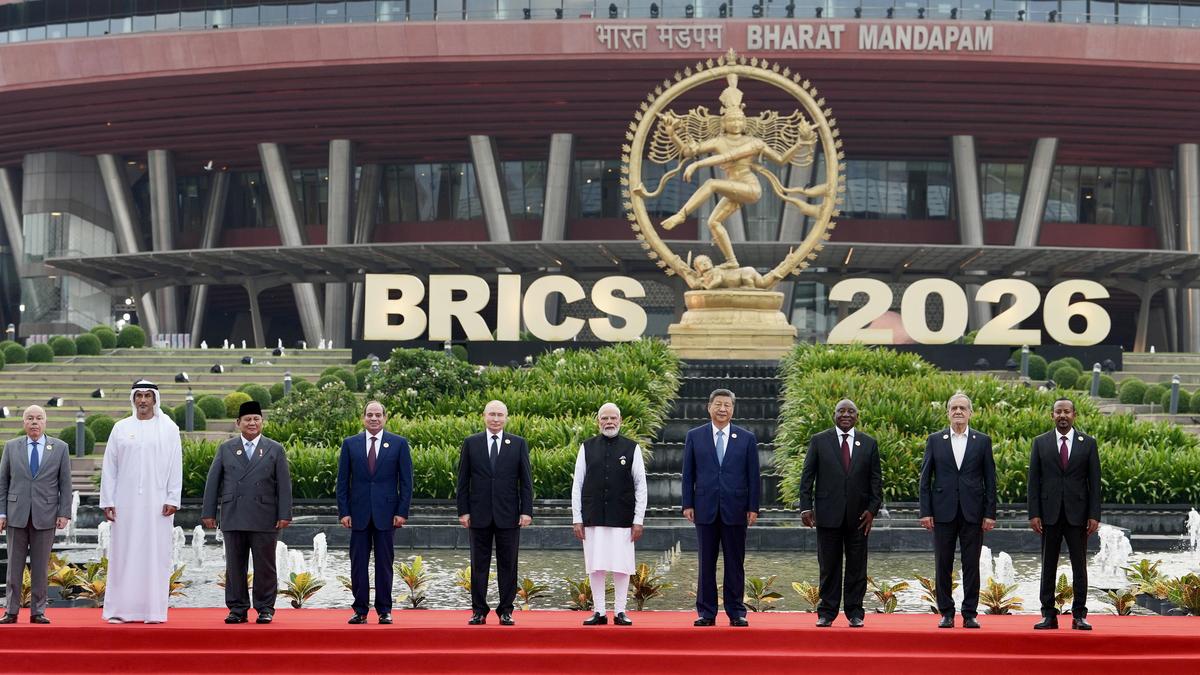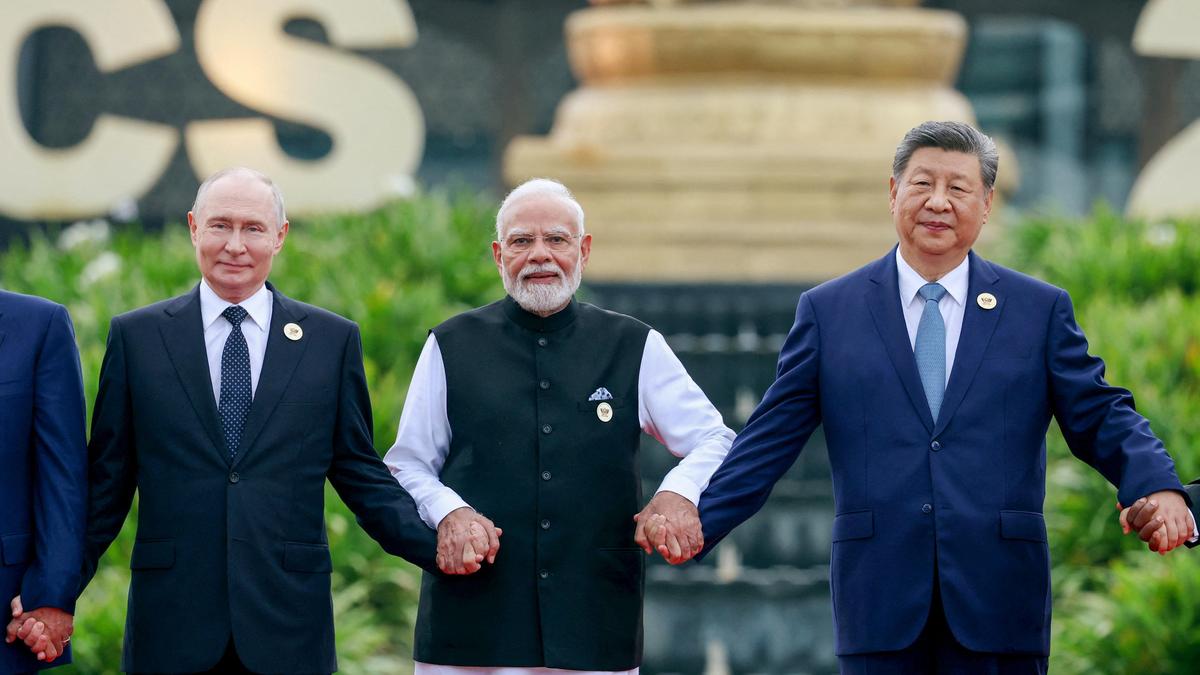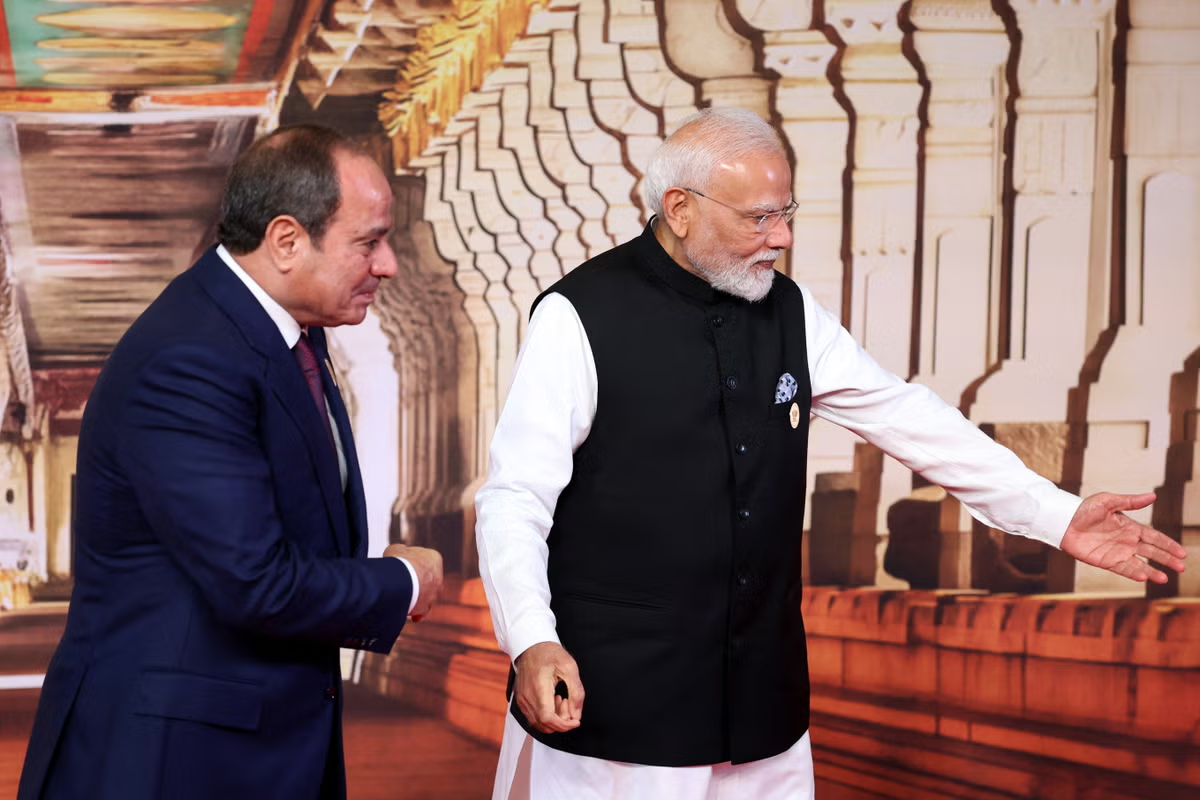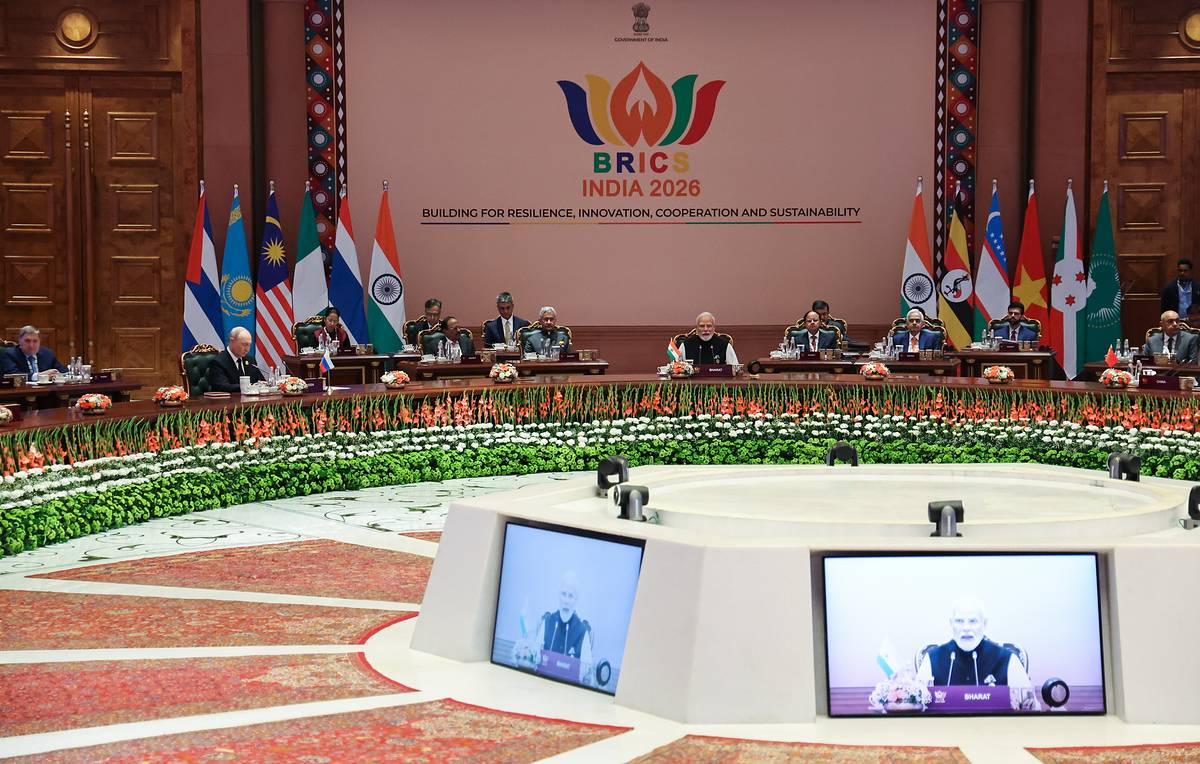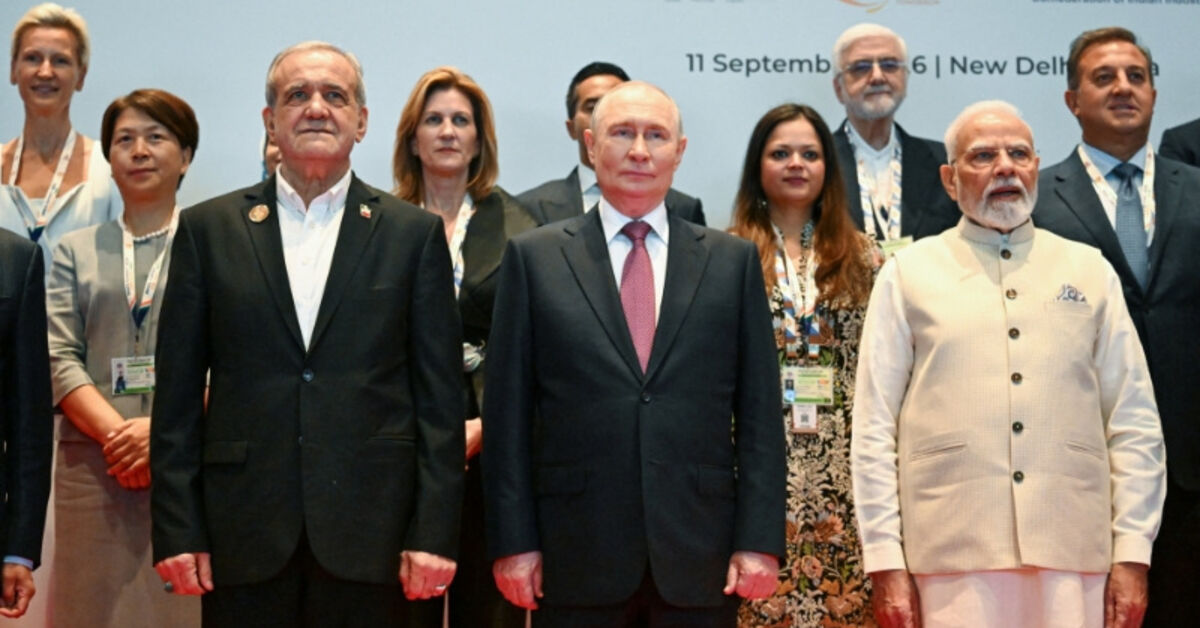
New Delhi: Leaders of BRICS countries on Saturday called for stronger cooperation in health, including sharing of experiences, innovations and best practices, and endorsed initiatives on tuberculosis, digital healthcare, healthy lifestyles, mental health and traditional medicine.In the New Delhi Delhi Declaration after their meeting, the leaders said they reaffirmed their commitment to advancing universal health coverage through "resilient, inclusive and people-centred approaches"."We recognise the significance of continued cooperation among the BRICS members and the necessity of sharing valuable experiences, innovations and best practices for improving health outcomes across the BRICS countries," the declaration said.Read all our BRICS-related stories hereThe leaders also reiterated their "shared conviction that multilateral cooperation in health must be preserved and reinforced", emphasising the coordinating role of the World Health Organization (WHO).On pandemic preparedness, they encouraged continued engagement on negotiations of the Pathogen Access and Benefit-Sharing (PABS) Annex to the WHO Pandemic Agreement, while reaffirming the sovereign rights of states over their biological resources and their right to legislate on access and benefit-sharing.The leaders welcomed the outcomes of the 16th BRICS Health Ministers' Meeting held in Chandigarh and identified tuberculosis as a "critical global public health challenge" requiring coordinated action, sustained investment in research and mechanisms for cross-learning and innovation.They said individual countries and institutions have a key role in efforts to end tuberculosis (TB) and called for mutual collaboration, technology sharing and a unified approach to TB research.Recognising that infectious disease outbreaks, zoonotic threats, antimicrobial resistance and other public health emergencies transcend national borders, the leaders stressed the need for stronger surveillance systems, early warning mechanisms and preparedness, and response capacities.They welcomed the establishment of a dedicated sub-working group to advance the BRICS Integrated Early Warning System for the prevention and response to mass infectious diseases.Also Read: BRICS nations to deepen cooperation for sustainable transport infrastructureThe declaration also called for strengthened collaboration among BRICS medical products regulatory authorities and welcomed efforts to develop the BRICS GxP White Paper, which consolidates regulatory best practices and technical approaches.The leaders further reaffirmed their commitment to "people-centred digital healthcare systems" and welcomed a BRICS compendium on digital health architecture for continuum of care, including access to healthcare in remote areas.On the rising lifestyle-related health risks, they recognised obesity and non-communicable diseases as major global public health challenges and endorsed the launch of the BRICS Mission for Healthy Lifestyle and the BRICS Roadmap for the Joint Initiative on Healthy Lifestyle Promotion for 2026-2029.They also welcomed a compendium of replicable best practices on healthy lifestyle promotion.Mental well-being was identified as another key pillar of health and sustainable development, with the leaders supporting the establishment of a BRICS Training Hub Network and a BRICS Network of Centres of Excellence, with the National Institute of Mental Health and Neuro Sciences (NIMHANS) as the coordinating centre.The network is envisaged as a platform for collaborative research, policy dialogue, exchange of best practices and co-development of evidence-based mental health promotion strategies across BRICS countries.The leaders also emphasised the need to address the mental health consequences of crises and provide timely, accessible and sustained mental health and psychosocial interventions, particularly for vulnerable groups including children and adolescents.The declaration acknowledged the growing relevance of Traditional, Complementary and Integrative Medicine (TCIM) in strengthening health systems and contributing to universal health coverage.It welcomed the proposed establishment of a BRICS Expert Working Group on TCIM to facilitate dialogue, collaboration and exchange among member states."We underscore the value of coordinated research on medicinal plants and herbal preparations of therapeutic and preventive use," the leaders said, stressing the importance of ensuring quality, safety and efficacy of TCIM practices and products through evidence-informed approaches and appropriate regulatory frameworks.The leaders also called for stronger cooperation to build the health workforce in developing countries and least developed countries through capacity-building, training and research.They recognised the role of National Public Health Institutes in policy guidance, workforce development, disease surveillance, preparedness and response, public health laboratory systems and applied research.The declaration endorsed operational frameworks on NPHIs and diseases driven by social determinants of health as collaborative platforms and supported the activities of the BRICS Vaccine R&D Centre.The leaders also welcomed the activities of the BRICS Nuclear Medicine Working Group and noted the importance of the BRICS Health Journal in disseminating research findings and promoting scientific cooperation.They stressed the importance of strengthening health infrastructure and local production of medical products, while leveraging surveillance systems, laboratory networks, digital health technologies and artificial intelligence to improve preparedness for future health emergencies.The declaration called for integration of traditional medicine into health systems, stronger technical cooperation among public health institutes, robust regulatory frameworks, skilled health workforces and collaborative research and development to ensure "timely, affordable, and equitable access to healthcare services, vaccines, therapeutics and diagnostics". PTI
Leaders of BRICS countries call for stronger cooperation in health, endorse initiatives on tuberculosis
BRICS leaders agreed to strengthen health cooperation and share best practices. They endorsed initiatives focusing on tuberculosis and digital healthcare systems. Leaders also supported efforts for healthy lifestyles and mental well-being programs. Pandemic preparedness and response capacities were emphasized by the group. Cooperation on traditional medicine and health workforce development was also highlighted.
782 words~4 min read