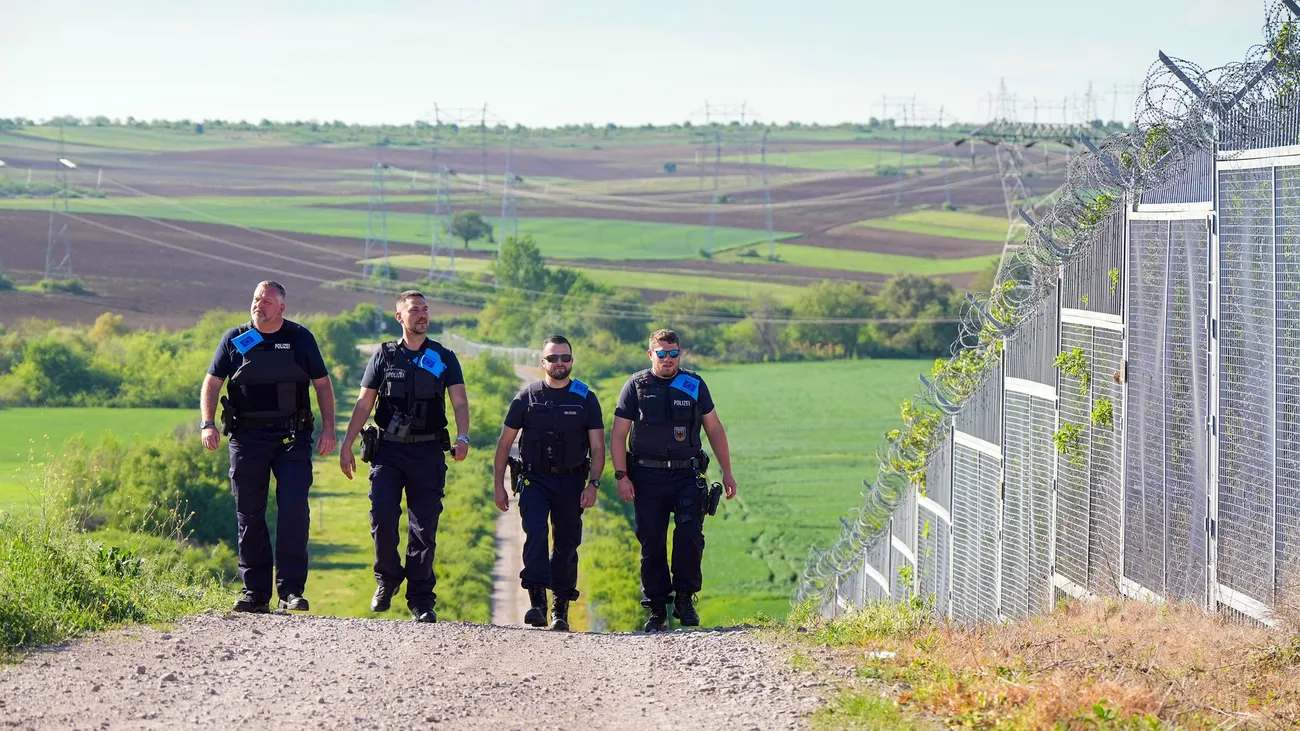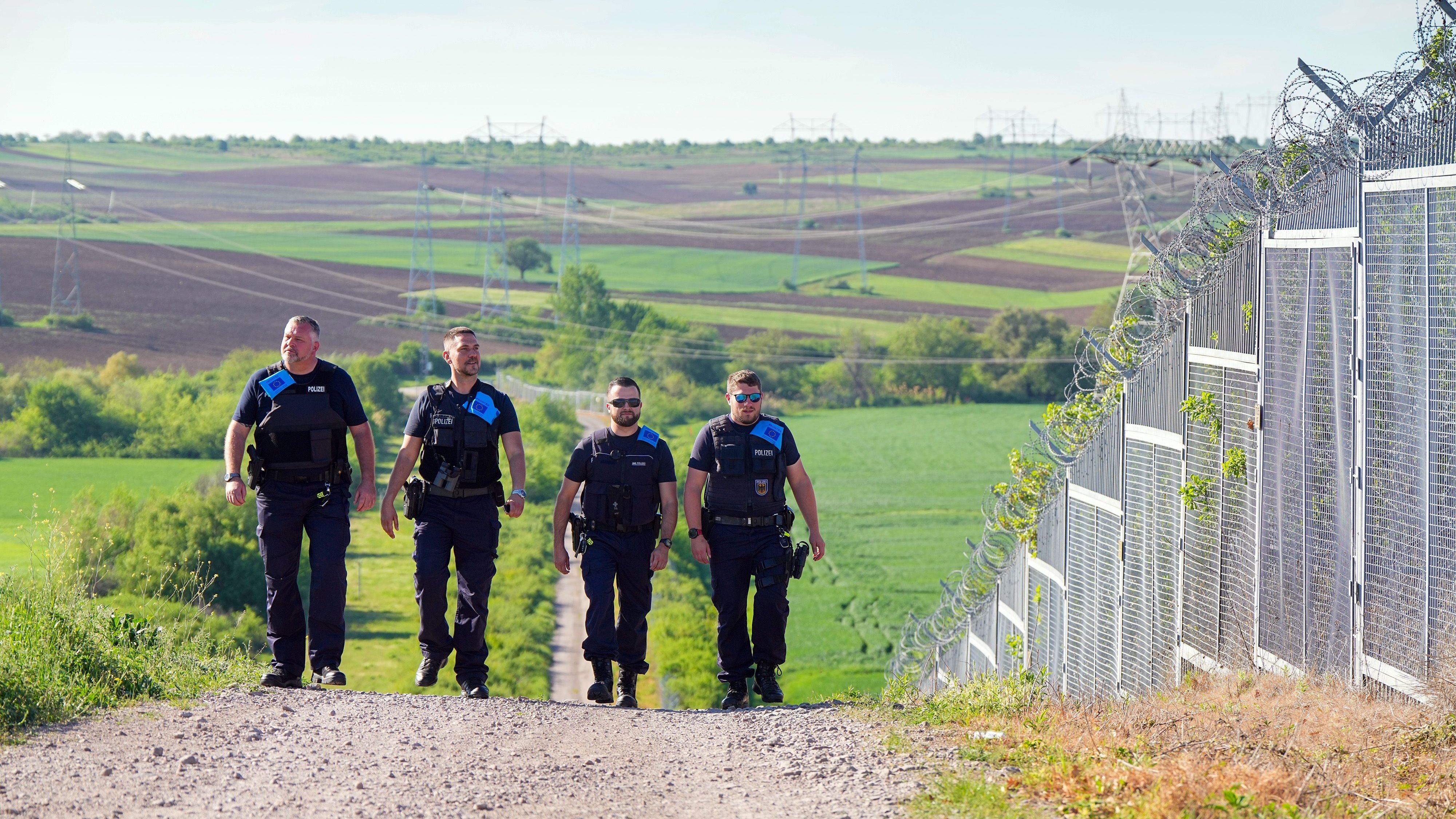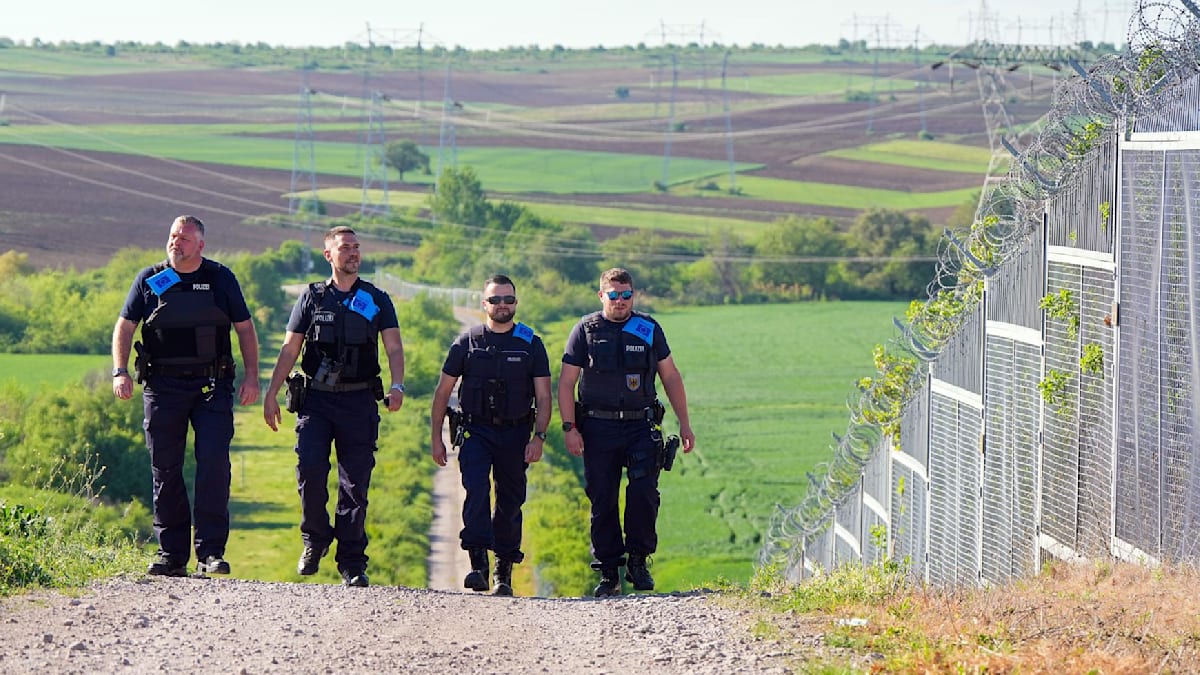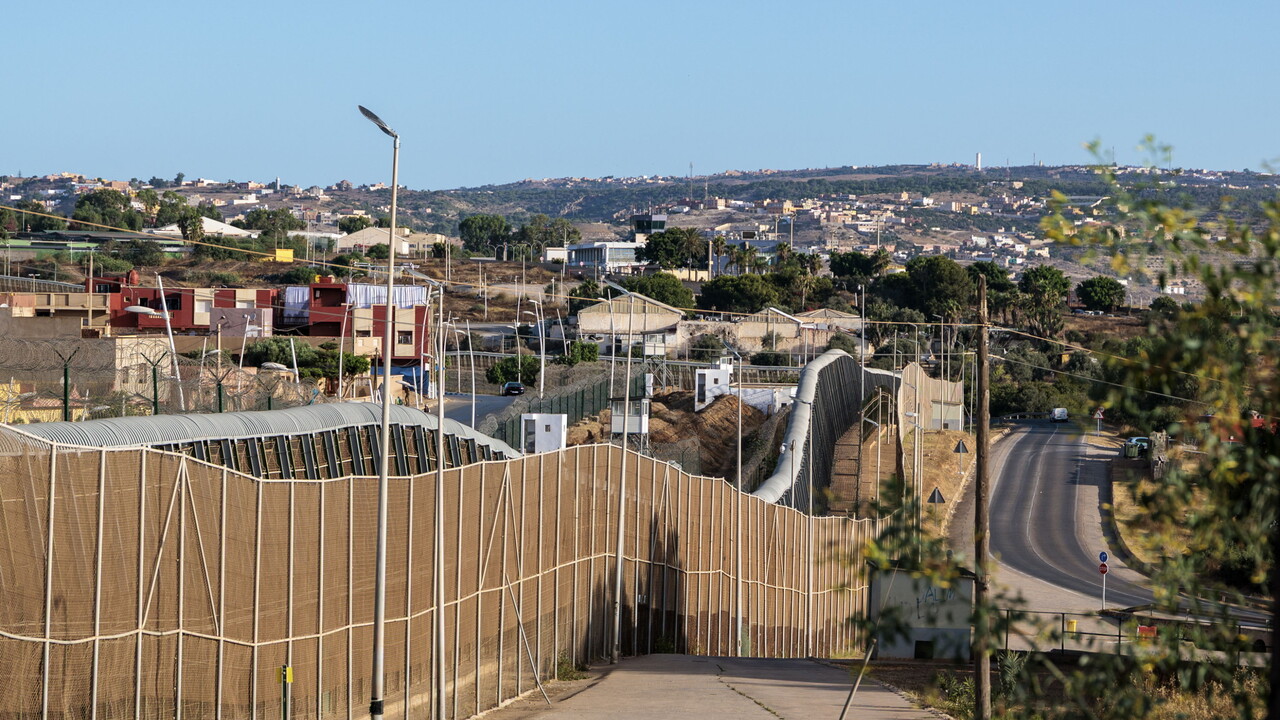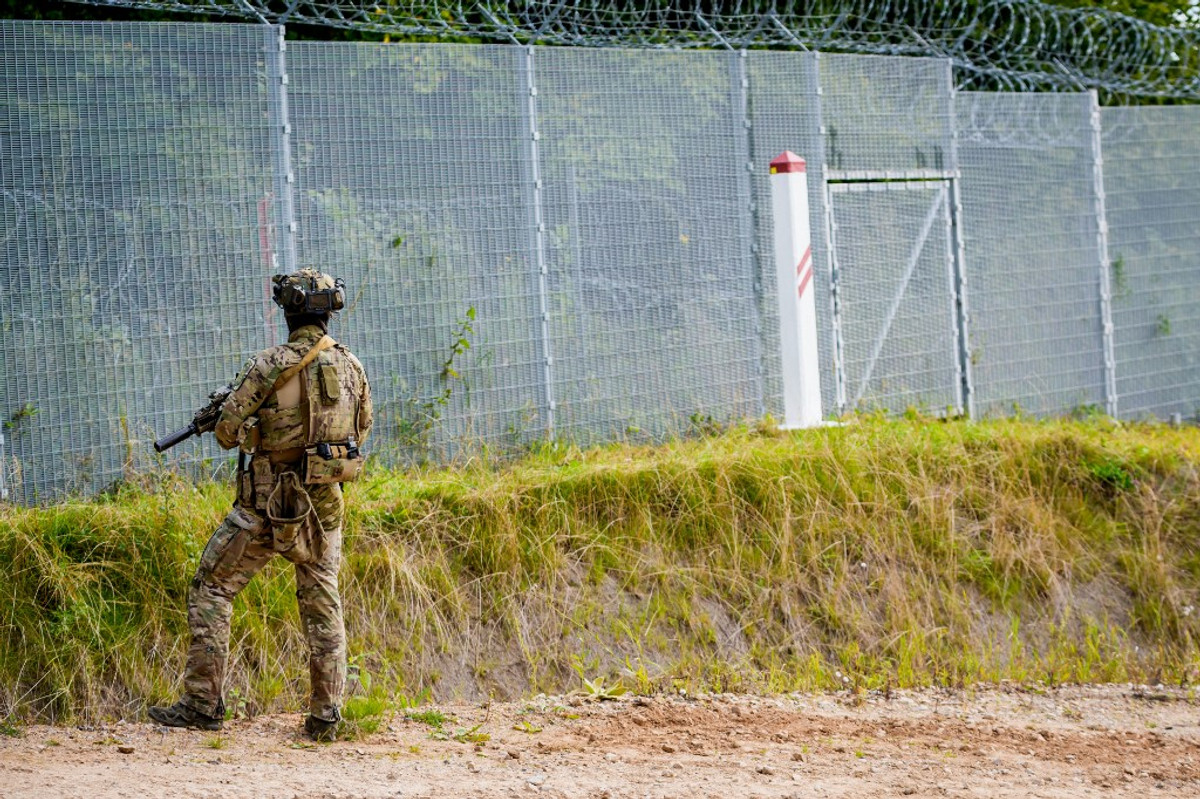
Irregular crossings into the EU via the bloc’s Eastern Land Border route fell by 47% in the first eight months of 2026, the EU’s border agency said, as eastern member states continue to fortify their frontiers. Frontex recorded just over 4,000 detections along the route between January and August, according to preliminary data released on Friday. JOIN US ON TELEGRAMFollow our coverage of the war on the @Kyivpost_official. The route covers parts of the EU’s eastern external frontier, including Poland’s borders with Belarus and Ukraine. Ukrainians, Afghans and Estonians were the three most commonly detected nationalities on the route, Frontex data showed. The sharp decline came as irregular migration into the EU fell across almost all major routes, with nearly 75,000 crossings detected in the first eight months of the year, down 35% from the same period in 2025. Frontex did not provide a specific explanation for the decline on the Eastern Land Border route. It linked the overall fall across the EU to sustained cooperation with partner countries and preventive measures in key departure states. Eastern borders reinforced The fall comes as Poland and other countries on the EU’s eastern flank continue to strengthen their borders amid concerns over irregular migration and security threats from Russia and Belarus. Poland has extensively reinforced its border with Belarus in recent years, adding physical barriers and electronic surveillance systems following a migration crisis that Warsaw, Brussels and its allies have accused Minsk of deliberately orchestrating.
Irregular Crossings Along EU Eastern Border Plunge 47%
Irregular border crossings along the EU’s Eastern Land Border route dropped 47% in the first eight months of 2026.
516 words~2 min read