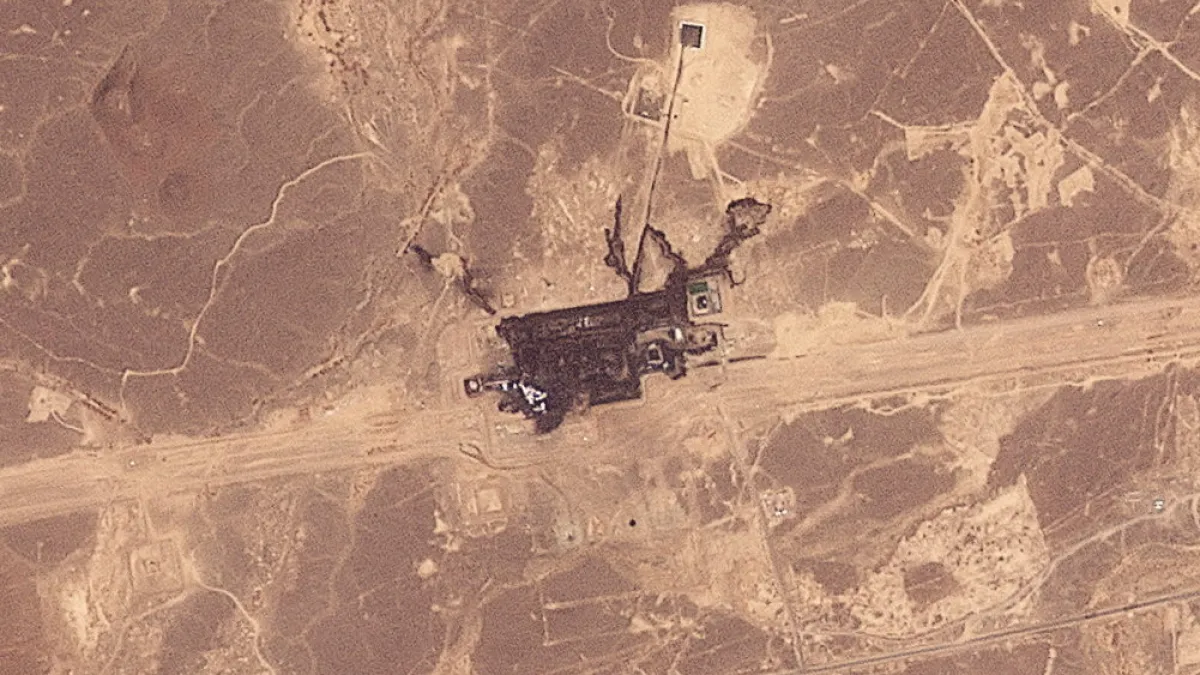
Saudi Arabia pulled the plug on its East-West oil pipeline on September 11, 2026, one day after drone attacks damaged pump stations in the Riyadh and Medina regions and left personnel injured. The strikes were traced to Iraq’s Maysan province, a border region that sits adjacent to Iran, though no group came forward to claim responsibility.
The closure of the Petroline, as the pipeline is formally known, comes at a particularly bad moment for global energy markets. Iran shut the Strait of Hormuz earlier in 2026, forcing Saudi Arabia to lean far more heavily on this overland route to move its oil westward to export terminals.
What the pipeline actually does
Stretching roughly 1,200 kilometers across the Arabian Peninsula, Petroline connects Saudi Arabia’s Eastern Province oil fields to the Red Sea port of Yanbu. Under normal conditions, the pipeline moves 4 to 5 million barrels of oil per day, which works out to somewhere between 4% and 5% of total global supply. Its maximum rated capacity sits at 7 million barrels per day.
The Yanbu terminal at the pipeline’s western end also connects to refining and petrochemical infrastructure, so the downstream ripple effects extend beyond crude exports alone.