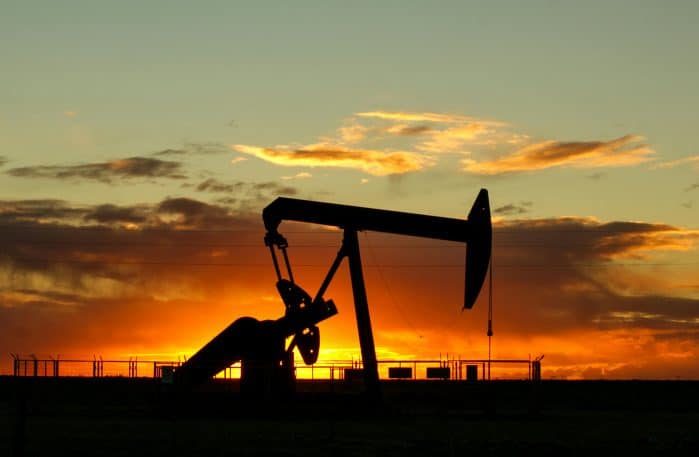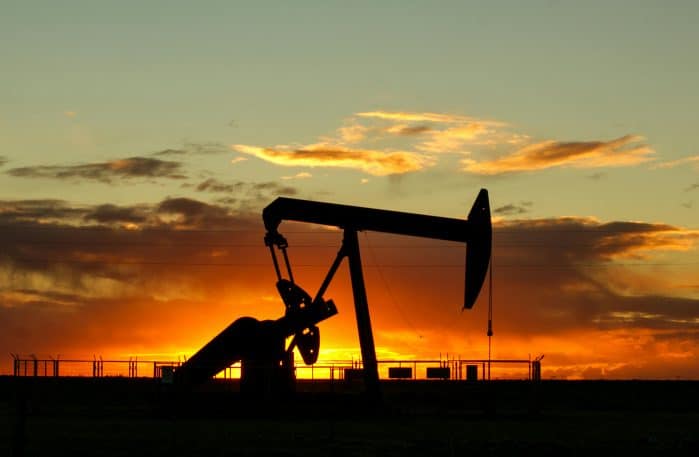
U.S. crude oil prices have risen above $102 per barrel, marking their highest level since May. This surge in West Texas Intermediate (WTI) crude oil is attributed to concerns over supply risks in the Middle East. The pricing is significant as it underscores the market’s sensitivity to geopolitical tensions and potential disruptions in oil supply. Meanwhile, China’s role as the world’s second-largest oil consumer is in focus, with recent trends indicating a weakening demand outlook. Sinopec’s research arm has forecasted a decline in Chinese oil demand by 600,000 barrels per day in 2026, suggesting that China’s economic activities could heavily influence future oil pricing dynamics.
Key Takeaways
The recent rise in U.S. crude oil prices to over $102 per barrel appears to have been driven by Middle East supply concerns.
China’s weakening oil demand outlook suggests it could be a pivotal factor in future global oil price movements.
Current market pricing suggests low confidence in crude oil reaching a new all-time high by September 30, with only a 1.8% YES probability.