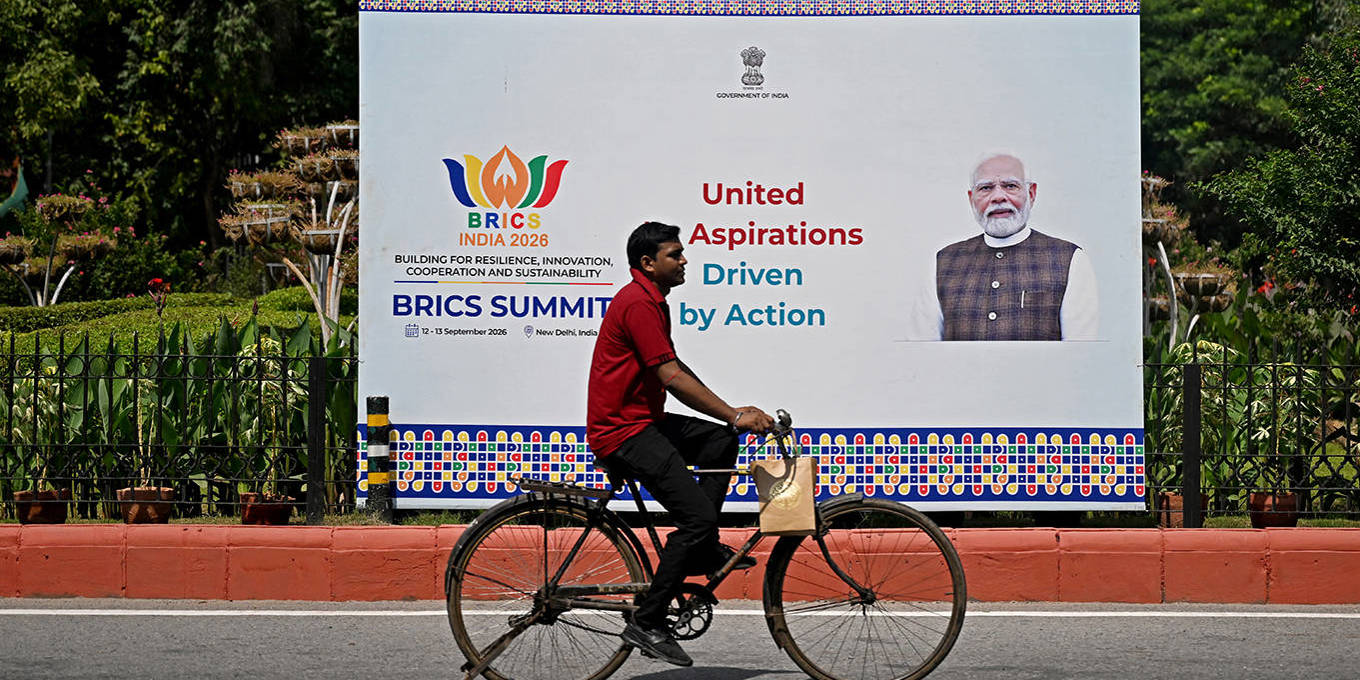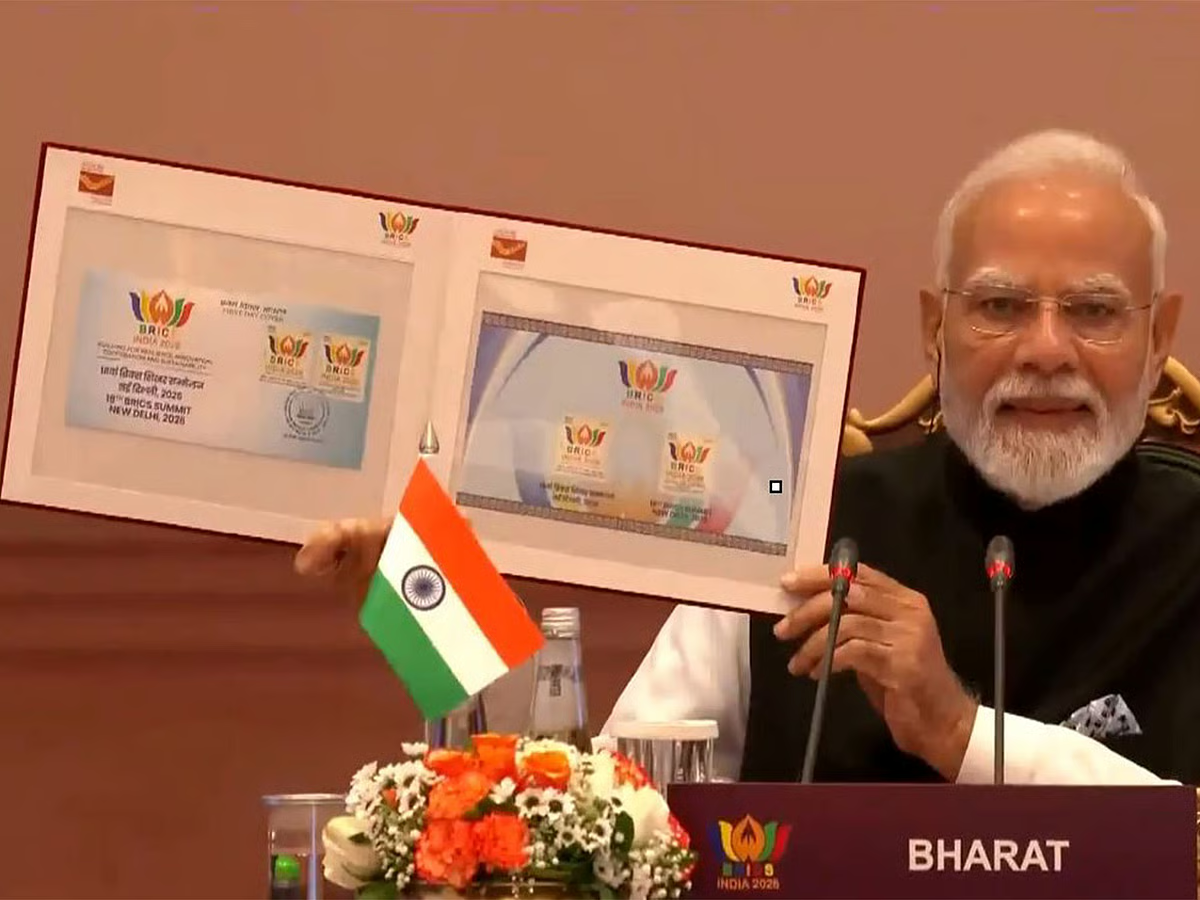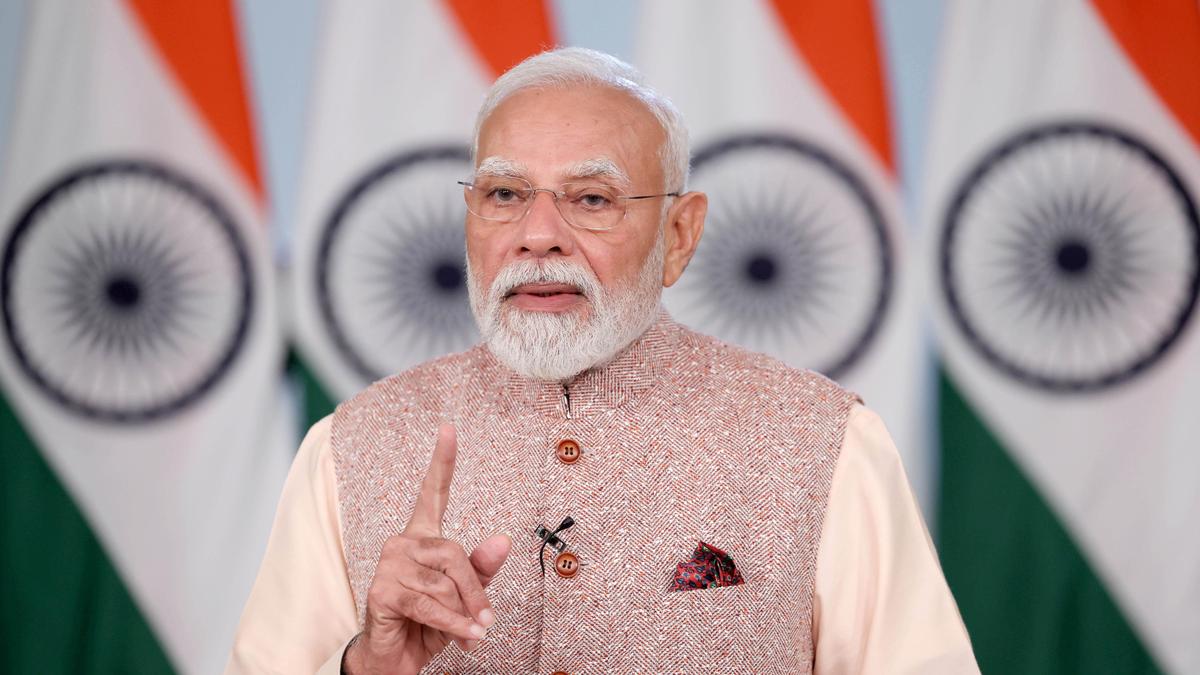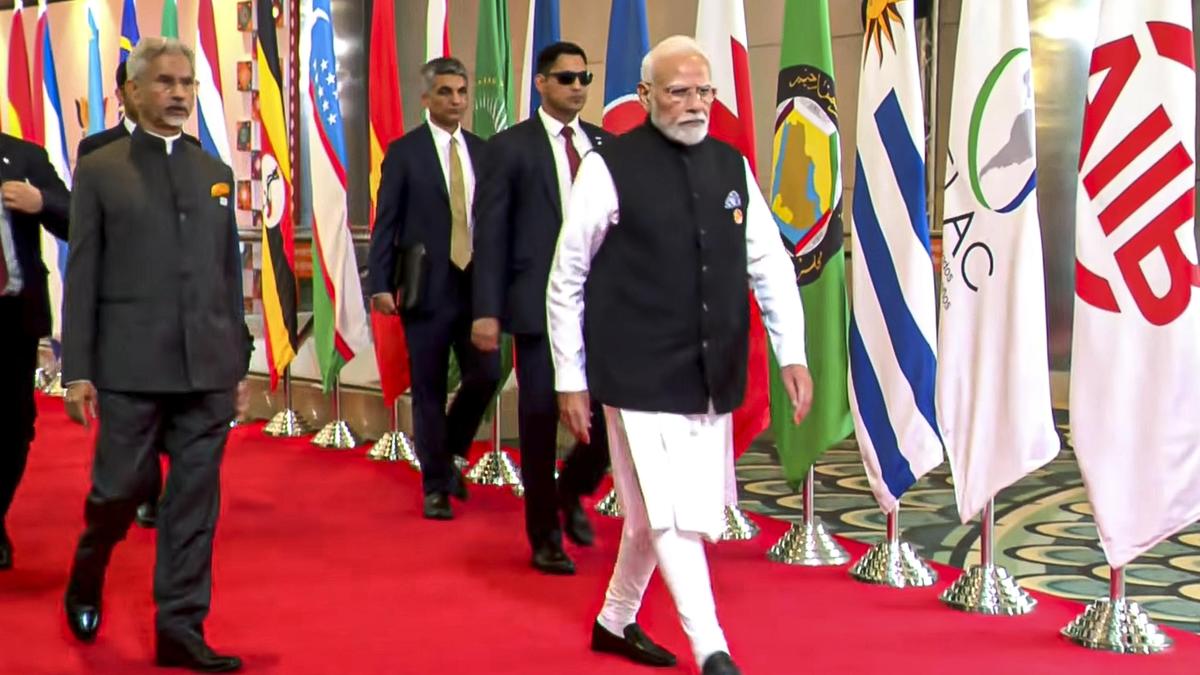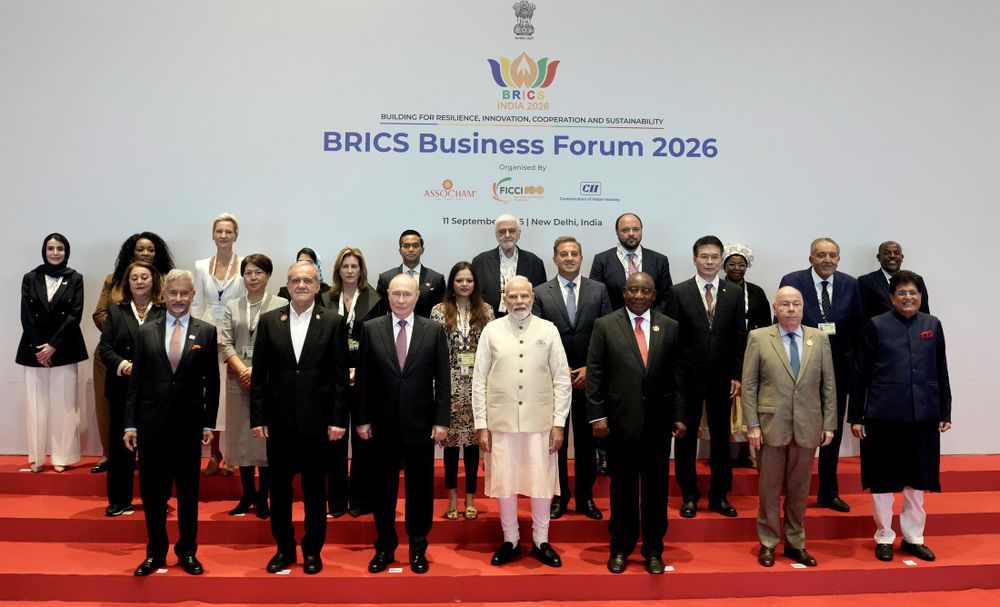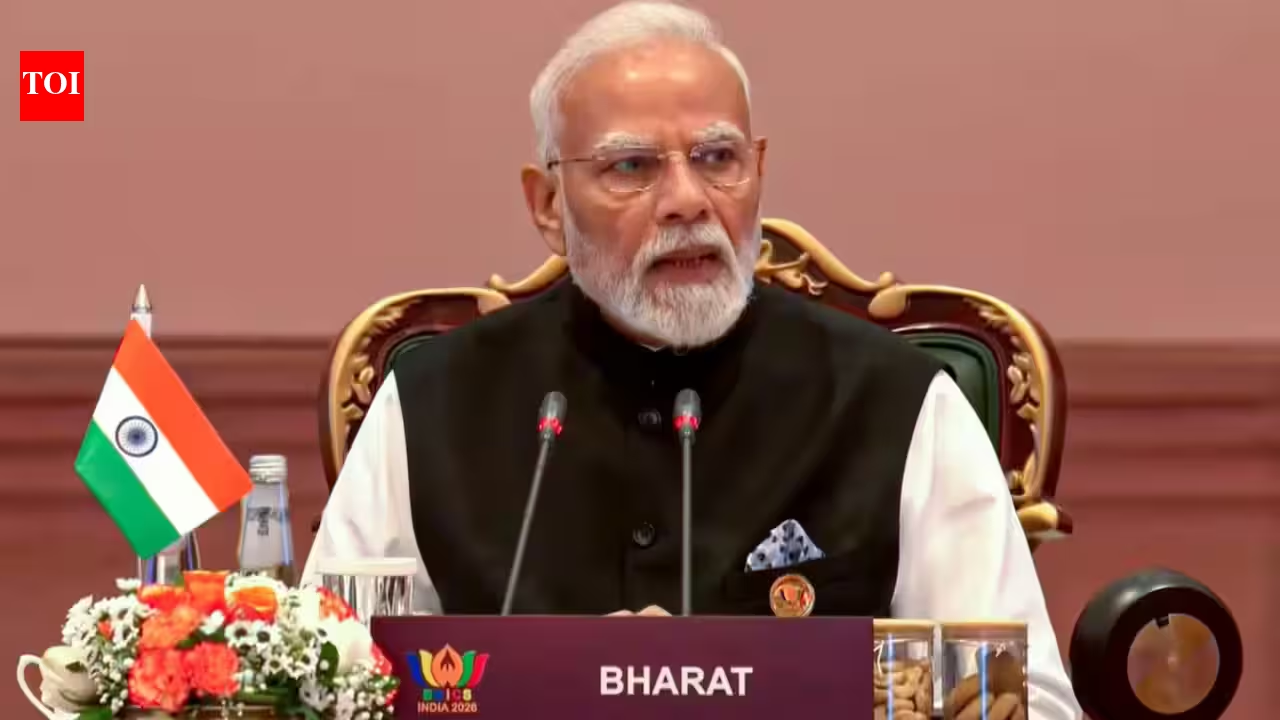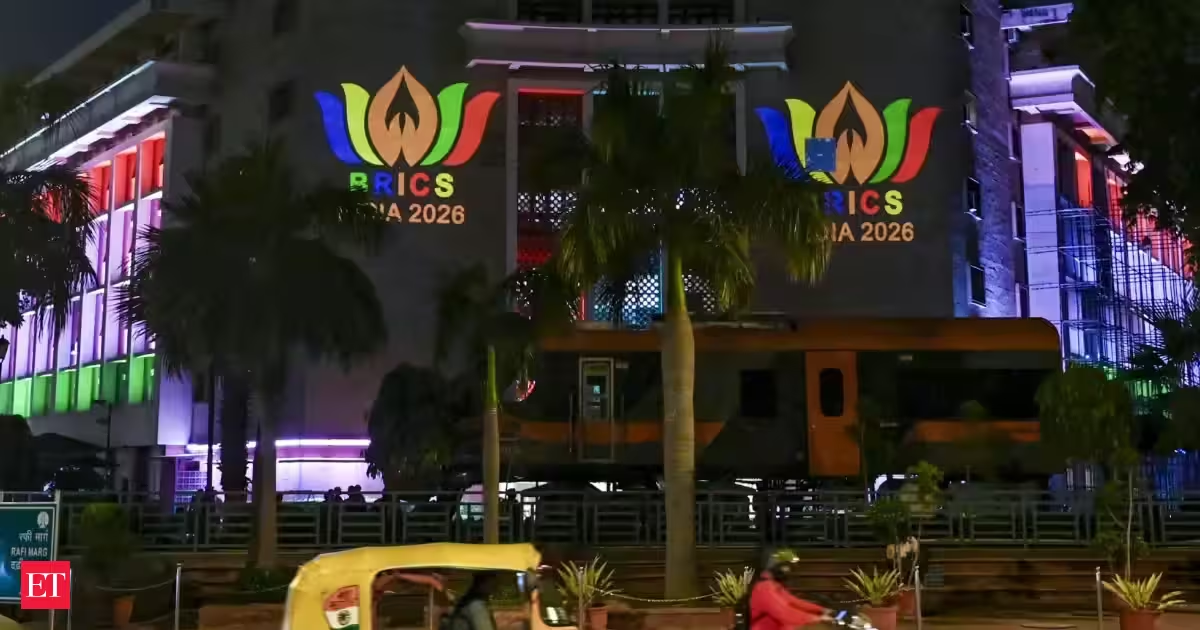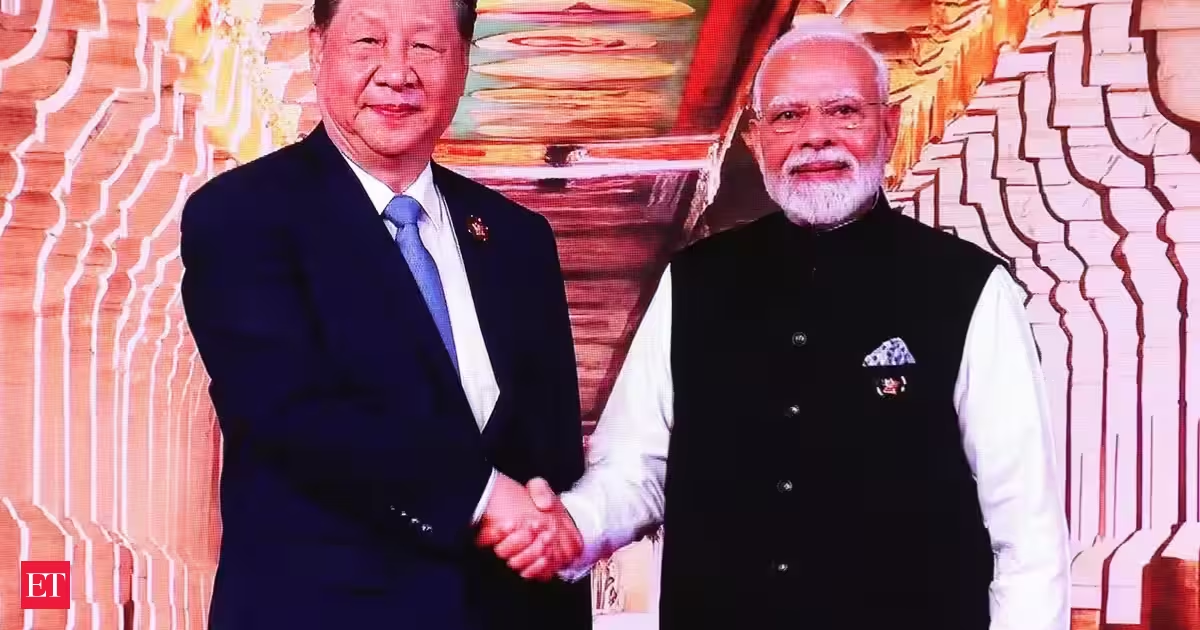
BRICS has reached a “coming of age” moment at its two decade anniversary and must now chart a new, ambitious agenda for the next twenty years, Prime Minister Narendra Modi said on Saturday as he formally opened the grouping’s summit in New Delhi.Welcoming leaders and delegates to India, Modi said the 20-year journey had given BRICS greater maturity and responsibility, creating an opportunity to move from shared aspirations to concrete action.Also Read: BRICS Summit in New Delhi: The grand finale is India's moment to navigate a bigger, and more divided blocHe said the grouping had grown in stature and developed greater respect for consensus and cooperation, stressing that BRICS was not directed against any country but was based on the idea of working with everyone.Follow our live coverage of the BRICS Summit hereModi called for the bloc to focus on implementation alongside consensus, proposing a secure digital repository to track BRICS initiatives, their nodal agencies, timelines and implementation status.The Prime Minister also put global governance reform at the centre of his agenda, arguing that the Global South remains disproportionately affected by international decisions while having limited influence over how those decisions are made.He proposed that BRICS work towards a reform roadmap for global governance by the next summit, built around three principles — representation, responsiveness and rule-making.On representation, Modi said reform of the United Nations Security Council could no longer be delayed and called for negotiations on the issue to have a definitive timeline. He also argued that countries driving global economic growth should receive appropriate representation in global governance institutions.Also Read: BRICS joint statement to be issued as member nations reach consensus: Govt sourcesOn responsiveness, Modi called for stronger mechanisms to ensure that international cooperation translates into help on the ground. He highlighted the role of seafarers in global trade and proposed a BRICS emergency-response mechanism that could provide distress alerts, medical assistance and help families stay informed when seafarers face emergencies.Technology will be another key area, with Modi saying artificial intelligence, cyberspace, outer space, biotechnology and other critical technologies will shape the rules of the future.He called for the Global South to move from being a “rule taker” to a “rule shaper”, suggesting that BRICS could help companies from developing countries strengthen their negotiation capabilities as well as their practical and legal expertise.The push comes as India marks its fourth BRICS chairship, built around the pillars of resilience, innovation, cooperation and sustainability and guided by a people-centric, “humanity first” approach.Modi said more than 350 meetings and high-level engagements had been organised across nearly 30 cities during India’s chairship, bringing the grouping’s agenda closer to people and expanding cooperation across political and security, economic and financial, and cultural and people-to-people areas.With BRICS marking 20 years since its establishment, Modi said the grouping now needed to translate its accumulated experience into a more ambitious programme for the future.The message, he said, should be a shift “from voice to impact” and “from privilege to partnership” as BRICS enters its next phase.
BRICS at 20 enters coming-of-age phase, PM Modi calls for ambitious agenda for next two decades
Prime Minister Narendra Modi formally opened the BRICS summit in New Delhi. He stated the grouping has reached a coming of age moment. Modi urged BRICS to chart an ambitious new agenda for the next twenty years. He proposed a secure digital repository to track BRICS initiatives and their implementation. The grouping's journey has created an opportunity for concrete action and greater respect.
500 words~2 min read