en English
Sep 9, 2026
Brahma Chellaney
If the promise of the BRICS was to establish a monetary union, a single market, or a tightly integrated political alliance, it has not been fulfilled. But if it was to build a platform for emerging economies to cooperate while advancing their own strategic autonomy, the BRICS has exceeded expectations.
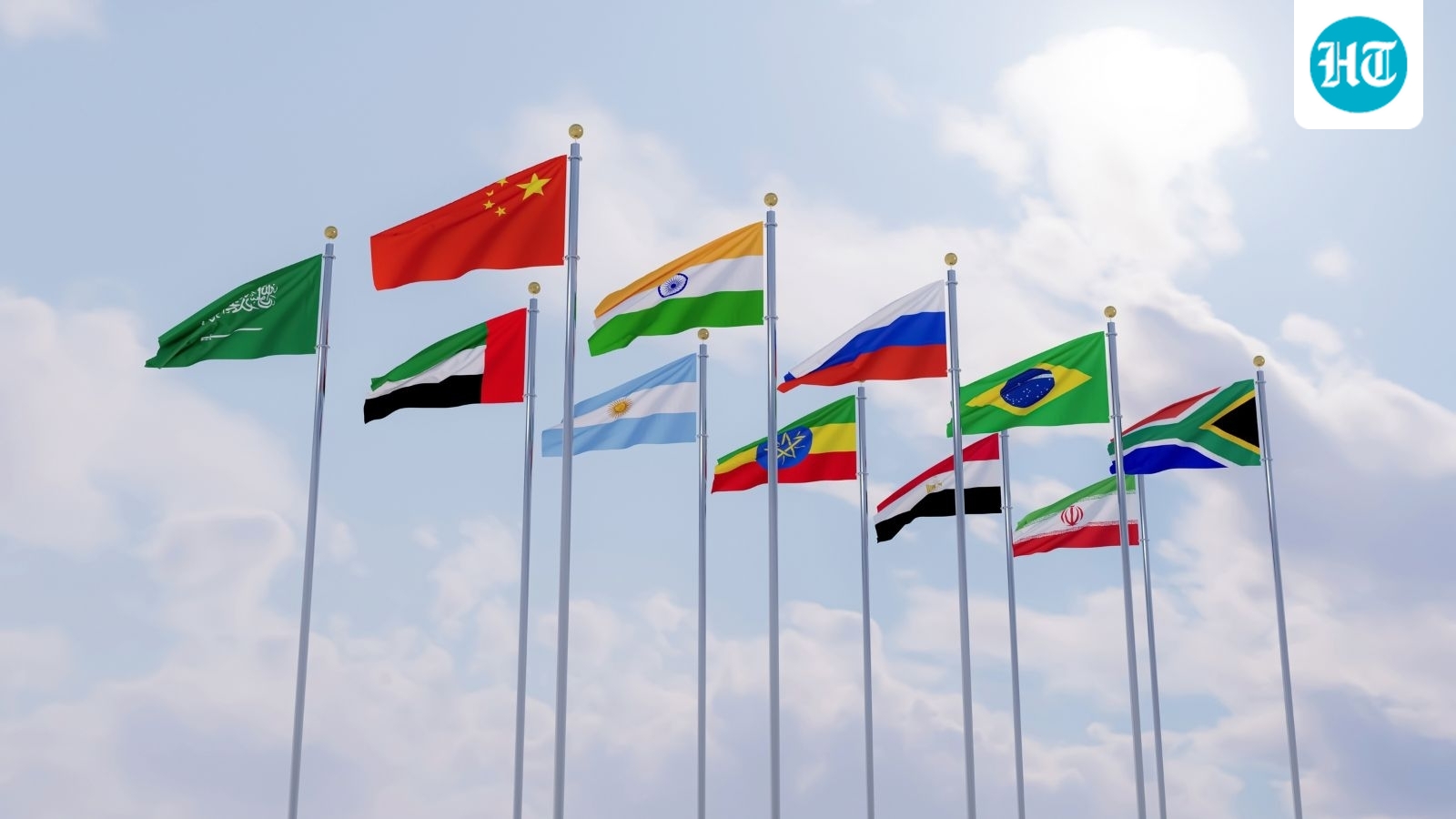
NEW DELHI—Twenty years ago this month, the foreign ministers of Brazil, Russia, India, and China held the first meeting of the BRICs. Since then, the grouping has been formalized—the first BRIC summit took place in June 2009—and expanded, with South Africa joining in 2011 and several more countries later coming on board, either as full members or official partners. Today, the BRICS represents a highly consequential experiment in international cooperation, which epitomizes the gradual rebalancing of global power away from the West and the emergence of a multipolar order.