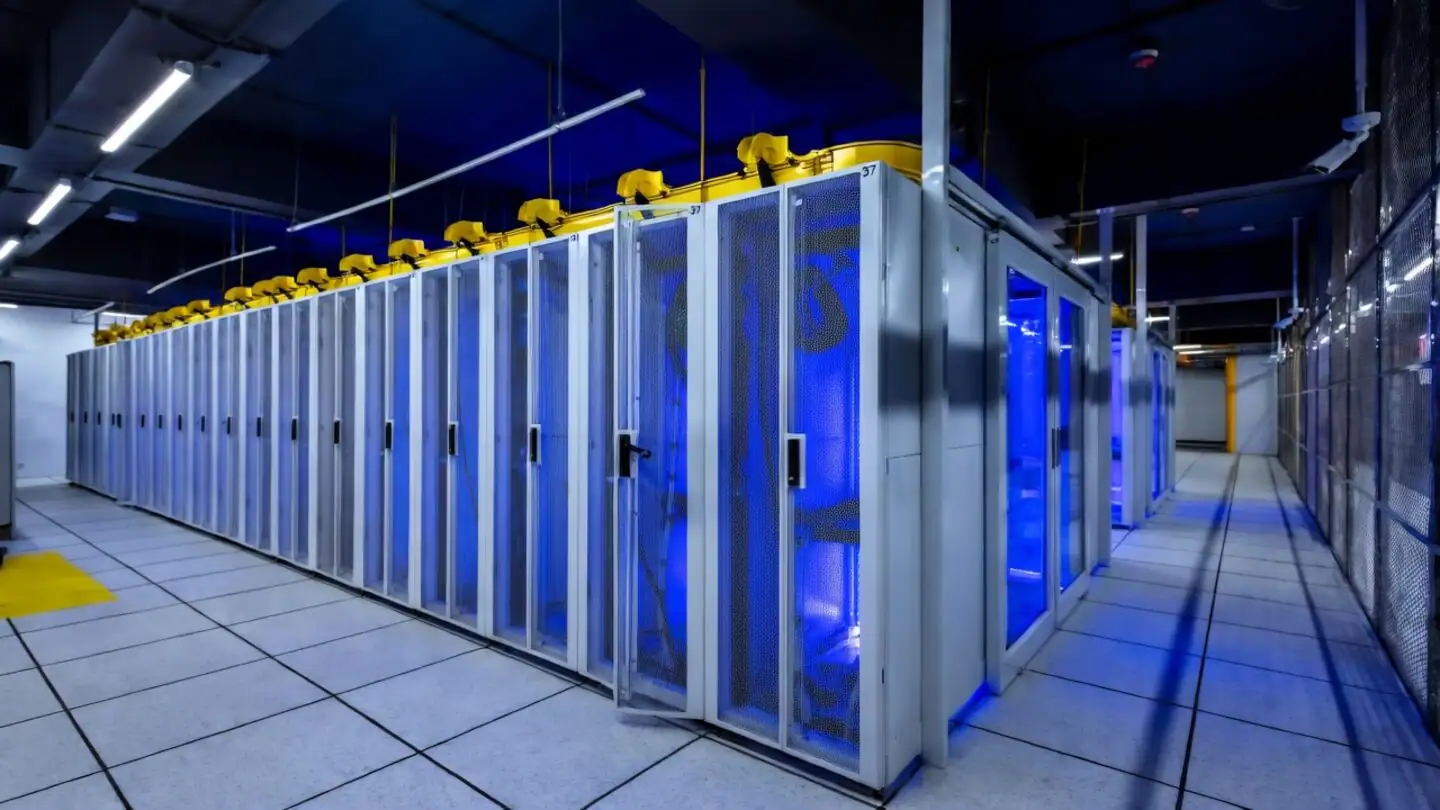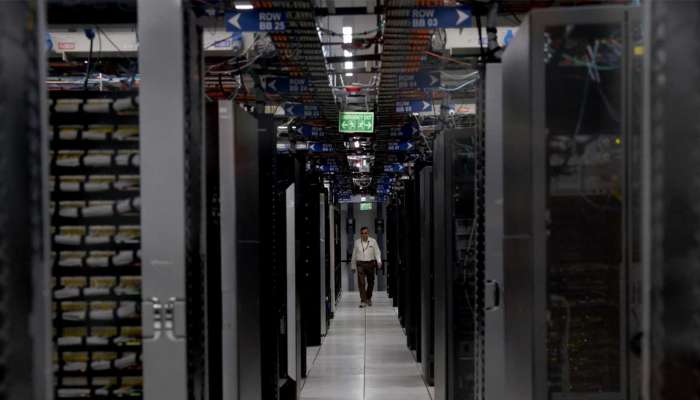
New Delhi: India's data centre construction and infrastructure value chain could grow into a $90 billion opportunity by FY35, up from an estimated $30 billion by FY30, as rapid capacity expansion creates demand across construction, power, cooling, networking and security, according to a KPMG report.The report said India's installed data centre capacity is projected to reach 7-7.5 GW by 2030, driving a sharp increase in downstream spending beyond the data centre facilities themselves. The report estimates the construction-related opportunity at USD 30 billion by FY30 and USD 90 billion by FY35. The opportunity is spread across several segments, with design and construction accounting for about USD 27 billion, cooling infrastructure for USD 24 billion and power infrastructure within data centres for USD 18 billion by FY35, KPMG said.Power infrastructure outside data centres is estimated to represent another USD 12 billion, while network infrastructure and security could each account for about USD 5 billion.“A decade long, structural opportunity exists for the full engineering and infrastructure value chain as the sector scales capacity to meet demand,” KPMG said.The report said the growth of artificial intelligence is also changing the requirements of data centre infrastructure, increasing demand for higher-capacity power systems, advanced cooling and specialised equipment.Power infrastructure inside data centres is seeing higher specifications as AI racks typically require 50-60 kilowatt of power per rack, compared with 8-12 kilowatt for non-AI workloads, KPMG said. Cooling is also shifting from traditional air-based systems towards water and liquid cooling, with liquid cooling emerging as a fast-growing opportunity because of AI workloads.The report said the expansion will create opportunities not only for existing suppliers but also for domestic companies seeking to build capabilities in specialised areas.The report further noted that India already has a relatively strong domestic base in civil construction, cooling towers and fibre-optic cable manufacturing, while areas such as advanced grid systems, battery energy storage systems, precision cooling and active network hardware have greater import dependence.Capturing the opportunity, however, will require coordinated execution among developers, engineering and construction companies, equipment manufacturers, utilities and regulators, particularly to reduce construction timelines and delays in securing power, the report said.“Execution capability in electrical, mechanical and commissioning segments will be the primary differentiator as capacity expands,” the report said.
India's data centre construction value chain could reach $90bn by FY35: KPMG
India's data centre construction and infrastructure value chain could grow into a $90 billion opportunity by FY35, up from an estimated $30 billion by FY30
371 words~2 min read