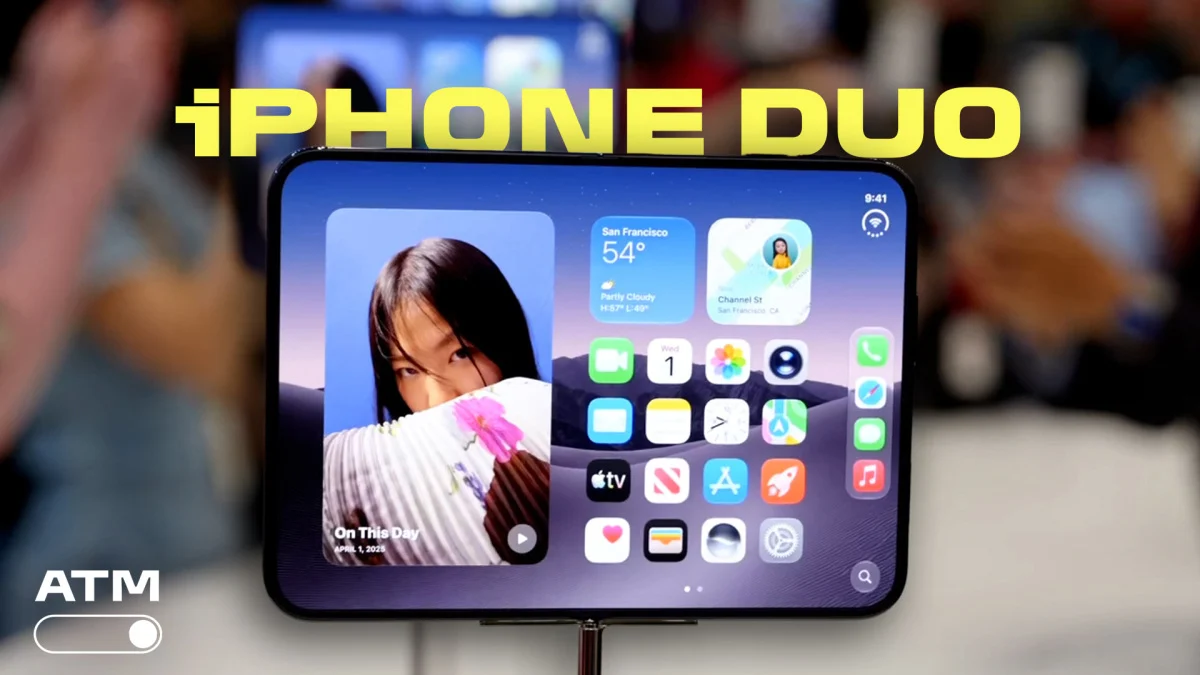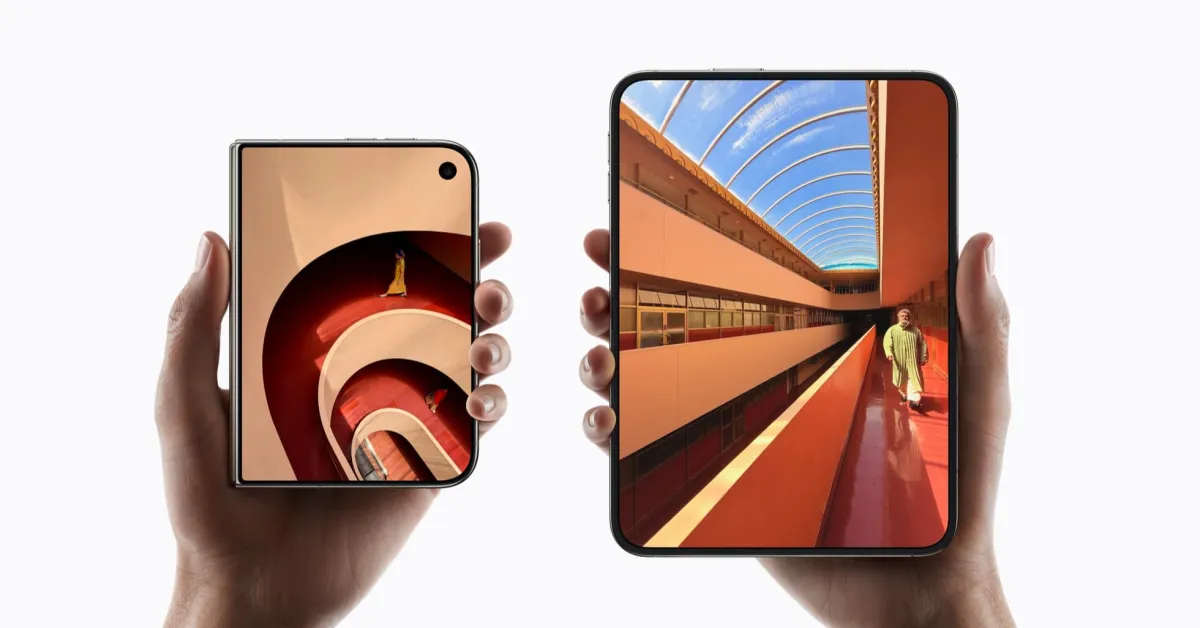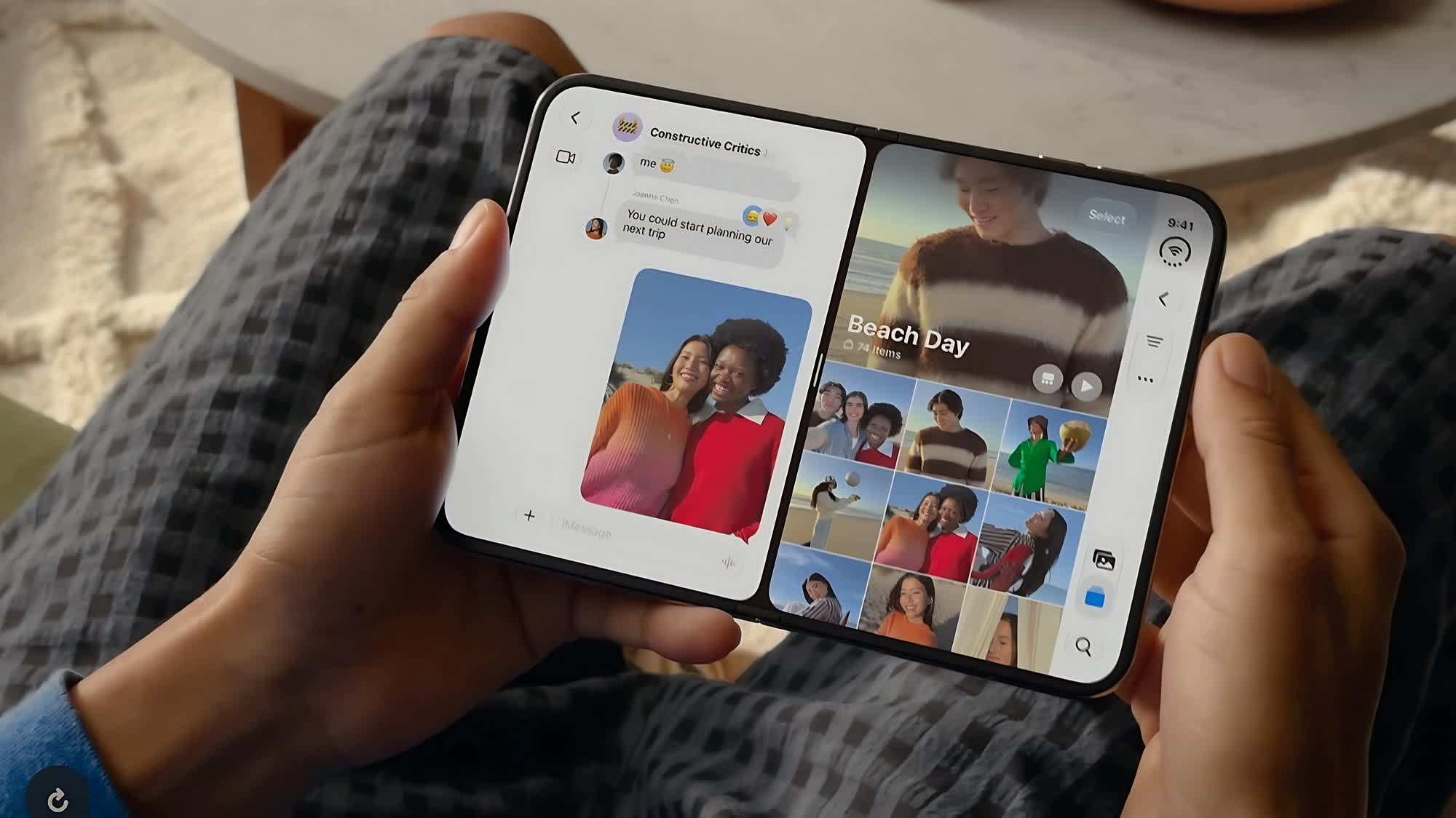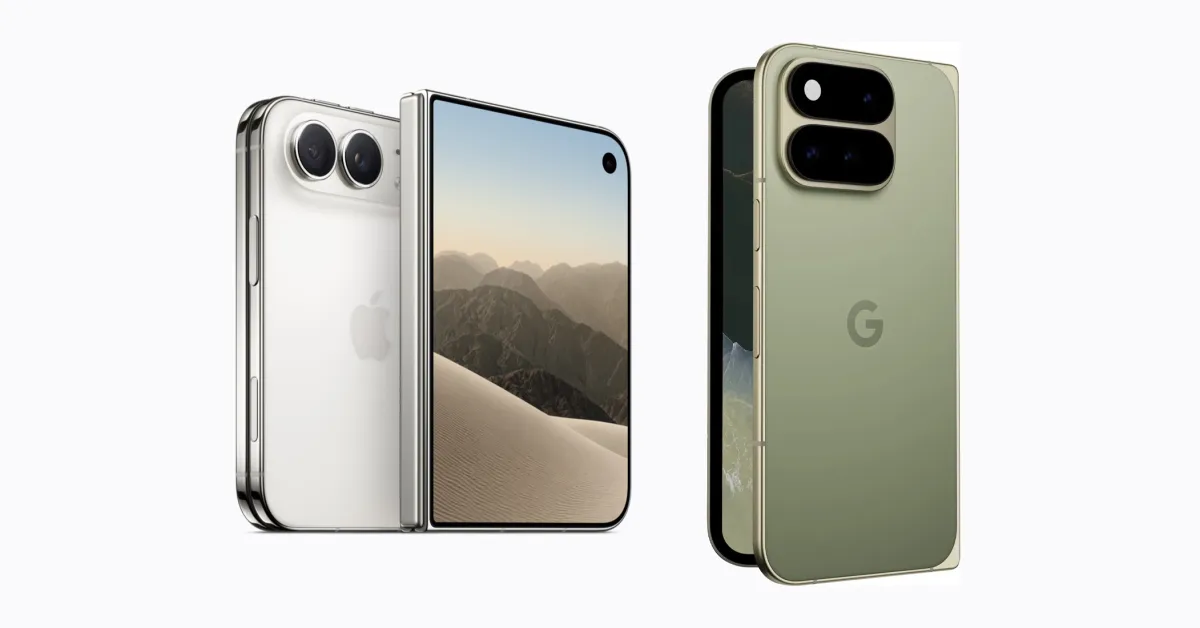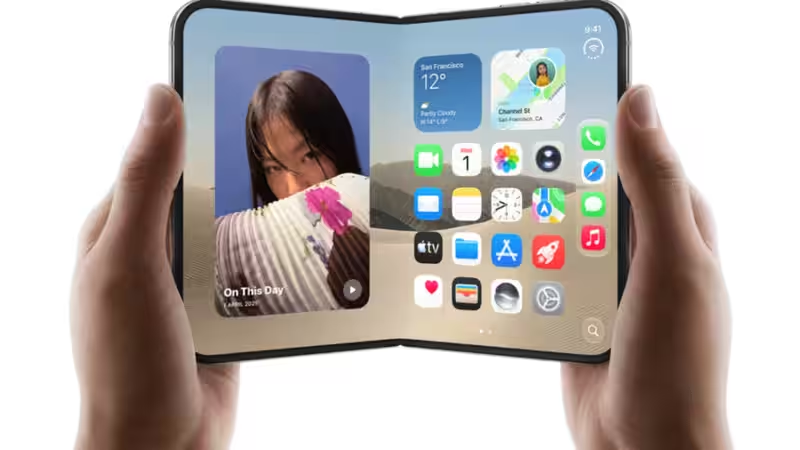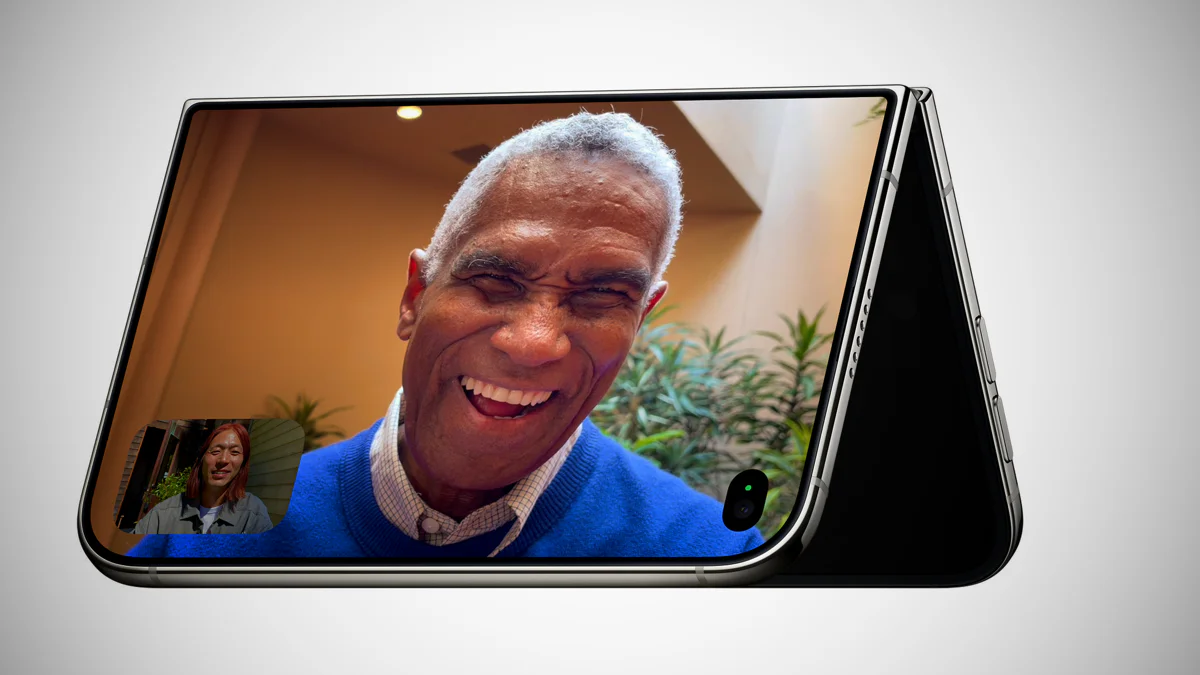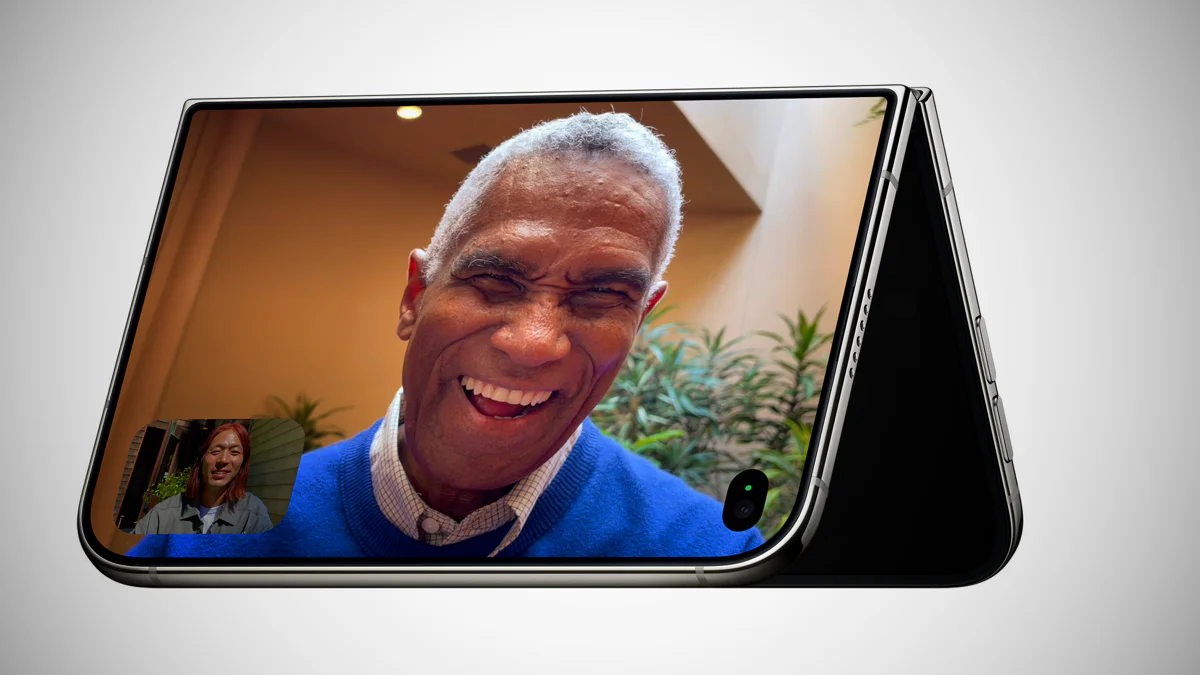
How resistant is the iPhone Duo? In the past, foldables have repeatedly struggled with quality issues from the outset, such as Samsung’s very first Galaxy Fold from 2019. While the devices are now (significantly) more stable, even the latest Z Fold 8 from the South Koreans has serious problems with ingress of material, such as sand getting into the hinge. Apple seems to have done more here: The company is giving its Duo an IP68 rating for dust and water resistance.
The crucial sand test
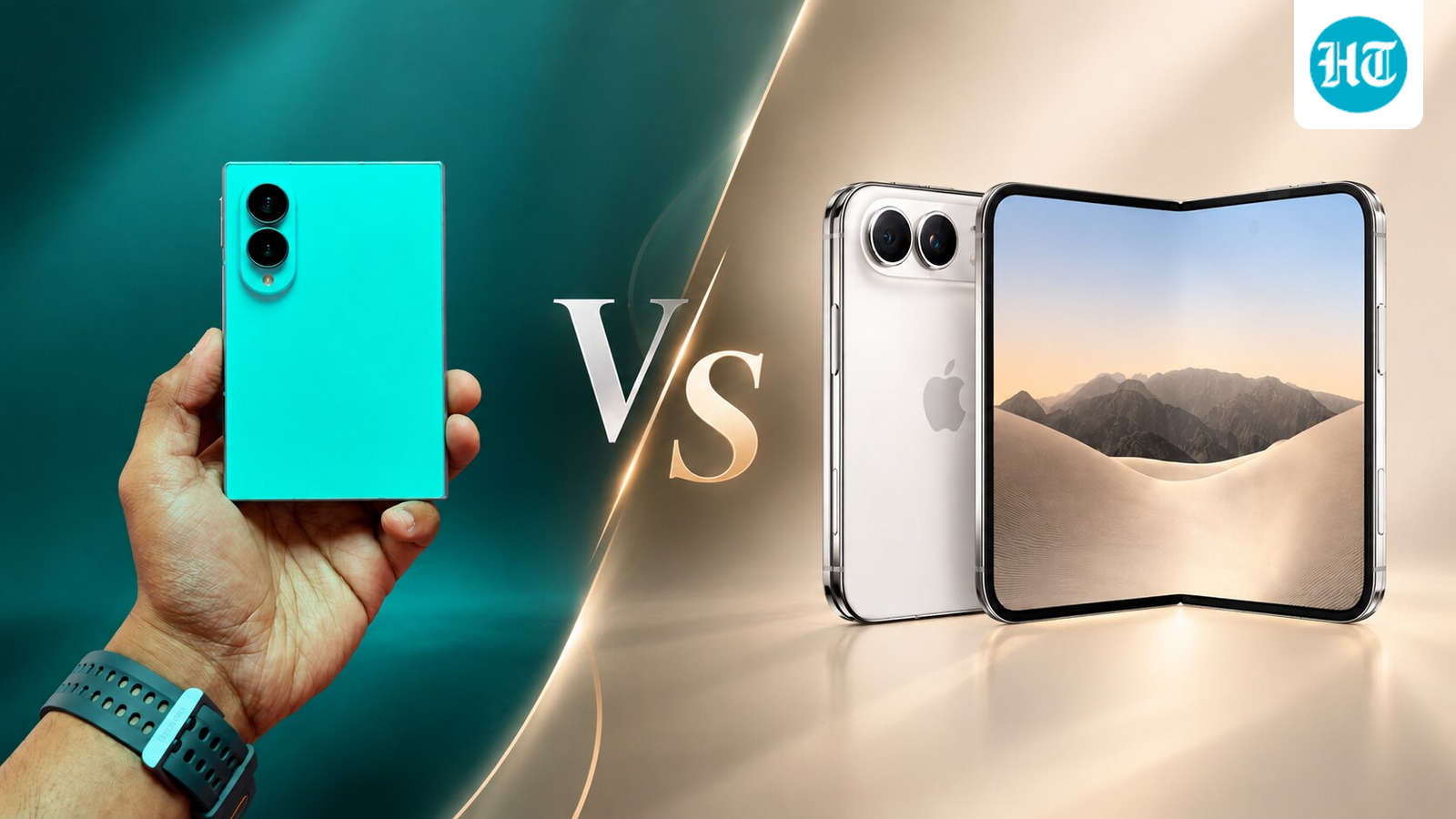
For comparison: The Galaxy Z Fold 8 only achieves IP48 here, meaning it is not completely dustproof as would be the case with IP68, as this standard only protects against the ingress of “foreign bodies larger than one millimeter.” In terms of water resistance, the two devices are on par; they can be submerged for up to 30 minutes at a maximum depth of 6 meters. However, whether Apple has truly achieved the aforementioned dustproofness remains to be seen in teardowns and corresponding tests. Google’s Pixel 11 Pro Fold also has an IP68 rating. But as the repair experts at iFixIt have shown, this doesn’t mean much, as the foldable did not survive the sand test.
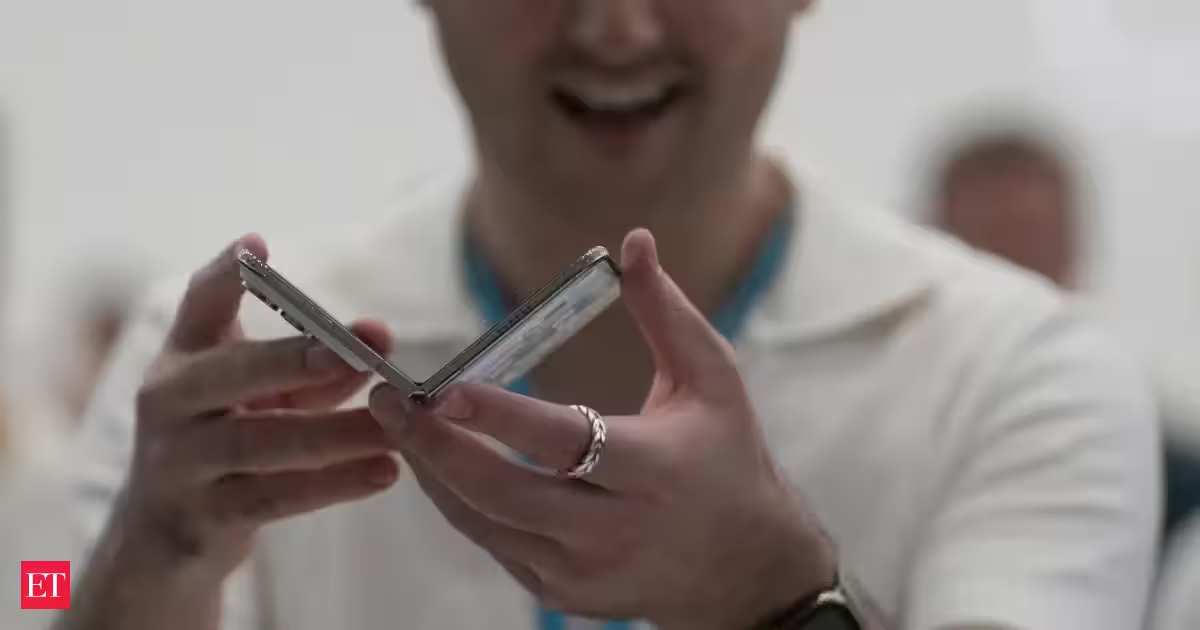
Compared to the Z Fold 8, the iPhone Duo is said to appear more stable and valuable, according to journalists who were able to touch it after this week’s Apple Keynote. Apple has not set itself the goal of bringing the thinnest and lightest foldable to market. It weighs 254 grams and is 11.3 millimeters thick when closed, although it is still the thinnest iPhone of all time when open (i.e., thinner than the iPhone Air, measured outside the camera platform). Competitors are lighter and thinner: the Galaxy Z Fold 8 weighs 201 grams and is 9.7 millimeters thick; the Pixel 11 Pro Fold weighs 239 grams and is 10.1 millimeters thick.