Story audio is generated using AI
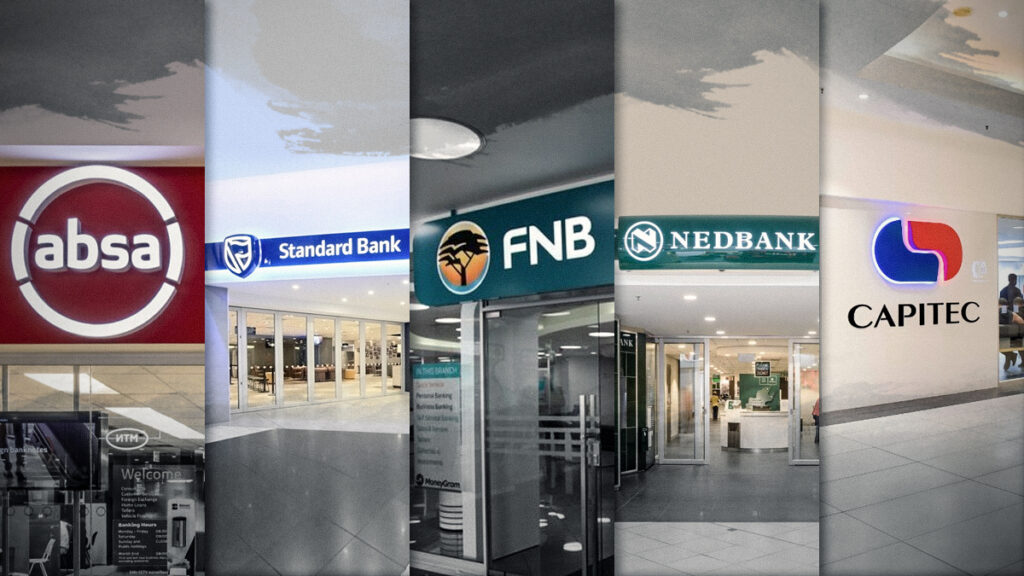
Retail banking in South Africa is a highly competitive space that has attracted retailers, insurance groups, telecommunication companies and fintechs in equal measure. Consumers have more options than ever, forcing traditional banks to innovate to stay relevant — with “relevant” being the operative word.With the influx of new entrants and a marauding Capitec, which has amassed 26-million clients in as many years, First National Bank (FNB) has held its own, competing fiercely on two fronts: personal and private banking and commercial banking.FNB, which traces its roots to the founding of the Eastern Province Bank in Grahamstown in 1838, is a key cog in FirstRand’s portfolio, accounting for 59% of the group’s earnings in the year ended June.FNB, headed by Lytania Johnson, reported normalised earnings of R26.4bn, up 12% year on year, and ended the period with nearly 9-million retail clients. Of those, nearly 1.9-million are in the private banking category, which means they have incomes of more than R750,000 a year. Private banking is where banks look to win more market share, because these clients hold multiple products.FNB’s lending patterns show the private segment did the heavy lifting in the year under review. The bank cut back advances to the 7-million clients in personal banking by R5.4bn, but loans to private banking clients rose by R26.7bn.The bank reported a slight decline in customers in the personal segment, attributing this to the fact that many migrated into private banking, which is core to FNB’s strategy of ensuring that offerings are appropriate throughout the lifecycle of each client. The bank’s digital offering was a standout performer in the period under review. “Digitally active customers increased to 8.16-million, and FNB app transaction volumes increased 10% to 782-million. Activated virtual cards increased 7% to 6.3-million, while transaction values increased 47% to R101bn, supporting secure e-commerce activity and reducing fraud-related outcomes,” the bank said.The “broad church” nature of FNB is highlighted in its penetration of the community-based savings market through its stokvel value proposition. Deposits in this area increased 31% to R5.7bn, while active accounts grew 23% to 129,000.“Stokvel customers using digital platform channels now account for 77% of the base, with growth in unassisted sales reflecting increased adoption of self-service capabilities.”First among equals (Nolo Moima) The bank’s eWallet product is a key entry point for new clients, with the platform remaining South Africa’s market leader in send-money services, facilitating about 68-million transactions during the year.FNB adapted to the changing payments landscape in the period by implementing PayShap as its default instant payment option.“As a result, PayShap payment volumes have increased more than eight times year on year. With the increasing adoption of digital payment alternatives, cash transaction volumes declined, resulting in muted increases in cash-linked non-interest revenue.”FirstRand CEO Mary Vilakazi told Business Times: “FNB’s advances increased, particularly in the second half of the year, with encouraging new business volumes in personal loans and residential mortgages in both the personal and private subsegments. Commercial advances growth reflects the benefits of FNB’s long-term strategy to focus on sectors exposed to structural reforms and cyclical growth trends.”FNB’s commercial business, the biggest in the country, ended the year with nearly 1.4-million clients in the informal economy, or the “community economy” as the bank dubs it. It extended loans totalling R10bn in this sector, which includes entrepreneurs, SMEs, growth enterprises and public institutions, and took in R60bn in deposits.Competition in this category, particularly the mid-corporate market, has intensified in recent years, with Nedbank and Investec seeing opportunities for growth.Investec earlier this year restructured its South African business into three core segments — private clients, business & commercial, and corporate & investment — as part of a strategy to better align with clients’ needs.Investec aims to amass about 1,500 mid-market companies (those with earnings of between R30m and R1.5bn annually) a year until 2030. The Fani Titi-led bank is confident it can dominate this market and is focusing on clients with turnovers of at least R100m. It is “selectively” onboarding firms with lower turnovers. WesBank, FirstRand’s vehicle financing arm, had an underwhelming year, reporting a 20% plunge in normalised earnings to R1.4bnNedbank has also restructured to place greater emphasis on mid-size corporates and is targeting a market share of 25%. To this end, the lender poached erstwhile FNB Business CEO Andiswa Bata to be managing executive of its business and commercial unit.Standard Bank and Absa also have significant presences in commercial banking, the last stage before companies graduate to the corporate and investment banking (CIB) ranks.FNB’s commercial business reported 7% growth in advances, targeting sectors where customer activity is strongest, such as agriculture, logistics and energy.Commercial customer numbers increased 2%, with enterprise up 7%. FirstRand’s CIB business, Rand Merchant Bank (RMB), led by Emrie Brown, also had a stellar year, reporting R12.3bn in normalised earnings, up 15% from the prior year.RMB’s deposit franchise, which includes the core deposit-taking activities in treasury and trade solutions, grew to R263bn, up R33bn year on year. The global markets unit rebounded strongly, with profit before tax up 82%. WesBank, FirstRand’s vehicle financing arm, had an underwhelming year, reporting a 4% drop in normalised earnings to R2.3bn.The group’s total performance was hit by the R17bn regulatory provision tied to a UK motor finance commission probe, which saw the group’s profit decline 5% to R39.7bn.Vilakazi said the group, worth R540bn on the JSE, was on a strong footing going into the new financial year. It is guiding normalised earnings growth from continuing operations of high single digits or low double digits.“The group is confident in its revised commitments to shareholders. FirstRand’s client-facing franchises are healthy and well positioned for ongoing growth, as they have clearly demonstrated this year,” Vilakazi said. “In addition, the group’s financial resource management approach, a clear differentiator for FirstRand vs its peers, continues to add significant value in driving balance sheet efficiency, margin uplift, capital strength, and, ultimately, a superior return in equity.”Business Times