Courtesy of The Atlantic; BI
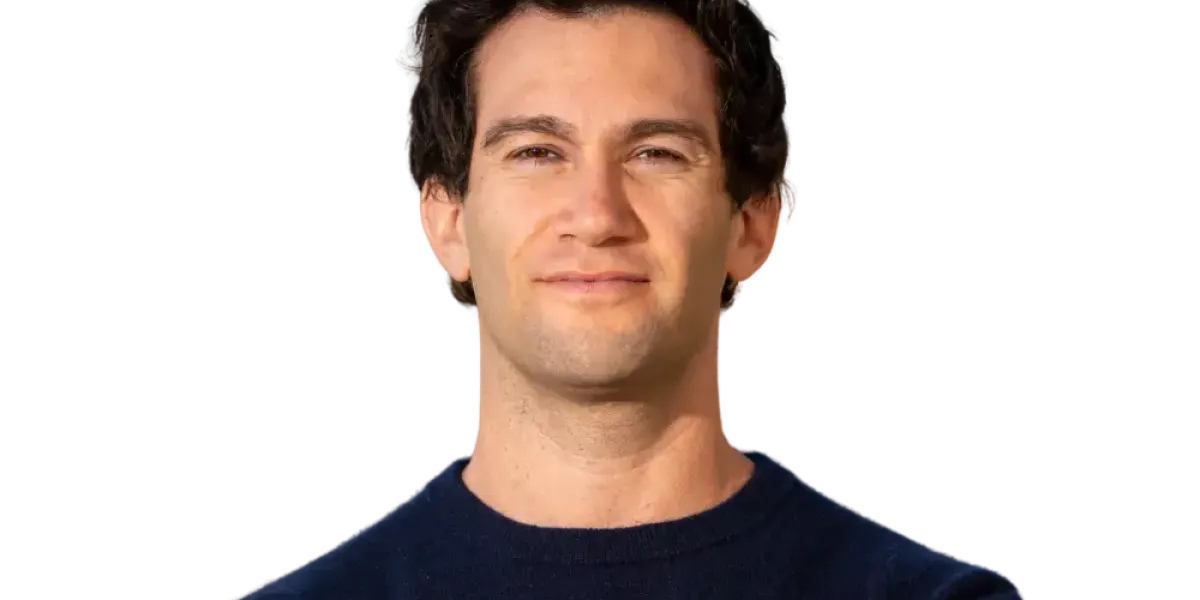
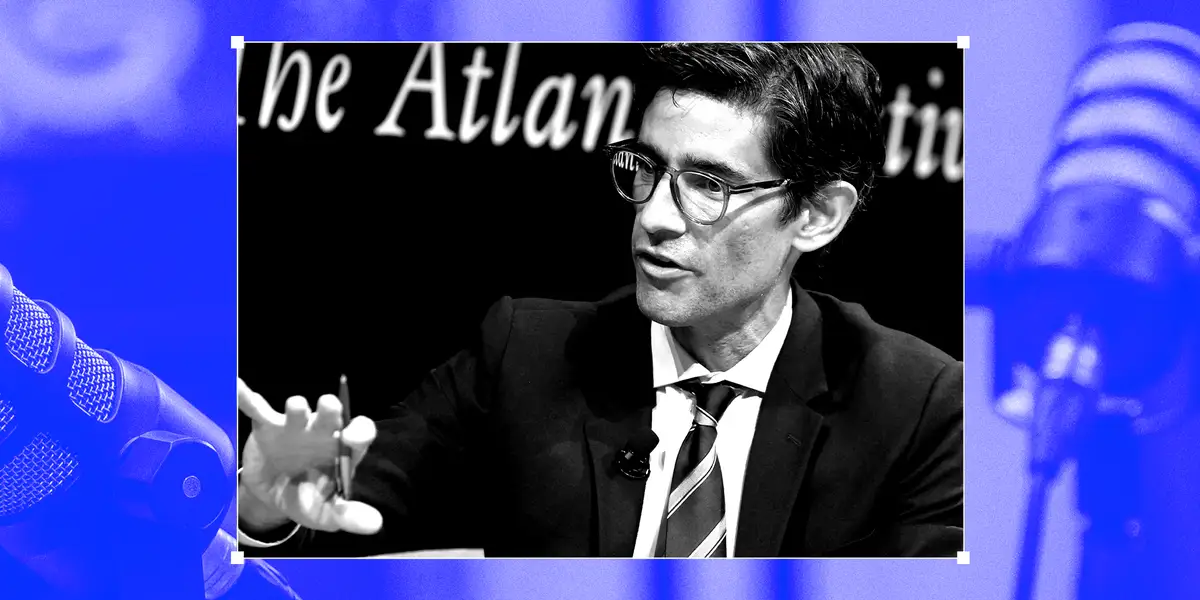
Running a great magazine is hard. So is turning a money-losing magazine into a profit center.Nicholas Thompson has done both. The CEO of The Atlantic took the job in 2021, when it was gushing red ink and slashing its workforce. Today it's profitable, boasts 1.6 million subscribers, and revenue that Thompson says is "much bigger" than $100 million — the number it last reported in 2023.Thompson has the advantage of a very deep-pocketed owner — Laurene Powell Jobs, who is worth a reported $15 billion — and a very talented editor. Under editor in chief Jeffrey Goldberg's watch, the Atlantic has become a consistent source of must-read pieces.But Thompson is also an atypical CEO: Prior to joining The Atlantic, he had a long career as an editor at outlets like Wired and The New Yorker. On top of that, he's a prolific creator who churns out books, podcasts, and, most recently, vertical videos for a very large audience.I talked to Thompson about what it's like to work for one of the richest people in the world, what AI has done for his magazine and why it has yet to produce a breakthrough product that normal people use, and why he's a business-side executive making content that looks a lot like the stuff the editorial staff at his publication might make for themselves. You can listen to the entire interview on my Channels podcast; the following is an edited excerpt of our conversation.Peter Kafka: Like lots of publishers, The Atlantic has a billionaire owner: Laurene Powell Jobs, one of the wealthiest women in the world. What does she want from you guys, and what is she giving you? Are you supposed to be a self-sustaining business? Do you ask her for money to expand?Nicholas Thompson: My mandate when I was hired was to make it profitable. When you have wealthy owners, people don't understand that they care about taking the business seriously.You don't get to be that wealthy, and you don't maintain that wealth by not caring about how businesses are run.I think she cares a lot about improving democratic conversation in America and making sure that young people know a lot about the most important issues of the day.