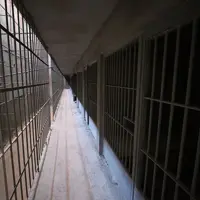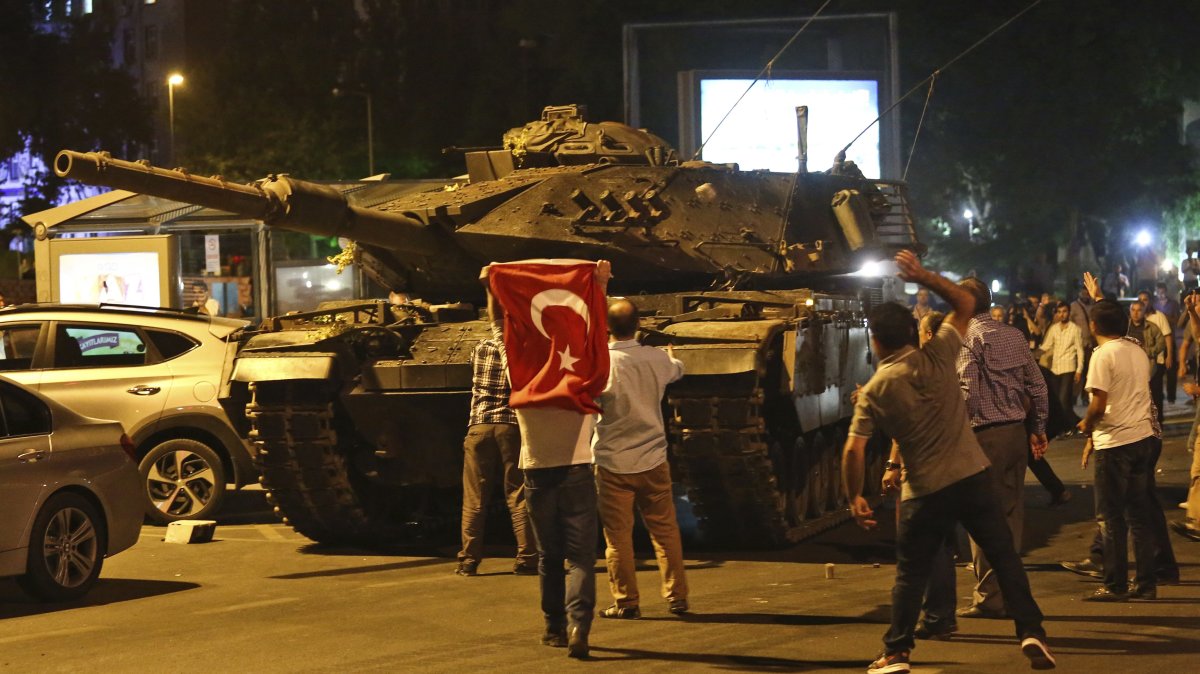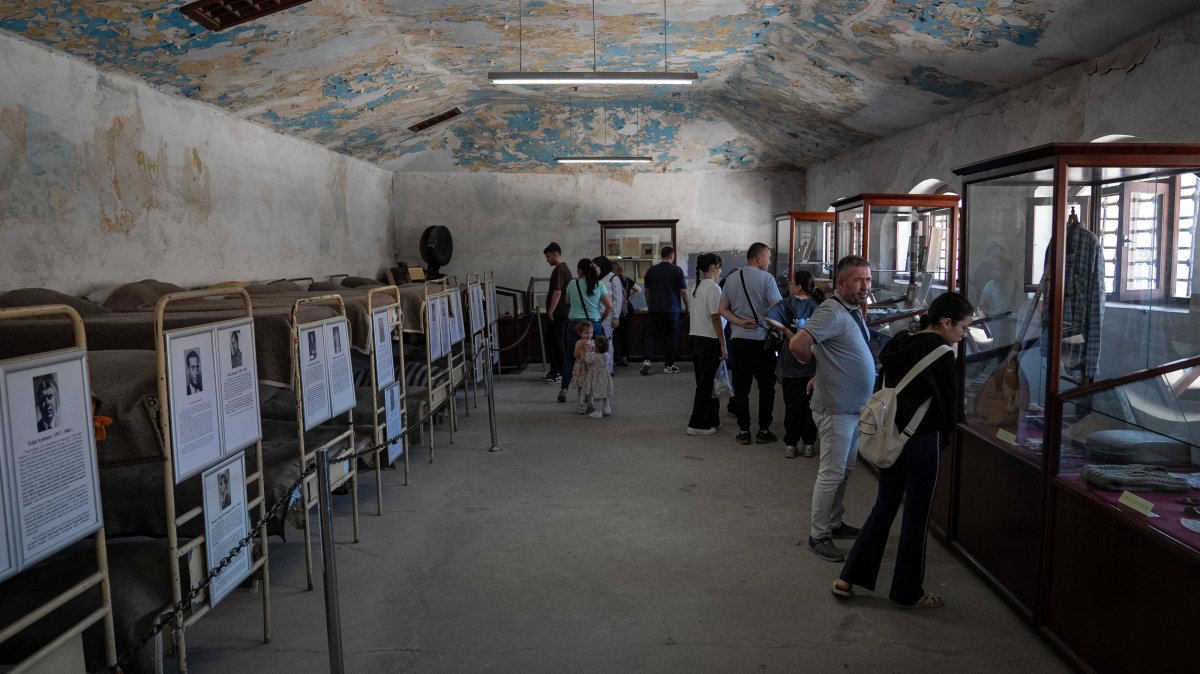
Forty-six years after the Sept. 12, 1980, military coup suspended democracy in Türkiye, the memories of imprisonment, executions and torture remain vivid for survivors, while Ankara’s former Ulucanlar Prison stands as a stark reminder of one of the darkest chapters in the country’s political history.
Built in 1925 as the first prison of the newly founded Republic of Türkiye, Ulucanlar witnessed some of the country’s most turbulent political periods during its 81 years of operation. Politicians, journalists, writers and activists from across the political spectrum were held behind its walls.
The prison was closed in 2006 and transferred to Ankara’s Altındağ Municipality for restoration three years later. It reopened as a museum on June 15, 2011, preserving prison cells, inmates’ personal belongings and accounts of those who were incarcerated or executed there.
The Sept. 12 coup began when Chief of General Staff Gen. Kenan Evren announced the military takeover in a radio address. The National Security Council, composed of Evren and the commanders of the armed forces, assumed control of the country, dissolved Parliament and ushered in a period of sweeping political repression.
Hundreds of people faced death sentences in military courts established after the coup. Left-wing activist Necdet Adalı and nationalist Mustafa Pehlivanoğlu were executed in October 1980.