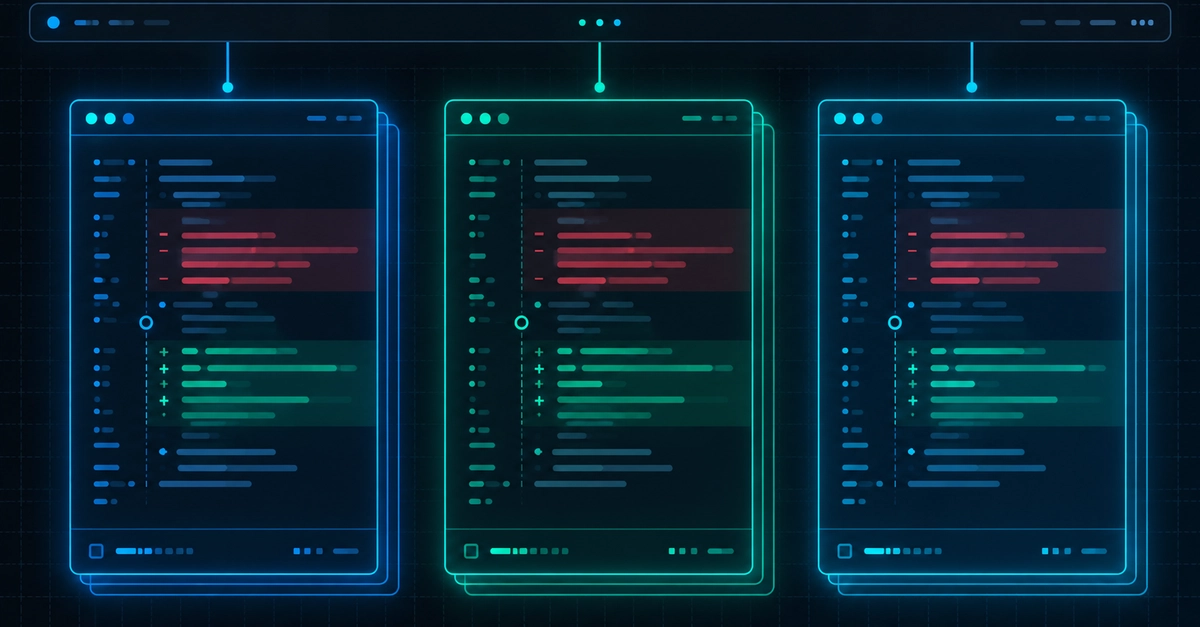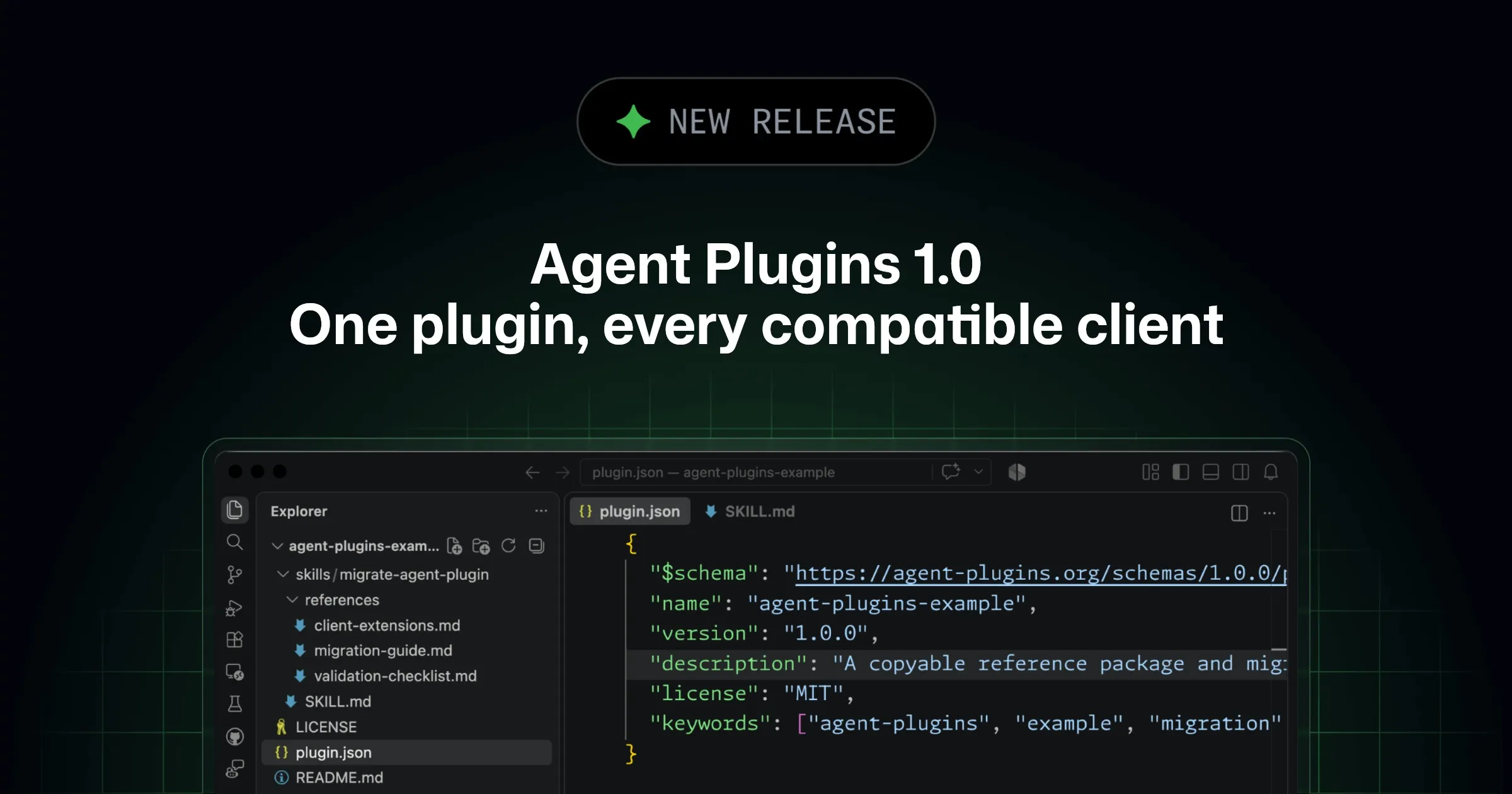
Cursor just open-sourced their plugin specification (7,421 stars, 648 forks) and it exposes production-grade agent coordination patterns that most frameworks hide behind abstractions. Each plugin is a standalone directory with a .cursor-plugin/plugin.json manifest that defines tool boundaries, orchestration flow, and agent-to-agent handoffs. The repo includes plugins like orchestrate (parallel cloud agents with planners, workers, and verifiers), thermos (parallel subagent security audits), and continual-learning (incremental memory updates). This is not a framework pitch. This is plumbing.
Why a Manifest Matters for Agent Tool Boundaries
Most agent frameworks let you register tools as Python functions or TypeScript methods. Cursor's plugin.json takes a different approach: it treats each plugin as a scoped unit with explicit metadata, dependencies, and orchestration hints. The manifest defines:
Name and category: scopes the plugin's domain (e.g., "Developer Tools").
Description: surfaces in the marketplace and helps the orchestrator decide when to invoke.