Amplitude's engineering team wanted to build a fully autonomous development pipeline that could take software from idea to production with minimal developer intervention. With Cursor, Amplitude has now set up systems that take in context from across the software lifecycle—from customer feedback to observability tools to code reviews—and hand it off to agents for execution.
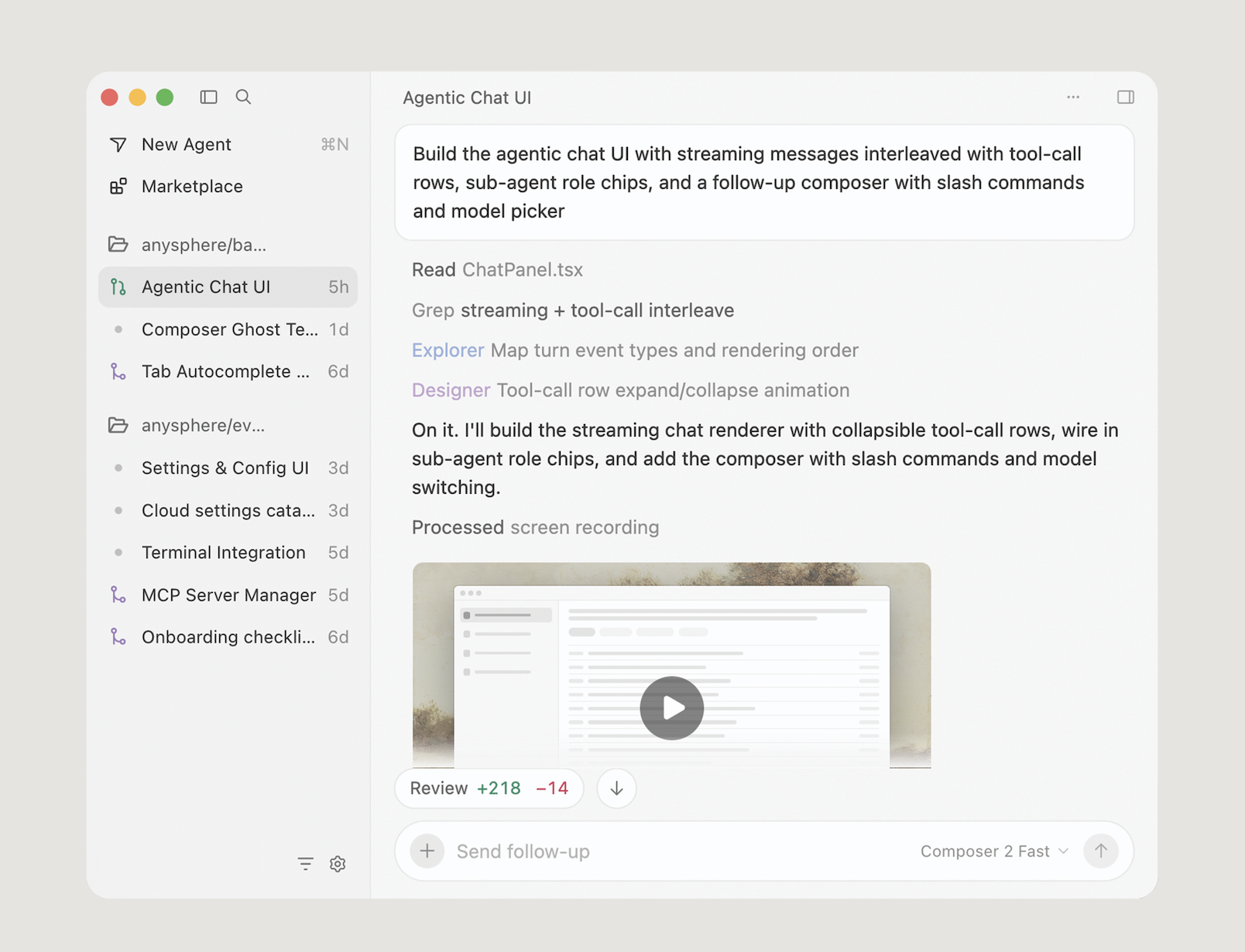
Now, when customers report bugs or feature requests in Slack, cloud agents automatically kick off to investigate, open a ticket, and write a fix. Cursor Automations run continuously in the background, migrating legacy code and classifying risk levels for every new or updated PR. Bugbot serves as the first line of review, merging low-risk changes automatically while routing high-risk PRs to the right reviewers.
Most AI coding tools give you more code. Cursor gives you more useful production software. The ability to run agents that can effectively parallelize work, test their own changes, and take a feature from idea to production is the difference.Curtis LiuCTO, Amplitude
Local-only agents constrain parallelization and autonomy
Early on in its adoption of coding agents, Amplitude ran into what Adam Lohner, a staff software engineer, described as a false plateau in engineering productivity.