September 11, 2026 | 09:39 am
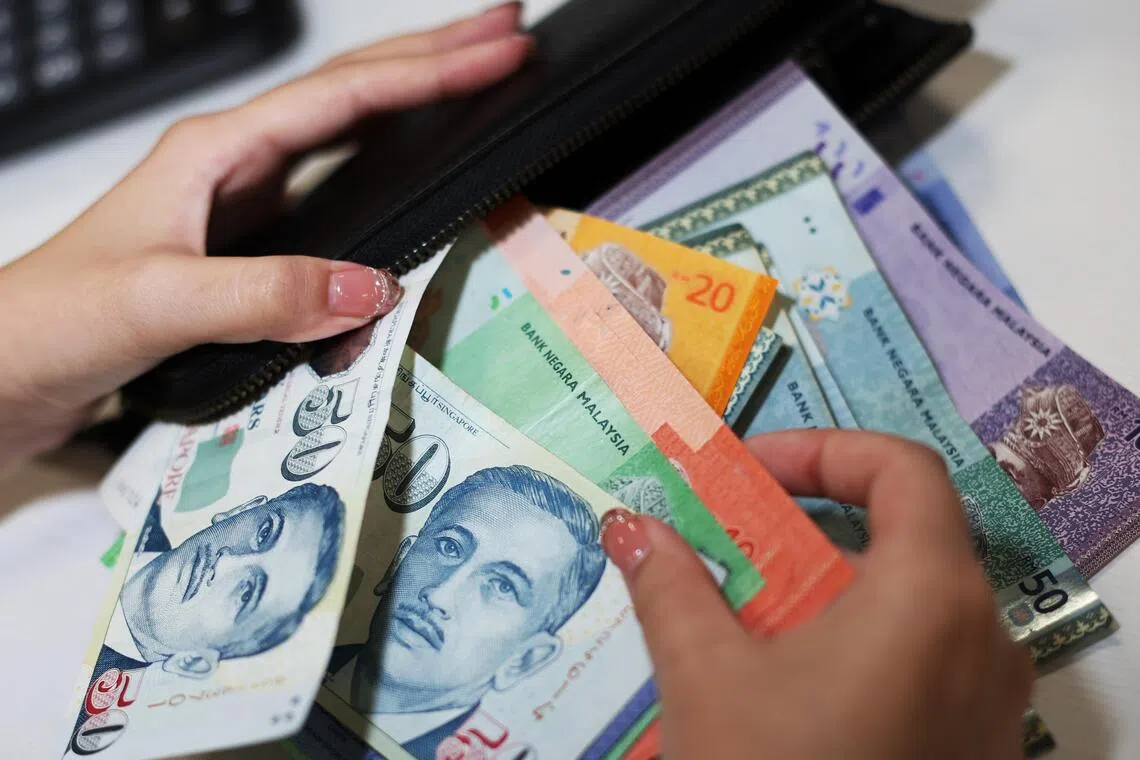
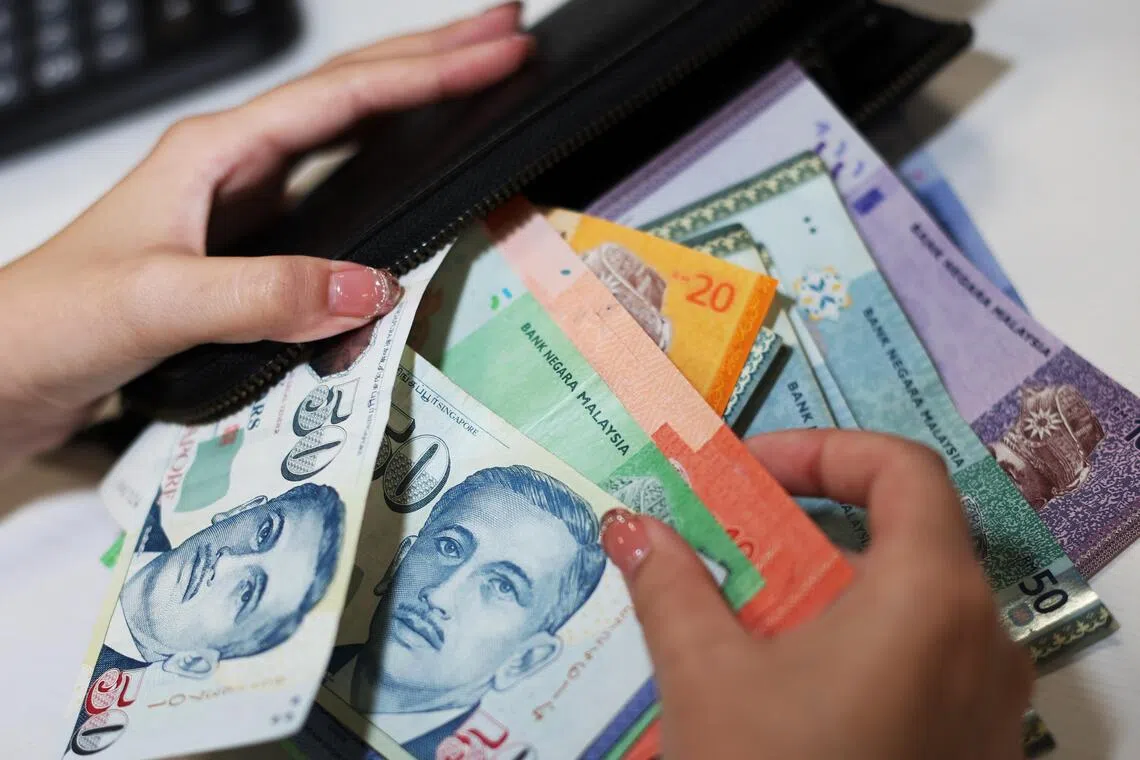
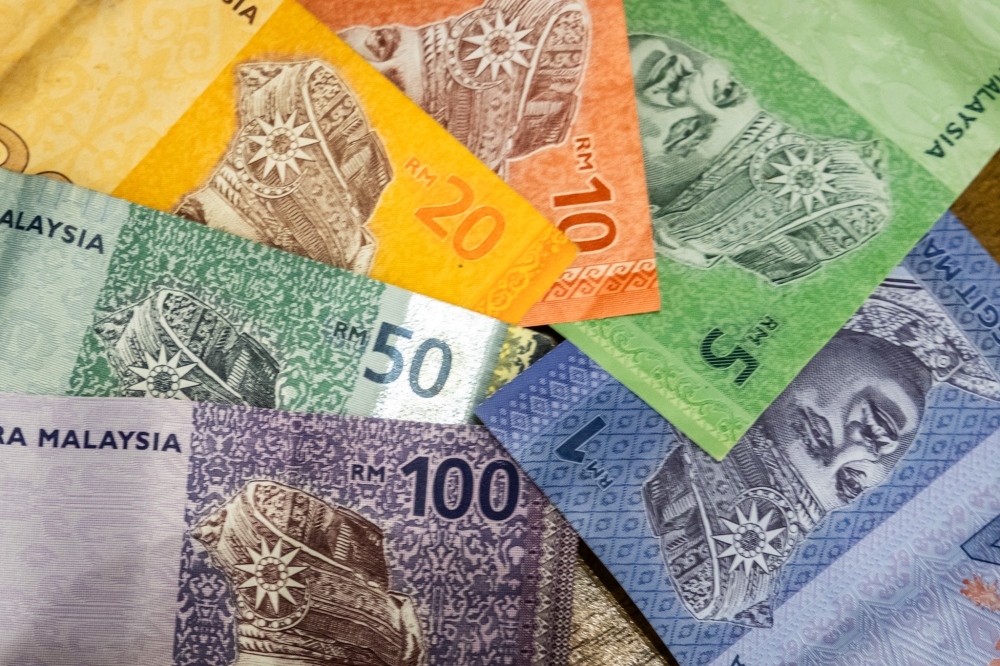
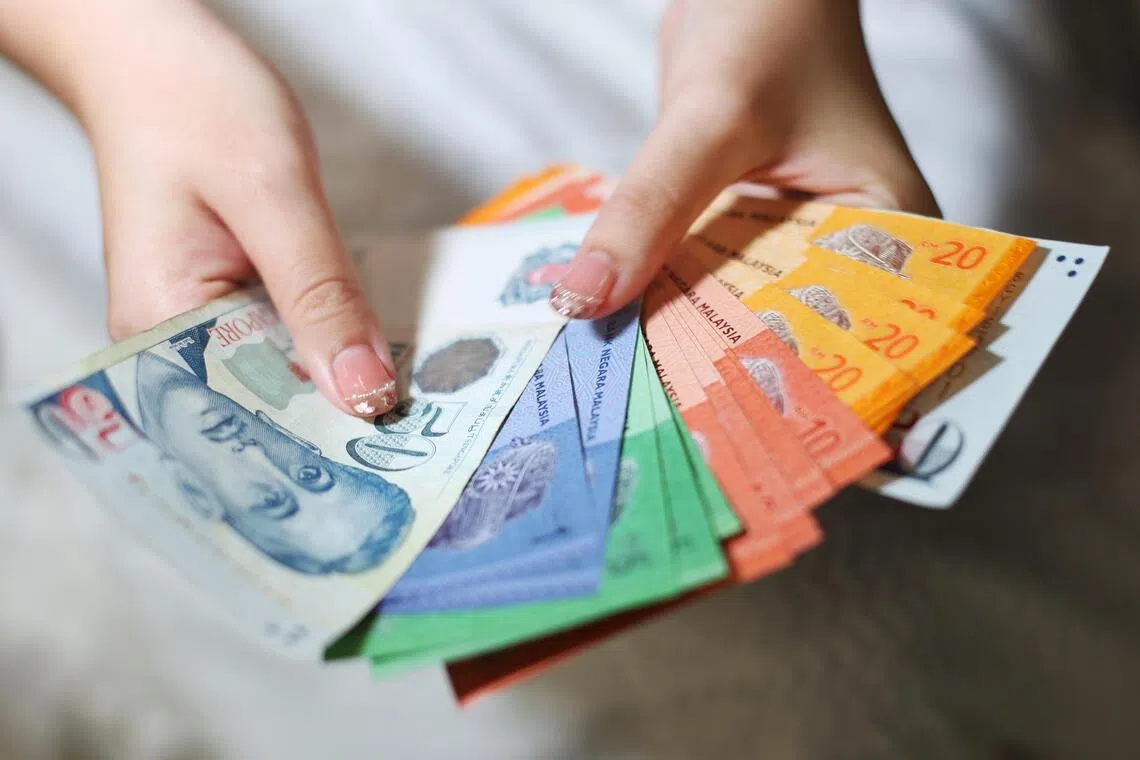
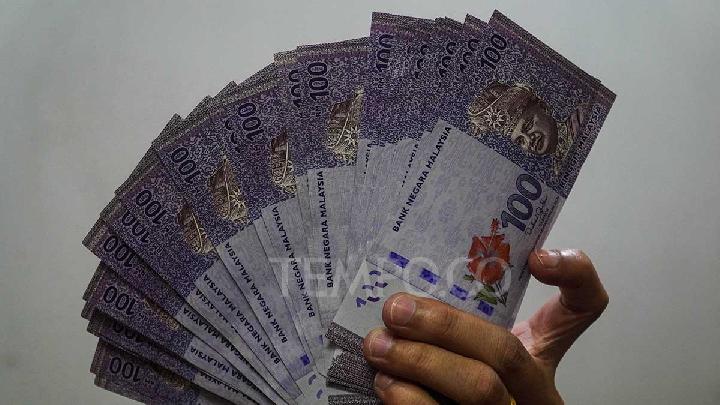
TEMPO.CO, Jakarta - The Malaysian ringgit fell to a 10-month low against the Singapore dollar on September 9, reaching 3.22 per Singapore dollar. Some Singaporeans welcome the decline, saying the favourable exchange rate could encourage more trips and spending across the Causeway. According to The Straits Times, several factors have driven the weakened ringgit, including foreign fund outflows from Malaysian assets, broader risk-off sentiment and uncertainty surrounding Malaysia’s fuel subsidy plans. Analysts said the decline does not necessarily reflect a deterioration in Malaysia’s economic fundamentals. The currency had gained 3.77 percent against the Singapore dollar in 2025, but has weakened 1.86 percent so far in 2026. The recent decline comes as higher global yields and uncertainty weigh on regional currencies. OCBC foreign exchange strategist Christopher Wong described the weakened ringgit as more of a near-term market adjustment. He said higher oil prices, firmer U.S. Treasury yields and risk-off sentiment have weighed on regional currencies, while a sell-off in Malaysian government securities has also affected sentiment. Higher U.S. Treasury yields can make U.S. assets more attractive compared with emerging-market assets, putting additional pressure on currencies such as the ringgit. Despite this, Wong said Malaysia’s domestic fundamentals remain relatively supportive, with growth, investment and the external sector continuing to hold up. Another concern for investors is how Malaysia will finance its fuel subsidies. Market analyst Zavier Wong said uncertainty over the subsidy bill has contributed to foreign outflows from Malaysian assets, particularly as oil prices remain elevated. Investors are now looking towards Malaysia’s Budget announcement on October 9 for greater clarity. The government is expected to explain how the subsidies will be funded, which could give markets a clearer idea of the country’s financial situation. One possibility is additional bond issuance, although investors will be watching how this affects Malaysia’s debt burden. The country has a statutory debt ceiling of 65 per cent of gross domestic product. At the same time, the Singapore dollar has benefited from its own sources of strength. The Monetary Authority of Singapore (MAS) tightened monetary policy twice in 2026, while Singapore’s strong domestic growth has allowed MAS to maintain a policy that permits the Singapore dollar to appreciate against trading partners’ currencies. The Singapore dollar has also benefited from safe-haven flows, Singapore’s political stability and strong fiscal position. While analysts expect the currency to remain strong over the longer term, global uncertainty and high oil prices could create volatility. For now, the ringgit could remain under pressure until Malaysia’s October 9 Budget provides more clarity on fuel subsidy funding.Read: How El Nino Rings Food Inflation Alarms Across ASEANClick here to get the latest news updates from Tempo on Google News