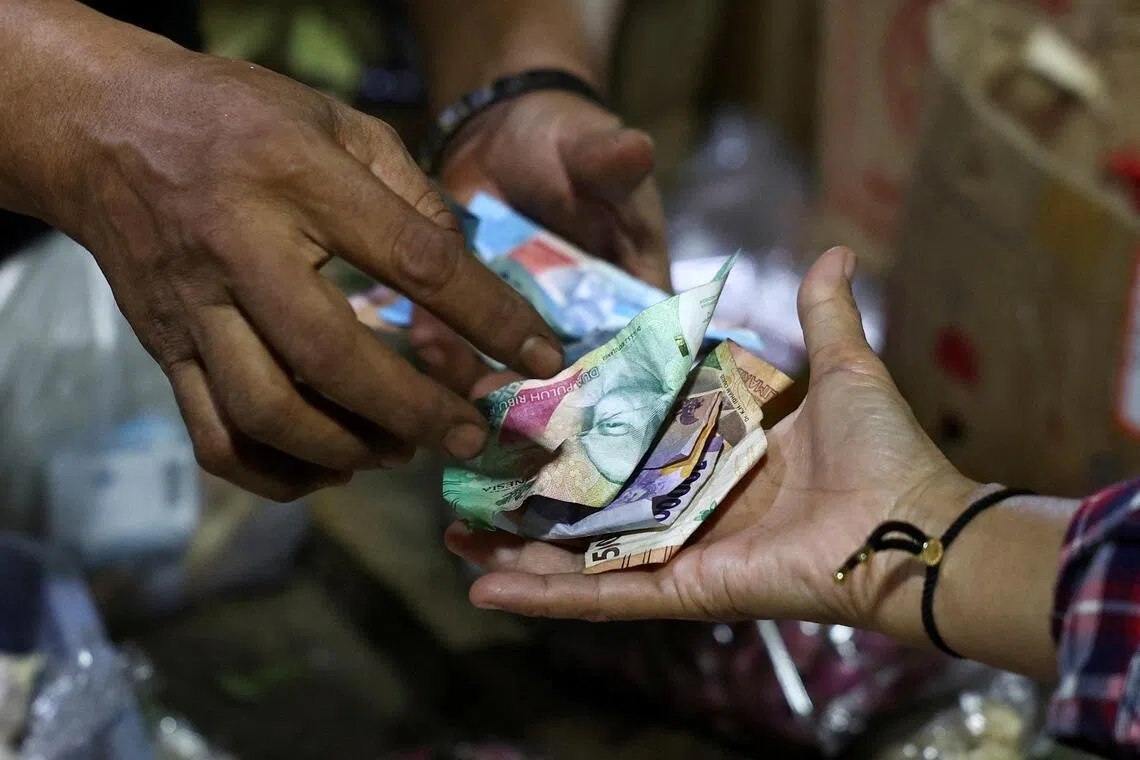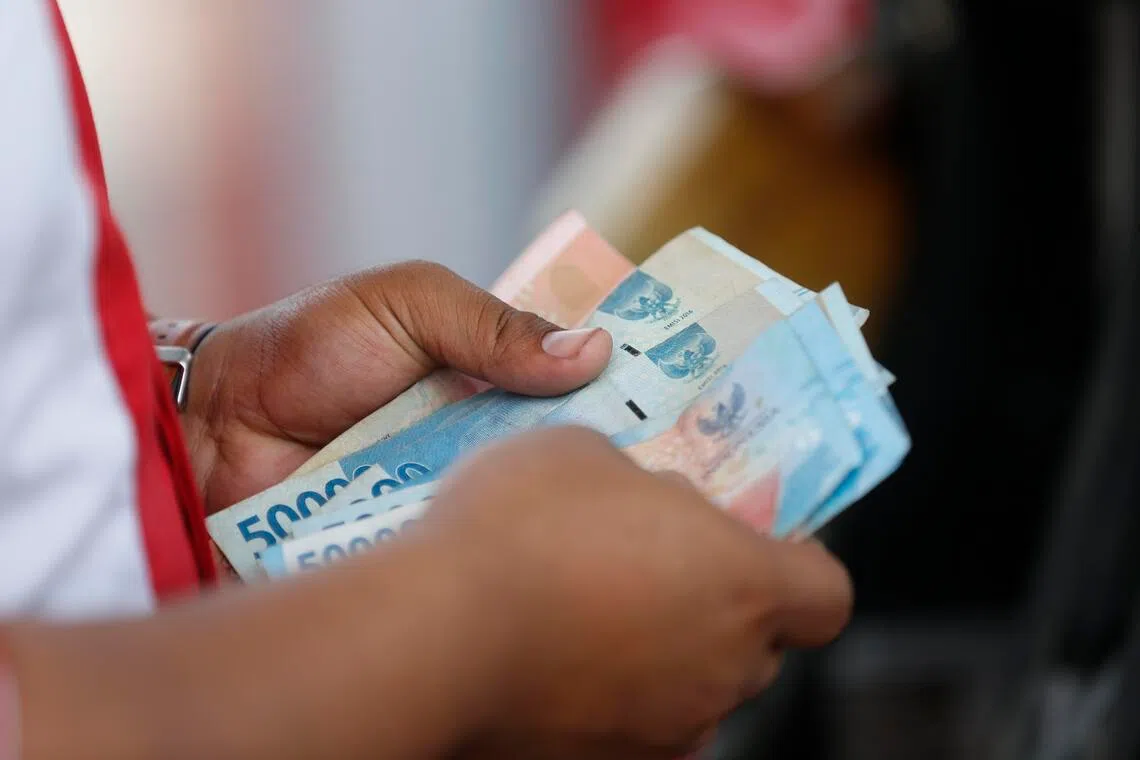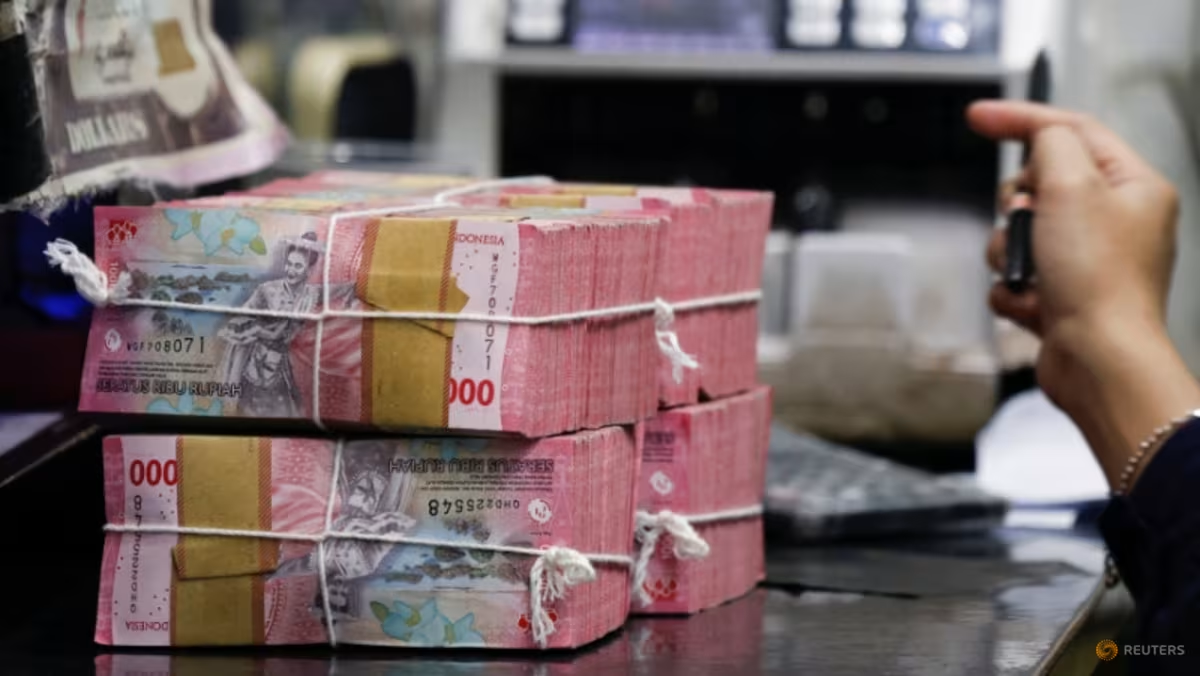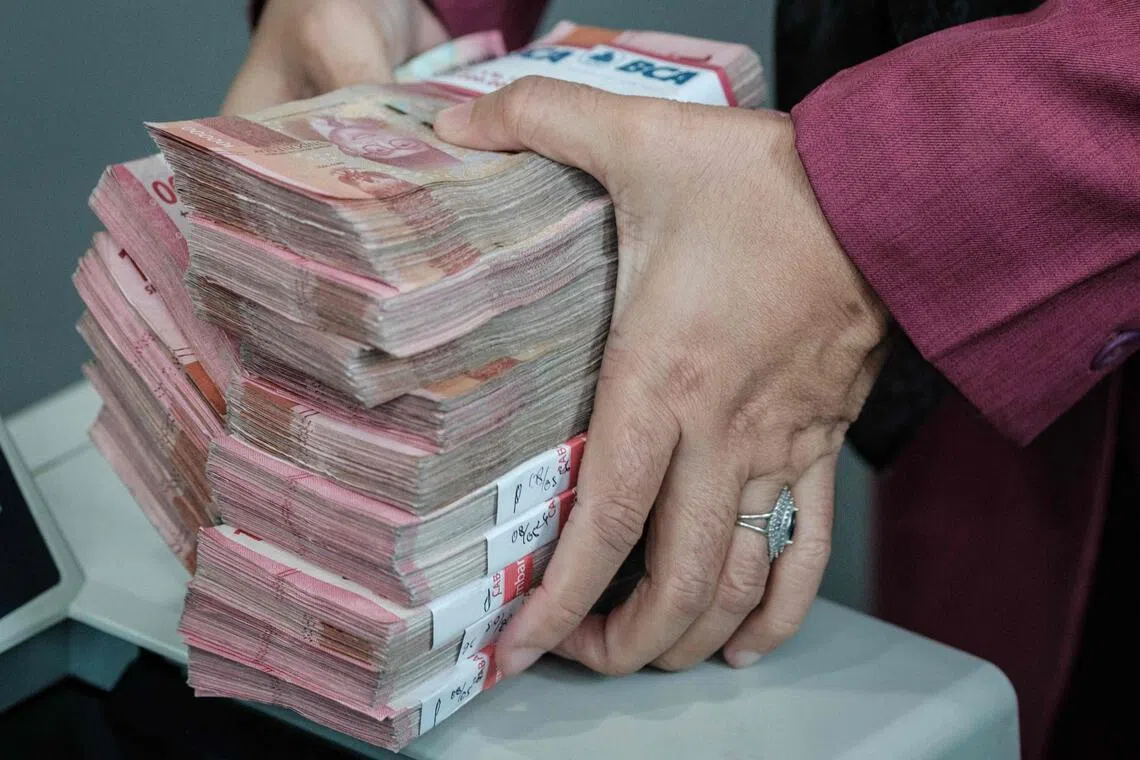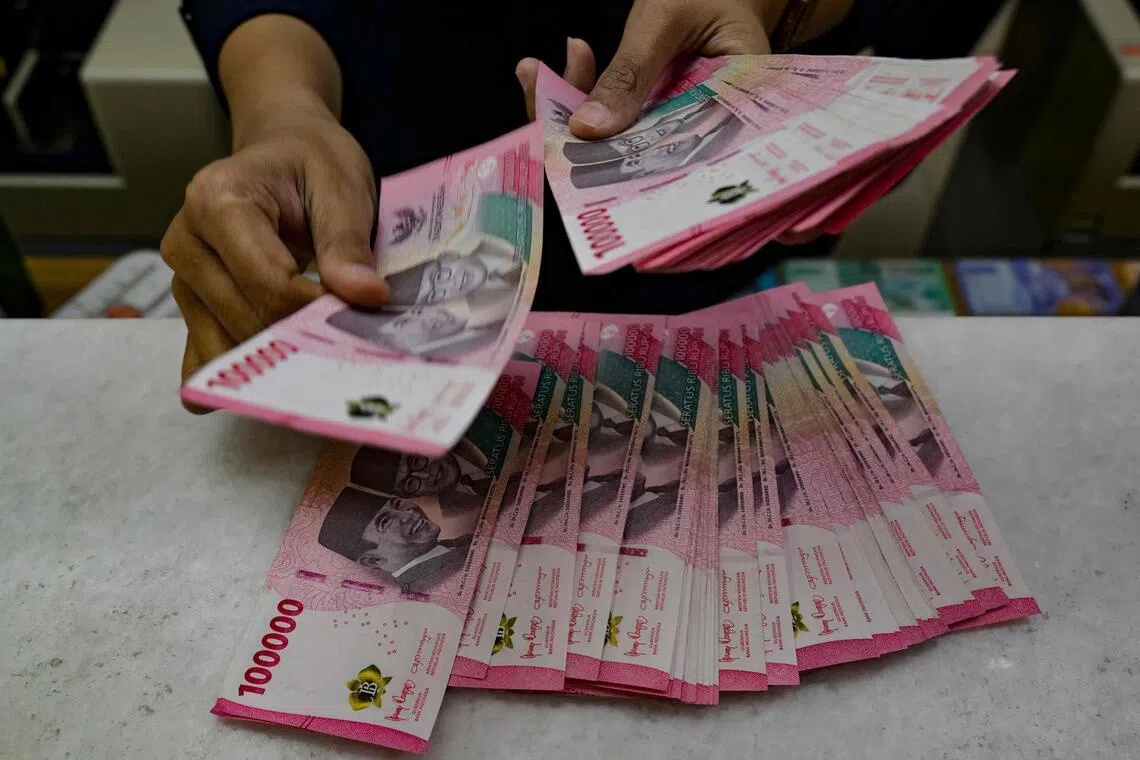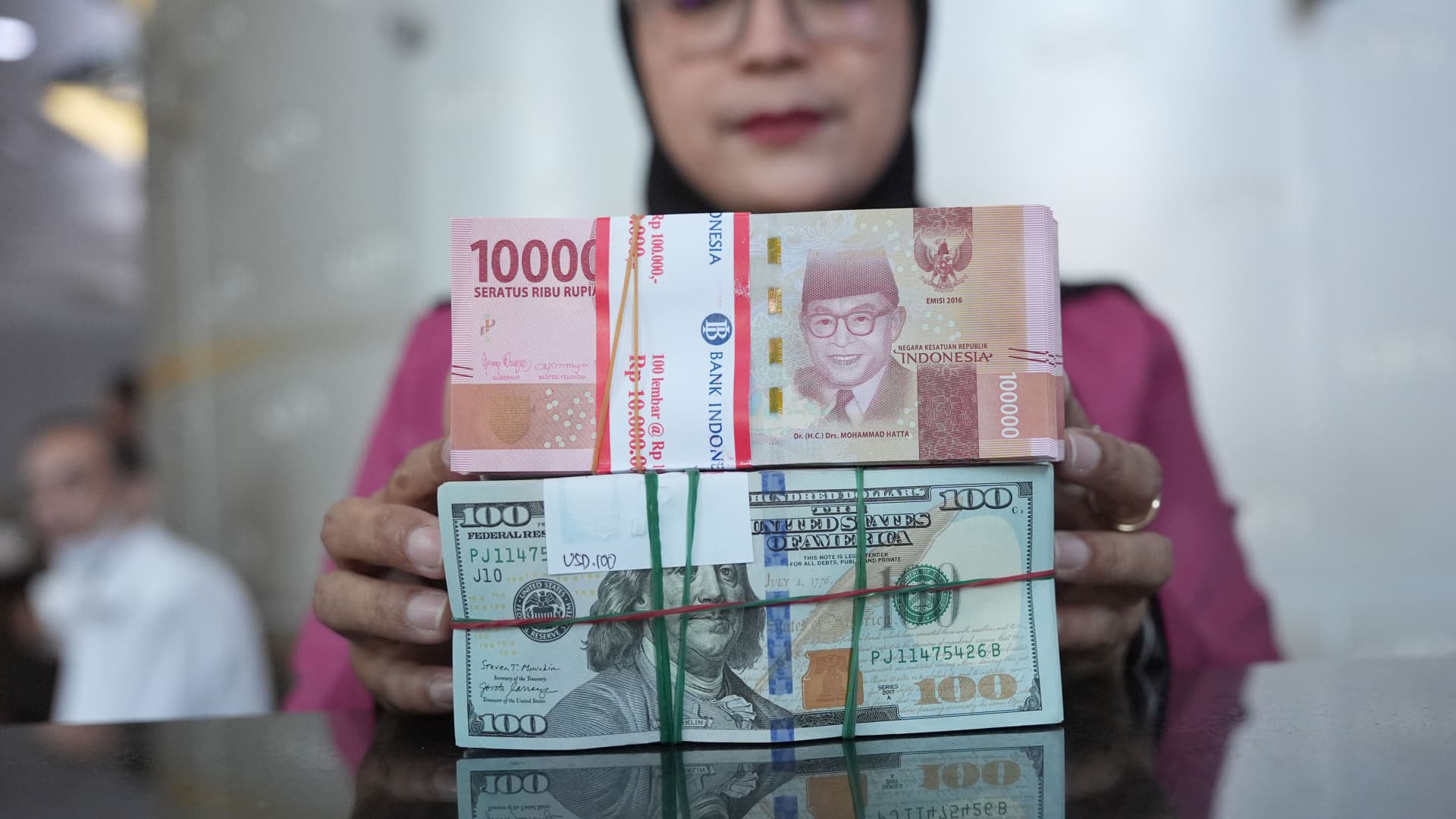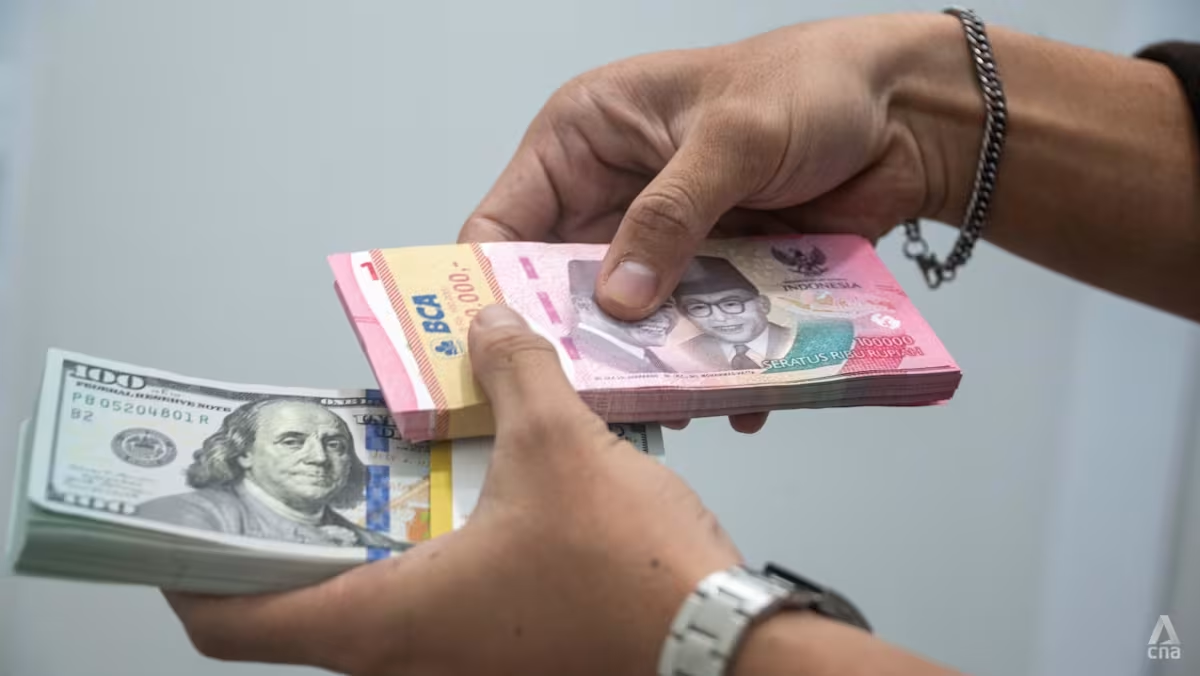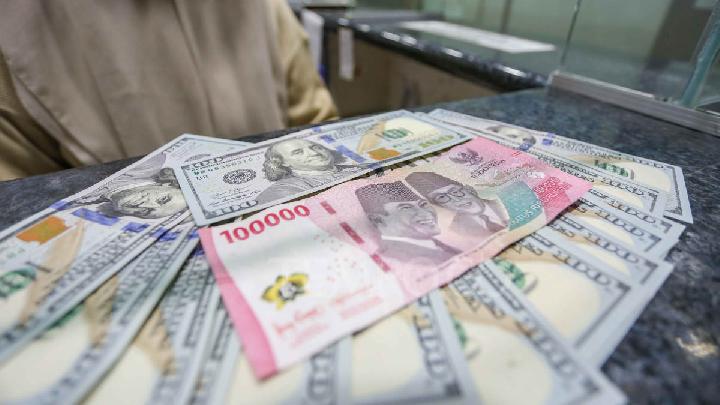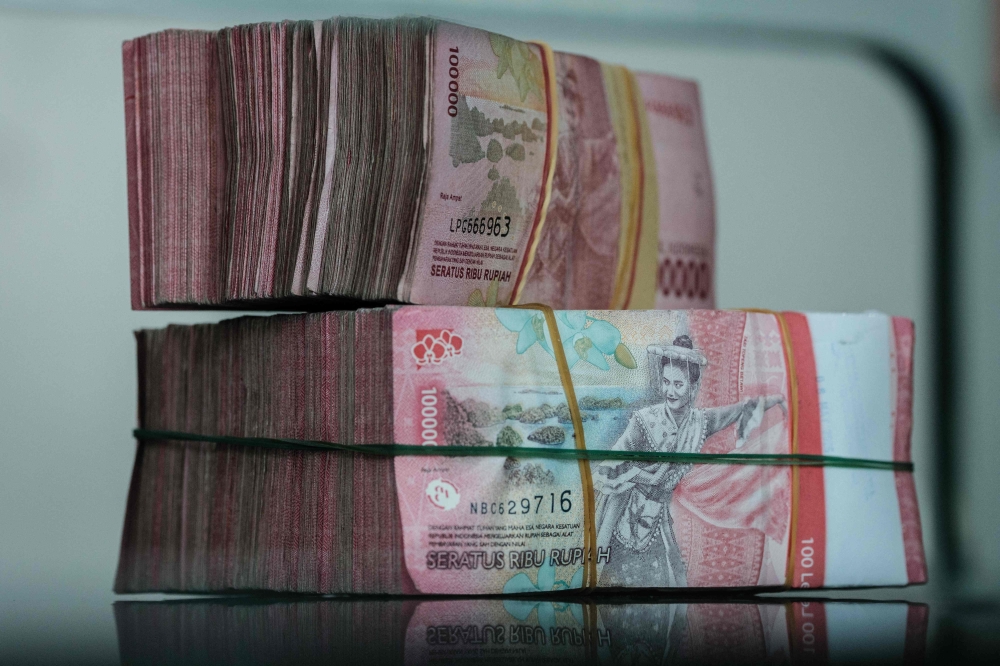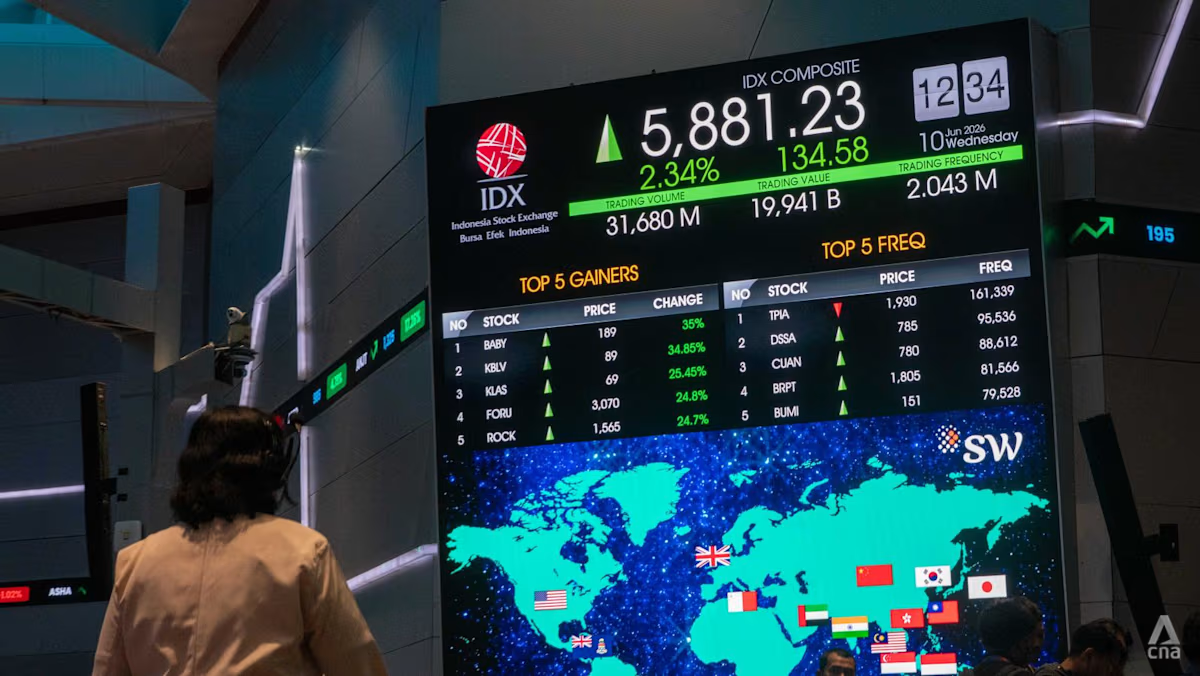
SINGAPORE – The rupiah has rebounded from a record low against the Singapore dollar after Indonesia’s central bank on June 10 unexpectedly raised interest rates to stem the fall.But analysts warned that the recovery may be short-lived, as capital outflows, inconsistent policy, shrinking foreign exchange reserves and geopolitical tensions are likely to continue weighing on the Indonesian currency.The rupiah, which sank to an all-time low of about 14,135 per Singdollar on June 9, strengthened to around 13,950 per Singdollar on June 11.The recovery comes on the back of Bank Indonesia hiking up its benchmark interest rate by 0.25 percentage points to 5.5 per cent, and after the central bank had already raised rates by 0.5 percentage points in May.Higher interest rates make Indonesian assets more attractive and can help slow capital outflows, which have put pressure on the currency in 2026.But higher interest rates can also stifle the economy, as people tend to save more and spend less, while businesses cut back on borrowing.Bank Indonesia’s surprise move suggests it is concerned enough about the rupiah’s steep decline to prioritise currency stability over economic growth, said Maybank economist Brian Lee in a June 10 note.The rupiah has weakened sharply against the Singdollar in 2026, sliding 2.3 per cent in June alone and 8.5 per cent since the start of the year.Indonesia is grappling with a combination of problems putting pressure on its currency.For one thing, foreign investors have been pulling funds out of the country. Since ratings agencies Moody’s and Fitch both downgraded Indonesia’s sovereign credit outlook from stable to negative in February and March, the Jakarta Composite Index has shed around 30 per cent as investors sold shares to cut risk.Meanwhile, rising oil prices mean Indonesia has had to spend more US dollars to import energy at a time when the country is earning less foreign currency from global trade.To stop the rupiah from sliding too quickly, Bank Indonesia has been digging into its forex reserves to support the currency.Lee noted that Indonesia’s forex reserves have fallen by about US$11 billion (S$14.2 billion) since December 2025 to a multi-year low, as the country’s central bank intervened to support the currency, on top of raising interest rates to stem capital outflows.Bank Indonesia has also increased the returns available on some of its securities to encourage foreign investors to stay invested.The Indonesian government is also backing away from plans to channel exports of key commodities such as crude palm oil, coal and ferroalloys through a new state-owned company.The proposal, announced by Indonesian President Prabowo Subianto on May 20, was aimed at reducing tax leakage and increasing government oversight of exports. However, it sparked concerns among exporters and buyers, who warned that the move could disrupt trade and further undermine investor confidence in the country.But Lee noted that investors appear unconvinced that higher interest rates alone will be enough to support the rupiah.Despite Indonesia’s aggressive rate hikes, capital has continued to flow out of the country, while demand for safe-haven currencies such as the Singdollar has remained strong, he said.He added that further rate hikes will likely be needed in 2026, which could bring Indonesia’s benchmark rate to 6 per cent – close to its post-pandemic peak.While higher interest rates and incentives for foreign investors could provide some support for the currency, challenges remain, said MUFG analyst Lloyd Chan in a June 10 note.These include the conflict in the Middle East, which will keep oil prices volatile, high US interest rates that are drawing capital into US-denominated assets, and a shortage of US dollars in Indonesia. Hence, Chan expects any recovery in the rupiah to be limited.Analysts from Nomura added that investors are also concerned about Indonesia’s fiscal position, policy direction and economic outlook – factors that are deterring foreign investment in the country.As a result, the analysts continue to expect the Singapore dollar to strengthen against the rupiah and rate this as one of their strongest investment views.
Rupiah recovers against Sing$ after surprise rate hike, but analysts say relief may be short-lived
The currency strengthened to around 13,950 rupiah per Singdollar on June 11. Read more at straitstimes.com. Read more at straitstimes.com.
656 words~3 min read