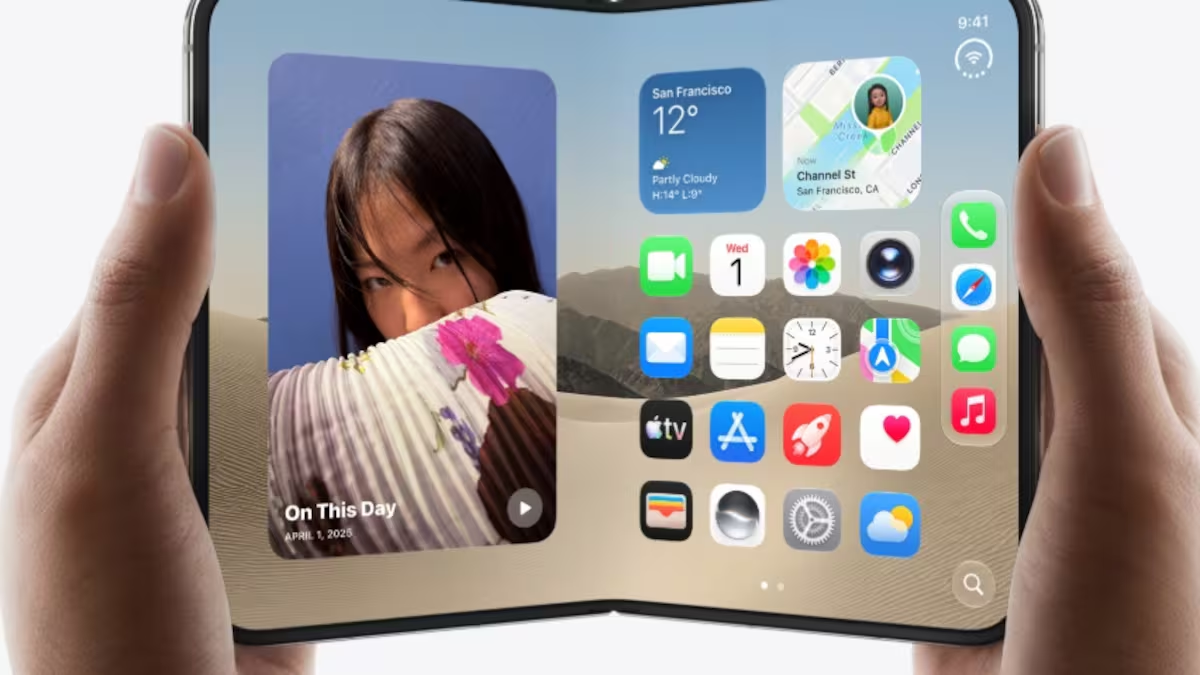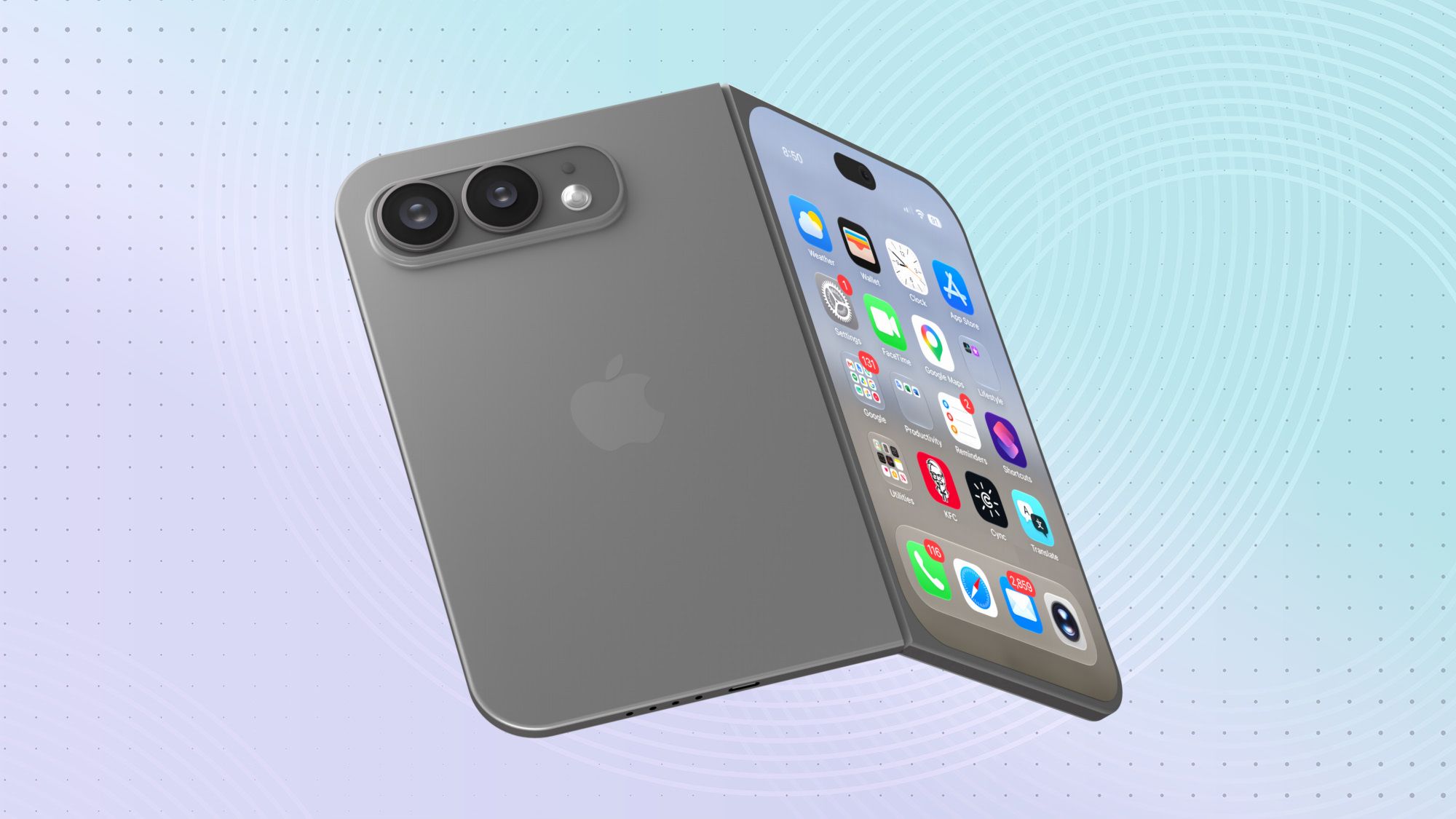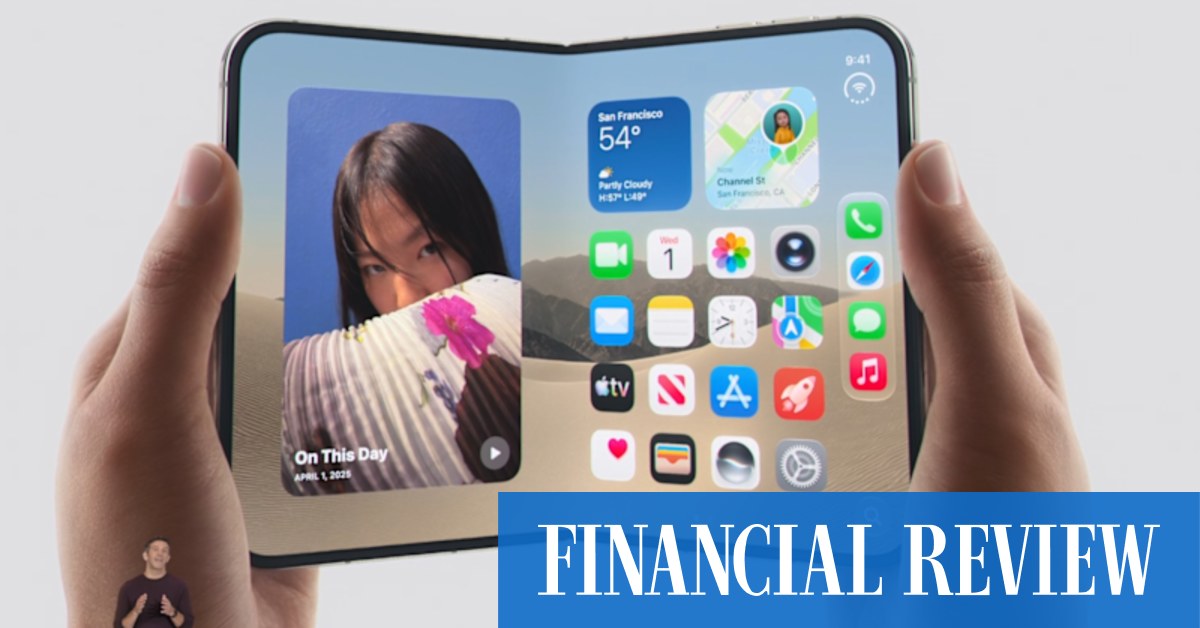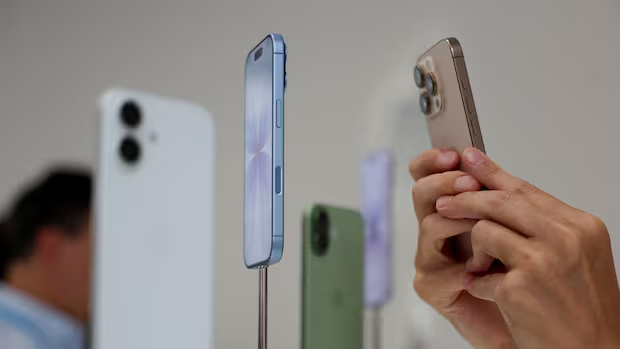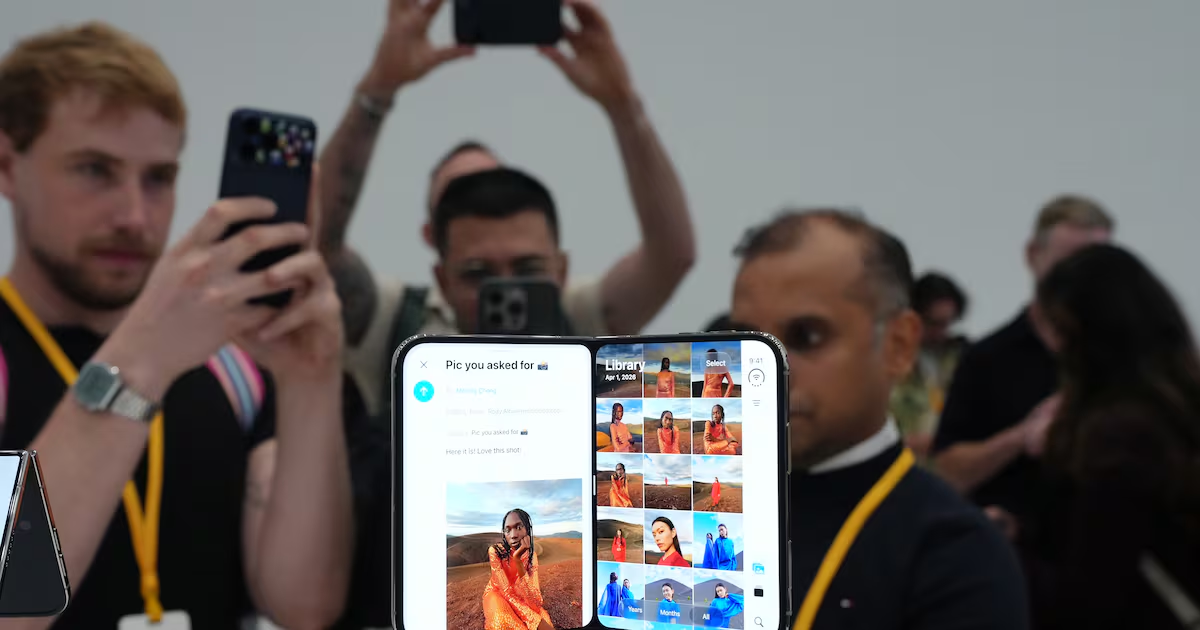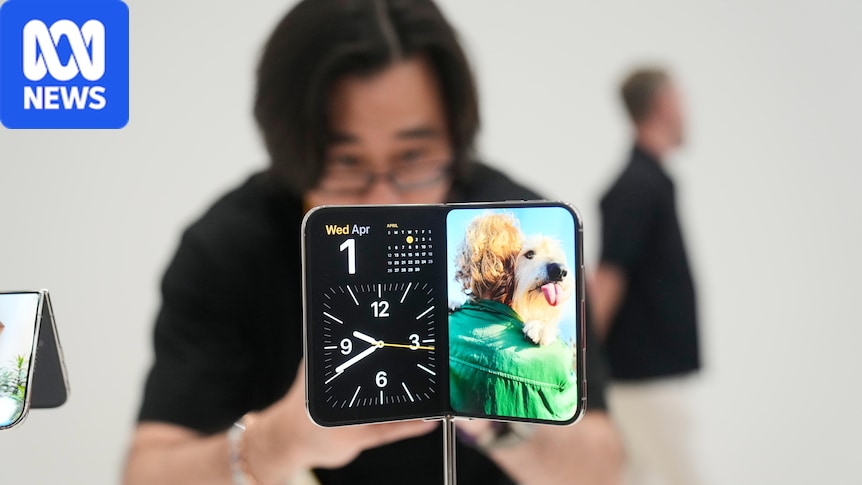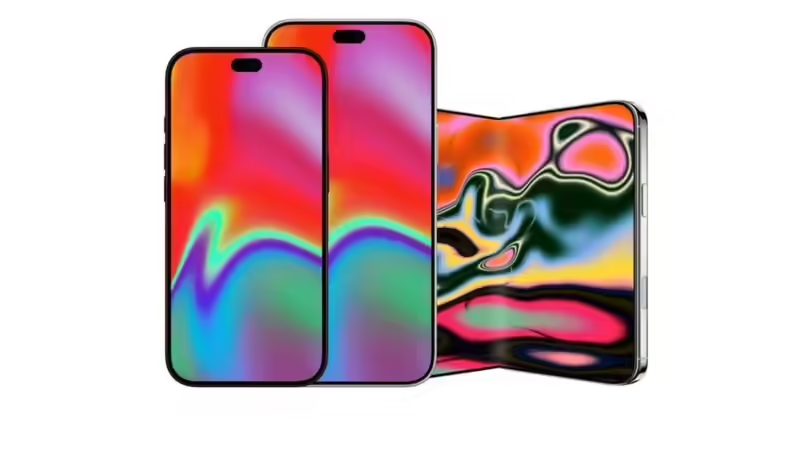
If you're tempted by the prospect of the new iPhone, you might like to take a pause and consider a lesson from the recent past.What might happen if you invested that money instead?This week, Apple revealed its new US$1999 (NZ$3400) foldable phone called Duo. Apple also announced the release of the iPhone 18 and 18 Pro.The 18 Pro will cost from $2549 in New Zealand and will be available later this month.Since the first iPhone was launched, anyone who upgraded their phone every five years and invested the cost of a new phone on each of the intervening years in Apple shares would have ended up with more than $350,000 invested.That is based on someone who bought a phone in 2007, 2012, 2017 and 2022, and then every other year invested the New Zealand retail price of that year's mainstream base iPhone model in Apple shares instead.That would mean a total of $19,400 invested in about 655 Apple shares, which would be worth more than $360,000 this month.The gain is delivered primarily by the purchases of shares in the early years, which have grown in value significantly.Apple's share price has lifted from about US$5 in 2007 to more than US$320 this week. Someone who bought shares in 2007 could have doubled their money within three years.The share price has fallen sharply at times - there was a more than 50 percent fall in 2008 and a fall of more than a quarter in 2022.Simplicity chief economist Shamubeel Eaqub said the data re-inforced the fact that anyone who bought stocks such as Nvidia and Apple early on would have done well.He said anyone investing the difference today might not invest in just one stock, but might pick a growth fund.Generate investment specialist Greg Smith said some investors could see the potential for Apple in 2007, but few would have predicted the full scale of what happened."Early critics argued [the iPhone] was too expensive, lacked a physical keyboard and wasn't suited for business users. Microsoft CEO Steve Ballmer famously predicted it would struggle."The market though quickly recognised - shares rose 8 percent on the unveiling and doubled over the next 12 months - that Apple wasn't just launching another phone, it was creating a platform."The iPhone had the potential to drive a recurring upgrade cycle, which we have since seen, while also building an ecosystem of apps, services and devices that kept customers engaged for years. What investors were really buying into wasn't a handset, but the prospect of a loyal customer base generating revenue over a long period of time."The broad direction was foreseeable, the magnitude of Apple's success probably wasn't."Interestingly, while the iPhone was a commercial success from the start, it wasn't an instant global market leader. It was the introduction of the App Store in 2008 and later iPhone models that turned it into the dominant platform we know today."Ultimately, the market didn't fall in love with the iPhone because it was a phone. It fell in love with the ecosystem it could become."That's the lens many investors are applying to AI today. The real value may not be in the technology itself, but in the platform, upgrade cycle, recurring revenue and customer loyalty that sit behind it."Apple proved how powerful that model can be. The challenge now is identifying who will do the same in the AI era."Sign up for Money with Susan Edmunds, a weekly newsletter covering all the things that affect how we make and spend money
How your iPhones could have turned into $300,000
If you're tempted by the prospect of the new iPhone, you might like to take a pause and consider a lesson from the recent past.
581 words~3 min read