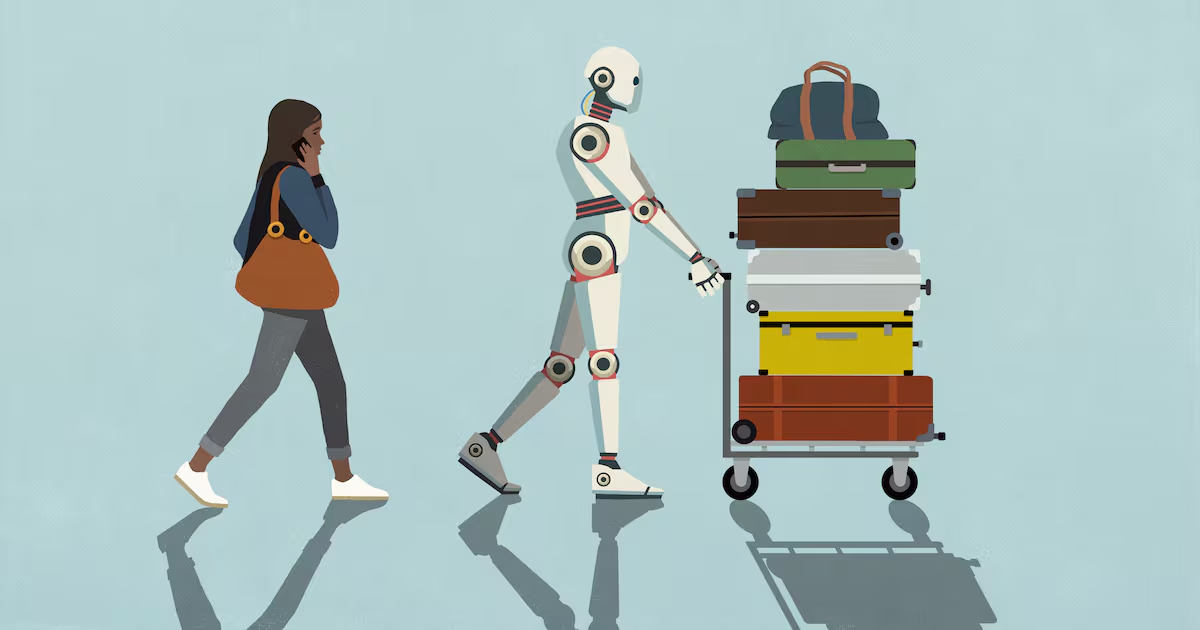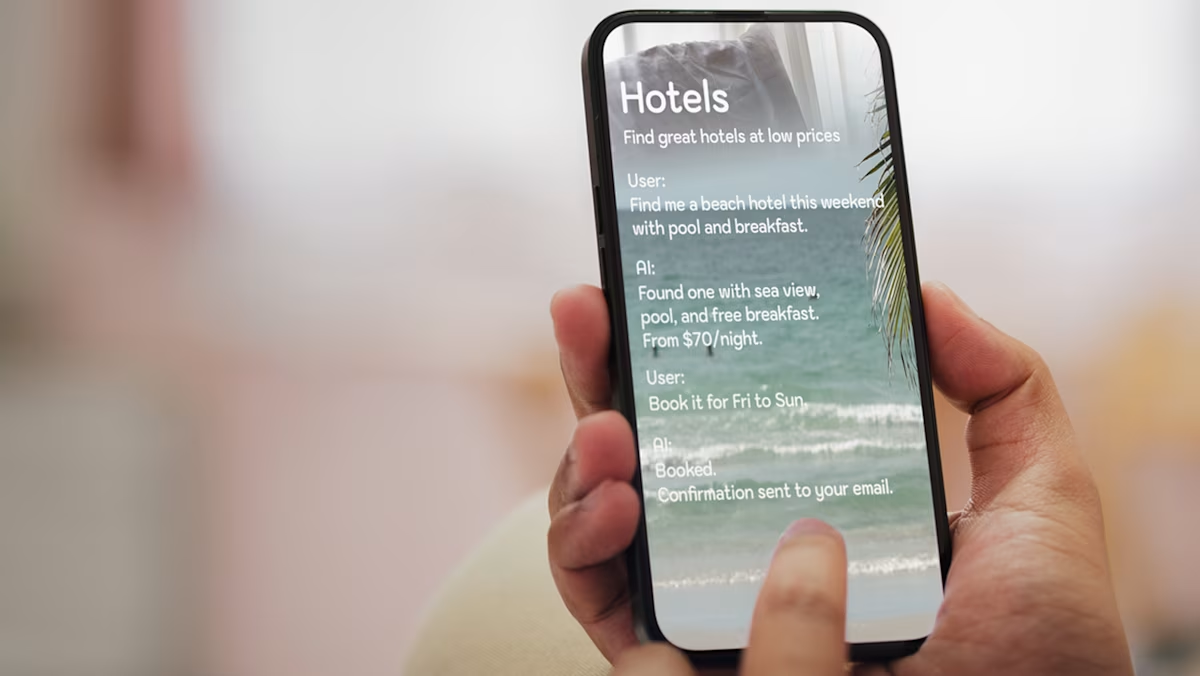
Artificial intelligence is changing how we choose where to go, where to stay, and what to do when we arrive. As machines take on more of the journey, the value of human judgement may only become greater.Communications manager Jeanne Lim first turned to AI with questions about health, fitness and careers. Travel planning felt like a natural next step. “I only started using AI tools to plan itineraries in the past three months,” she admitted. What appeals to her is the ability to ask questions in natural language and fold several constraints into a single prompt: budget, location, dates and whether she’s travelling alone, with elderly relatives or with children. “The suggestions are usually a useful starting point.”That last phrase may matter more than it sounds.Imagine asking an assistant to plan a honeymoon in Kyoto. Somewhere quiet, with a garden, close enough to walk to good cafes yet far from the busiest streets. You’d like to see the temples, though you’d rather linger than rush from one landmark to the next: a morning in a neighbourhood bookshop, an afternoon wandering narrow lanes, one memorable dinner within easy reach of the hotel. You no longer have to turn those wishes into a string of searches. You can simply describe the trip.
AI can plan your holiday. But would you trust it to book the trip?
Travellers are increasingly using AI to find hotels, build itineraries and narrow their choices. When money, bookings and disruptions are involved, however, human judgement still matters.
TL;DRAI
AI conversazionale trasforma travel planning: il 47% dei consumer usa AI per prenotare, Booking.com e Klook accelerano in Asia-Pacifico. La competizione si sposta dal search ranking alla visibility nei sistemi AI; solo il 5-10% dell'informazione brand viene dal suo sito, rendendo engine optimisation strategica.
2,413 words~11 min read