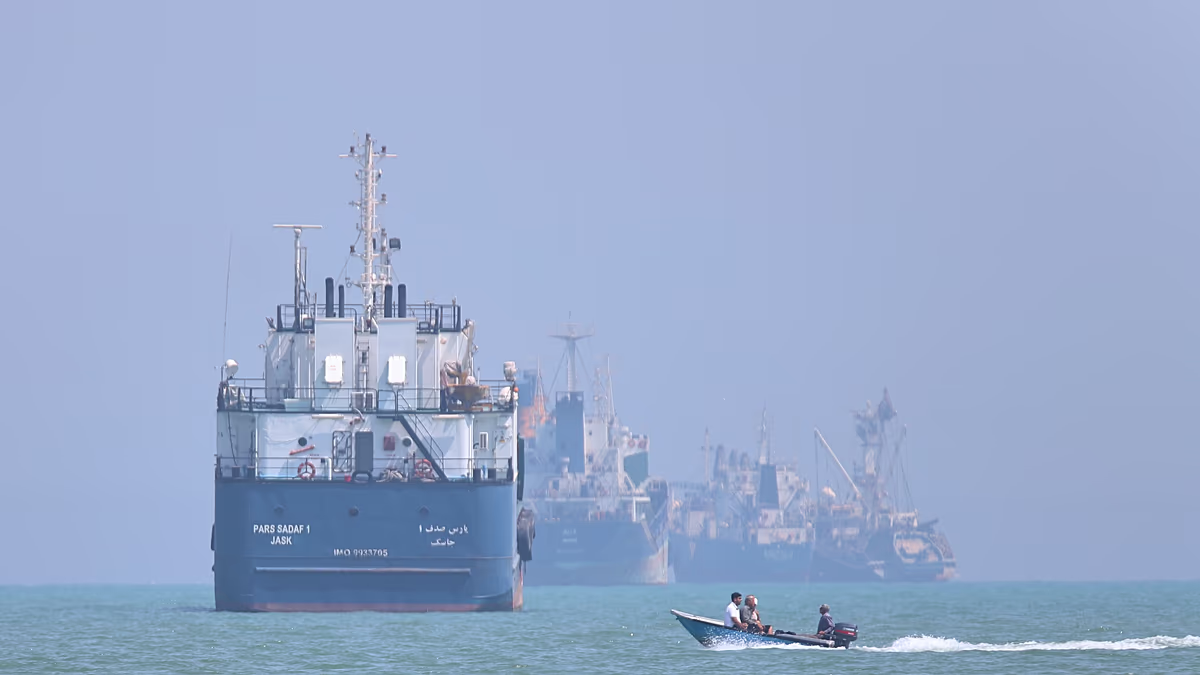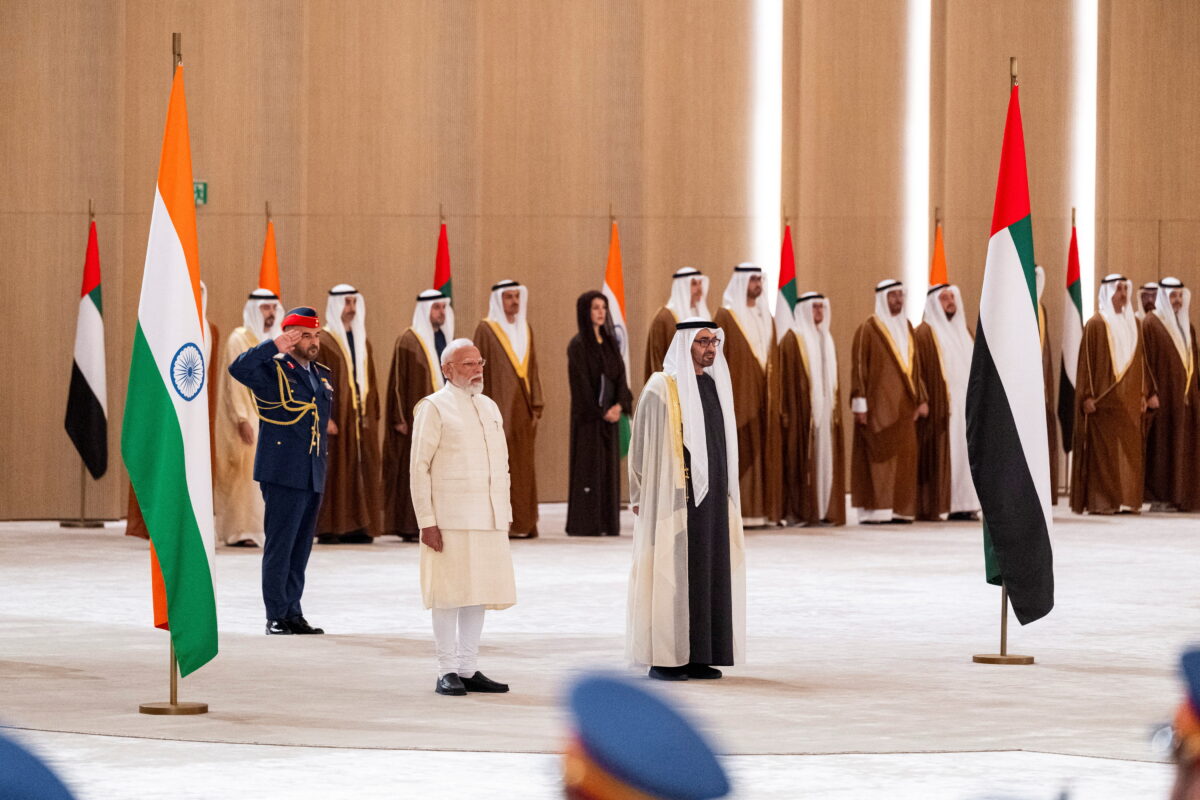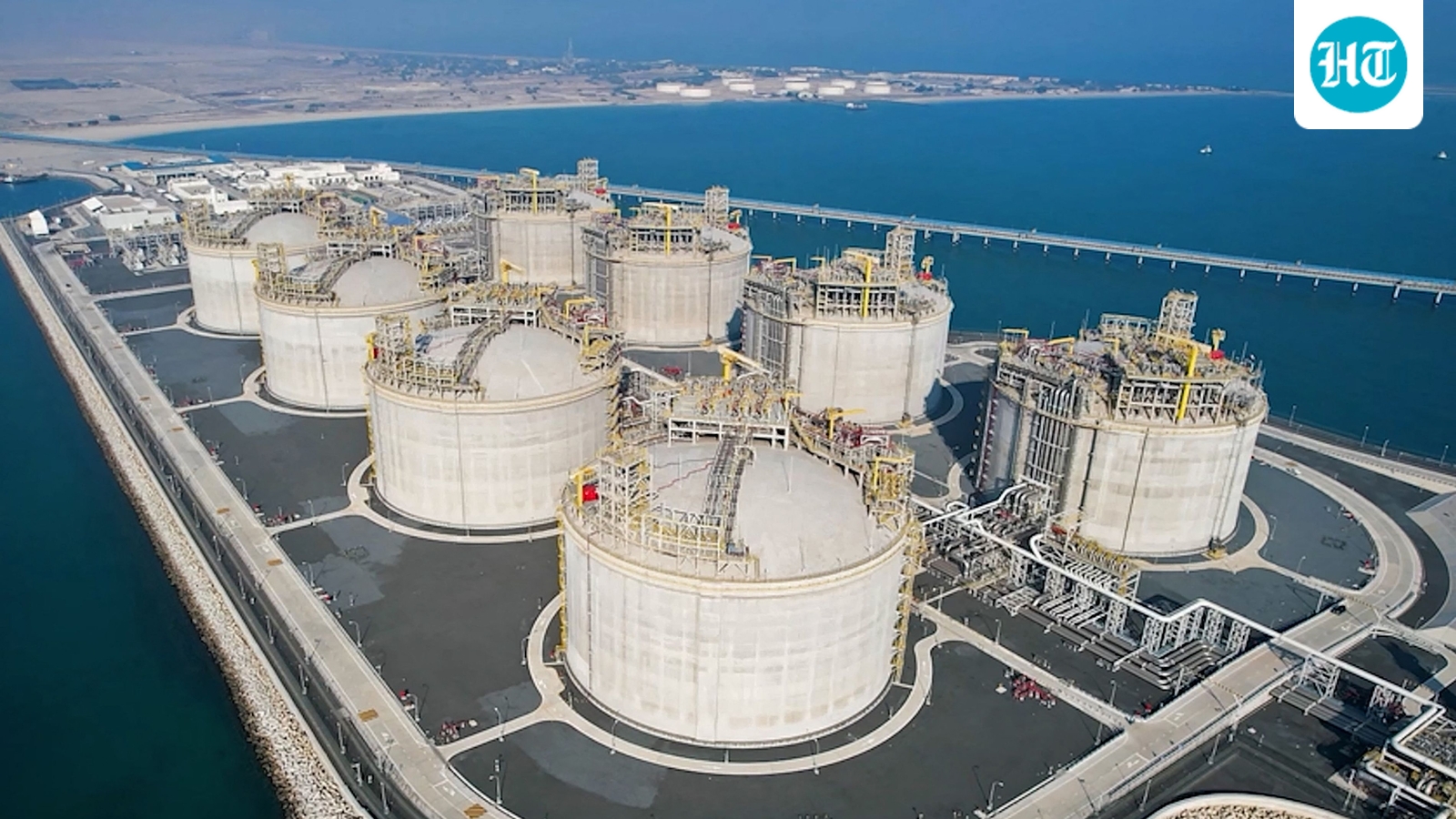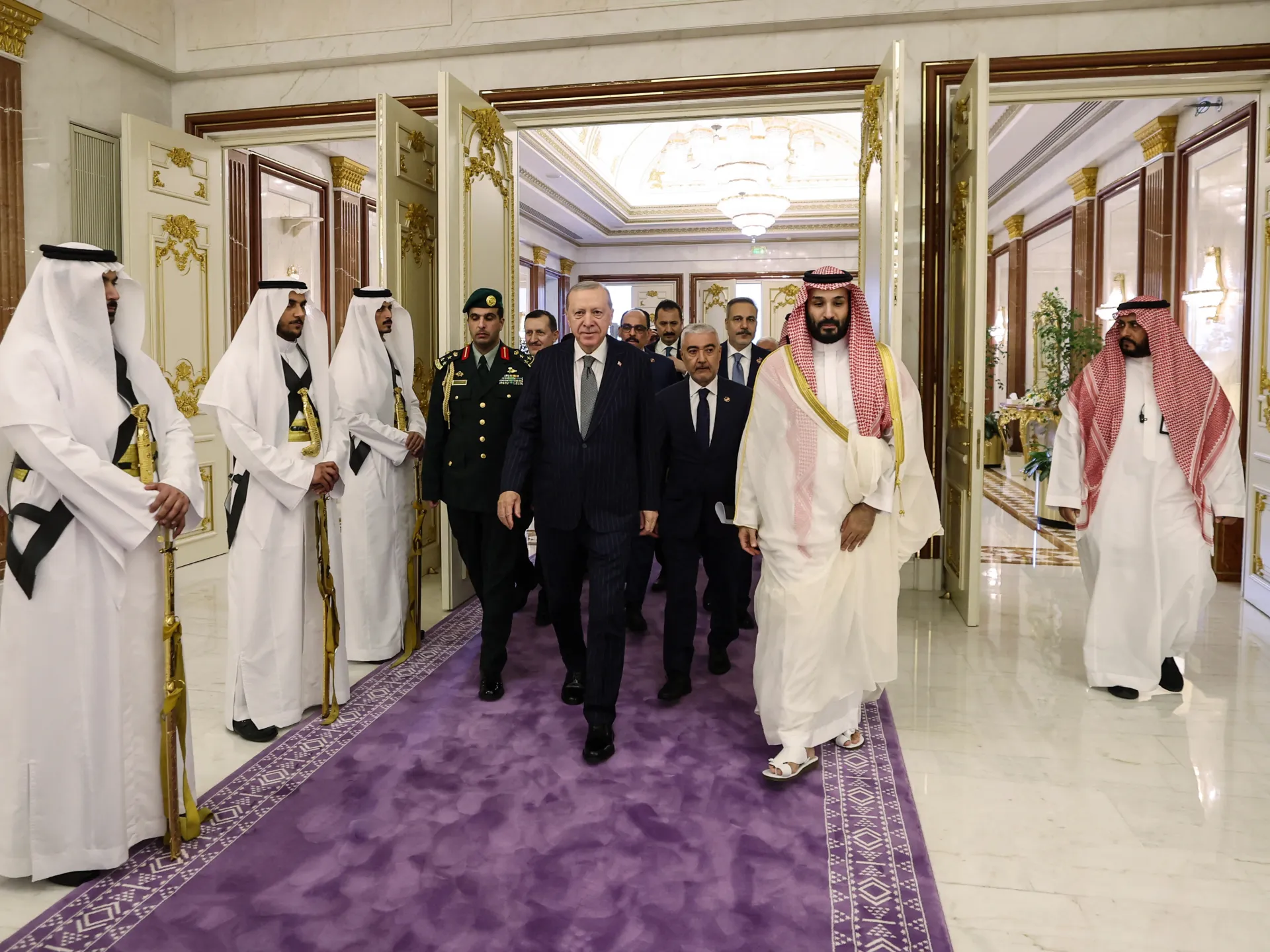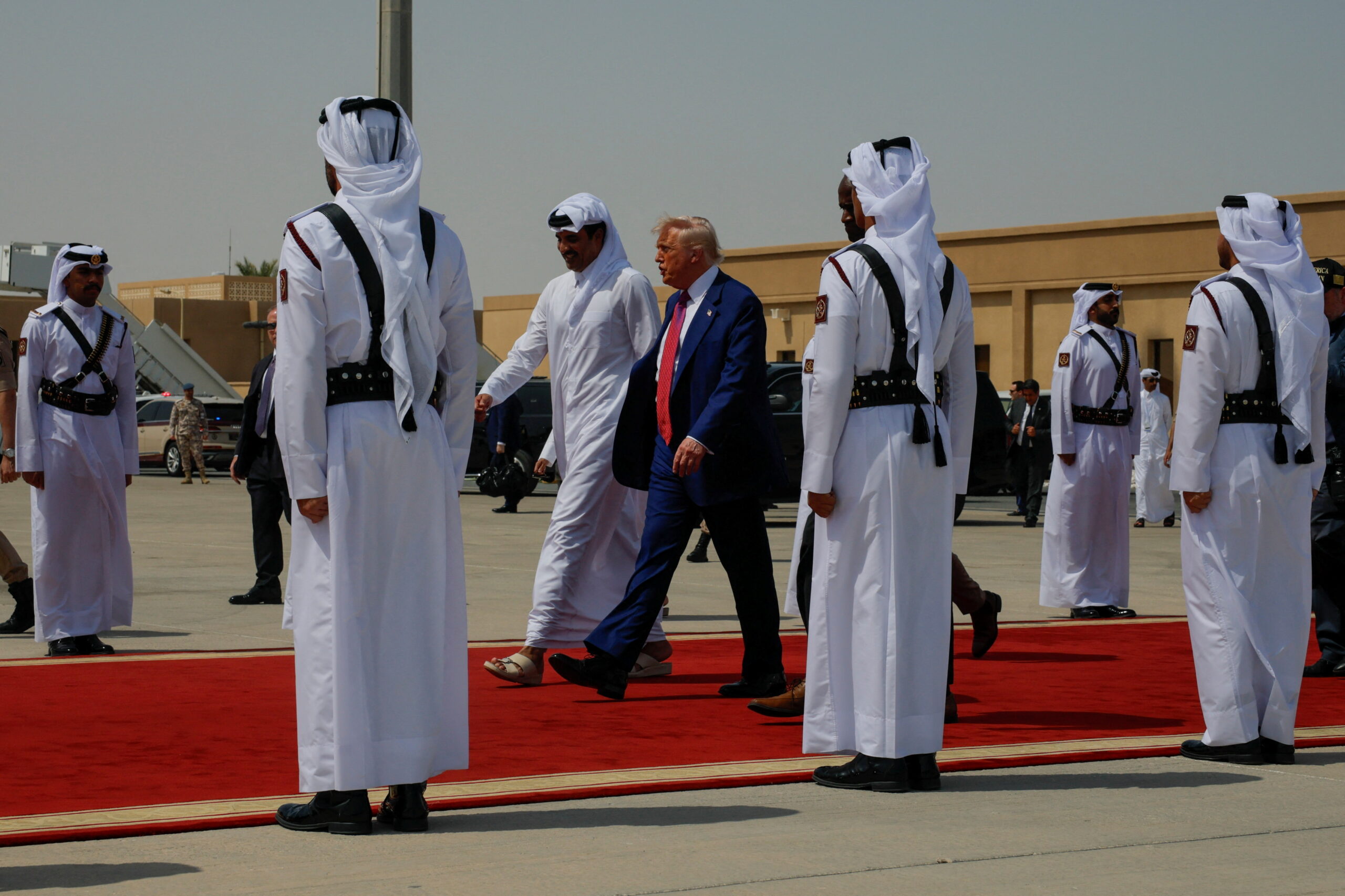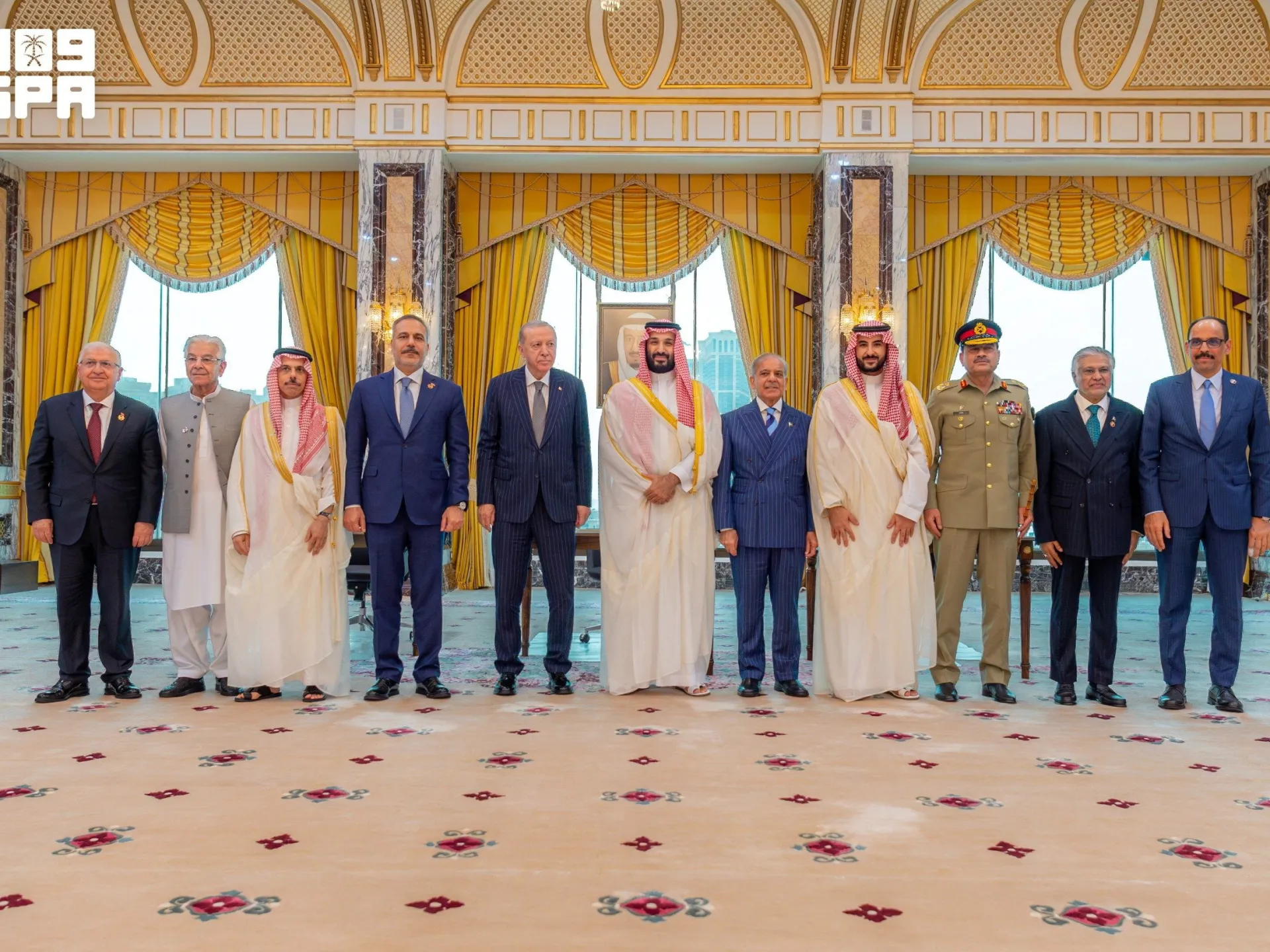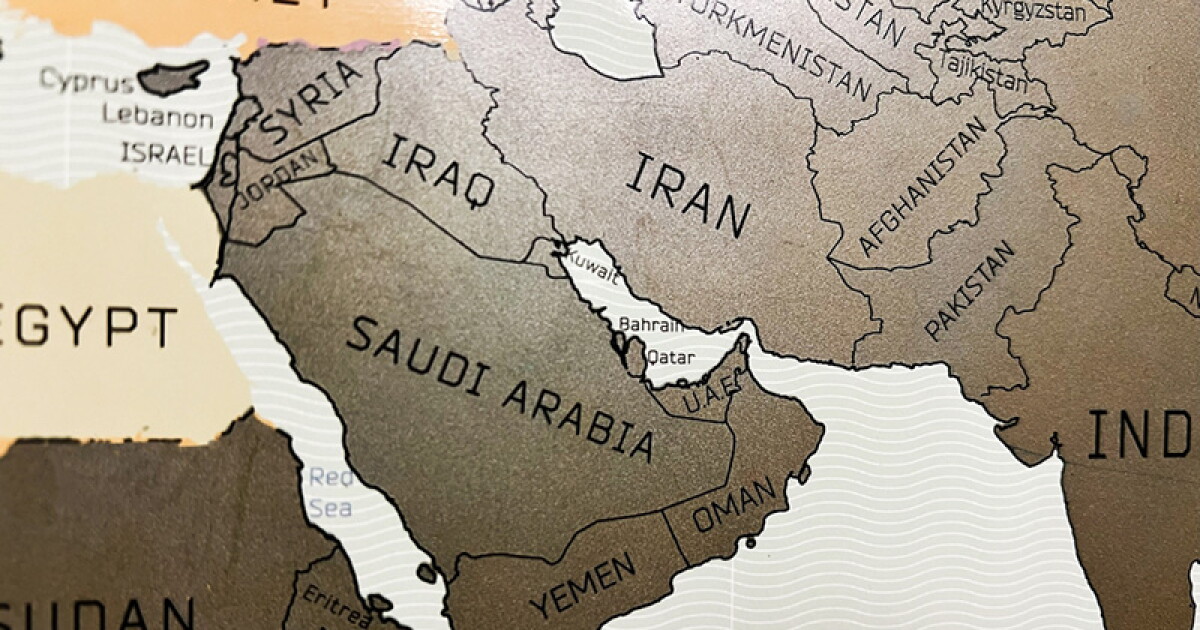
Mideast Gulf producers are accelerating their diversification of security partnerships in light of a war that has exposed the US’ inability to defend energy infrastructure or ensure the free flow of oil and gas from the region. Saudi Arabia’s prewar security pact with Pakistan and the UAE-Israel links built after the 2020 Abraham Accords are examples of partnerships that were already seeking to mitigate overreliance on the US security guarantee, and are set to strengthen. But there is no single solution that replaces the US’ regional footprint, particularly with China declining to wade in. So Gulf states will likely continue to hedge, building resilience via ties with third-parties, including the US, in order to increase their leverage vis-a-vis Iran. But amid the ongoing standoff over the Strait of Hormuz, and with the Iran-backed Houthis this week seizing a key Yemeni port close to the Bab al-Mandeb, it is increasingly clear that the ultimate security guarantee has to come from within the region itself.
Gulf Producers Look Past the US Umbrella
Mideast producers are diversifying defense ties and seeking greater autonomy, given the US' shortcomings as a security guarantor, but no single partner can replace it.
163 words~1 min read