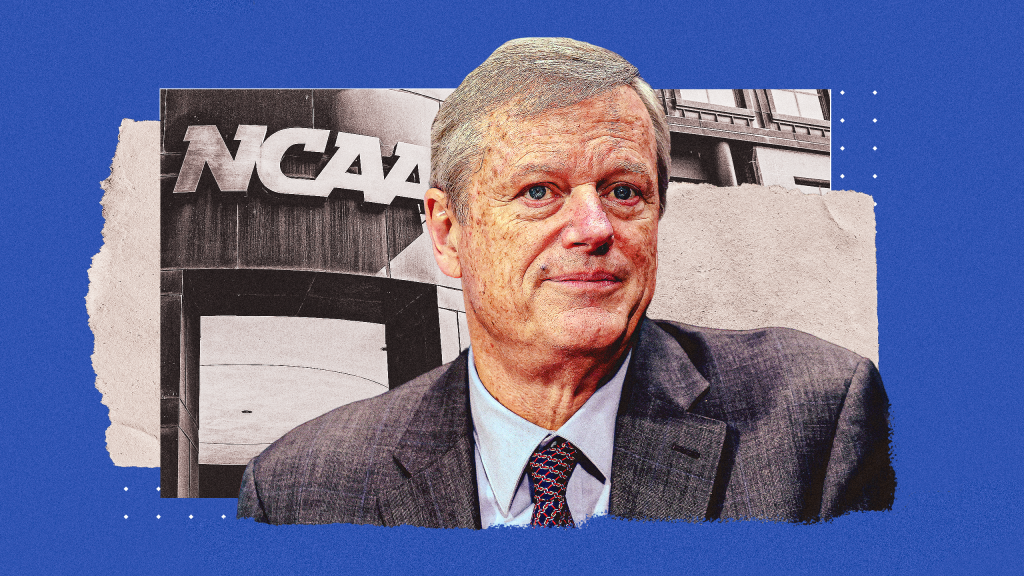
The NCAA has landed key legal wins in recent weeks regarding its new eligibility rule system, and that success continued Wednesday.
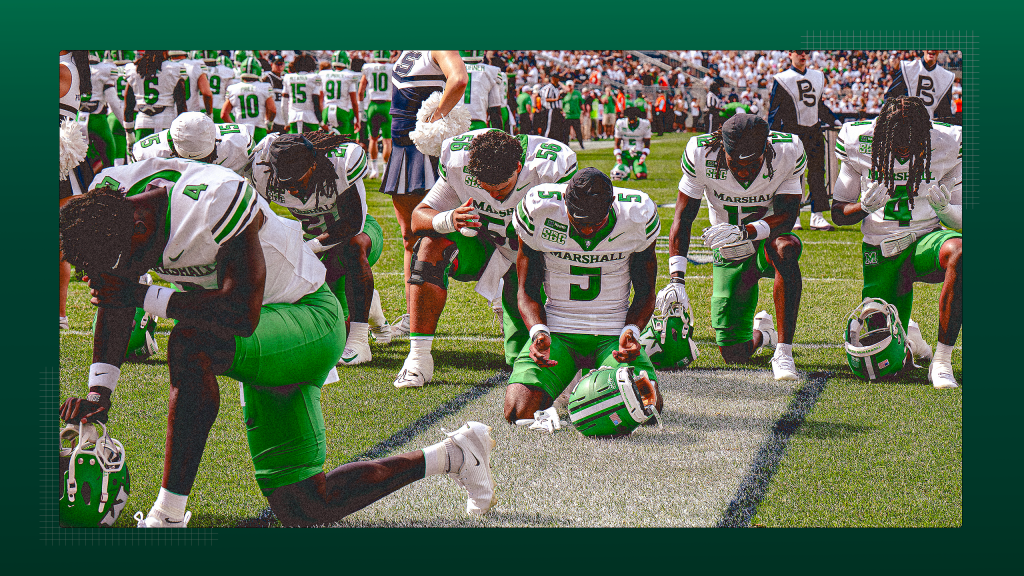
A West Virginia federal judge denied a preliminary injunction to 14 Marshall University and Ohio University athletes who graduated from high school in 2022, have already played four seasons and seek another year of Division I competition.
U.S. District Judge Robert C. Chambers ruled that Marshall cornerback Dwayne “Boogie” Trotter and other athletes who play basketball, baseball, soccer, tennis, track, softball and cross country failed to make a persuasive case for an injunction. One key problem: These athletes “got exactly what they were promised” in that they completed four college seasons, and the eligibility rules in place when they entered college “did not allow them to play professionally and then return to the college level.”
Chambers’ ruling is important because it follows the U.S. Court of Appeals for the 10th Circuit’s recent decision to grant the NCAA a stay of a federal judge’s nationwide injunction in Colorado that would have allowed athletes in the same situation to return to college sports.
These athletes, many of whom graduated from college in May and some of whom signed with pro football and basketball teams over the summer, insist it is unfair that the NCAA adopted a new eligibility system in June allowing for up to five years of eligibility and didn’t extend that benefit to players from the high school class of 2022