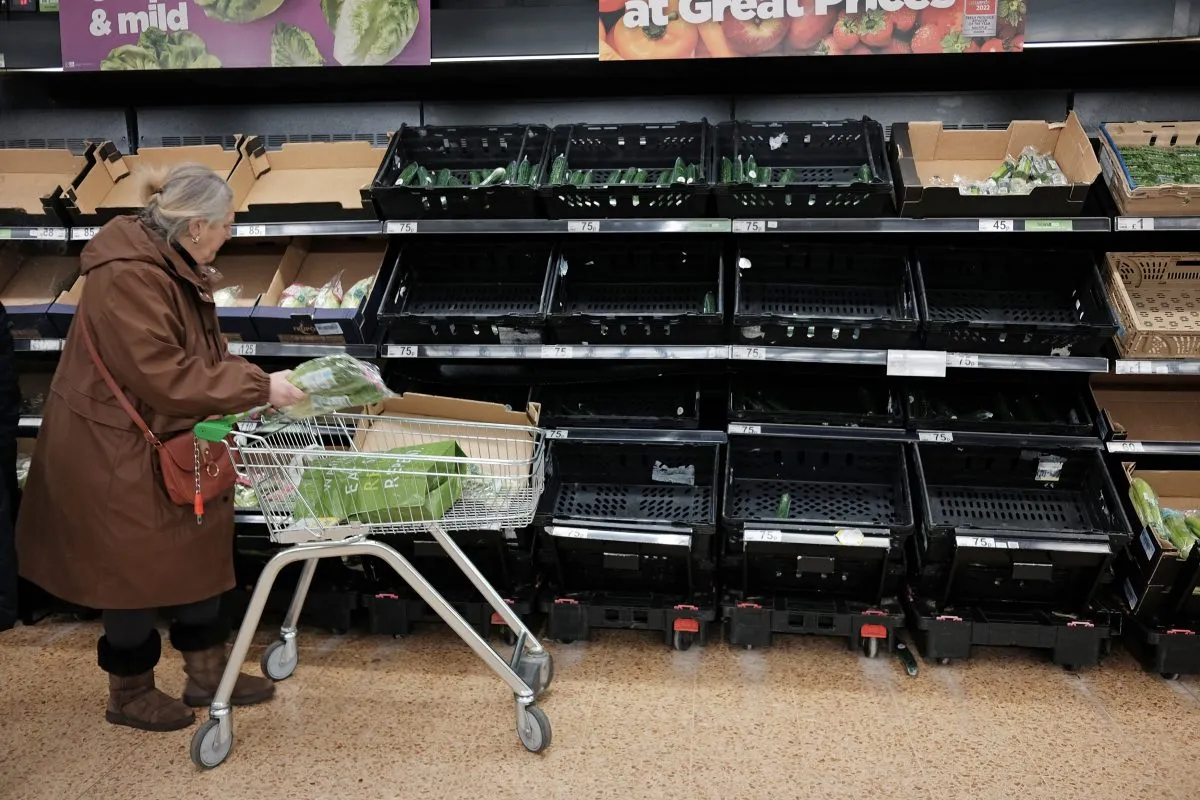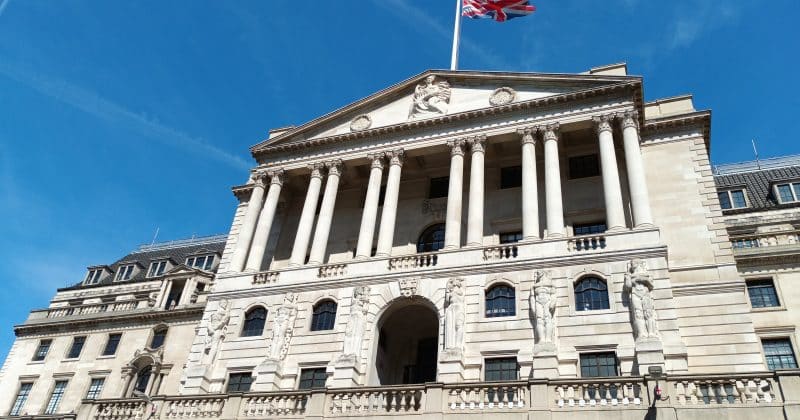
The escalating Iran-US conflict, which has been rattling global energy markets since early 2026, is now threatening to push British consumer prices higher, force the Bank of England into uncomfortable rate decisions, and squeeze household budgets that were only just beginning to recover from the last inflation shock.
Brent crude peaked above $110 to $120 per barrel in early September 2026, with prices recently hovering around $100. For a country that imports the majority of its energy, that’s not a distant geopolitical headline. It’s a utility bill.
The energy shock pipeline
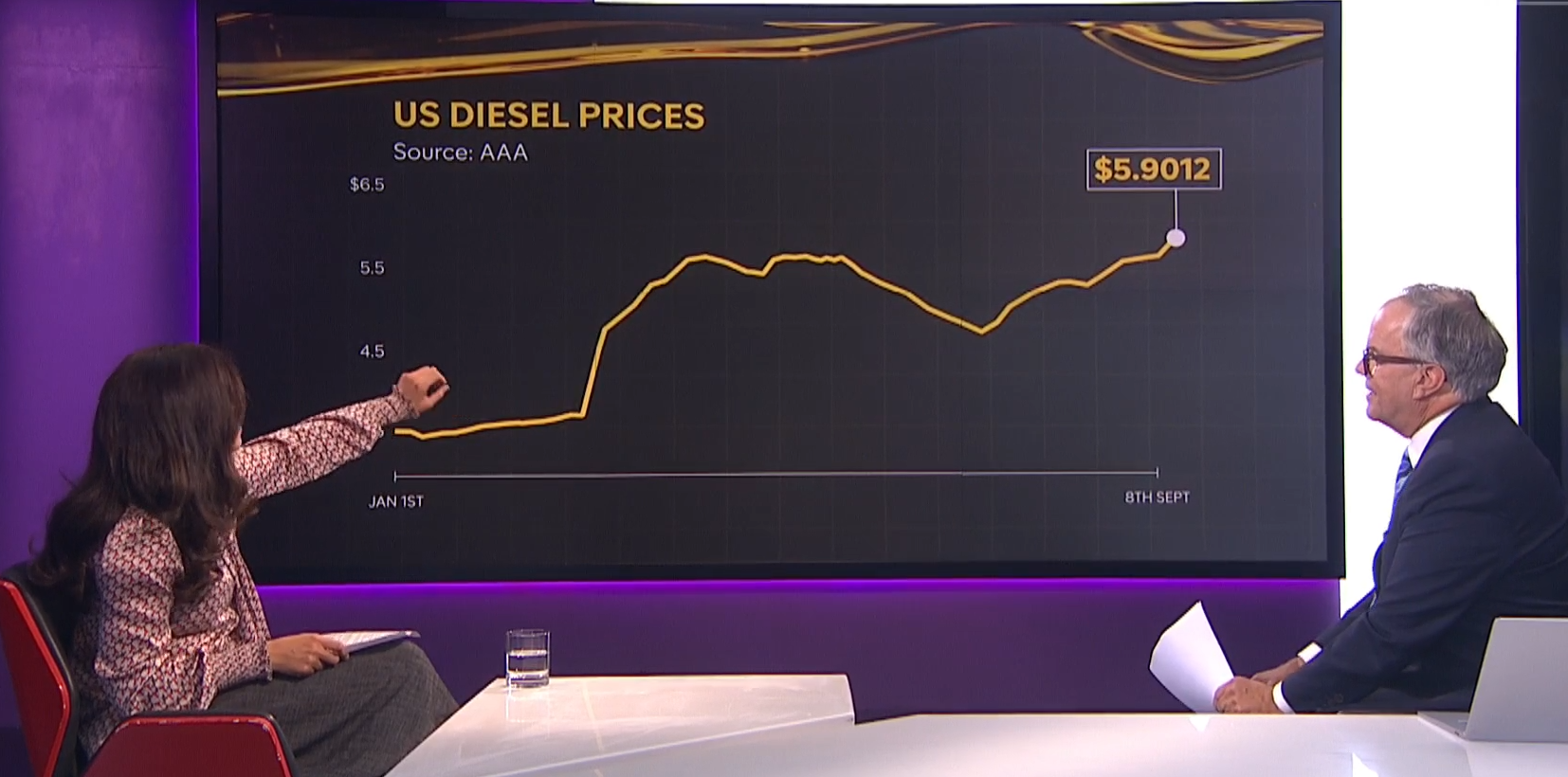
The conflict’s epicenter near the Strait of Hormuz, through which roughly a fifth of the world’s oil passes daily, has created a cascading set of problems for the UK economy. Higher oil prices feed directly into petrol and diesel costs, which rose by approximately 6p per litre in early September 2026 alone.
UK CPI hit 2.9% in July 2026, and forecasts now suggest inflation could peak anywhere between 3.2% and 4.5% or higher depending on how the conflict evolves.