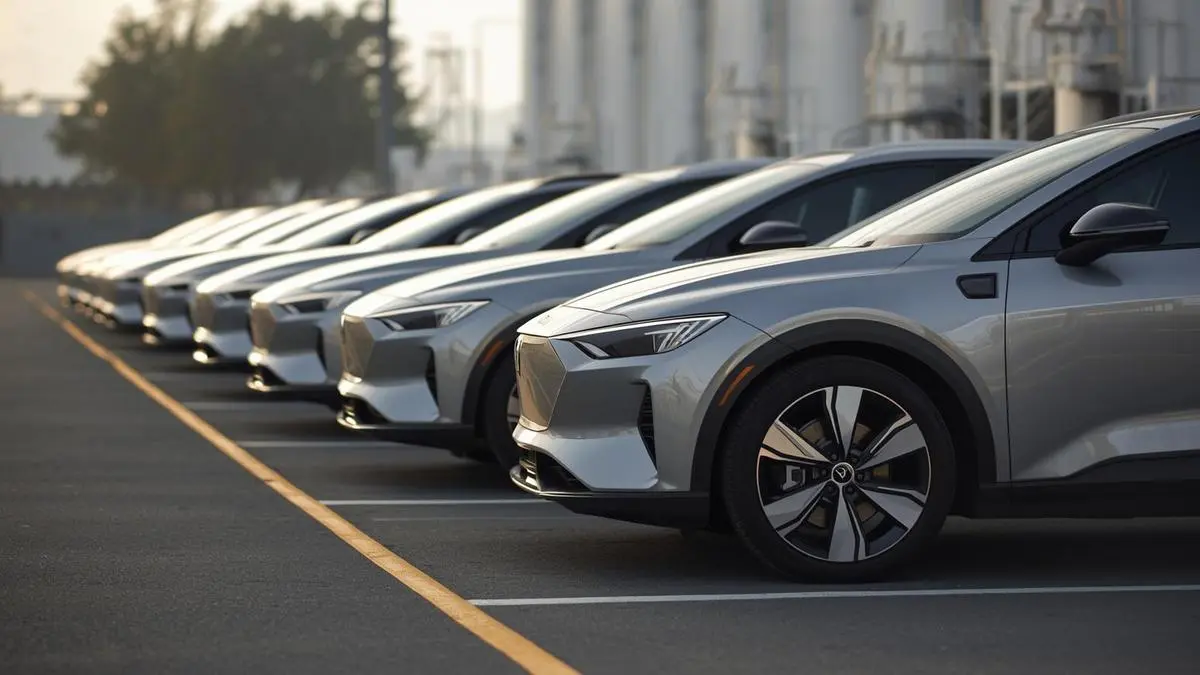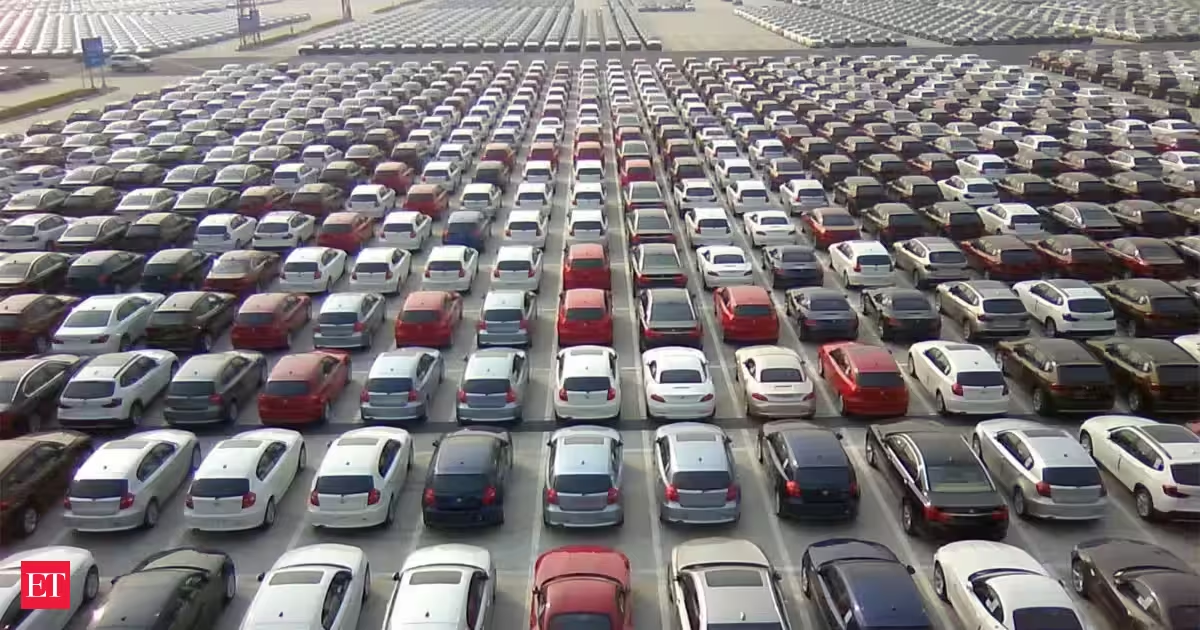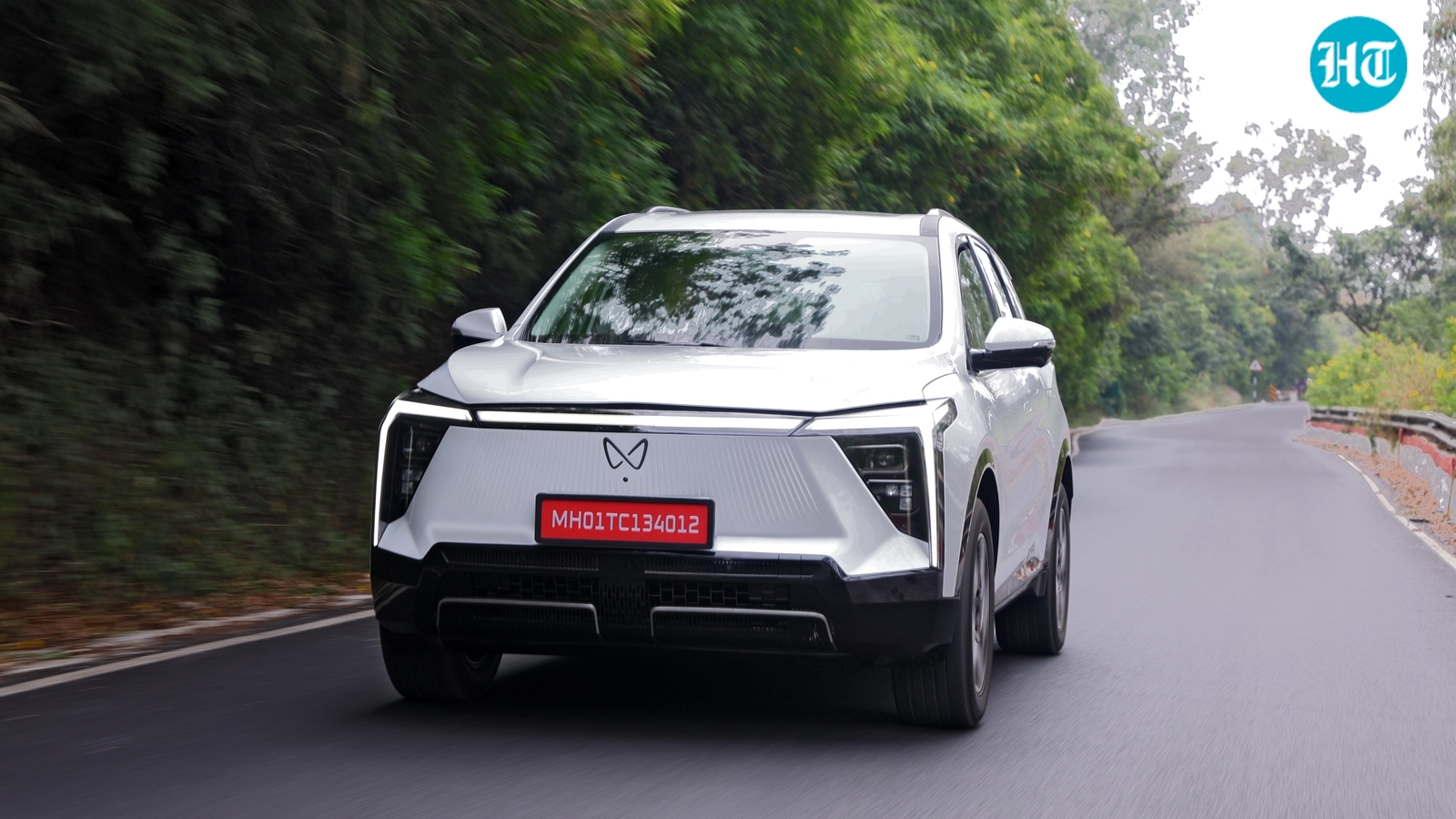
According to data released by the Federation of Automobile Dealers’ Associations (FADA), total vehicle registrations in August have increased 17.5% year on year, recording the all-time highest volume for the month, and with alternative powertrains, i.e., CNG, electric, and hybrids, leading passenger vehicle sales for the first time. But upon a closer look, some confounding factors emerge that also warrant caution about the figures. First, July 2026 itself was a strong month, with the August numbers 6.4% lower, possibly due to the monsoon. Second, the number of vehicles retailed in rural areas grew 19.7% year on year over 15.1% in urban areas; passenger vehicles sales likewise increased 24.9% in rural areas versus 10.9% in urban areas. This could be due to rising disposable incomes and consistent state capital expenditure on semi-urban infrastructure. However, tractor sales have in the past indicated monsoon-related rural stress, and while their sales are virtually unchanged year on year, they declined 25% month on month. Together with two-wheelers and passenger vehicles selling well, the trend suggests that non-farm rural incomes and mobility could be strengthening more than capital spending linked to agriculture. Third, last year, the GST Council reduced taxes on small cars, motorcycles (up to 350 cc), three-wheelers, buses, and goods vehicles, so August 2025 sales growth dropped as buyers waited for the new rates from September. Fourth, while CNG, hybrid, and electric powertrains beat petrol/ethanol vehicle sales by 1.1 percentage points, most hybrid vehicles still burn petrol while CNG itself is a fossil fuel. So the lead taken by alternative powertrains is not synonymous with a lead of non-fossil-fuel vehicles.That said, petrol vehicles falling behind is still notable; the data also show that between August 2024 and August 2026, CNG and electric powertrains contributed most of the surge, implying that Indians are switching to alternatives that are cheaper to run, in light of the West Asia conflict and, to a lesser degree, concerns over ethanol blending. Next, the move away from petrol is uneven: three-wheelers are predominantly electric while two-wheelers catch up, and passenger cars’ powertrains continue to diversify. And electrification continues to reflect rising consumer demand as much as industrial policy. Finally, FADA also reported that, despite record sales, dealers are holding 38-40 days of inventory against the recommended 21. So while the petrol era is far from over, the Indian automotive industry has commenced the mass-market integration of alternative powertrains. But that said, only if September-November preserves the gains in alternative powertrains after the base effect disappears, and dealer inventories return to normal levels, can August 2026 be considered a historic moment. Published - September 11, 2026 12:10 am IST
Growth spurt: on data by Federation of Automobile Dealers’ Associations
Alternative powertrains are becoming mainstream in India’s auto market
438 words~2 min read