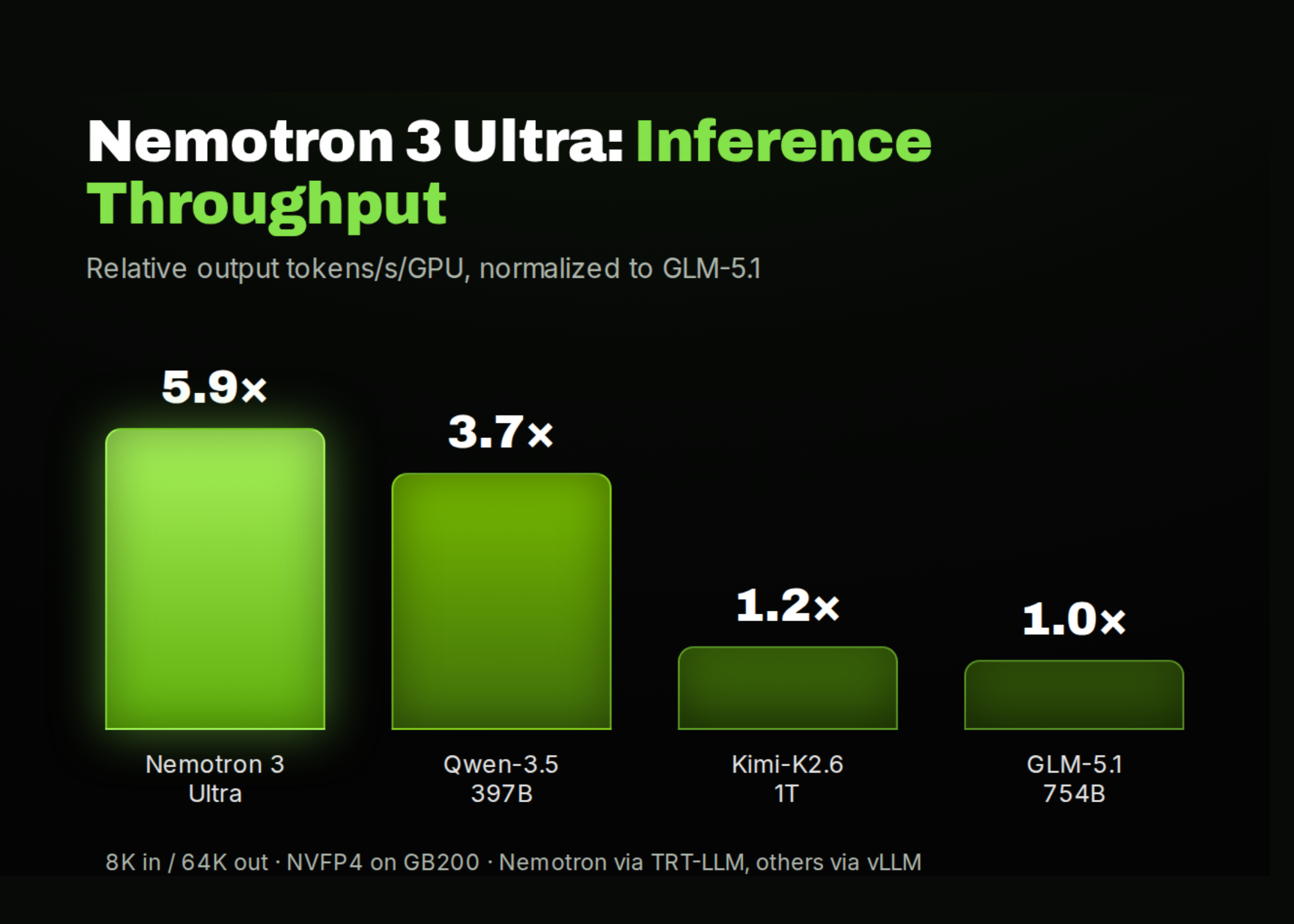
Deploying a large language model is only the first step toward production-ready serving. Production teams also need to serve as many concurrent users as possible on available GPU infrastructure while preserving the interactivity that keeps applications responsive.
That tradeoff matters even more for agentic AI workloads, where prompts can be long, context can be reused across steps, and applications often stream extended responses back to users.
NVIDIA NIM packages model- and GPU-aware serving choices into a deployable microservice. Instead of starting from a blank runtime configuration, developers get a validated serving configuration and a supported deployment path, while retaining the ability to benchmark the NIM against their own traffic.
What NIM adds: Performance engineering and production readiness
Inference performance is a system property. Precision and kernels, parallelism, scheduling, batching, memory allocation, prefix reuse, model-specific state caches, and decoding strategy all interact. A configuration is useful only if it improves throughput while staying within the application latency target.