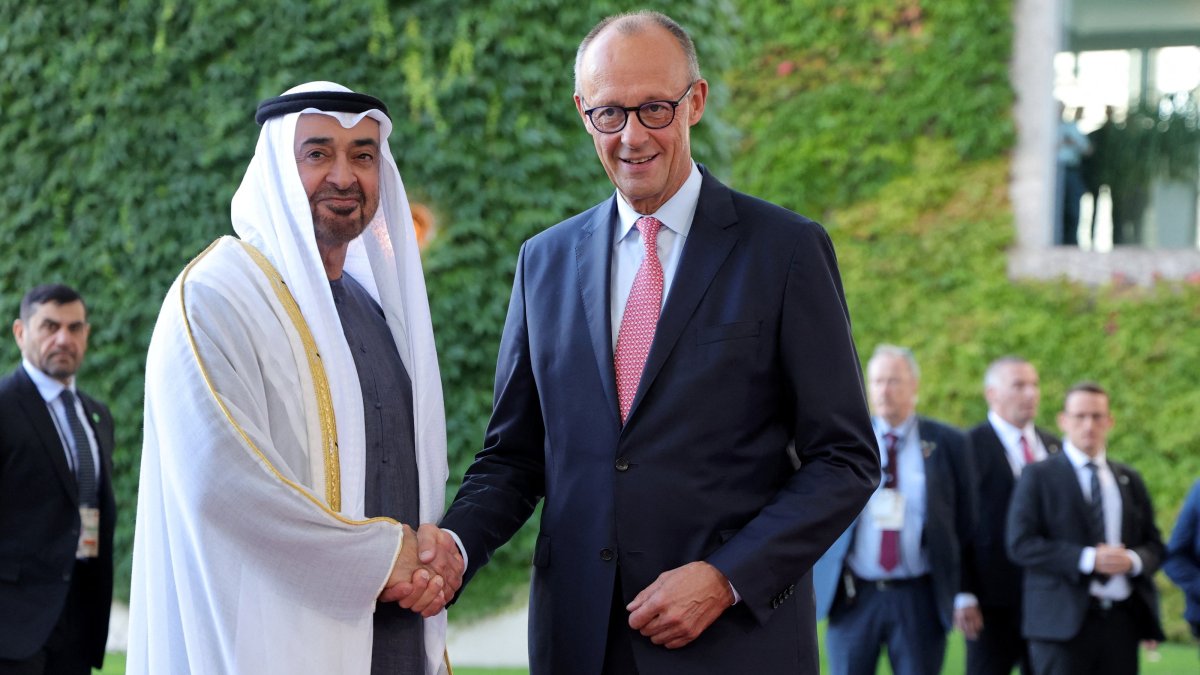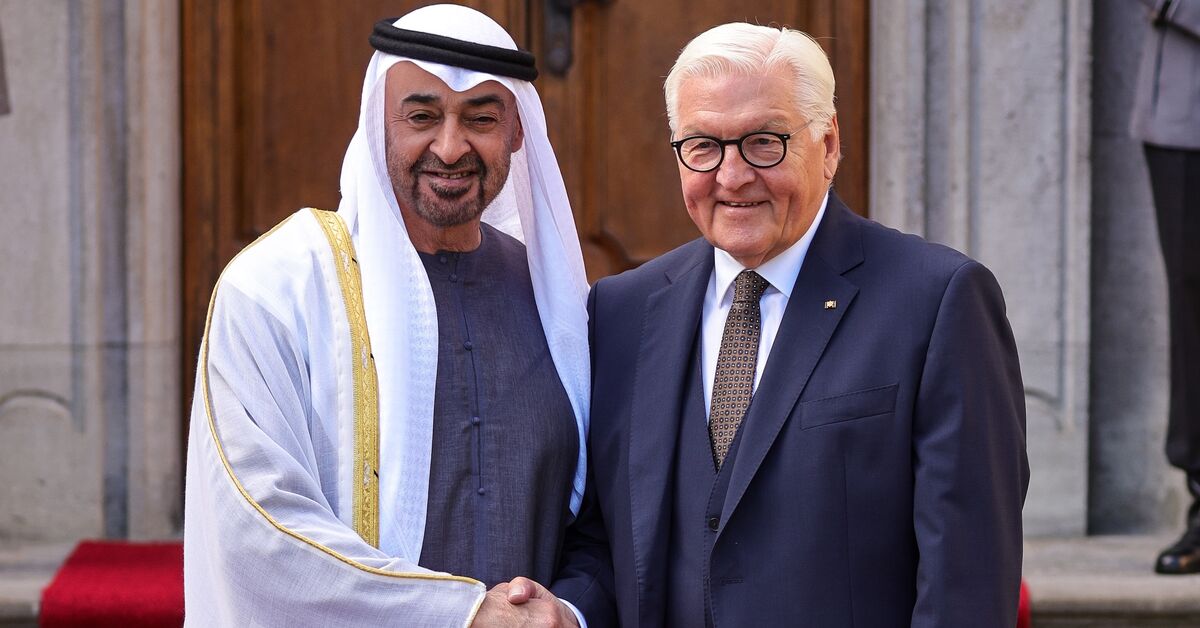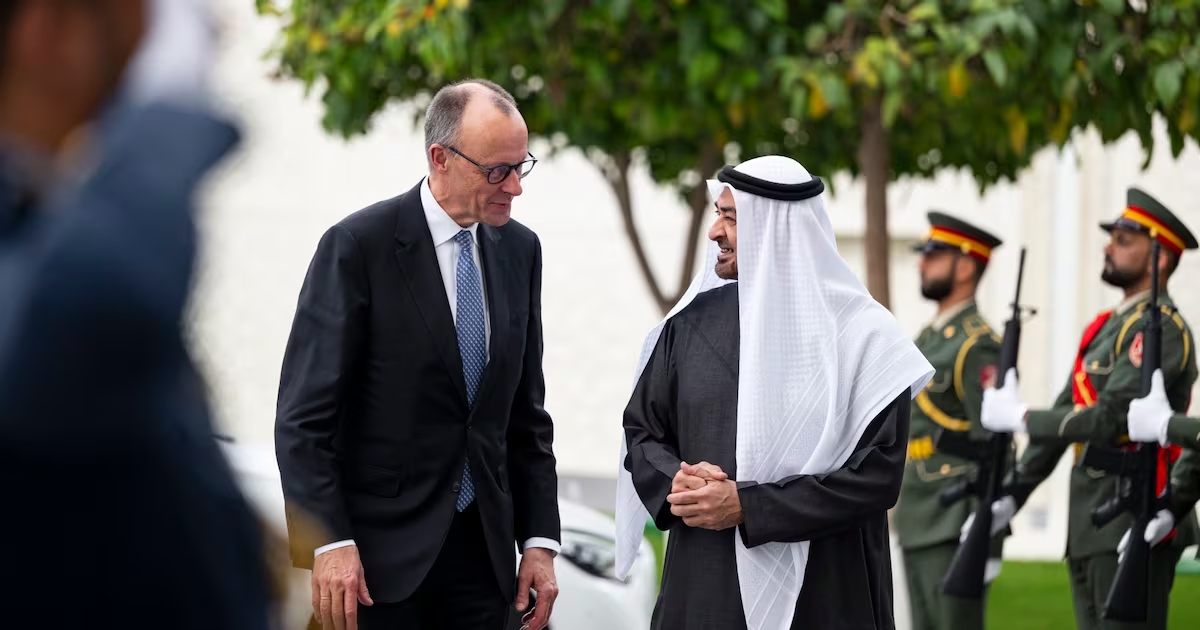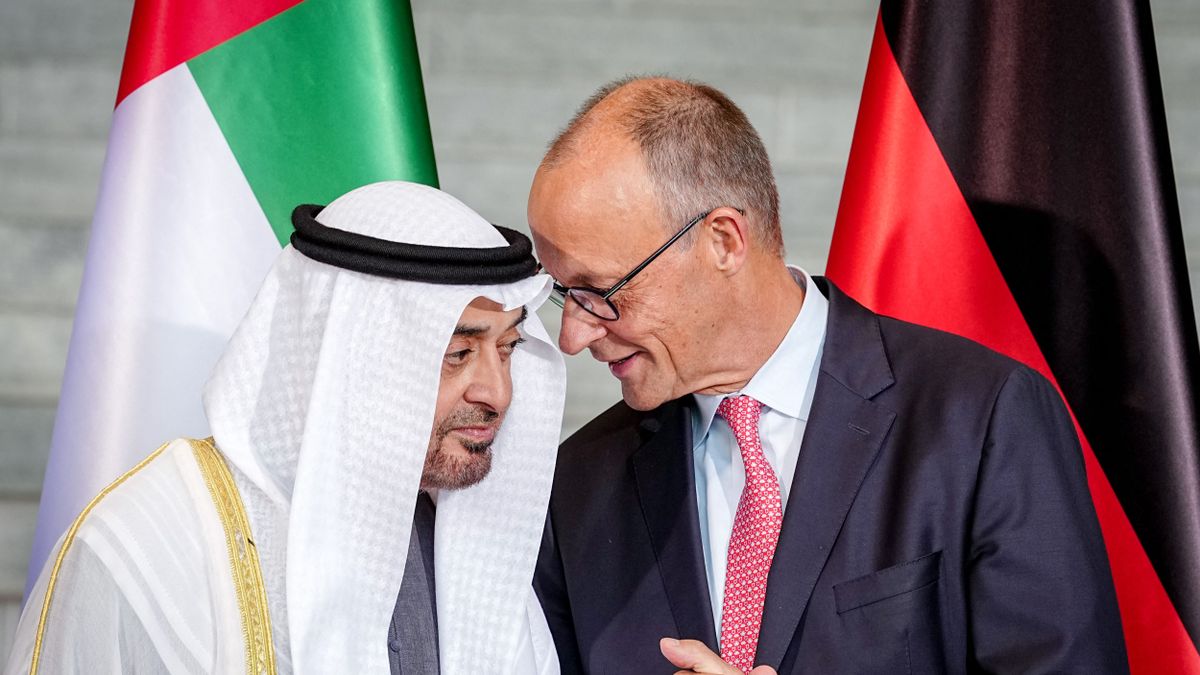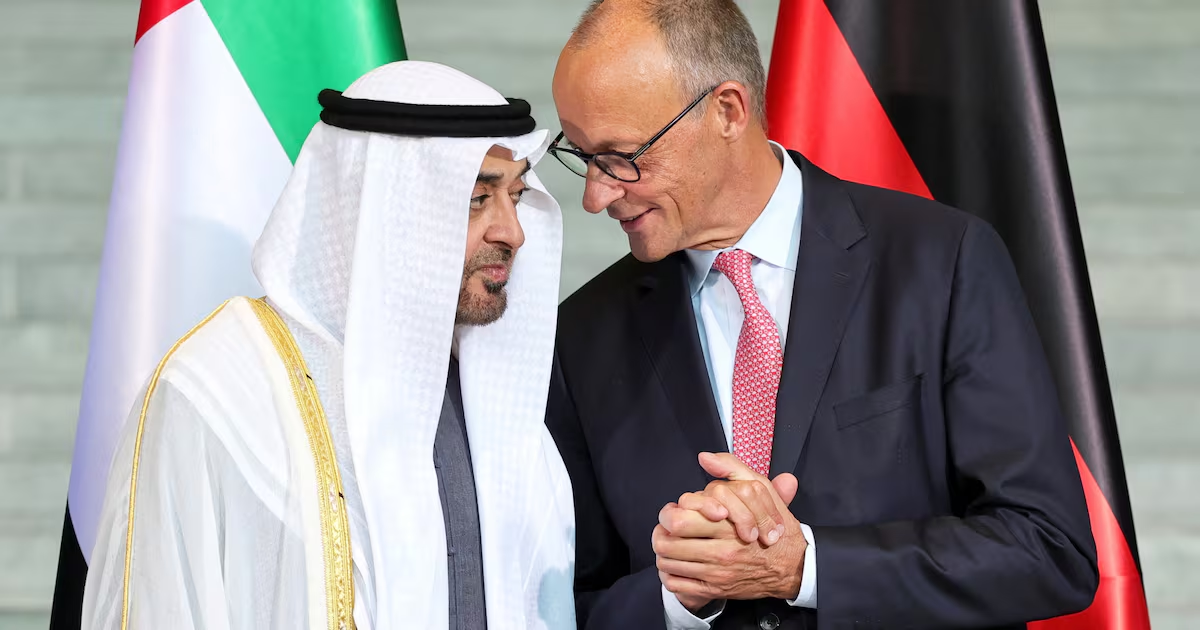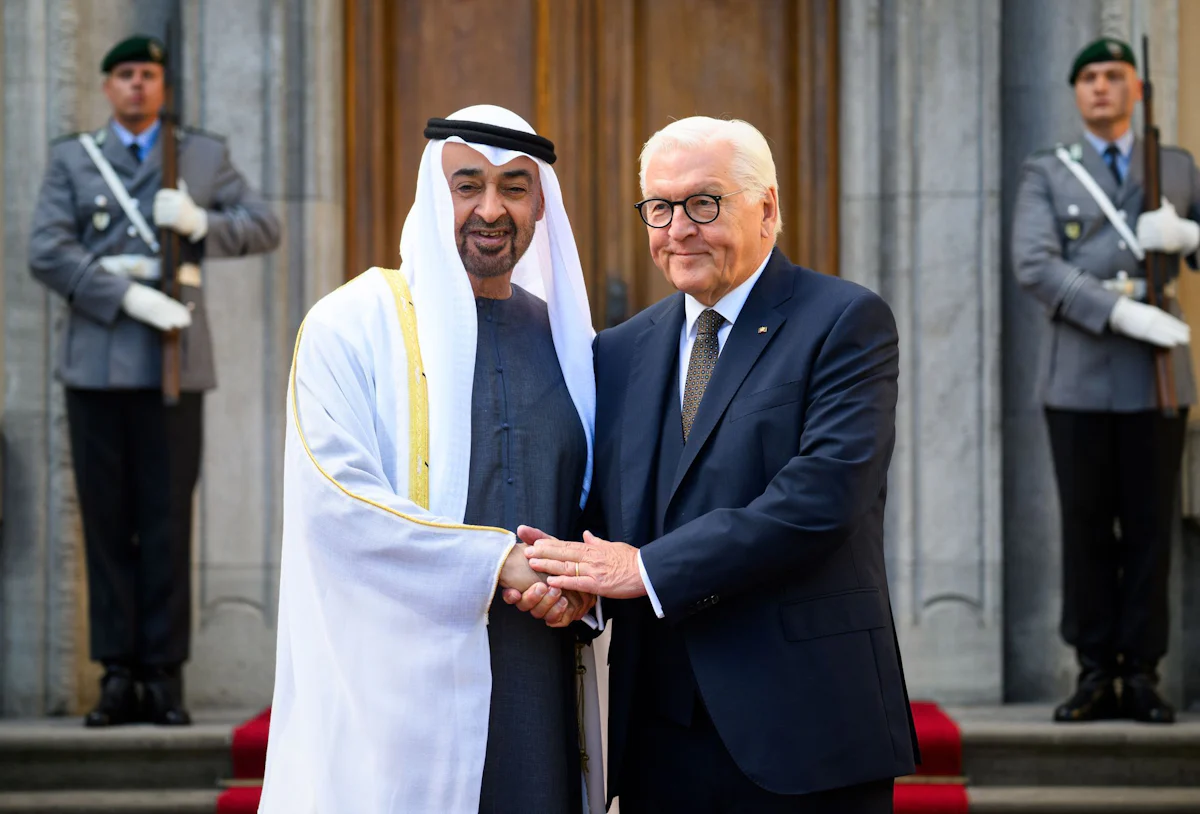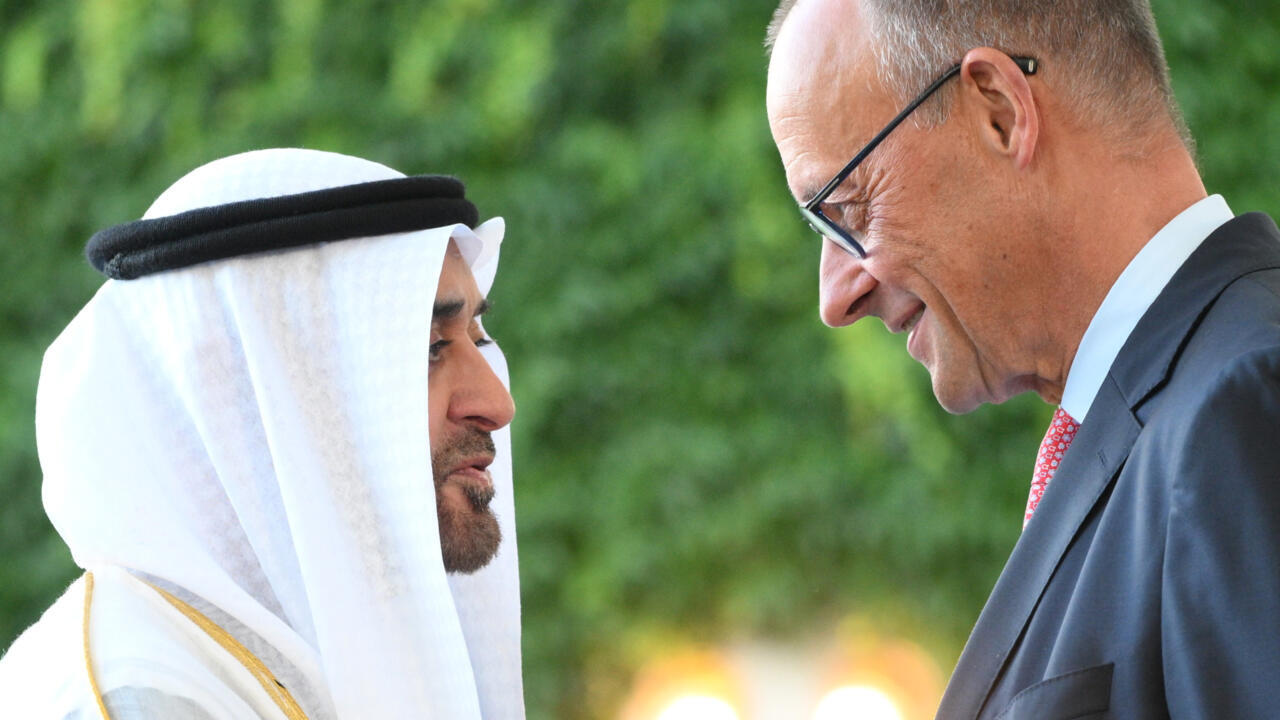
The money would partly pay for data centres with a capacity of up to one gigawatt, Berlin said, and an "Investment Council" would be set up to boost business links between the two nations.The Gulf is a key source of capital for the AI boom as oil-rich states in the region seek to invest their energy wealth."The UAE invests for the long term and builds partnerships that endure," UAE Industry Minister Sultan Ahmed Al Jaber said. "Germany has been an important strategic and economic partner for decades and the additional 40 billion euros intended investment reflects our ambition to invest in that relationship."Berlin had earlier rolled out the red carpet for President Mohamed bin Zayed Al Nahyan, who met Chancellor Friedrich Merz after earlier being received with military honours by President Frank-Walter Steinmeier.Security was tight for the visit, with Berlin cordoning off flag-lined streets and deploying large numbers of police.The visit comes as the US war against Iran has roiled the Gulf region, with President Donald Trump's erratic diplomacy unsettling many midsize powers and leading them to diversify their strategic and economic partnerships.Merz visited the Gulf region in February, shortly before the US-Israeli war started against Iran. He said then that "we need such partnerships more than ever at a time when major powers are increasingly dominating politics".The UAE is Germany's largest trading partner in the Gulf, with bilateral trade topping $15 billion last year, and many big German companies have a presence there including BMW, Siemens, ThyssenKrupp and rail operator Deutsche Bahn.German and Emirati companies had signed a further 29 agreements with a total value of 9.4 billion euros during the visit, Berlin said.The UAE meanwhile has made major investments in Germany, including in the chemical industry and offshore wind power.During Merz's visit in February, German energy giant RWE and Abu Dhabi's national oil company ADNOC signed a memorandum of understanding on LNG imports over the next decade.Gulf countries have also long bought defence equipment from Germany and have shown interest in start-ups that make drones to bolster NATO's deterrence efforts against Russia.
UAE to invest 40 billion euros in Germany, including for data centres: Berlin
The leader of the United Arab Emirates was on a state visit to Germany on Thursday that resulted in a promise to invest 40 billion euros ($46.5 billion) into Europe's top economy.
465 words~2 min read