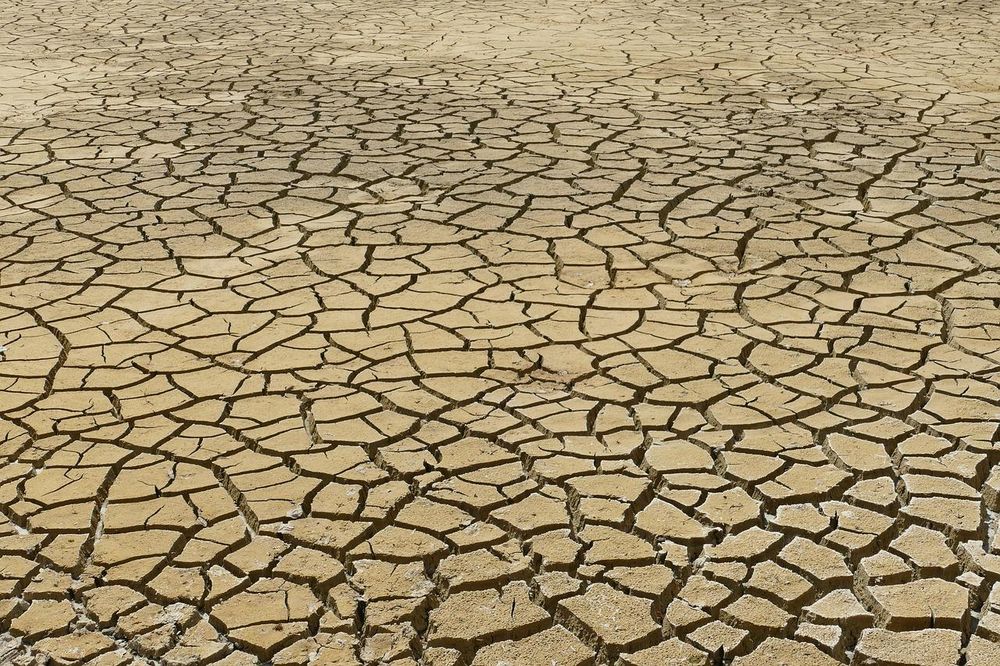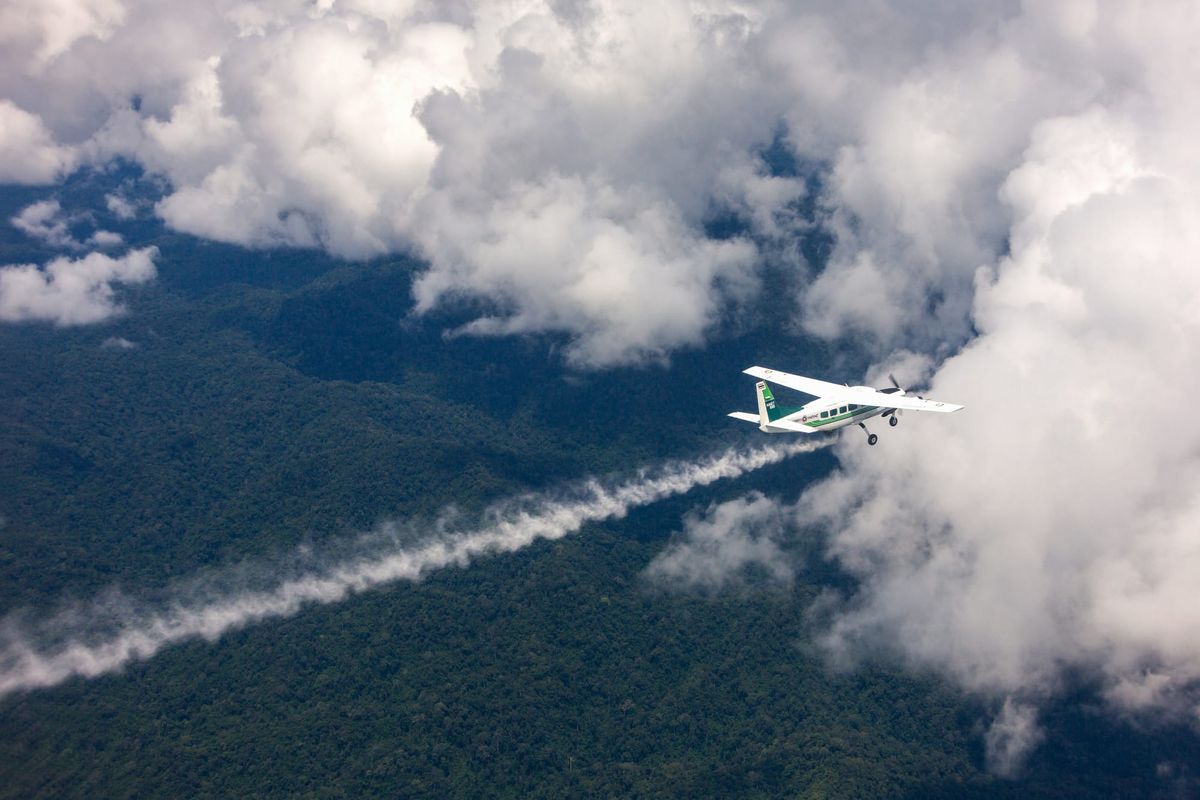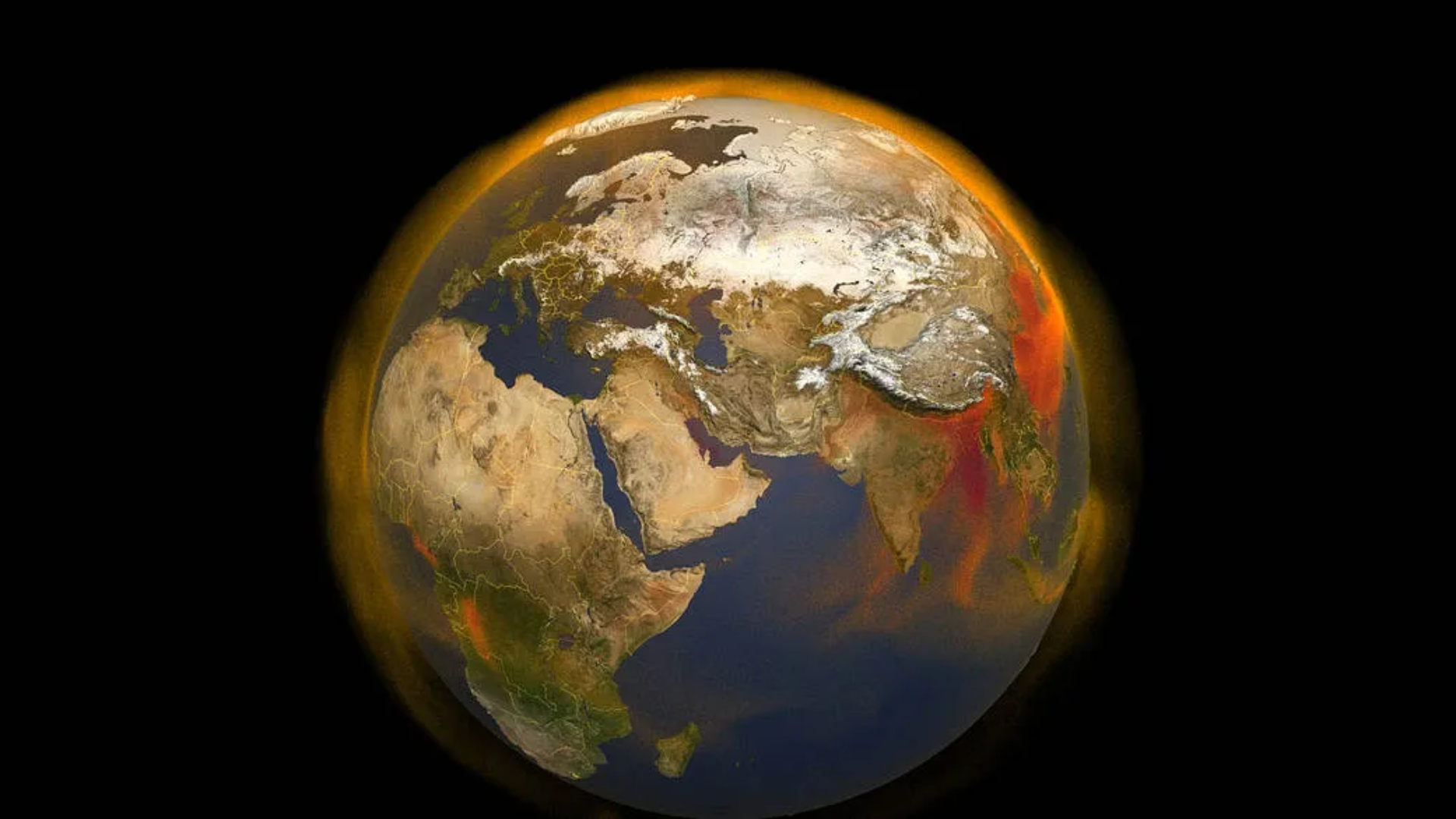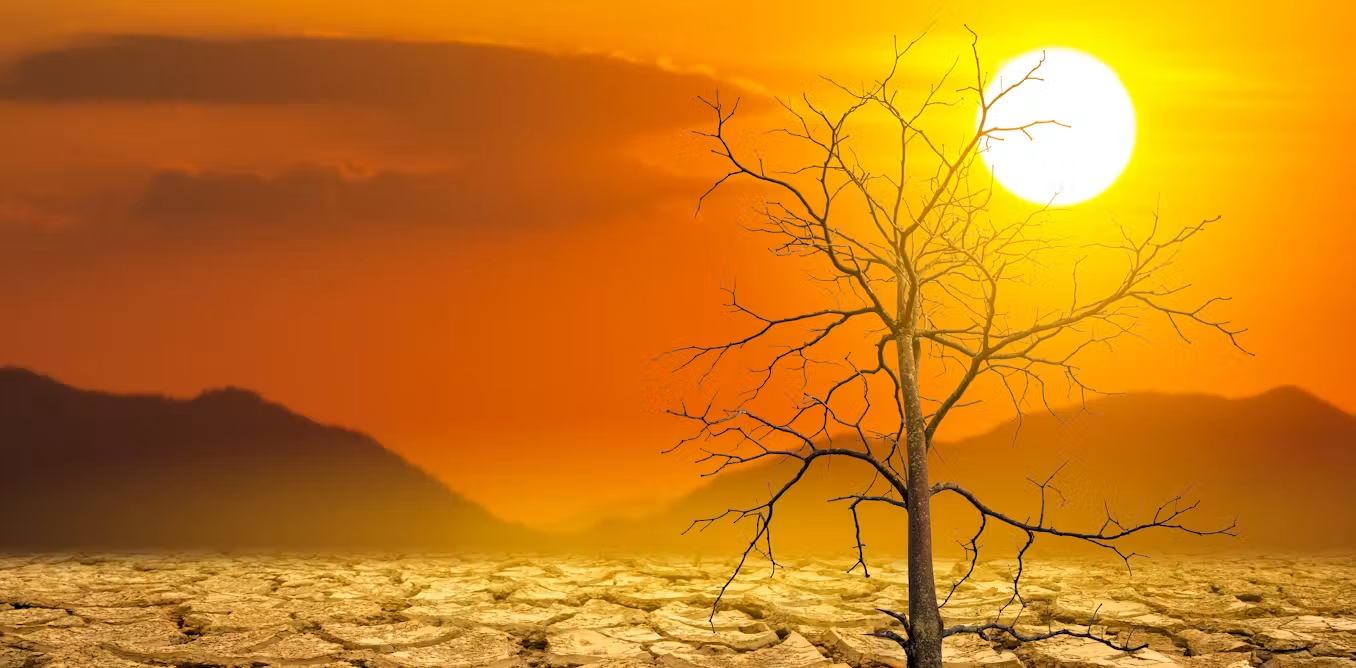
Climate change has already doubled the world’s heatwaves between 2024 and 2025 and brought more severe droughts, floods and water shortages to Africa. These changes are damaging crops, homes, infrastructure and ecosystems, and placing growing pressure on people’s health and livelihoods.
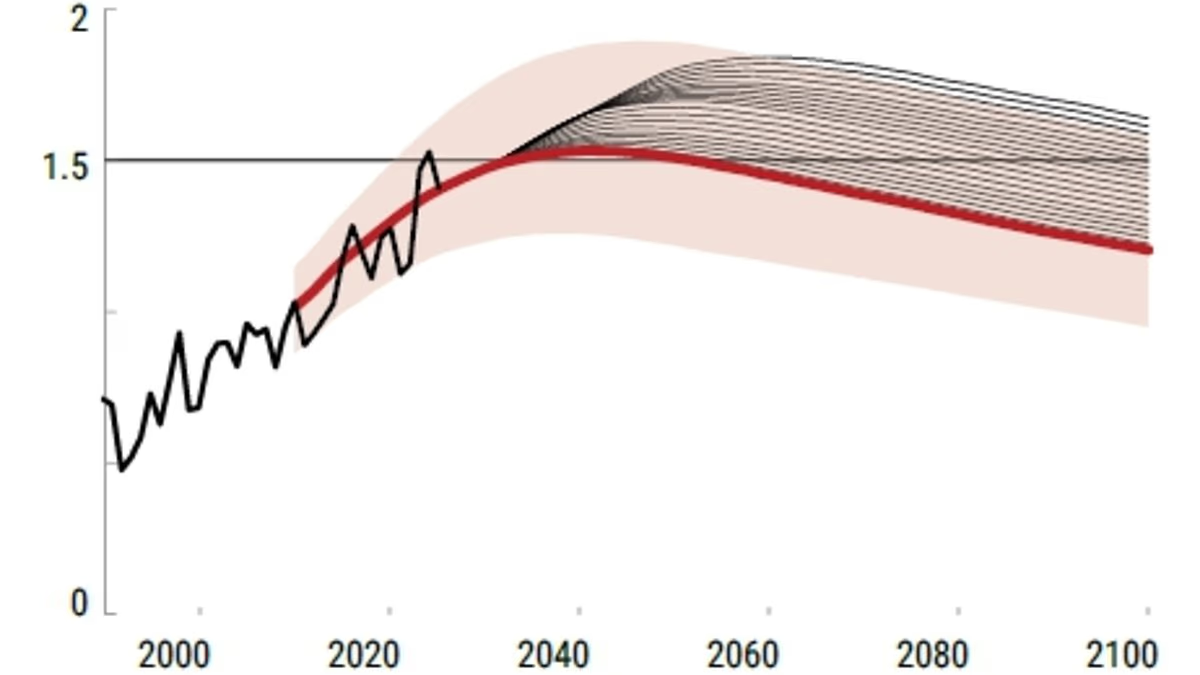
On 2 September 2026, the United Nations Environment Programme released a report called Limiting Overshoot. The overshoot is when average global warming remains above the Paris Agreement’s 1.5°C target for several years or decades before falling again. This is different from one unusually hot year. How high temperatures rise and how long they stay above 1.5°C will depend on how quickly the world cuts greenhouse-gas emissions and removes carbon dioxide from the atmosphere.
À lire aussi :
A landmark UN report says the world will overshoot the 1.5°C climate target. What happens now?
The United Nations’ report warns that long-term global warming is likely to exceed 1.5°C above pre-industrial levels within the next few years. Even its most hopeful scenario sees temperatures peak at about 1.8°C, while others take the world beyond 2°C.