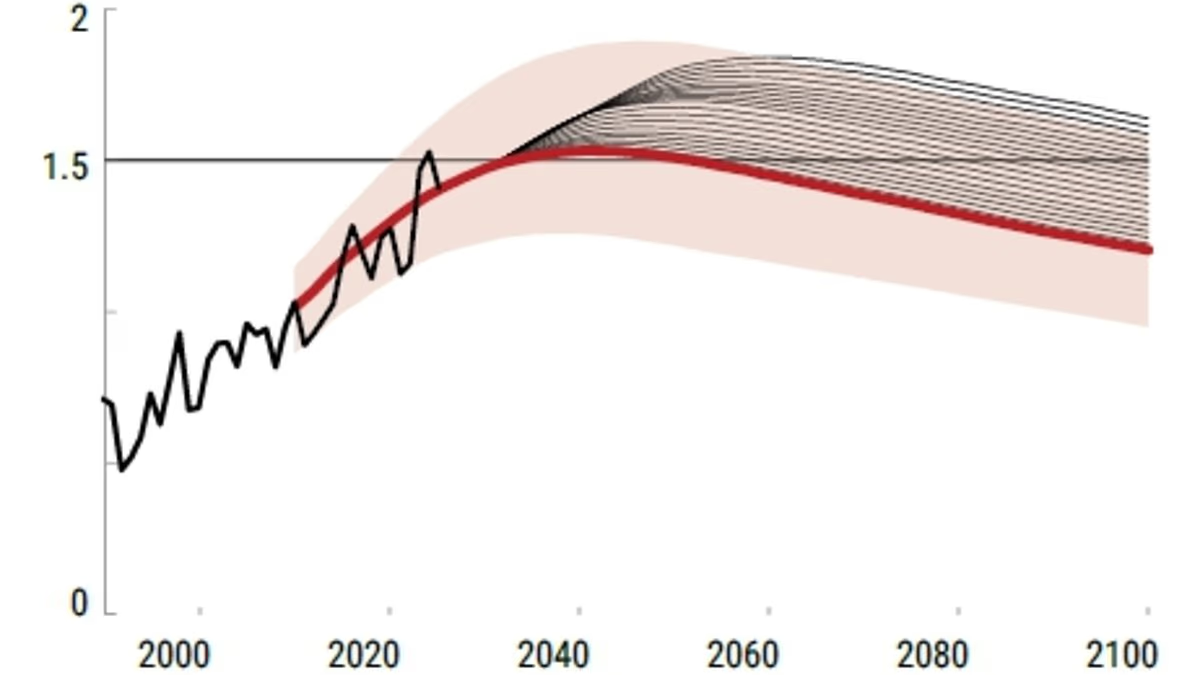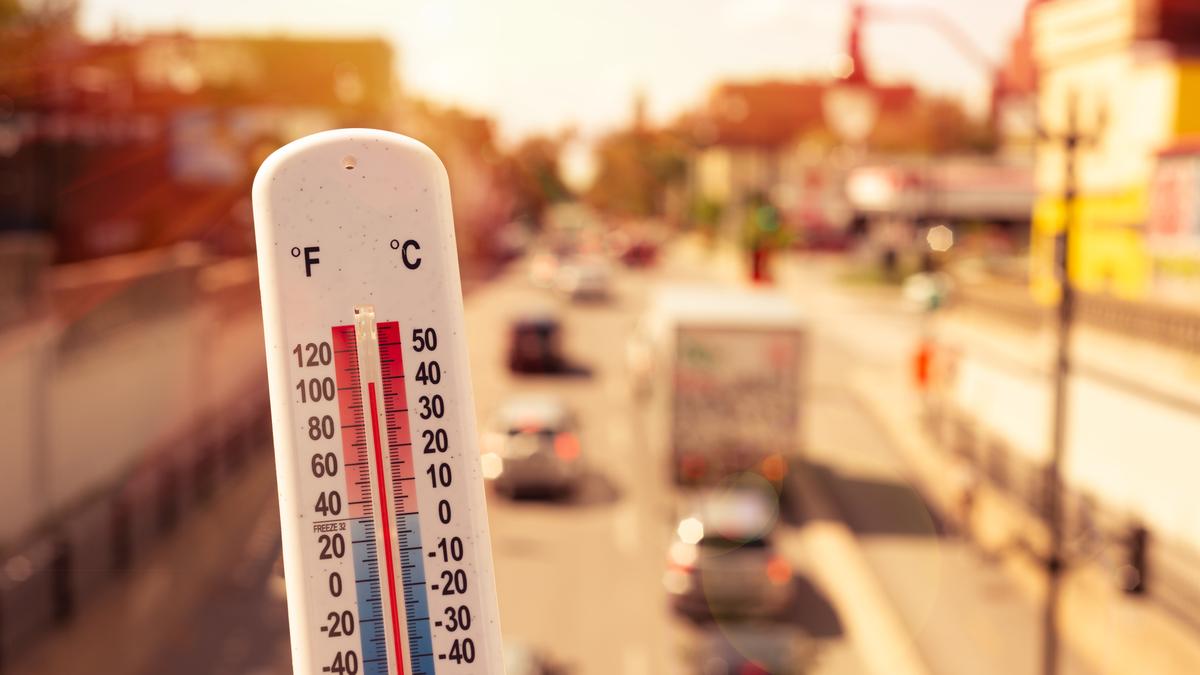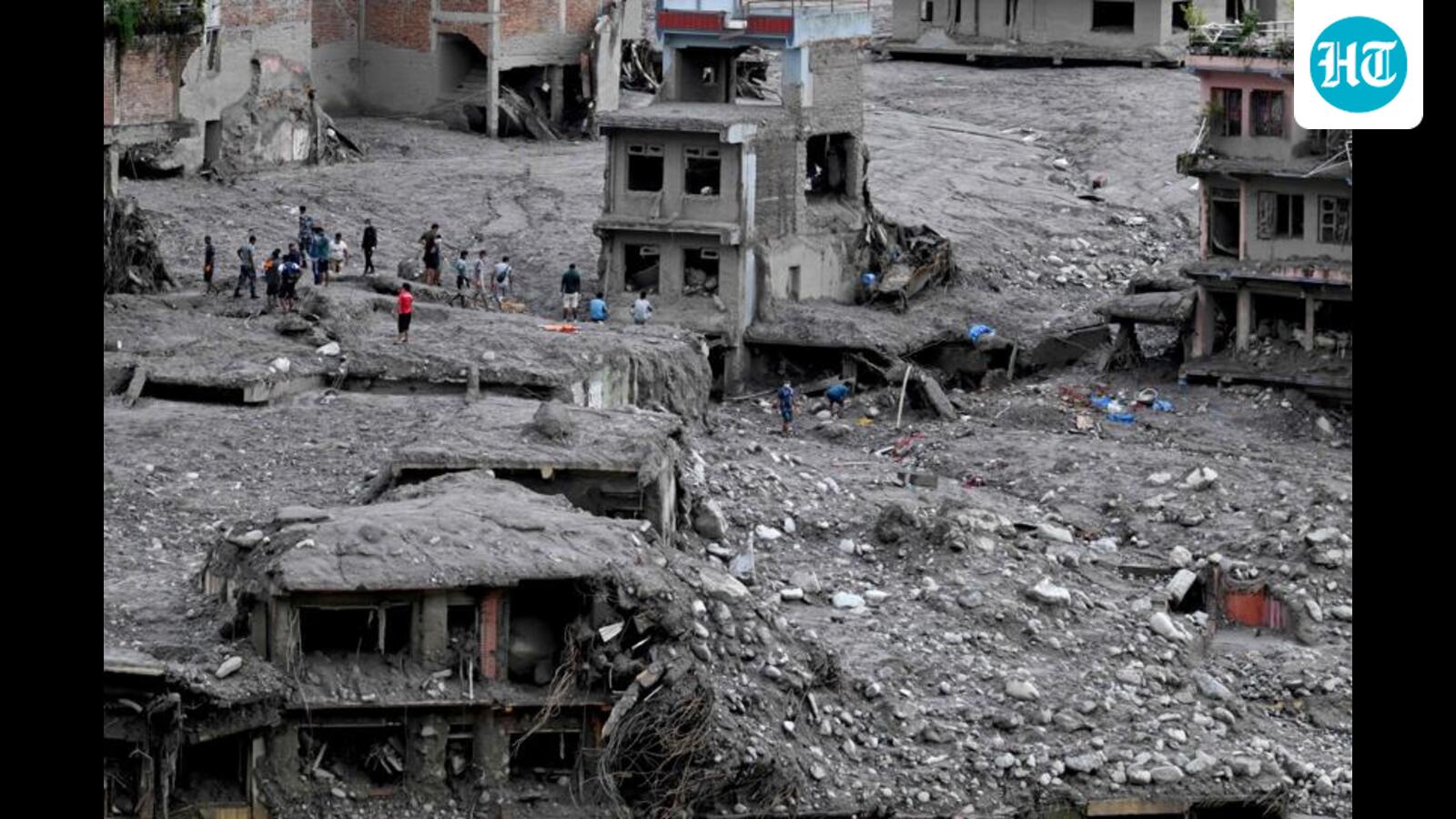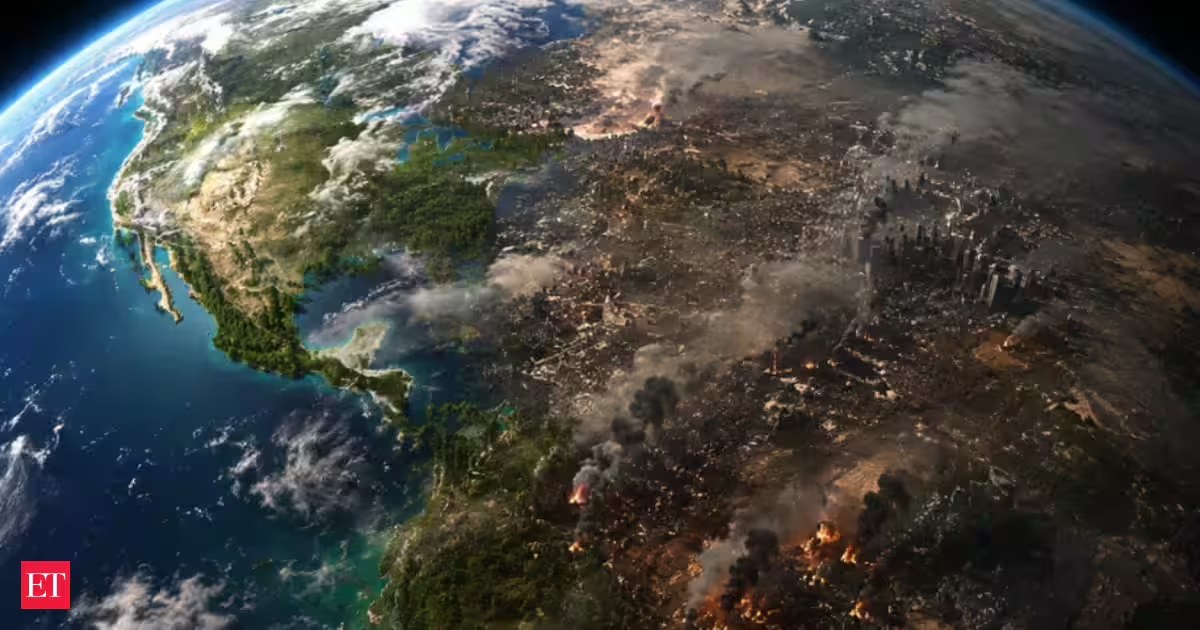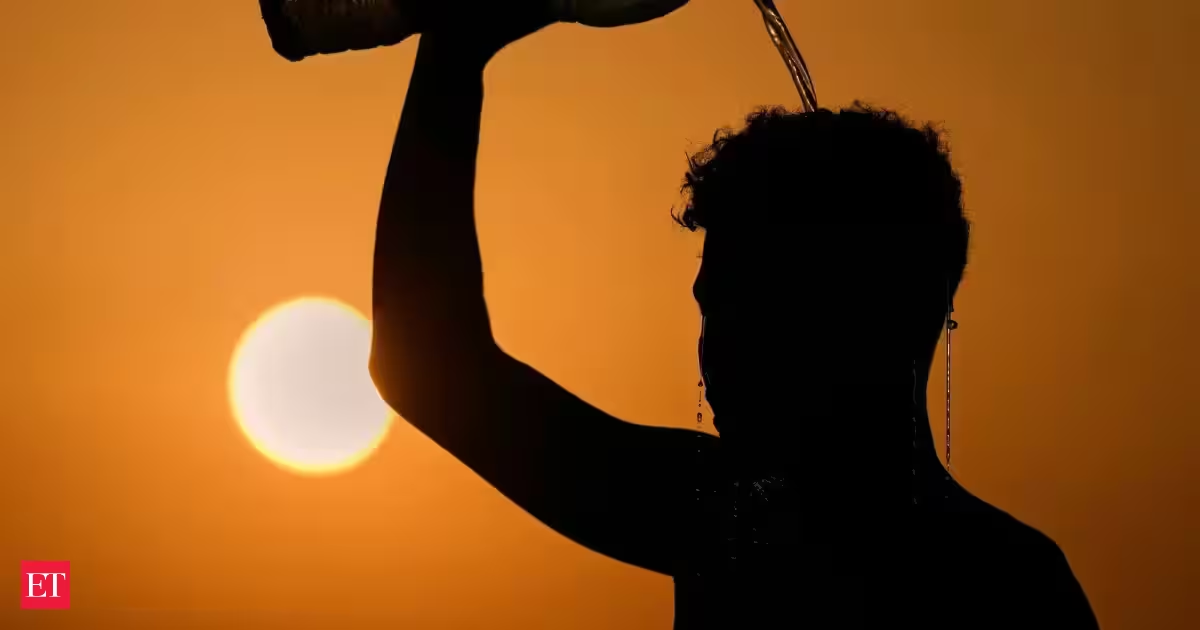
The United Nations Environment Programme’s report, Limiting Overshoot, is a reminder that breaching the 1.5°C global warming limit would bring irreversible losses that adaptation cannot undo. Were all countries to deliver on their climate pledges today, the globe is still poised to heat 1.8°C and on current policies, 2.6°C. Given that the limit has already been breached — and, with the ongoing heating in the central equatorial Pacific expected to burgeon into one of the strongest El Niños in recent history, likely again in 2027 — the report is an acceptance of the scientific reality that we are in a 1.5°C world, while resisting the conclusion that nothing more can be done. The authors describe an “overshoot, peak and decline” pathway under which average global temperatures rise above 1.5°C but countries collectively hold the peak as low as possible and then bring them back below the limit by the end of the century. Neutralising the heating effect of even a tenth of a degree, the report argues, is far harder than preventing that rise in the first place. This in itself is nothing new. What is new is the emphasis on greenhouse gases beyond carbon dioxide. Action on methane, responsible for about 0.5°C of current warming, is considered the most effective way to slow warming in the near-term. Over 155 countries — India is not among them — have joined the Global Methane Pledge to cut anthropogenic methane at least 30% below 2020 levels by 2030.That absence reflects the familiar tension between reports of this nature, which emphasise mitigation, and major developing economies such as India. They stress that they are already en route to moving away from fossil fuels and, being vulnerable to the impacts of historical stocks of carbon, deserve greater financial support and affordable technology from richer developed countries responsible for the crisis. The latest report unfortunately has little to say on adaptation finance, though there are previous assessments on the topic. With countries set to convene in Türkiye in November for COP31, familiar disagreements are likely to surface — but in the aftermath of the Bhotekoshi disaster in Nepal, India’s position too has been complicated. Nepal’s Foreign Affairs Minister, Shisir Khanal, has said that major industrial emitters such as China, the United States and India must consider the impact of rising temperatures on small countries such as Nepal. For India, this list means that a section of the world — despite India’s position as a victim of climate change with below-world-average per capita emissions — sees it as part of the problem. India must take such perceptions seriously and, rather than ignore the reality of a 1.5°C world, should calibrate its messaging to adapt to it. Published - September 05, 2026 12:20 am IST
Warning on warming: On the UNEP report, Limiting Overshoot
Rather than ignore the reality of a 1.5°C world, India should calibrate its messaging to adapt to it
458 words~2 min read