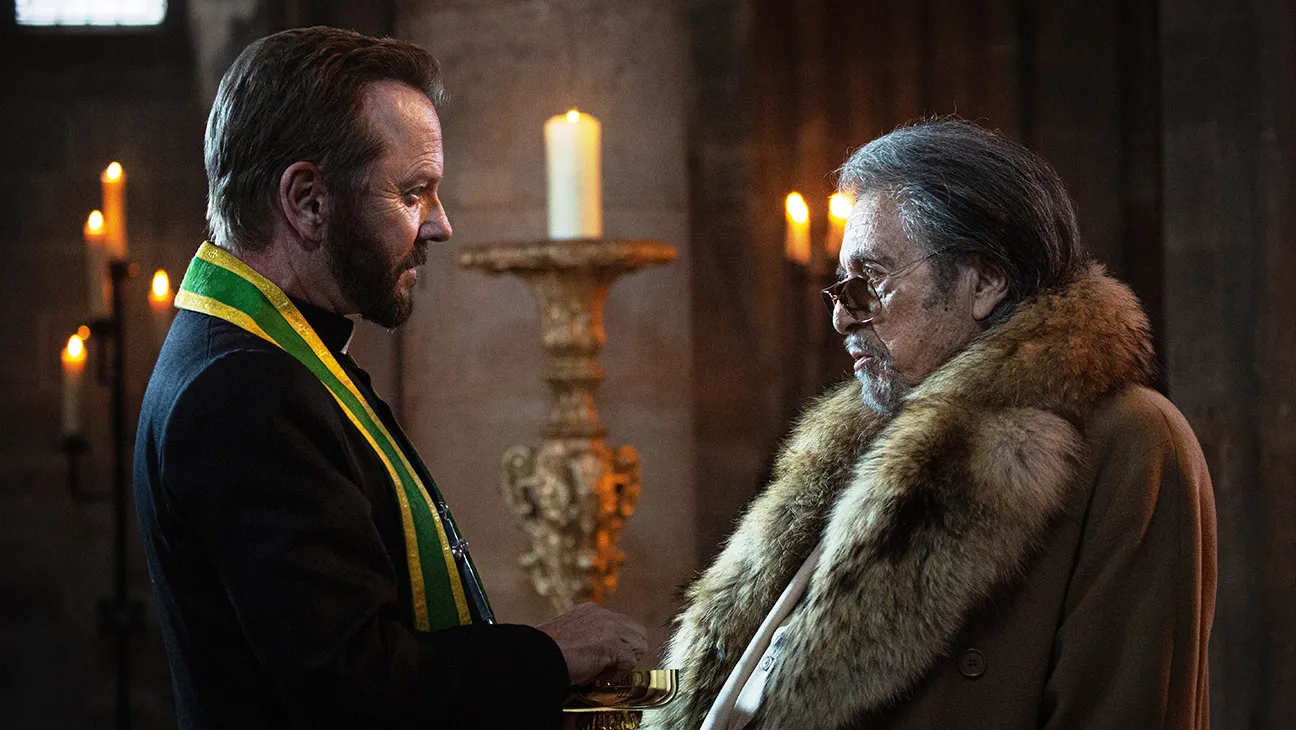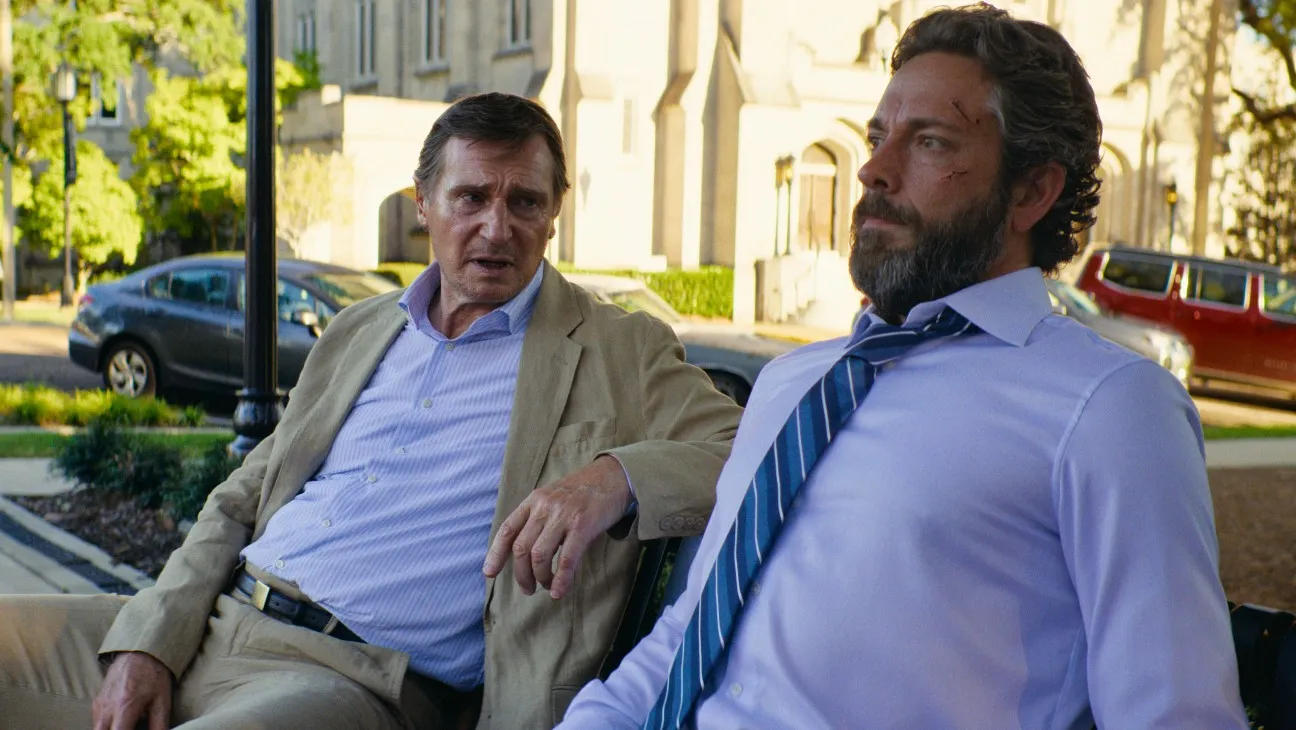
Every “Bad Lieutenant” film has had to answer the same question in its own way: what happens to a corrupt man when there’s no God left to save him?
Abel Ferrara’s 1992 original built its entire moral architecture around Catholic guilt, climaxing with its lapsed-Catholic detective collapsed before a church altar, pleading for absolution from a God he’s convinced has turned away from him. When Werner Herzog picked up the mantle in 2009 with “Bad Lieutenant: Port of Call New Orleans,” he stripped that scaffolding out almost entirely, trading redemption for a more absurdist, karmic universe with no supreme being to answer to. For Miike Takashi‘s “Bad Lieutenant: Tokyo,” which has its world premiere at the Toronto Film Festival, neither approach felt right.
Rather than remove religion from the equation like Herzog did, or lean into it like Ferrara, Miike replaced it with a different framework entirely: the diffuse reverence for nature found in Japanese spirituality.
“In Japan we don’t follow monotheistic religions, at least most people don’t, but we also do have a sense of spirituality towards various gods, be that something like nature,” Miike says. “We have tremendous respect towards nature. It is something that we fear.”