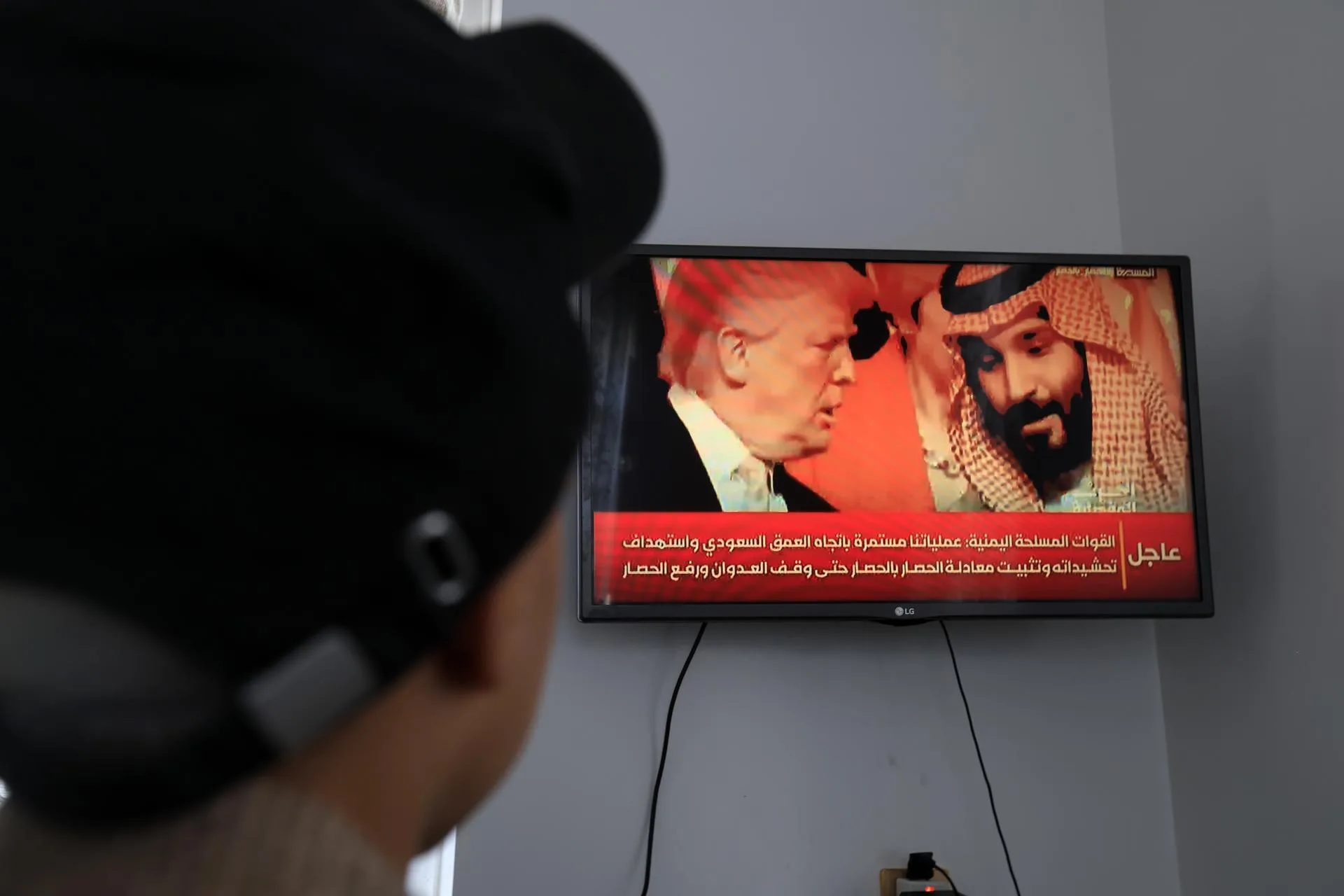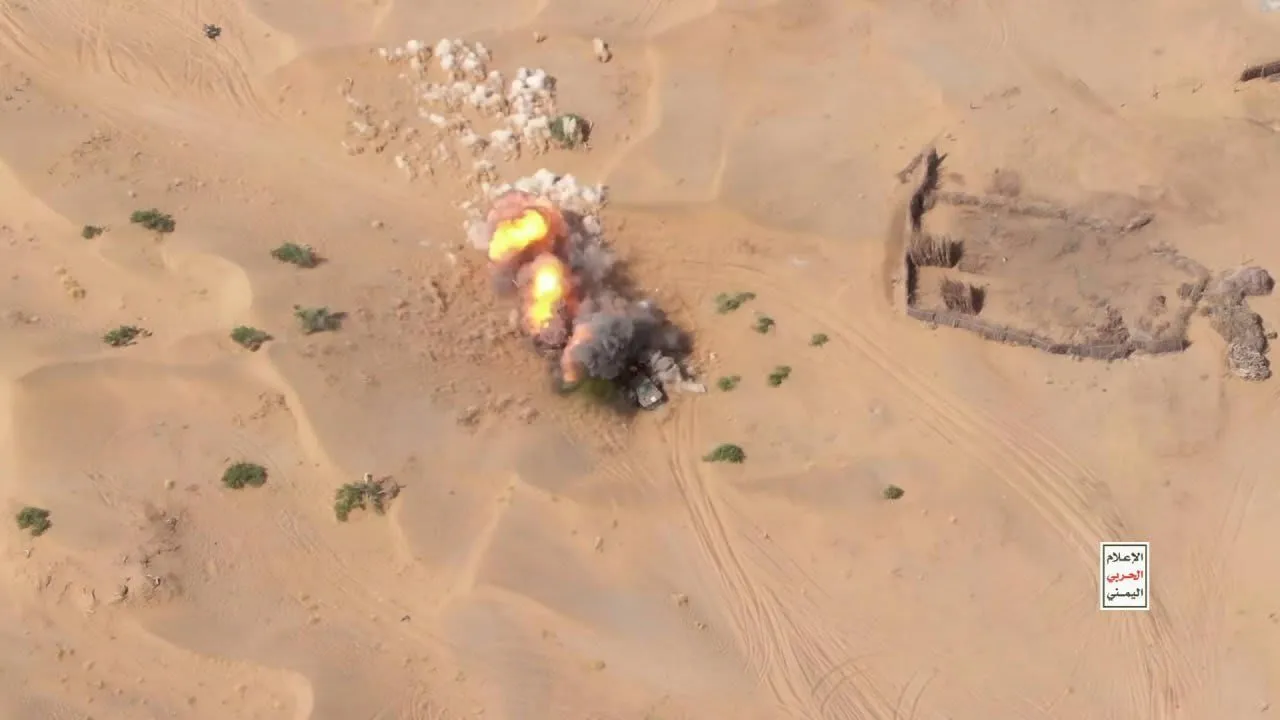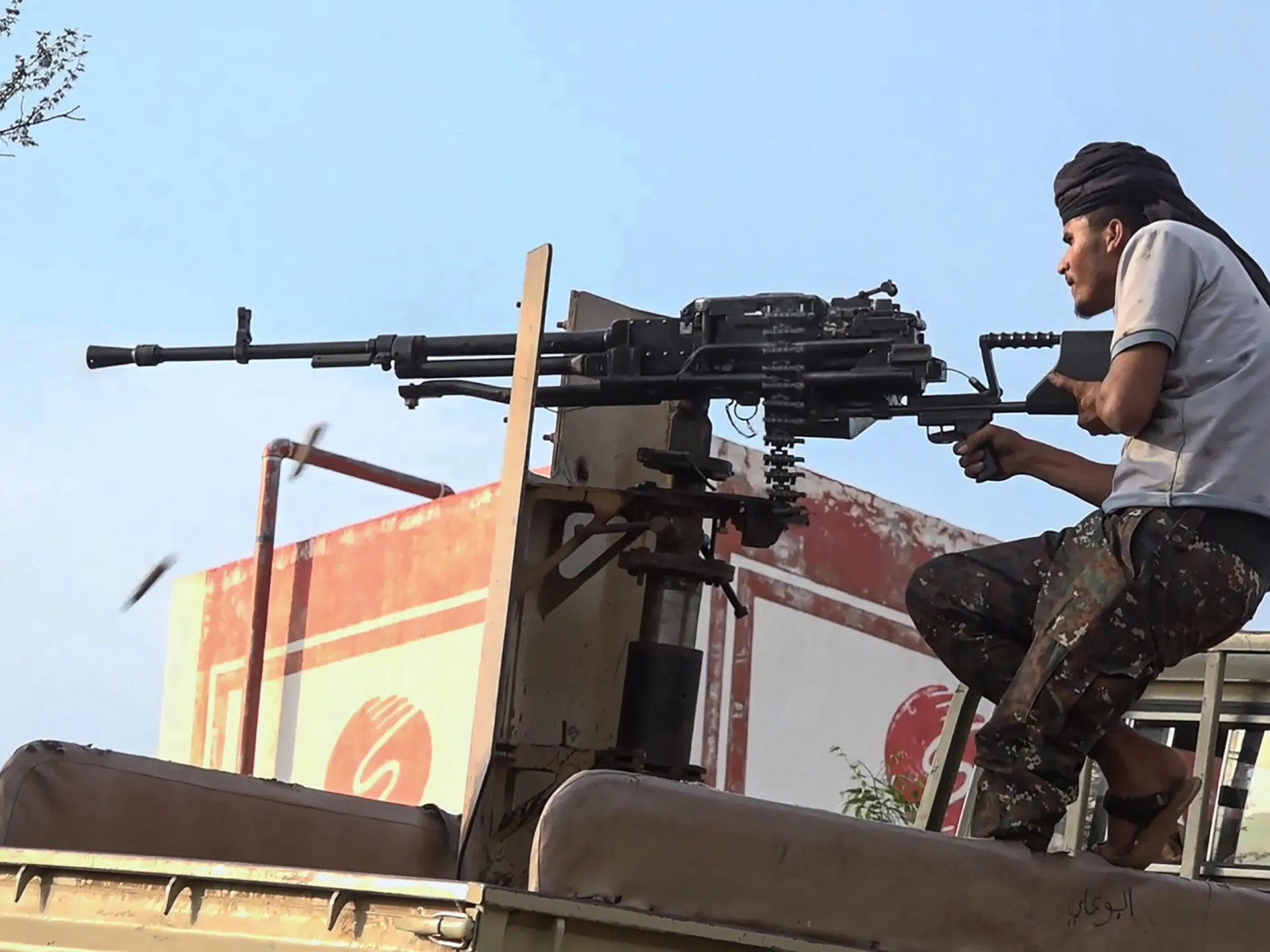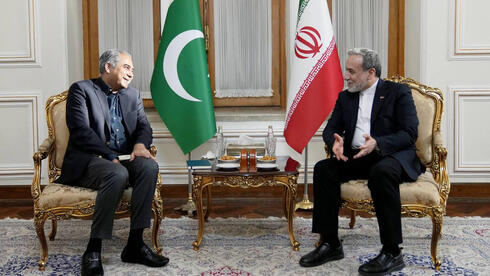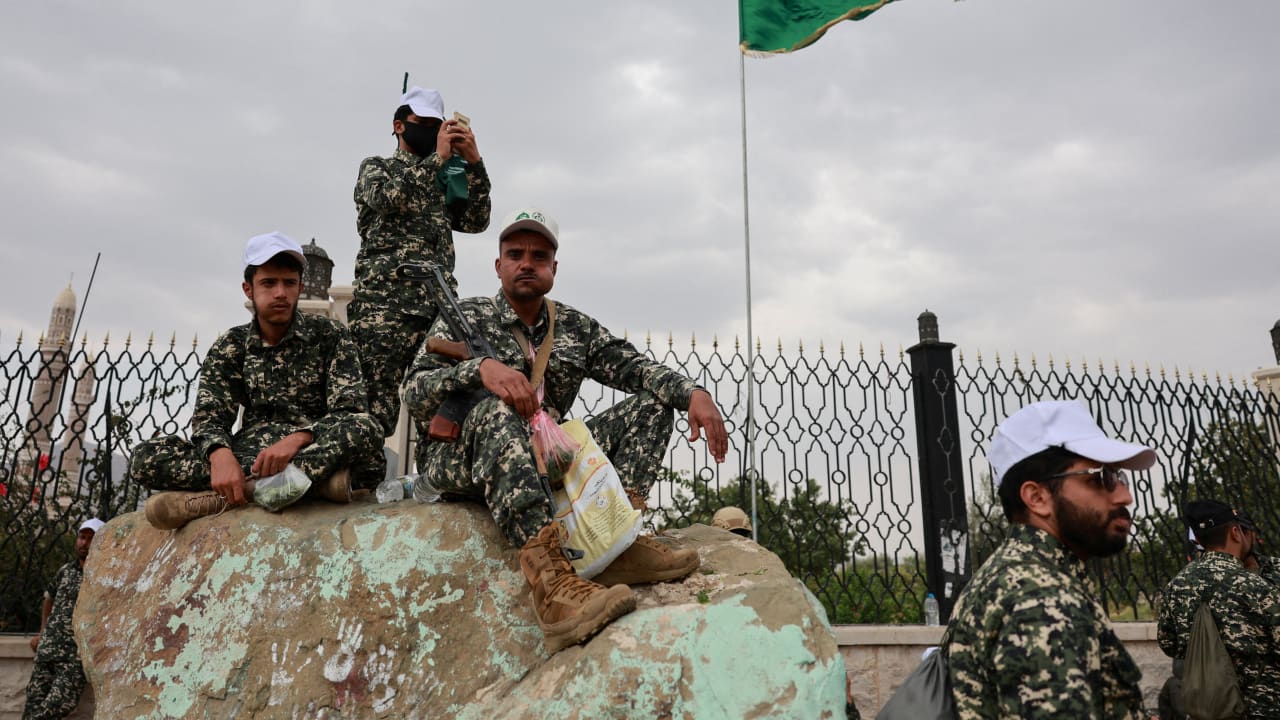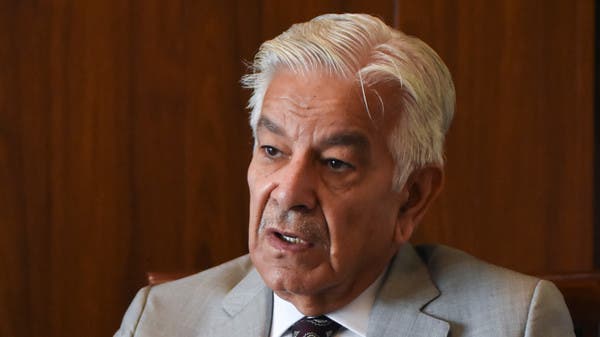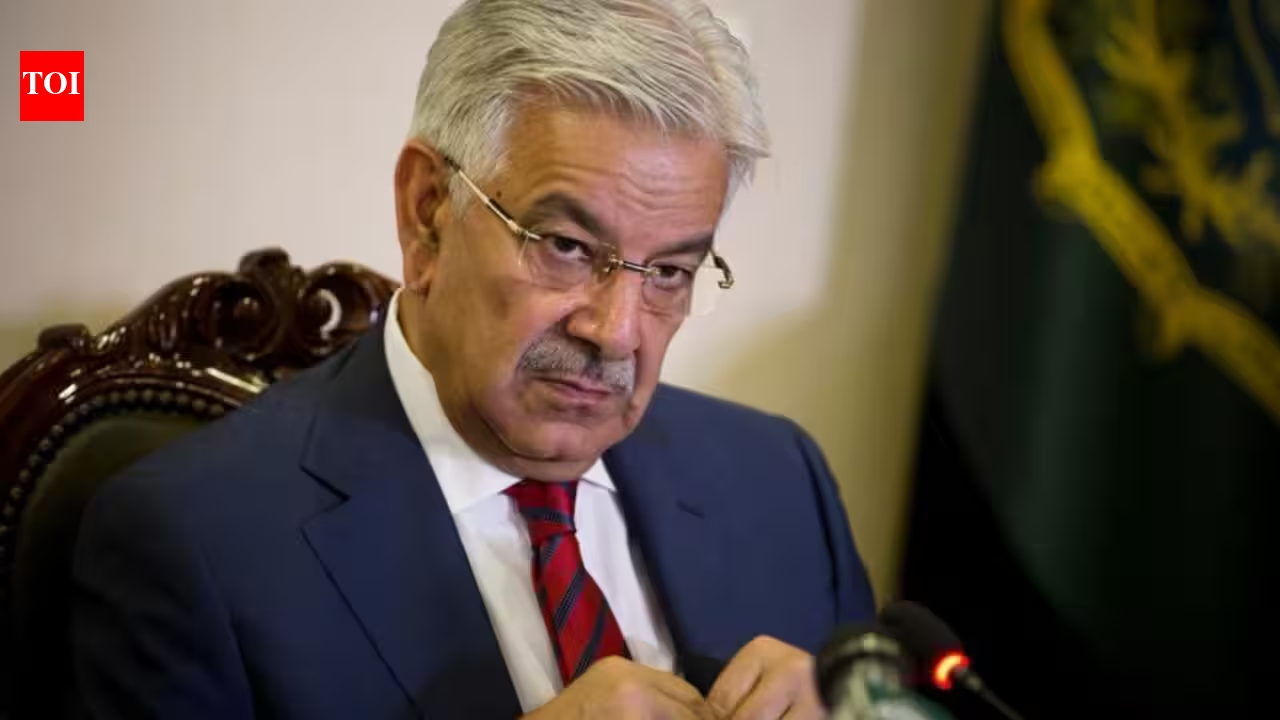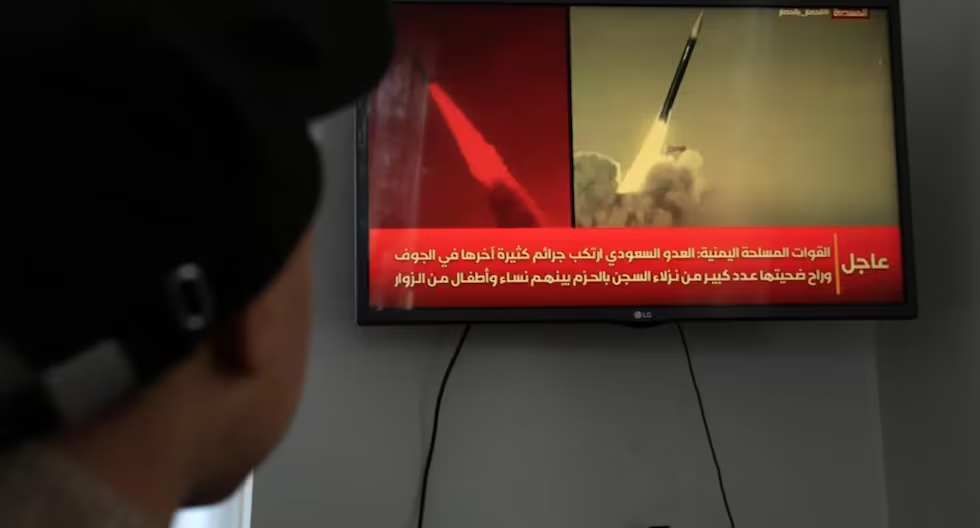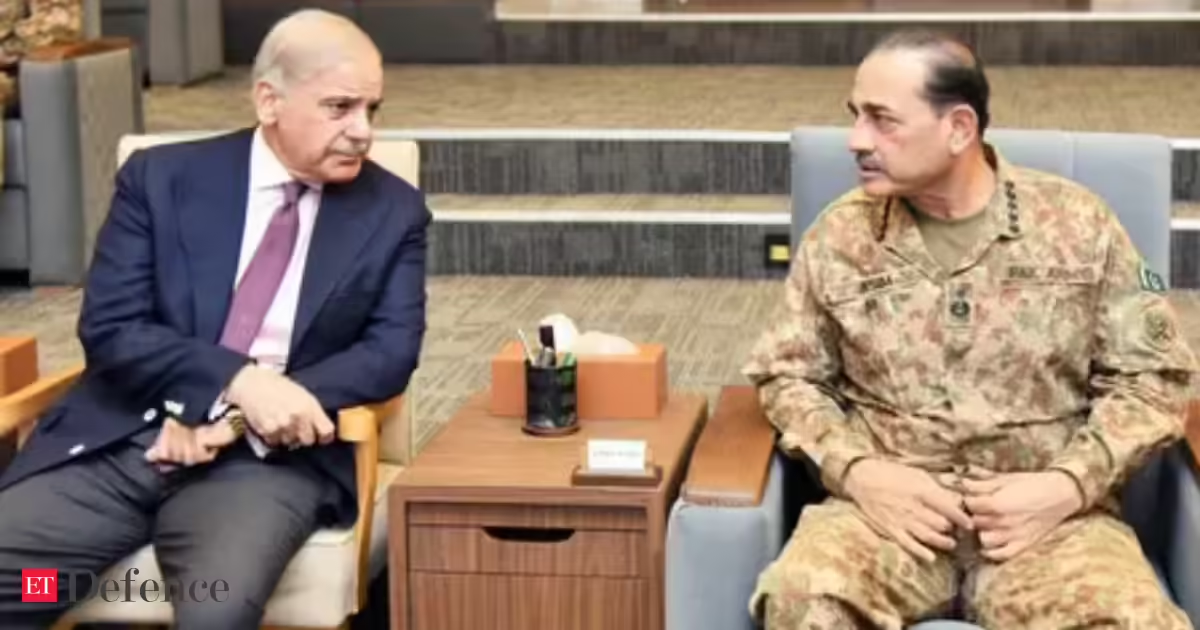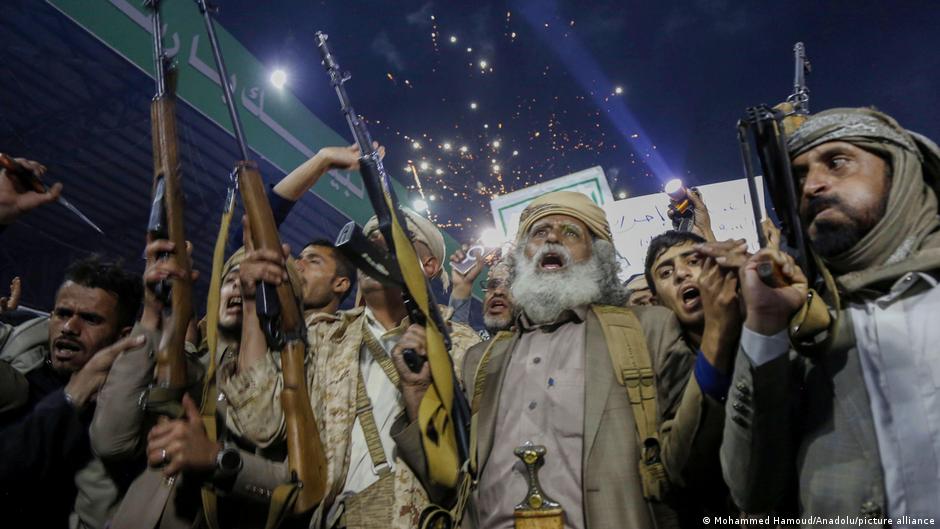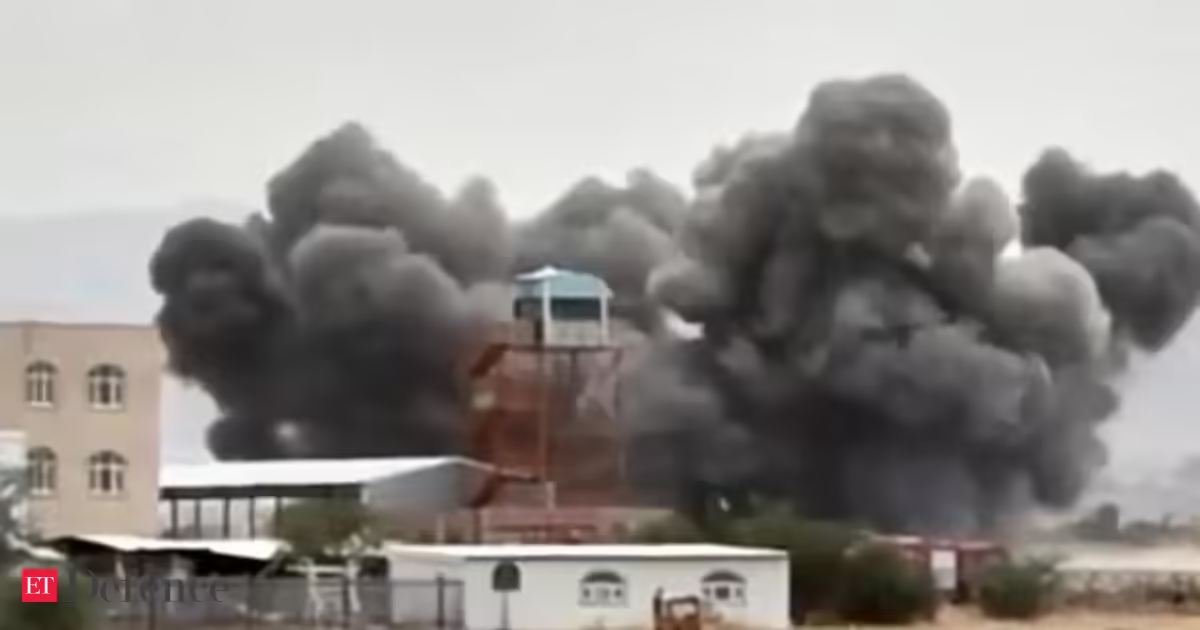
The Houthi war has suddenly moved much closer to Saudi Arabia. After attacks on Saudi cities and energy infrastructure that wounded 73 people, the Iran-backed Yemeni group has pushed along Yemen's Red Sea coast and seized the strategic port of Mocha, raising the prospect of greater pressure on the Bab el-Mandeb shipping route.Saudi Arabia has retaliated with airstrikes while Pakistan, which only a day ago warned that attacks spilling into Saudi territory could activate its new defence pact with Saudi and Turkey, has now sought to cool expectations. Pakistan now says no military response is currently under discussion under the Mecca pact, though it adds that it will act "when the time comes."Pakistan's warning, then the walk-backPakistan's position has shifted noticeably. On Wednesday, Defence Minister Khawaja Asif sounded unequivocal. An attack on one member of the new Saudi-Turkey-Pakistan Mecca pact, he said, would be regarded as an attack on all three. If aggression or spillover reached Saudi Arabia, the agreement would "definitely" become operational. The warning came after the Houthis hit Khamis Mushait and nearby energy infrastructure, one of their most serious attacks on Saudi Arabia since the wider US-Iran war began.Also Read: Houthis seize key Yemeni Red Sea port, sources say, threatening global energy flowsReuters also reported that Islamabad had conveyed a Saudi warning to Iran, urging it to rein in its Houthi allies. Iranian officials denied controlling the Houthis, while other Iranian sources told Reuters that Iran had encouraged attacks on Saudi Arabia and provided additional support. Those claims remain source-based and unverified, but the Pakistani message itself is significant. Islamabad was trying to stop the crisis before Saudi asked Pakistan to do something militarily.You Might Also Like:By Thursday, however, Foreign Ministry spokesman Sajjad Haider Khan was considerably more cautious. Asked how Pakistan would fulfil its obligations under the Mecca pact, he said there was "no such thing under discussion right now" and that Pakistan would act "when the time comes". He also said there were no plans at present to expand the three-country alliance. That is not quite a reversal but a retreat from the impression that Pakistani forces could soon be entering the Yemen conflict.The Mecca agreement is formally defensive. Pakistan can reinforce Saudi territory, provide air defence, deploy aircraft or offer technical and logistical assistance without necessarily launching attacks inside Yemen. Reuters has reported that discussions between Saudi, Turkish and Pakistani military officials have focused on precisely this distinction. For now, Pakistan appears determined to keep the door open without walking through it.Pakistan has been here before: The Black SeptemberPakistan's military relationship with the Arab world is hardly new. Since the 1960s, Pakistani pilots, trainers, officers and troops have helped countries including Saudi Arabia, Jordan, Oman and the Gulf monarchies develop their armed forces. But the most dramatic example came in Jordan in 1970.Also Read: Yemen risks a return to civil war as Iran-backed rebels target a vital oil shipping routeYou Might Also Like:The crisis known as Black September began after years of growing tension between King Hussein's monarchy and Palestinian armed organisations operating inside Jordan. The PLO and other fedayeen groups had become powerful enough to challenge the authority of the Jordanian state. Palestinian fighters operated checkpoints, carried weapons openly and increasingly acted as though parts of Jordan were outside the king's control.The situation exploded in September 1970 after a series of aircraft hijackings by the Popular Front for the Liberation of Palestine. The planes were eventually brought to Jordan and dramatically blown up at Dawson's Field. Hussein responded by imposing martial law and ordering his army to crush the Palestinian armed groups.This is where Brigadier Zia-ul-Haq enters the story -- the future military dictator of Pakistan who helped an Arab monarch suppress Palestinian militants. Zia was then heading Pakistan's military training mission in Jordan. He had already spent years there and knew the Jordanian army well. When fighting began, he was sent by Hussein to assess the situation, including the threat posed by Syrian forces that had entered northern Jordan in support of the Palestinians. Zia's intervention led to killing of thousands of Palestinians. PLO leader Yasser Arafat put the Palestinian death toll at 25,000 but other estimates were far lower. The PLO was eventually driven out of Jordan, relocating much of its armed presence to Lebanon.Pakistan would later again provide military expertise to Arab states. Pakistani pilots served with Egypt and Syria during the 1973 war and Pakistani personnel assisted Saudi Arabia. In 1969, Pakistani personnel based in Saudi Arabia were also involved in fighting South Yemeni forces. The pattern was clear quid pro quo. Arab states had money and strategic importance while Pakistan had a large professional military with combat experience. Both sides had reasons to deepen the relationship.Why this time is different for PakistanThe Houthi crisis presents Pakistan with a much harder problem than Jordan did. Iran is not a distant power whose intervention Pakistan can treat as somebody else's regional problem. It is Pakistan's neighbour. The two countries share a long border and have already exchanged military strikes. Islamabad also has to worry about instability in Balochistan and cannot afford a sustained confrontation with Iran.More importantly, Pakistan is currently trying to play another role: mediator between the United States and Iran. That creates an obvious contradiction.Pakistan can be Saudi Arabia's military partner while being Iran's neighbour and a mediator between Washington and Tehran. But the more directly Pakistani forces fight an Iran-backed movement, the harder it becomes for Pakistan to persuade Iran that it is acting as an intermediary rather than taking sides.The economic dimension makes the calculation even harder. Saudi Arabia has been one of Pakistan's most important sources of financial and political support. Riyadh has provided oil assistance, deposits and investment at moments when Pakistan faced acute external financing problems. The emerging Gulf security architecture also offers Islamabad the prospect of deeper investment and energy arrangements.Pakistan therefore has something substantial to lose in both directions. If it refuses to help Saudi Arabia after an attack on Saudi territory, the credibility of its new defence pact suffers. If it intervenes too aggressively, Iran could conclude that Pakistan has joined a regional bloc directed against it, and Pakistan become vulnerable to a range of hostile responses from a neighbour and possibly a long future acrimony.The 2015 Yemen episode is also relevant in this context. Pakistan's parliament rejected a Saudi request to join the Yemen war, insisting that Pakistan should remain neutral while offering to protect Saudi Arabia if the kingdom itself came under attack.The Mecca pact's first real testThe Mecca pact appears to have been created around deterrence. Saudi Arabia, Turkey and Pakistan agreed that an armed attack on one would be regarded as an attack on all three. The idea was to make an adversary think twice before testing any one member.The Houthis are now testing that proposition. The attacks on Saudi cities were serious enough to cause casualties and hit energy infrastructure. More worrying for Saudi is the Houthi advance along the Red Sea coast. If the group consolidates control around Mocha and the approaches to Bab el-Mandeb, it gains another lever over shipping and Saudi energy exports. The significance is magnified by the simultaneous disruption around the Strait of Hormuz.The current situation can reveal what the pact actually means. Does collective defence mean Pakistani fighter aircraft defending Saudi airspace? Air-defence systems and personnel? Intelligence and logistics? Or eventually Pakistani strikes on Houthi positions in Yemen?Pakistan's answer on Thursday suggests it might avoid anything that makes it appear openly fighting the Houthis. But if Houthi attacks intensify, the ambiguity could become the pact's biggest weakness.Other countries will be watching keenly. Israel will be interested because a credible Saudi-Turkish-Pakistani security structure could reshape the regional balance around Iran and the Red Sea while also in the context of its deteriorating ties with Turkey. India will watch because a Pakistani military presence stretching from South Asia into the Gulf could give Pakistan a wider strategic footprint and Pakistan's military intervention in the Houthi-Saudi conflict will attest the effectiveness of the Mecca pact. Greece has equally direct interest. It has its own expanding security relationship with Saudi Arabia and Israel and had provided Riyadh with a Patriot air-defence battery in 2021 to guard its oil facilities. But it also views Turkey's growing regional military reach through its own security lens which makes the Mecca pact important for it.For now, Pakistan is trying to have it both ways. It is warning Iran, reassuring Saudi Arabia and insisting that no military response has yet been discussed. But the Houthi advance is making the room for ambiguity smaller. The real test of the Mecca pact will come if Saudi Arabia concludes that condemnation and deterrence are no longer enough and asks Pakistan to defend it with force.That is when Pakistan will have to answer a question it has so far managed to avoid. Will Pakistan fight for Saudi Arabia against the Houthis, as it once fought alongside Jordan against Palestinians, or will it decide that this war is too close to Iran to be somebody else's war?
Pakistan killed Palestinians for Jordan. Will it kill Houthis for Saudi?
Houthi attacks near Saudi Arabia have intensified, prompting a cautious response from Pakistan. Pakistan's defence pact with Saudi Arabia and Turkey is now being tested by these events. The nation is carefully balancing its relationship with Saudi Arabia and its neighbor Iran. Historical military ties with Arab nations are noted, but current geopolitical complexities differ. Pakistan seeks to maintain its mediator role while assessing its pact obligations.
1,514 words~7 min read