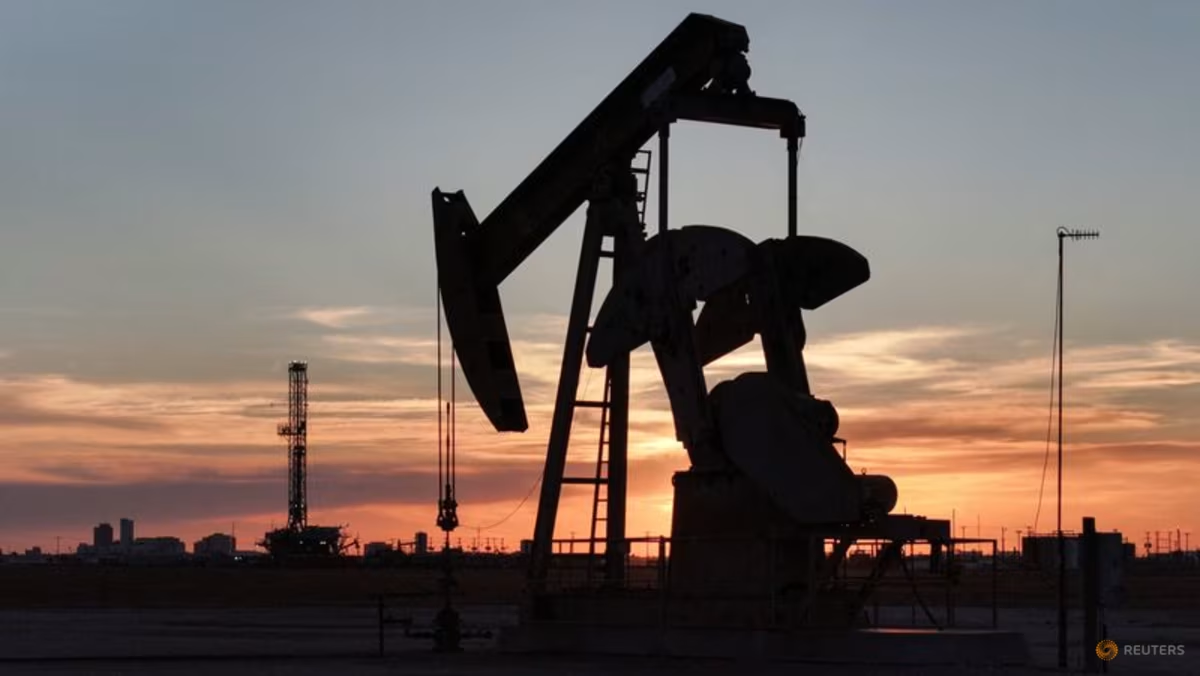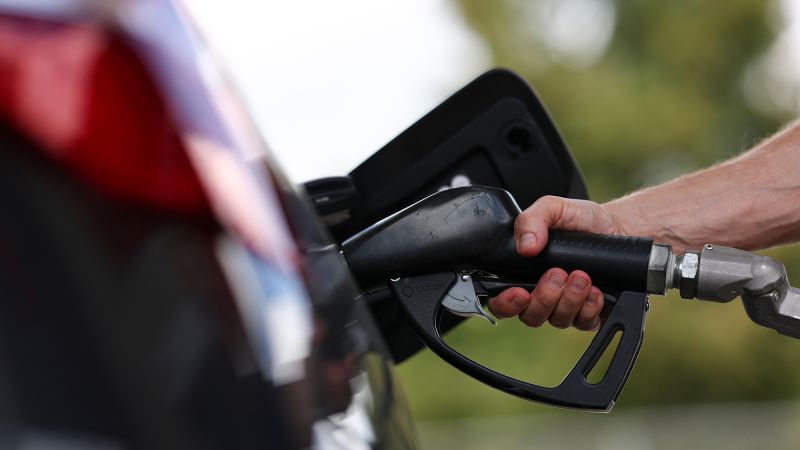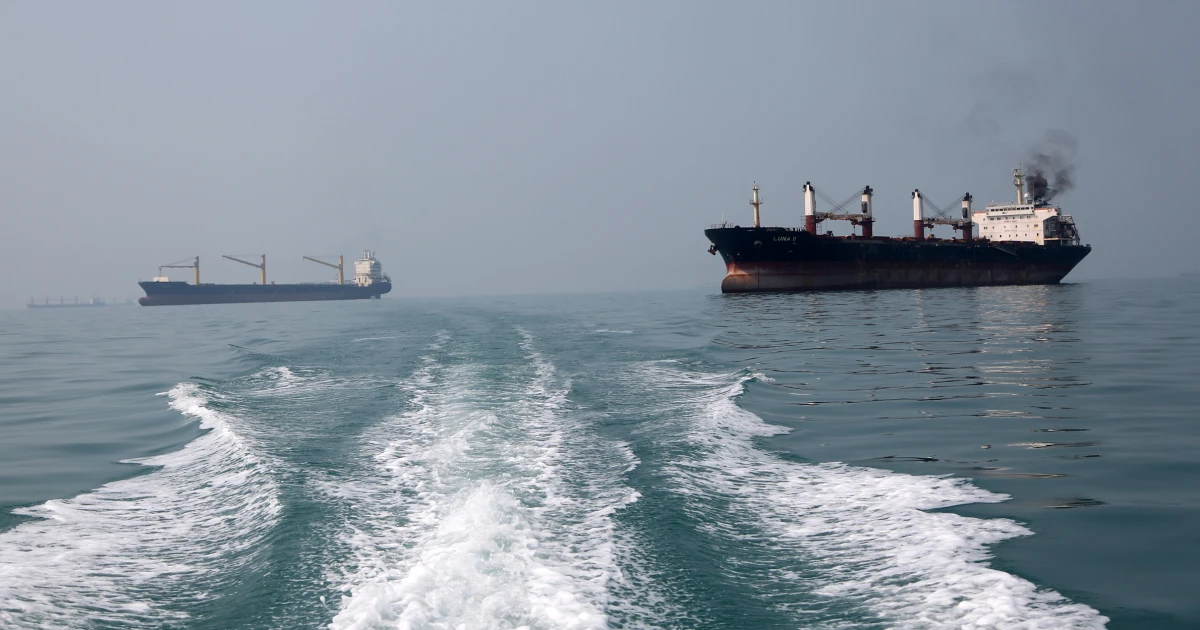
Sept. 10, 2026, 10:01 AM EDTThe price of oil surged again on Thursday, with Brent crude surpassing $105 per barrel for the first time since May and U.S. crude oil jumping above $100 per barrel, also its highest level since mid-May.A primary driver of the move in oil prices was President Donald Trump’s comment Wednesday night that he is not looking for a deal with Iran. Trump also said that he did not expect oil prices to fall until “right after” the November midterm elections, despite having said for months that the war would be over quickly.“Right after the election, oil prices are going to be tumbling downward,” Trump told reporters on Wednesday afternoon. “They’re going to be tumbling down, and we’ll get them down.”Commodities experts warned earlier this week that oil prices as measured by Brent could rise to $120 or even as high as $150 per barrel if the stalemate with Iran continues to drag on.Additionally, Saudi Arabia informed OPEC that its crude oil output plunged to the lowest level since 1990 last month due to renewed hostilities with Iran, according to a report from Bloomberg News. NBC News was not immediately able to confirm that report. “The move reflects a market still pricing in persistent geopolitical risk, with Persian Gulf tensions showing no credible path to de‑escalation,” said analysts at ING on Thursday.As a result of those rising prices, the national average gas price rose another 5 cents overnight to $4.27. Diesel fuel, which powers everything from farms to trucking to trains, rose 3 cents overnight to $5.97. Meanwhile, U.S. Treasury bonds continued to sell off, driving their yields higher. The 10-year Treasury yield, which heavily influences consumer borrowing rates especially for mortgages, touched 4.93%, its highest level since 2023.The 30-year Treasury yield spiked to 3.35%, its highest level since 2007. The move in Treasury yields was driven mostly by the soaring price of energy, which has triggered renewed fears of an inflation crisis.But rising yields may also be attributable to a pledge by Trump on Wednesday night to give a $5,000 “rebate” to all U.S. adults if Republicans retain the House and Senate in November. While details of the pledge remain unclear, it would cost more than $1 trillion and could add to the country’s already significant $40 trillion debt pile.Rising yields and oil prices sent U.S. stocks tumbling. The S&P 500 fell 0.6%, the Nasdaq Composite fell 0.8% and the Dow Jones Industrial Average fell 200 points.On Thursday morning, the Bureau of Economic Analysis reported that wholesale business inflation rose 0.4% from June to July. On an annual basis the Producer Price Index rose 5.4% from a year ago. PPI is often viewed as an early warning signal for what may happen with consumer inflation, which will be released on Friday.The report was also “worrisome” in part due to where in the economy the price increases had appeared, said Diane Swonk, chief economist at KPMG. “They were heavily in diesel and heating fuel,” she wrote on X. “The latter tends to get into other prices with a lag and can be extremely broad based.” Concerned with inflation, Federal Reserve policymakers will be closely watching the figure to determine if they should hike U.S. interest rates in their next policy meeting next week.“If inflation comes in hot, I would consider a rate hike,” said Federal Reserve governor Christopher Waller last week. But he also said there remained “considerable uncertainty” over how the Iran war, Ukraine war and ongoing trade wars would impact the economy.But Swonk suggested a rate hike now could help prevent even higher inflation that could potentially require a more dramatic hike down the road. “The longer [the Fed] waits, the more it may have to do in the future,” she said.One bank that decided not to wait was the European Central Bank, which announced higher raise interest rates for eurozone countries on Thursday. It cited inflation as trigger behind that decision. The decision came just a day after Europe notched its highest average gas prices since 2023.“The conflict in the Middle East continues to generate inflation pressures, and inflation is set to remain well above target for an extended period,” the ECB’s governing council said in a statement. The ECB also raised its inflation forecast for the next two years due to the energy shock. European Central Bank president Christine Lagarde told reporters that “extended period” meant at least into “the first half of 2027.”Lagarde said it was not just the war in Iran pushing prices higher either. “The conflict in the Middle East and recent developments in Russia’s unjustified war against Ukraine have pushed the path of energy prices up further,” she said. “The outlook remains highly uncertain, with risks to the upside for inflation and to the downside for economic growth,” the ECB said.After the ECB’s rate decision and the PPI data release, market odds for a Fed rate hike next week rose to about 75%. Sovereign bond yields around the world are also soaring, with Germany’s 10-year bond reached a new 15-year high on Thursday, while 30-year bonds issued by the French government reached highs last seen in 2003. “If these moves and levels persist, let alone get worse, they will ring alarm bells across most economies,” wrote noted economist Mohamed El-Erian, the chief economic adviser at Allianz.
U.S. crude oil hits $100 for the first time since May
U.S. Treasury yields soared to multi-year highs and stocks tumbled, as economies around the world confront the prospect of long-term inflation.
888 words~4 min read