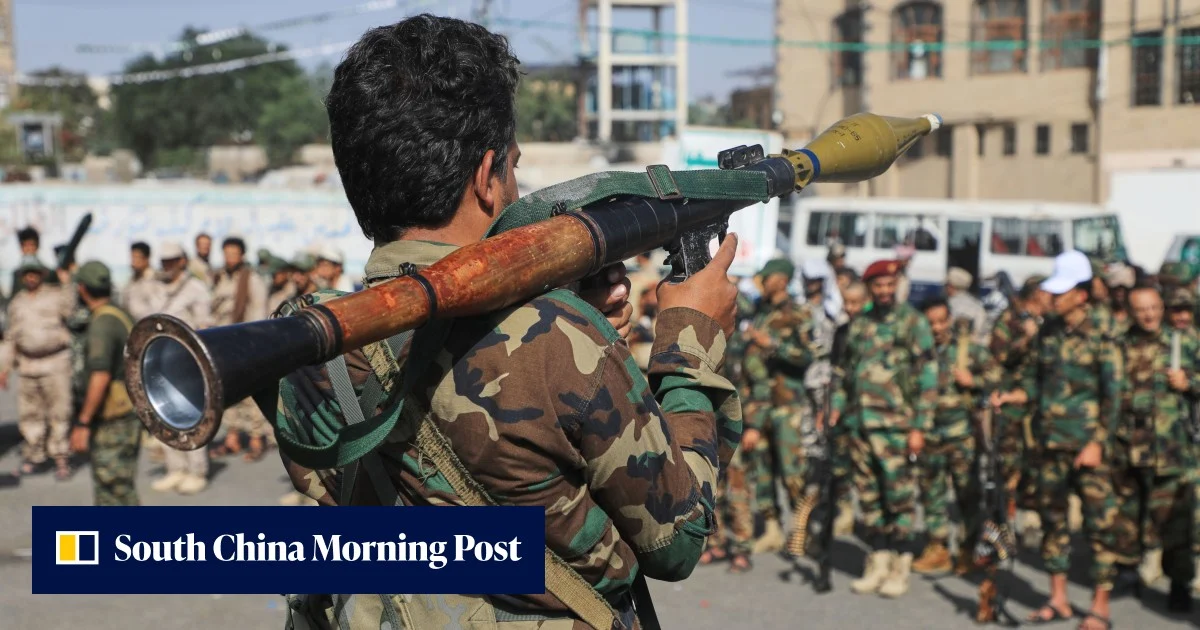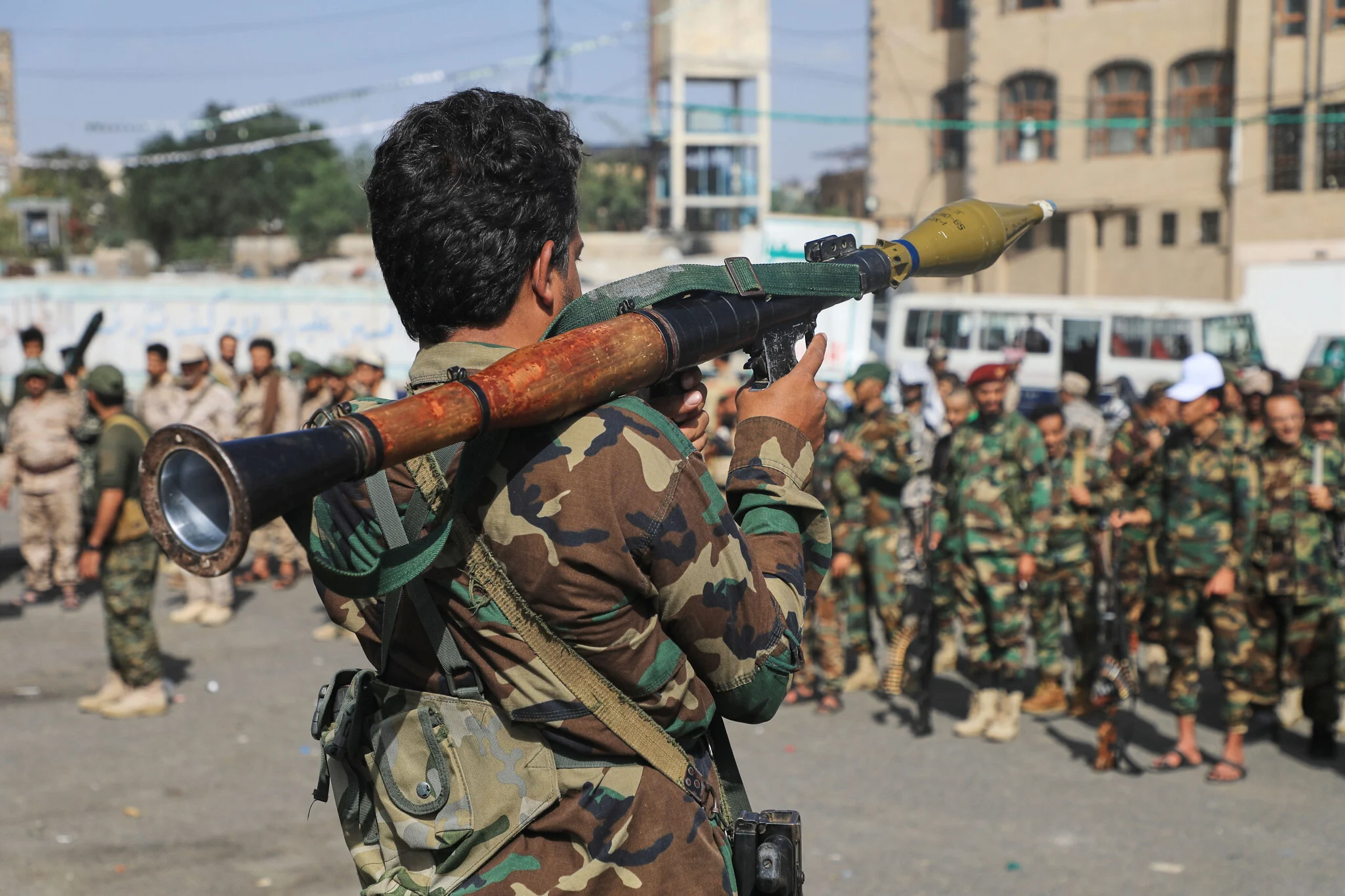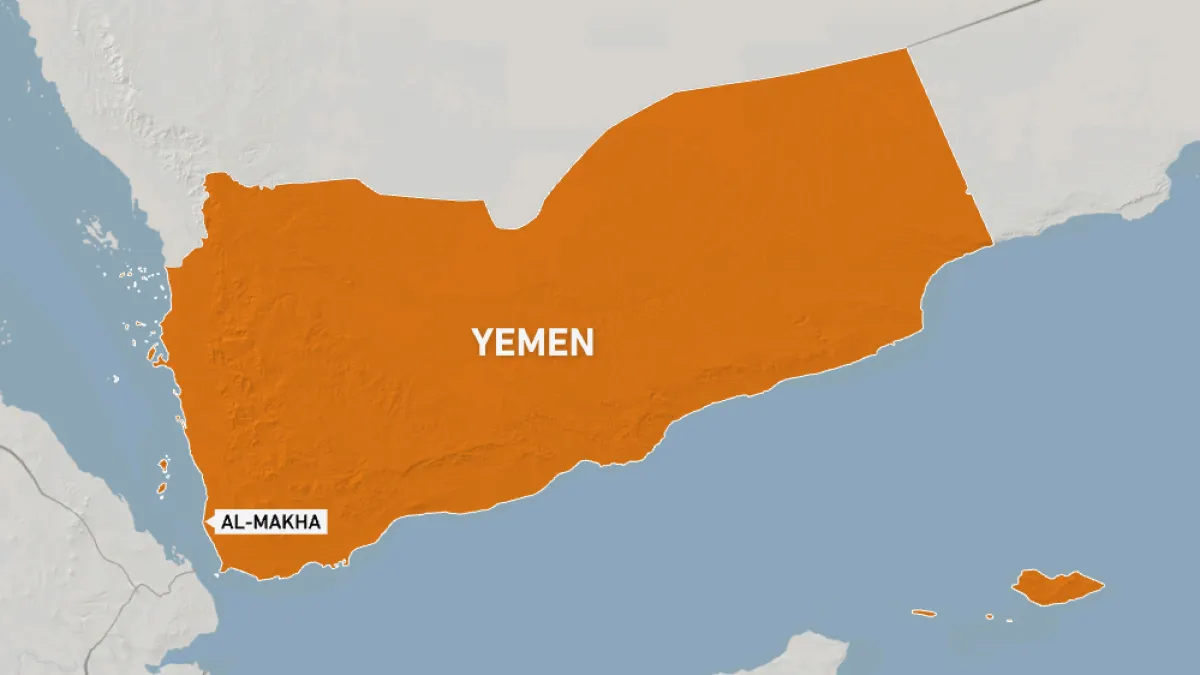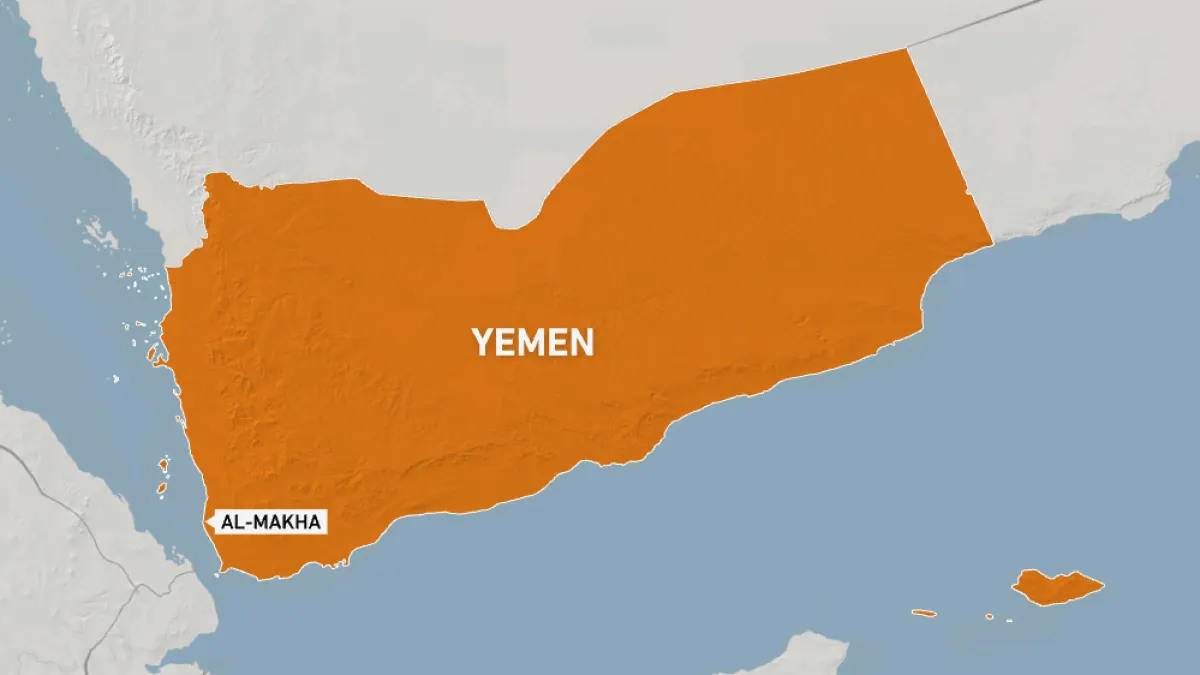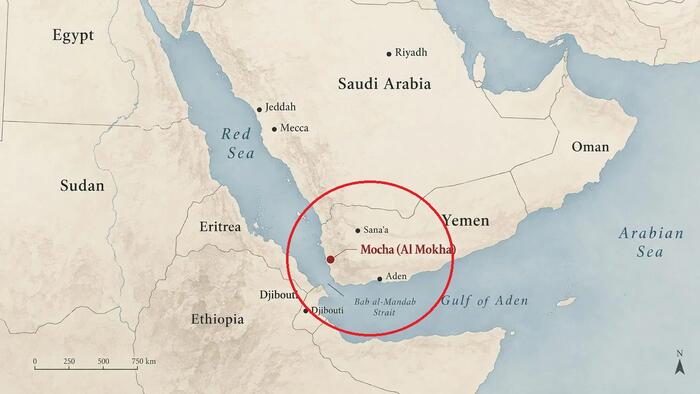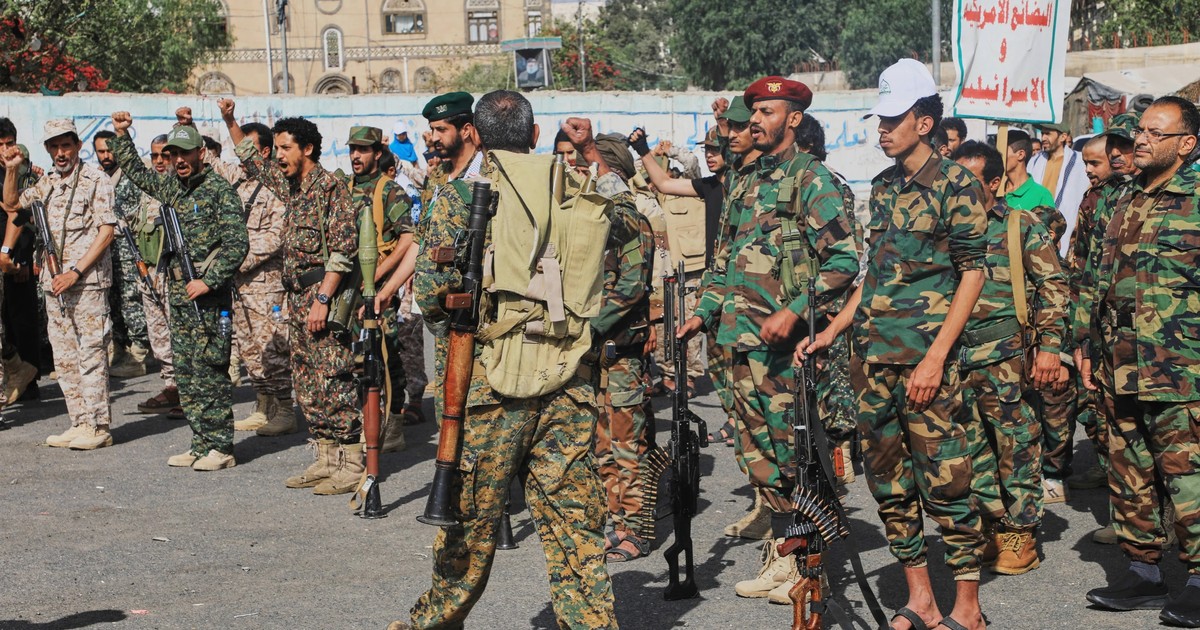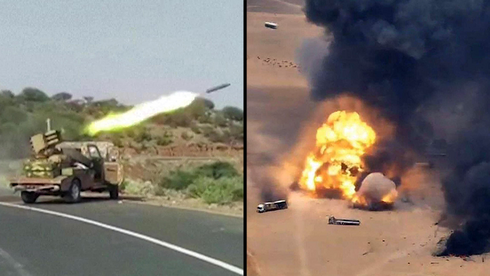
Iran-aligned Houthi fighters seized control of Mocha, Yemen’s historic Red Sea port city, on September 10, completing a ground offensive that forced pro-government forces into a southward retreat. The capture places one of the Middle East’s most strategically sensitive stretches of coastline under militant control, less than 50 miles from the Bab al-Mandab Strait, through which a significant share of global oil shipments must pass.
How Mocha fell
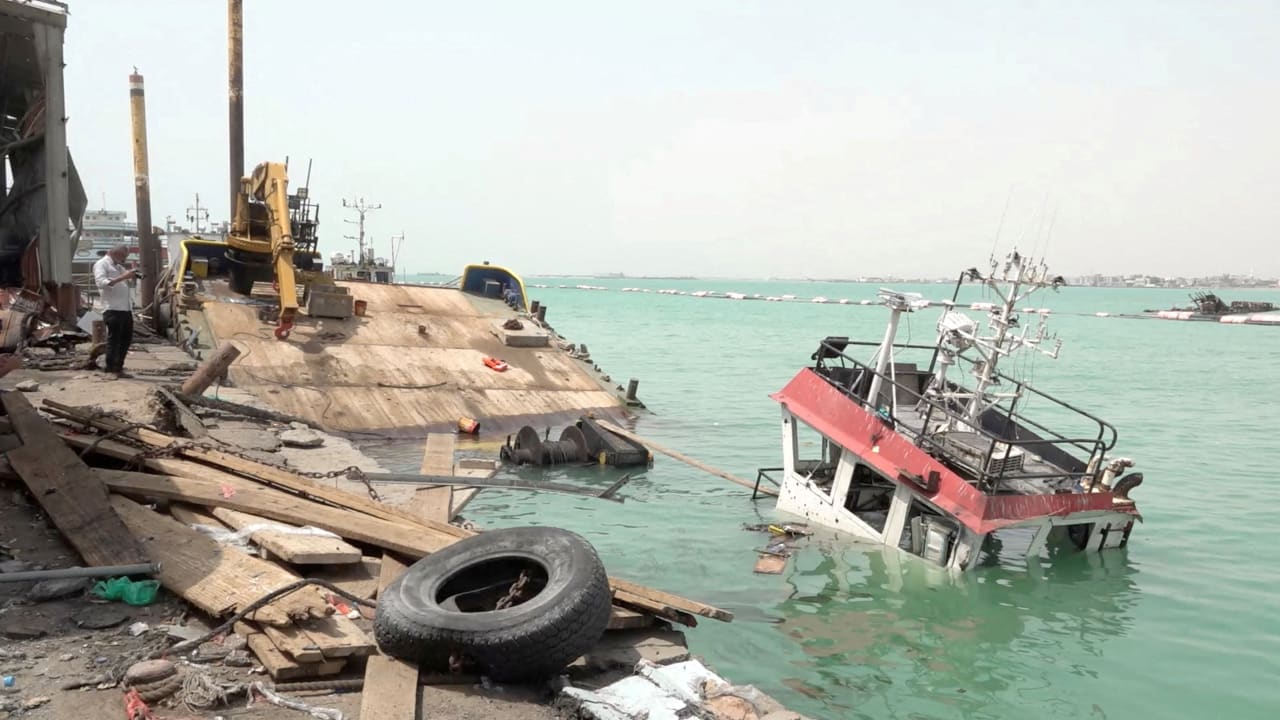
The seizure didn’t come out of nowhere. In August, the Houthis launched a preparatory bombardment involving more than 25 missiles targeting Mocha’s port infrastructure. Those strikes killed seven people and caused an estimated $16 million in damages, effectively shutting down commercial operations before the ground forces ever arrived.
The forces defending Mocha were the National Resistance Forces commanded by Lt. Gen. Tareq Saleh, a key figure in Yemen’s internationally recognized government coalition. His units were unable to hold the city against the Houthi advance and pulled back to the south. Hundreds of families have been displaced by the fighting, and reports of civilian casualties have accompanied the offensive.
The broader Yemen picture