Thursday 10 September 2026 3:18 pm
The iPhone 17 has risen by $100 to $899 in the US.
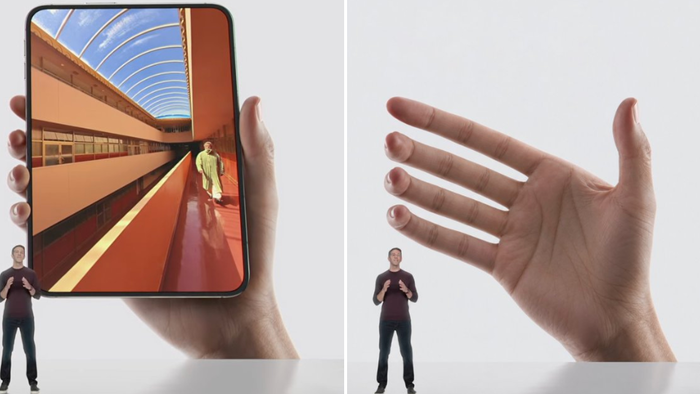
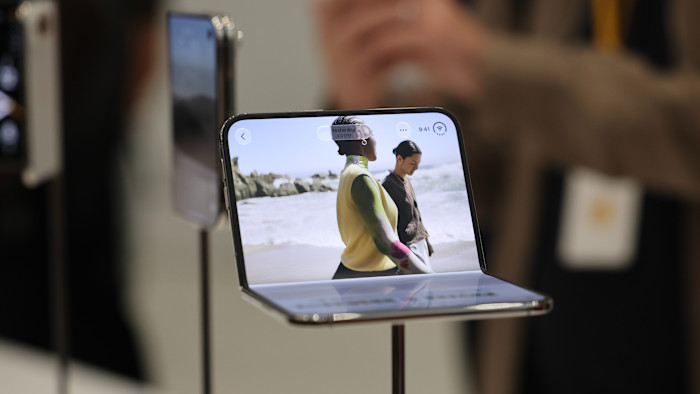
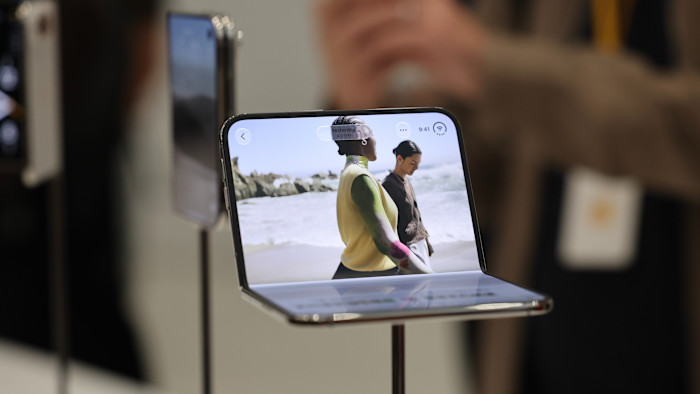
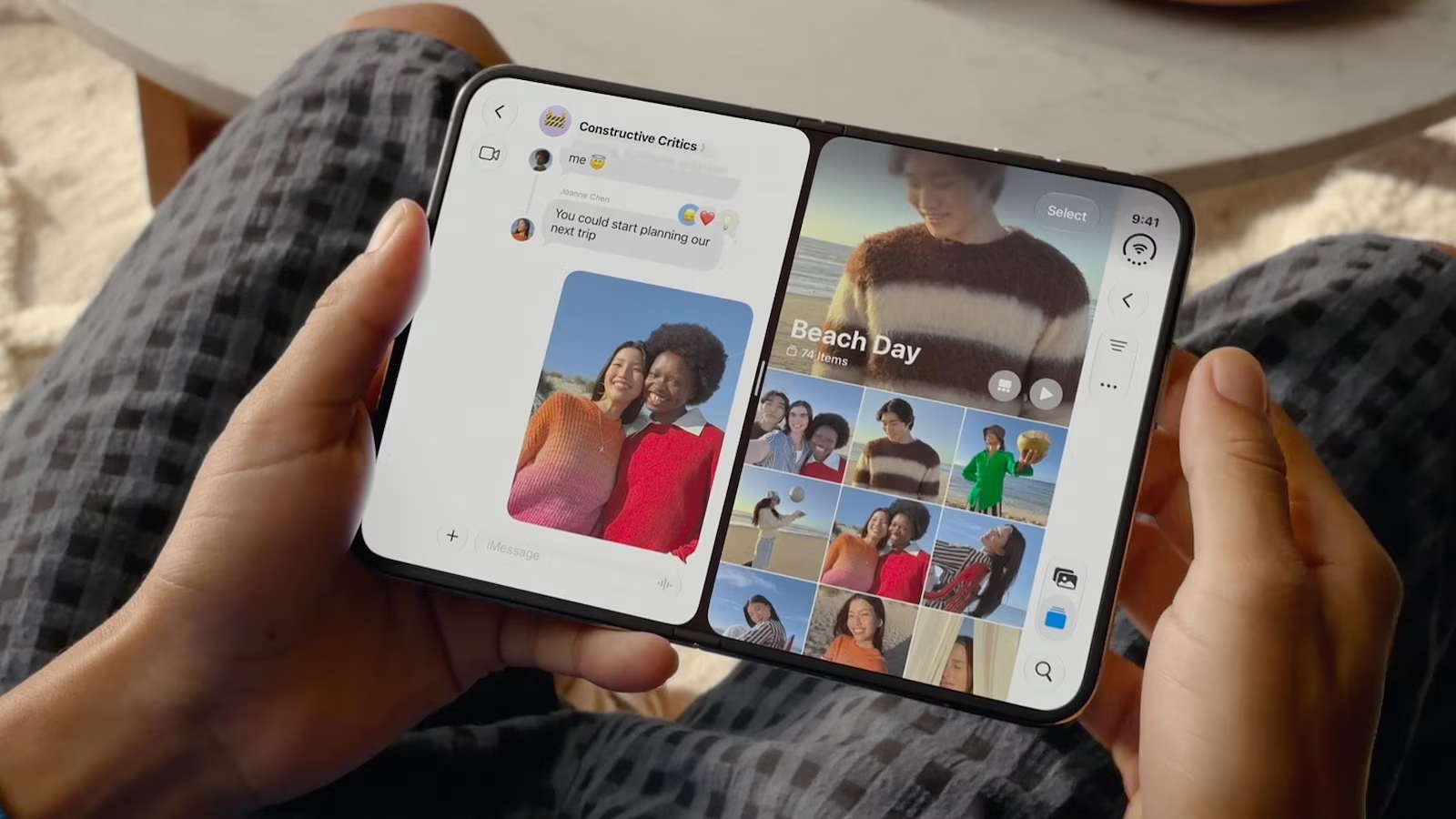
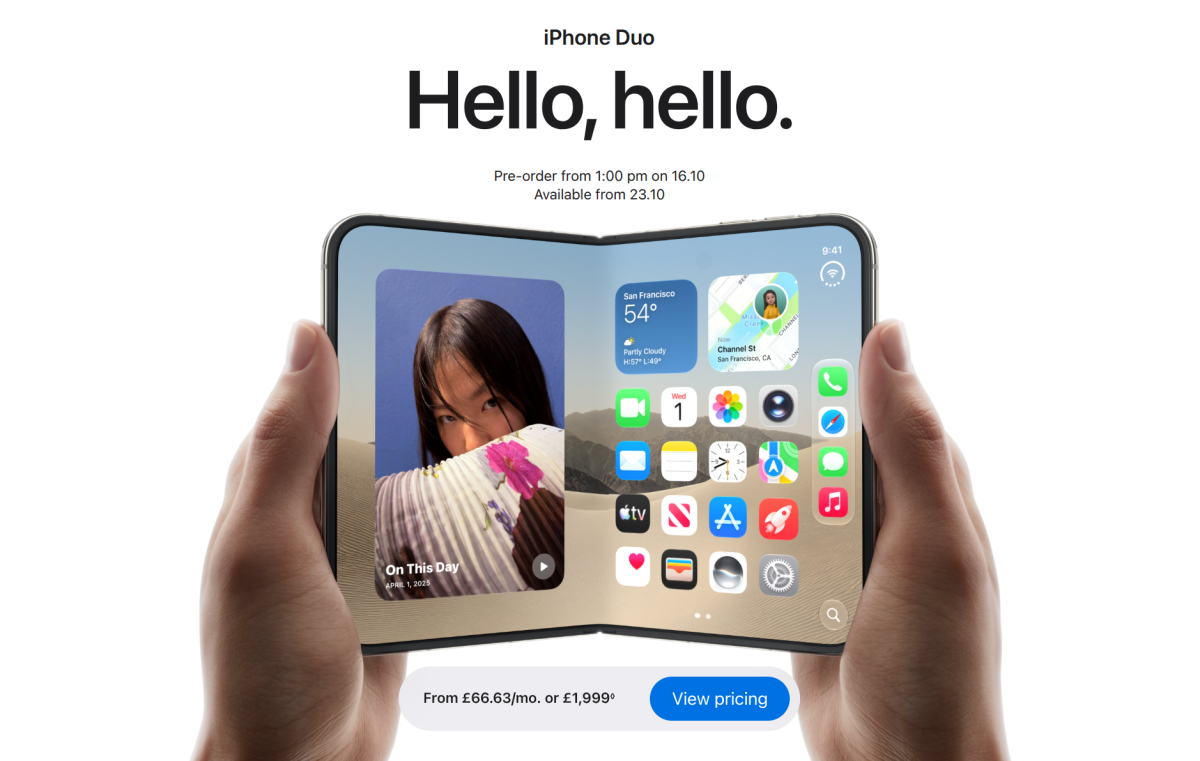
Apple shares slipped after investors gave a muted reception to new chief executive John Ternus’s launch of the tech giant’s first foldable iPhone alongside a string of price rises. The iPhone maker entered the foldable market on Wednesday with the $1,999 (£1,480) iPhone Duo, more than seven years after Samsung first brought the format to market.But Apple also raised prices across much of its existing iPhone range, an unusual break from its habit of discounting older handsets when new models arrive.The iPhone 17 has risen by $100 to $899 in the US, making it more expensive than its $799 launch price last year. The cheaper 17e has climbed from $599 to $699, while the iPhone Air is up from $999 to $1,099. Even the two-year-old iPhone 16 has returned to its original $799 launch price after previously falling to $699.Apple’s new iPhone 18 Pro and Pro Max are pricier too, starting at $1,199 and $1,299 respectively, $100 above the previous generation.Shares slipped around 0.3 per cent following the launch, having already fallen 1.2 per cent in the previous session. Apple stock is still up around 16 per cent this year, and its market value stands at roughly $4.7 trillion.The lukewarm response puts the focus firmly on whether customers will stomach Apple’s push further upmarket as higher component costs collide with an already expensive smartphone line-up.Apple reported a $29.8bn quarterly profit in its latest results, while iPhone revenue jumped 22 per cent to $54.3bn.Former chief executive Tim Cook had warned earlier this year that rising costs would eventually reach consumers, saying Apple was trying to limit the impact but that “price increases are unavoidable”.Apple finally foldsThe main act was Apple’s long-awaited move into the foldable market, in which rivals including Samsung, Huawei and Google have enjoyed a lengthy head start.The passport-sized Duo opens from a conventional 5.4-inch screen into a 7.6-inch display and runs on Apple’s new A20 Pro chip.It marks one of Apple’s biggest changes to the iPhone’s physical design since its launch nearly two decades ago, but comes with a price to match.The Duo starts at $1,999, and rises to $3,199 at the top end.Amanda Mitchell, senior telecoms analyst at Globaldata, said Apple was betting its brand and huge existing customer base could do what rivals had so far failed to achieve and pull foldables “from niche to mainstream”.Foldables accounted for just 1.6 per cent of global smartphone sales last year, despite years of launches from Apple’s Android rivals.“The upside of arriving late is having time to refine what others pioneered,” Mitchell said, although she called the Duo’s $1,999 to $3,199 price range “eyebrow-raising”.That late arrival may work in Apple’s favour. The company has repeatedly let rivals test new technologies before bringing its own version to its vast customer base.Its timing also coincides with a squeeze on the electronics industry from the AI boom. Surging demand for memory chips from data centres has pushed up component costs for consumer electronics manufacturers, pressuring margins.Mitchell said some of the Duo’s premium reflected the “industry-wide memory crunch” as AI data centres compete with consumer devices for chips.The launch is also Ternus’s first major product test since he succeeded Cook as chief executive, handing him the task of finding another source of growth for Apple’s most important business.The previous iPhone generation has given him a strong starting point. Apple’s iPhone 17 range generated more than $170bn in wholesale revenue during its first year, according to Counterpoint Research, up 11 per cent on its predecessor.