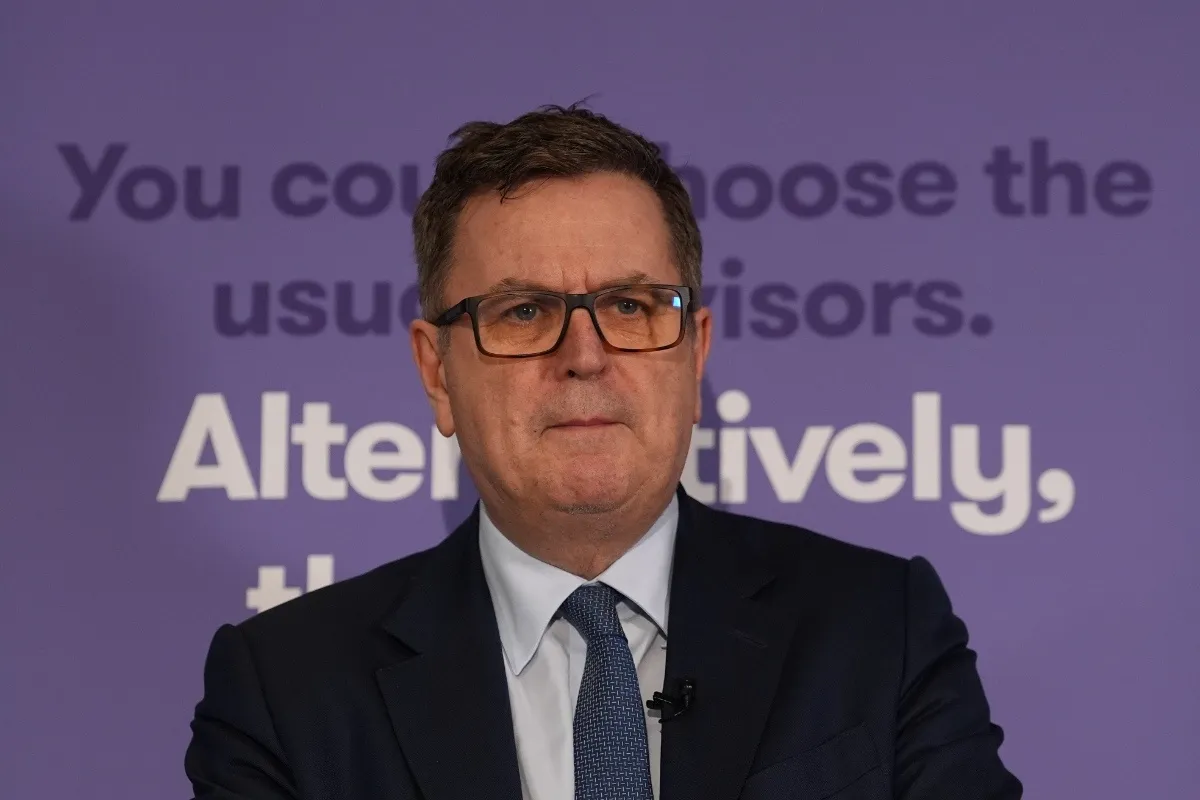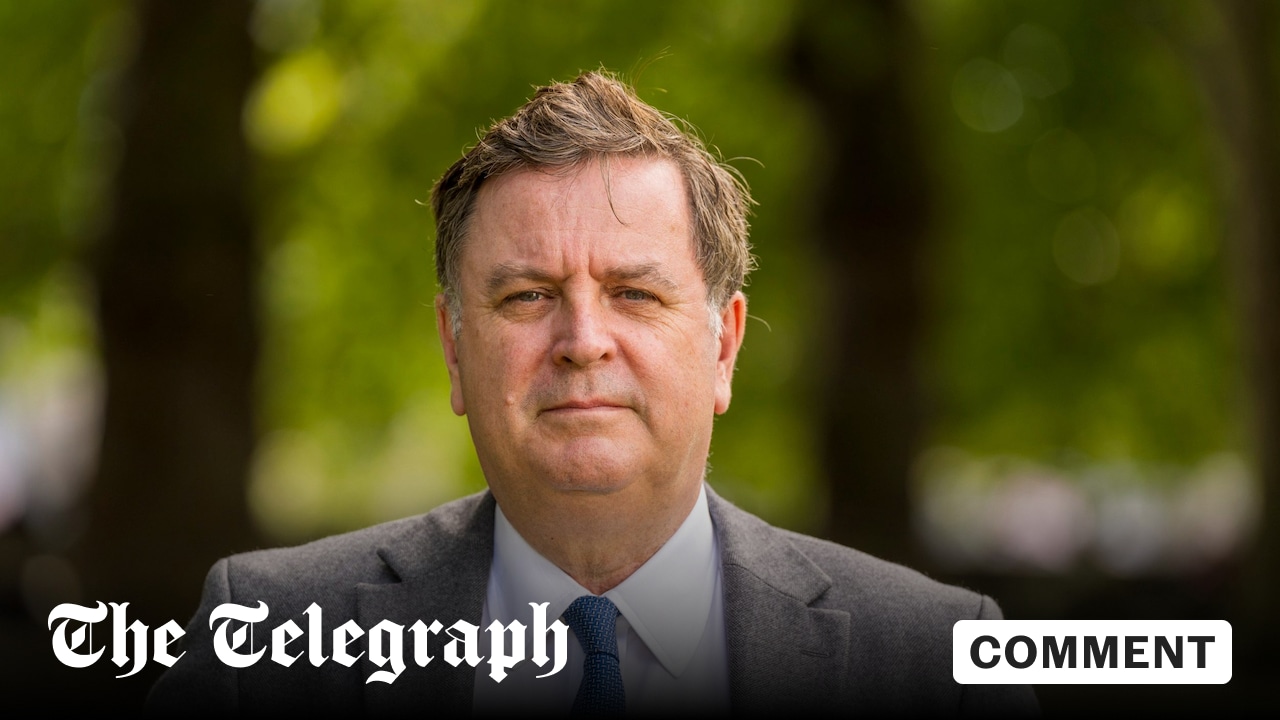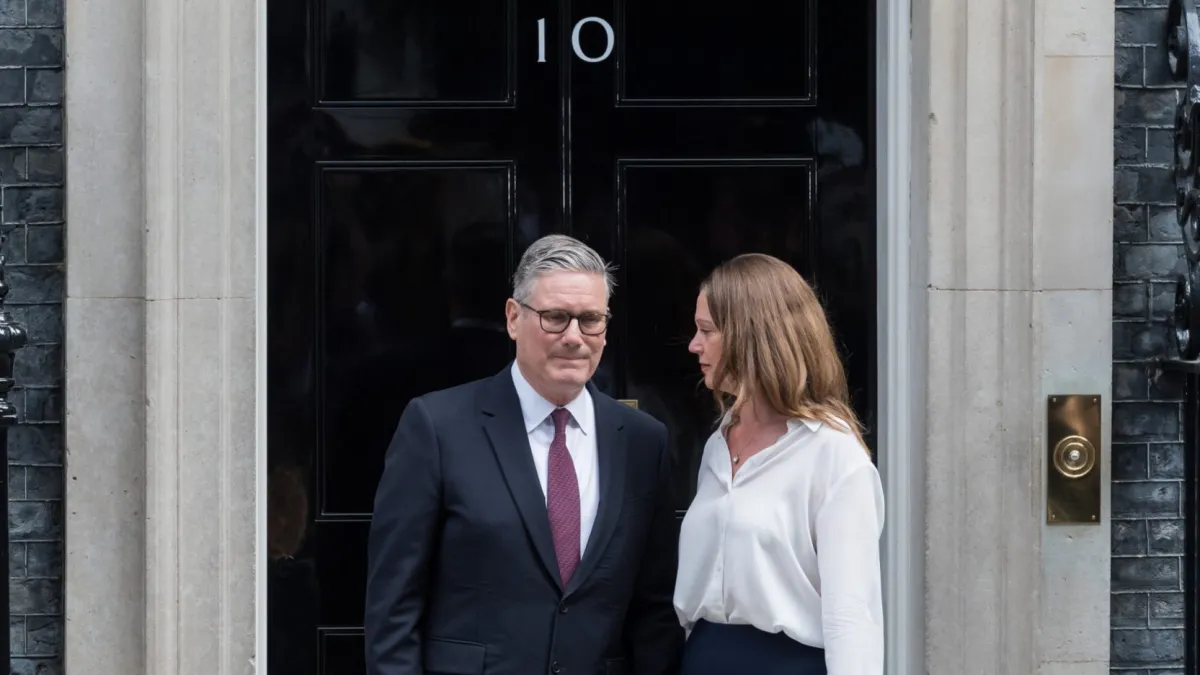
When Mel Stride put out a YouTube Short last month, it got zero views. That, surely, is worth repeating: zero views. Stride’s unloved ‘short’ was a poorly cropped clip of a GB News interview, similar to dozens of other clips he had posted on his YouTube channel before being sacked as shadow chancellor. Most of them have fewer than ten views.
Stride was born in 1961, so he can perhaps be forgiven for not being au fait with the latest meta on social media. But most of our MPs have similarly amateurish operations, despite recognising the importance of social media in modern communications.
Have a look on X and you will see hundreds of clips of MPs from all parties recording themselves wandering around parliament, their thoughts about the latest policy proposal occasionally subtitled with misspelt captions. Producing this content is often palmed off on a parliamentary assistant with no background in video editing. What Stride should have done is outsource his social media work to professional ‘clippers’.
Professional clipping is a relatively recent phenomenon, which began in the late 2010s but has developed serious momentum over the past few years. This is how it works: people take short clips of long-form content from streamers, podcasters and, increasingly, politicians, then edit them for maximum virality (think colour changes and captions) before reposting them online. Professional clippers are paid to do this.