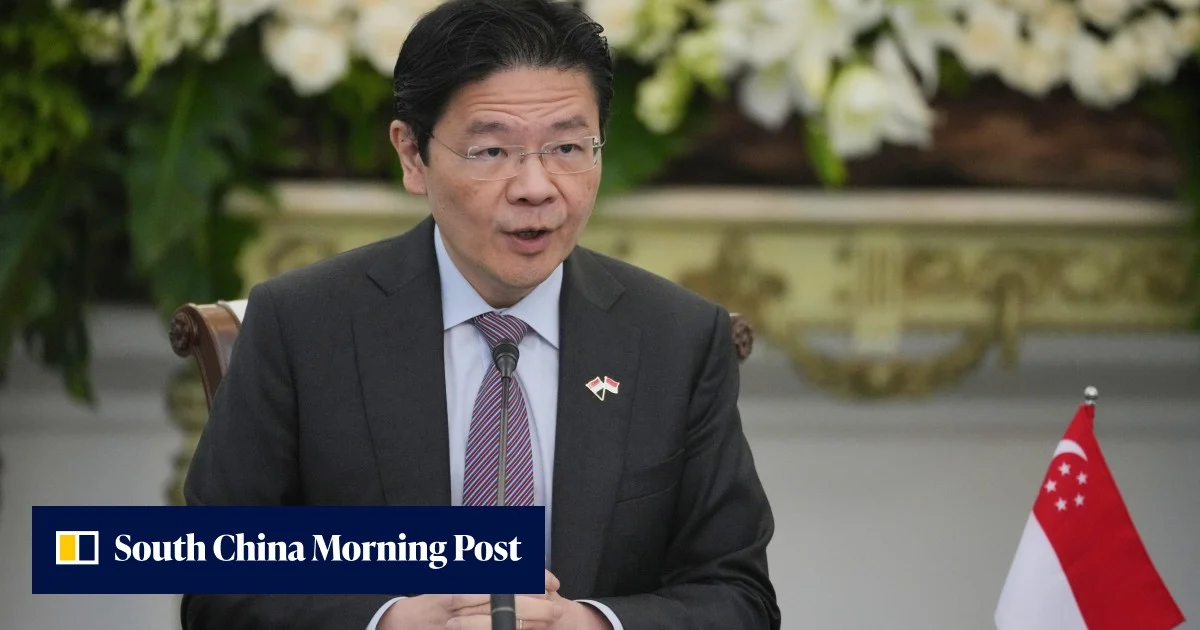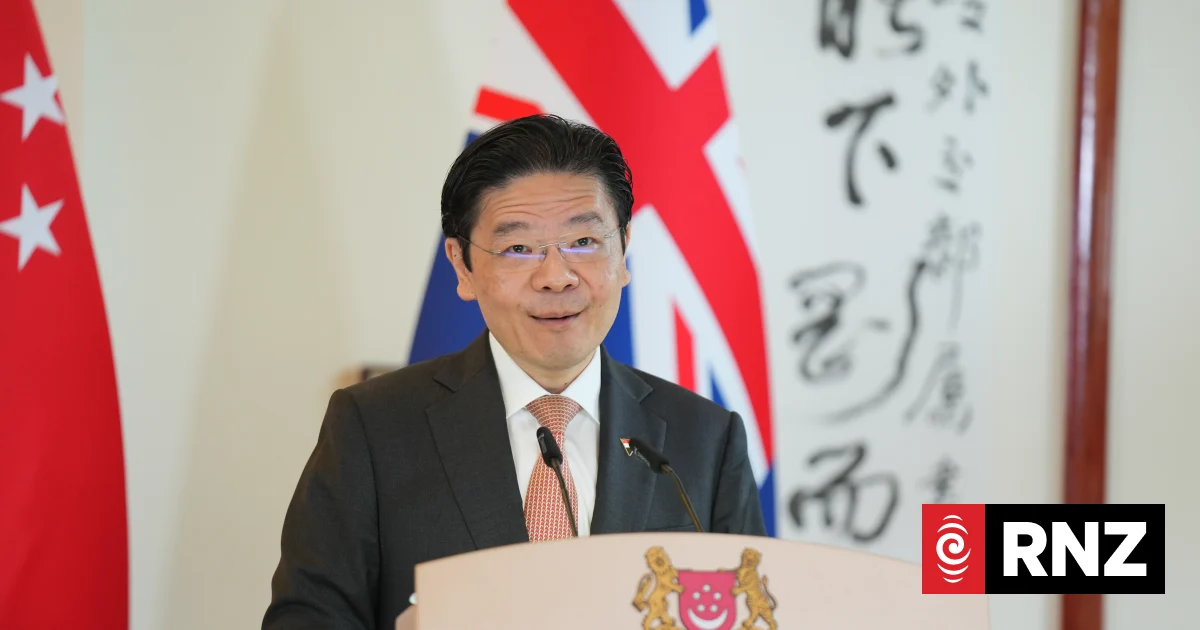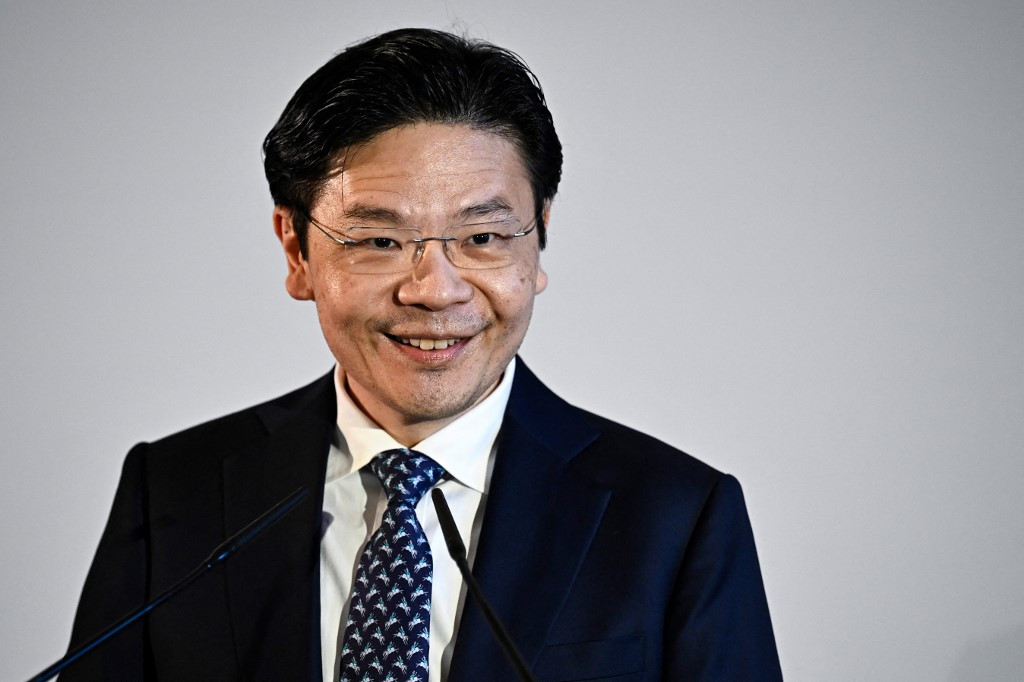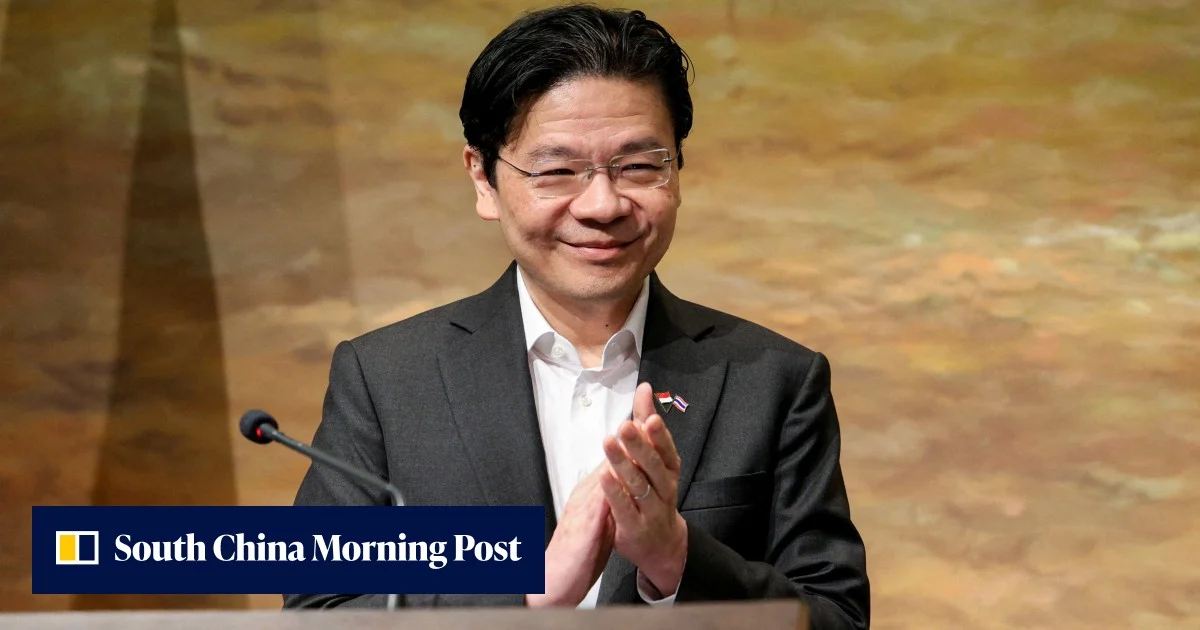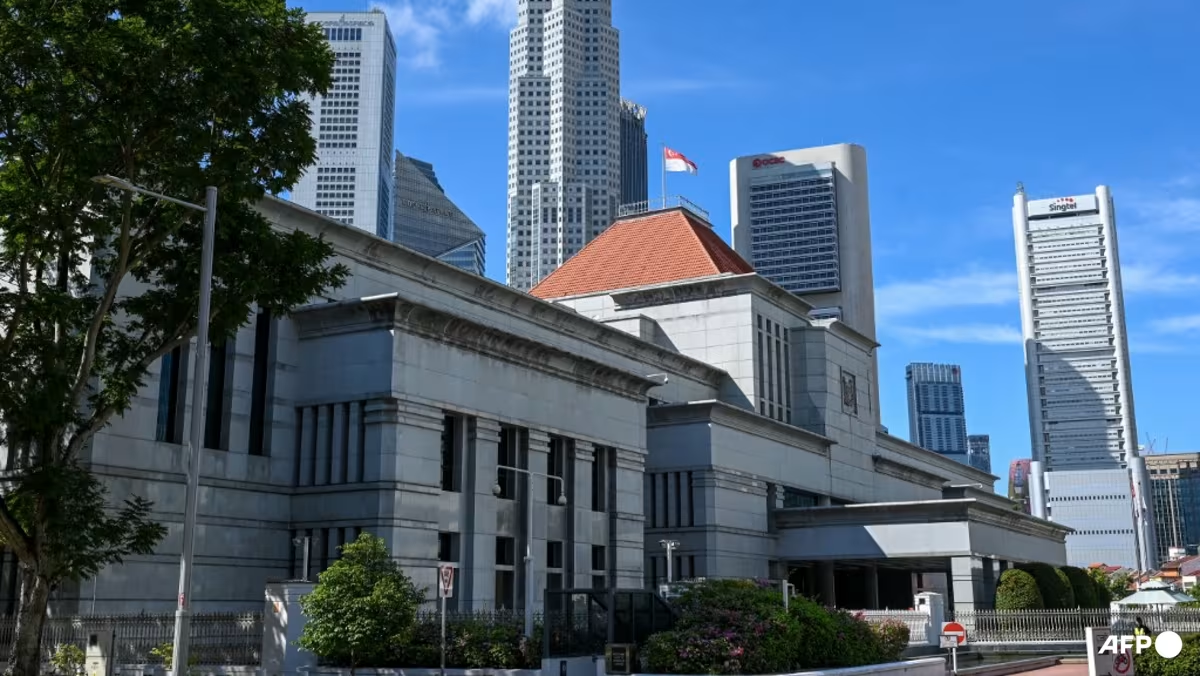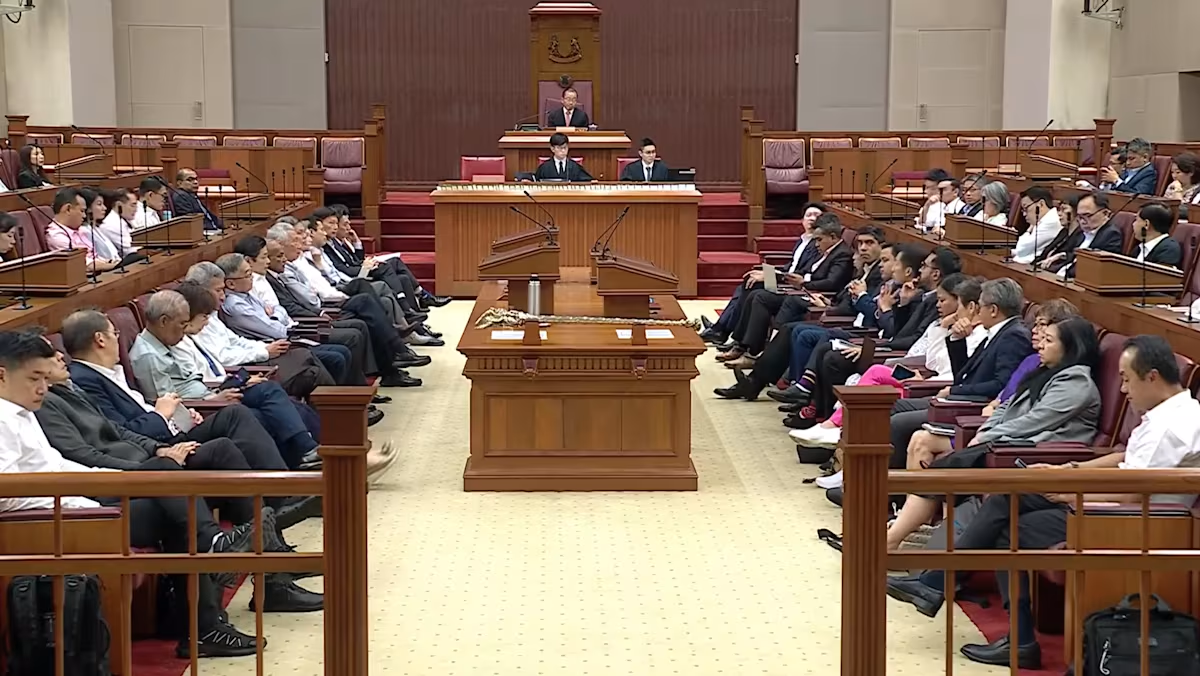
SINGAPORE: Nominated Members of Parliament (NMPs) called for changes to the political salary framework's structure during a parliamentary debate on Thursday (Sep 10), as People's Action Party (PAP) MPs relayed residents' questions and concerns about the planned increase.The debate, which lasted over four hours, saw four PAP MPs speak alongside Workers' Party chief Pritam Singh, five NMPs and Minister for Trade and Industry (Energy and Industry) Tan See Leng. Among the NMPs' proposals were lowering a minister's fixed salary component and adding longer-term goals to ministerial bonuses.Prime Minister Lawrence Wong announced on Tuesday that political office holders will get a salary increase of up to 9 per cent, the first revision since 2011. The variable component of a minister's pay will make up more than a third of total annual remuneration.
NMP Azhar Othman suggested raising the variable component to 55 per cent of a minister's annual pay, with a fixed component of 45 per cent. He said the 55 per cent should be "explicitly, transparently, and heavily" weighted toward national performance metrics that directly affect real median income growth, unemployment rates and housing affordability.“Under such a model, if the nation thrives, our leaders thrive with it, justly so. But if the nation faces headwinds, our leaders share in the national sacrifice,” he said. NMP Kenneth Goh proposed adding longer-term goals to a minister's key performance indicators. He said the current indicators determining the national bonus – the unemployment rate of citizens, real income growth for citizens in the 50th and 20th percentile and real GDP growth rate – "largely tell us how Singapore is performing now".“I ask whether the government would consider assessing our progress on indicators that reflect Singapore's capacity to thrive over the medium and long term,” said Assoc Prof Goh. “Some of our most difficult challenges unfold over much longer horizons: demographic sustainability, social mobility, climate adaptation, social cohesion.”He suggested developing a "long-term national stewardship scorecard" alongside the national bonus framework, assessing three- to five-year progress towards long-horizon outcomes and milestones.“The broader question is whether our framework should assess not only how well Singapore performs today, but whether today's leaders leave Singapore stronger for tomorrow.”