SINGAPORE: The People’s Action Party (PAP) government does not believe in using higher pay to draw people into politics, but having competitive political salaries means that potential candidates don't have to "upend” financial responsibilities that they have taken up for their families, said Prime Minister Lawrence Wong on Thursday (Sep 10).In his closing speech during the parliamentary debate on changes to Singapore’s political salary framework, Mr Wong added that “no one should enter politics for the money”.While some have the "mistaken premise” that the purpose of the salary framework is to “entice people into politics with money", this is not the case, he added. Instead, PAP candidates step forward because they want to serve Singapore and Singaporeans, and this is a key prerequisite for identifying candidates to be fielded in any election.“To be very clear, the PAP, the PAP government – we do not believe in using higher pay as an incentive to draw people into politics,” said Mr Wong.The prime minister also clarified that the donation of the full increase in his salary for the next five years will include any tax benefit arising from the donations, so he would not benefit financially from this salary change.Mr Wong added that he would consider disclosing more details on ministerial salaries and that office holders would not automatically move to new salary benchmarks. “Competitive salaries do not create the motivation to serve. But they can make it possible for someone who already has that motivation in the first place to step forward. In other words, motivation to serve, responding to the call, must come first,” he said.“We have to persuade good people that Singapore needs them. That the work matters. That they can make a difference. Then, if someone is prepared to step forward, remuneration becomes a practical consideration.”Mr Wong pointed out that individuals whom the government hopes to bring into political leadership would have built their lives around successful careers, and have mortgages to service, children to provide for, parents to support, and other commitments based on the incomes that they have been earning. “Entering politics would already involve considerable disruption and sacrifice. We should not require them to completely upend the financial responsibilities that they have legitimately taken up for their families,” he said.“So the purpose of the salary framework is to ensure that, on top of all the other sacrifices involved, we do not make the financial costs unnecessarily high for them.”He added that it is a myth that civil servants joining politics enjoy a pay increase."That does not happen. There is no increase when civil servants join politics. Sometimes, it is even a pay cut, and when you look at the earnings over subsequent years for civil servants – if they had stayed on and done well, they would very likely have earned more in the civil service," Mr Wong said.He also rejected the Workers' Party's (WP) call to abolish the office of mayor.NEVER A “POLITICALLY CONVENIENT” TIMEOn Tuesday, Mr Wong announced that Singapore’s political office holders will receive a salary increase of up to 9 per cent, taking the sum to about S$1.2 million (US$0.95 million) annually for a minister in the lowest MR4 grade.The changes will kick in from Oct 15 this year, after the government accepted the recommendations by an independent review committee that was appointed in December last year.It is the first time since 2011 that ministerial salaries have been changed.Responding to concerns that it might not be the best time to make the salary adjustments, Mr Wong said there is never going to be a “politically convenient time” to do so.He pointed out that the review committee was convened in December last year and the expectation was for its work to be done around March or April this year. “Of course, the conflict in Iran erupted earlier in February. So we decided then that our immediate priority had to be managing the immediate consequences for Singapore arising from that conflict. And since then, we have rolled out two support packages to help businesses, households, and families,” he said.“The conflict in the Middle East has not ended. It may not end any time soon. But our domestic economic situation has stabilised. And that's why I decided we should now deal with this issue rather than defer it yet again.”Following up on his speech on Tuesday, Mr Wong said that he understands there is “greater interest” in the distribution of political office holders’ salaries and performance bonuses.“So beyond what we have already shared, I will consider whether more information can be disclosed,” he said.“But we should also be careful not to turn ministerial assessment into a public popularity contest – and then start comparing and ranking individuals year by year. “That is not going to be productive, and that's not how I want the Cabinet to operate.”PROUD OF MAYORSMr Wong reiterated that the government is accepting the proposed framework but moving towards it gradually.“To sum up, our response to the committee's recommendations is a measured one. “The new benchmark sets a framework for the longer term. But we are not moving ministers straight to the new figure. We are making a one-off adjustment now, and then allowing salaries to move gradually, in line with individual performance and responsibilities,” he said.“And I believe this strikes the right balance. We keep the framework relevant for the future, without overcorrecting for the present. We address a gap that has been built up over many years, but we do so progressively and with restraint. “This is fair. This is responsible – both to the office holders serving today, and to Singapore's need to continue recruiting capable people to serve in the years ahead.” In his speech, WP chief Mr Singh raised the issue of mayors, saying that it remains unclear what their job scope is and why their pay needs to be linked to the political salary framework.Responding, Mr Wong said that mayors and the Community Development Councils (CDCs) bring value to Singapore by mobilising a wider network of volunteers, responding to local needs and contributing to various initiatives such as the CDC vouchers and Jobs Nearby scheme.“I would not want to give up any of these contributions. I am proud of all our mayors and what they do for Singapore. I want our mayors to keep strengthening our communities and build a more cohesive and caring Singapore,” Mr Wong said.In his speech, the prime minister recalled his own experience when he joined politics in 2011 and resigned from the civil service. “No one told me: ‘if you win, this is the position you will get, this is the remuneration package.’ No one, it was a complete leap of faith,” he said. “Only when I resigned did I fully appreciate one consequence: I was just short of 15 years in the civil service. You need 15 years to keep your pension, I was just short – I lost my pension.”Mr Wong said he did not regret the decision to move into politics.“I valued my years in the civil service greatly. And I continue to have the highest regard for those who serve Singapore in that way,” he added.“But political service is a different kind of responsibility. You are not just helping to carry out decisions or implement decisions, you have to make the difficult choices, set the strategic direction, bring people along, and ultimately take responsibility for the outcomes.“That is why I chose this path. The same is true of my colleagues. We stepped forward – to do what we can for Singapore and to serve our fellow citizens.”
PAP government does not believe in using higher pay to entice candidates into politics: PM Wong
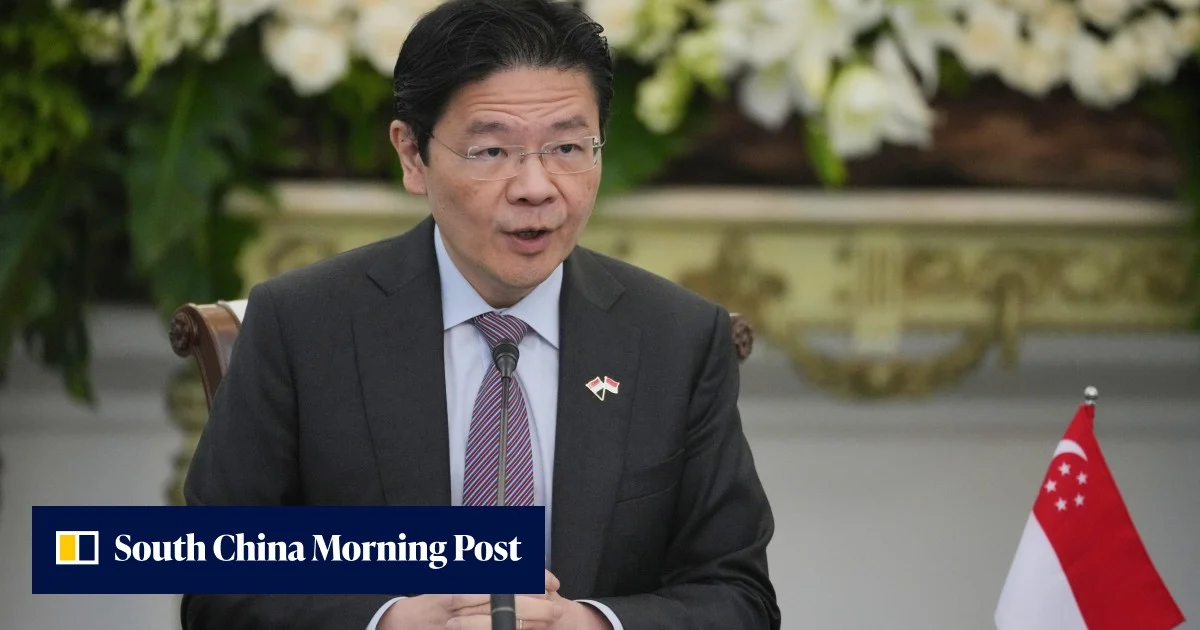
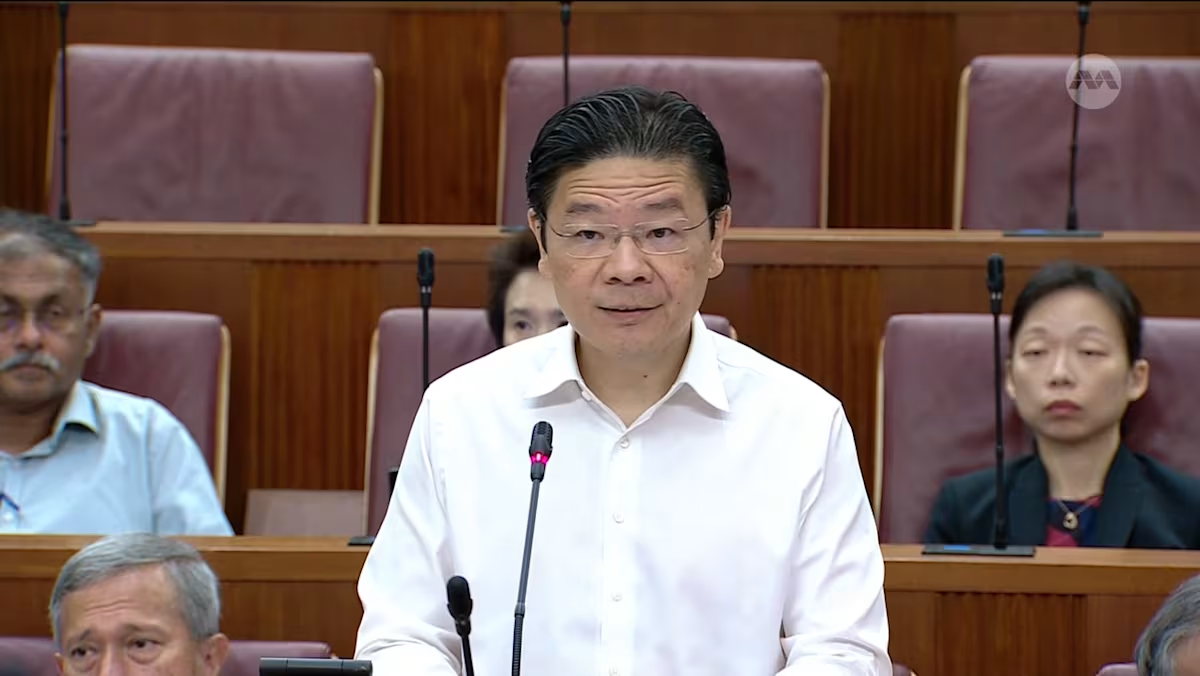
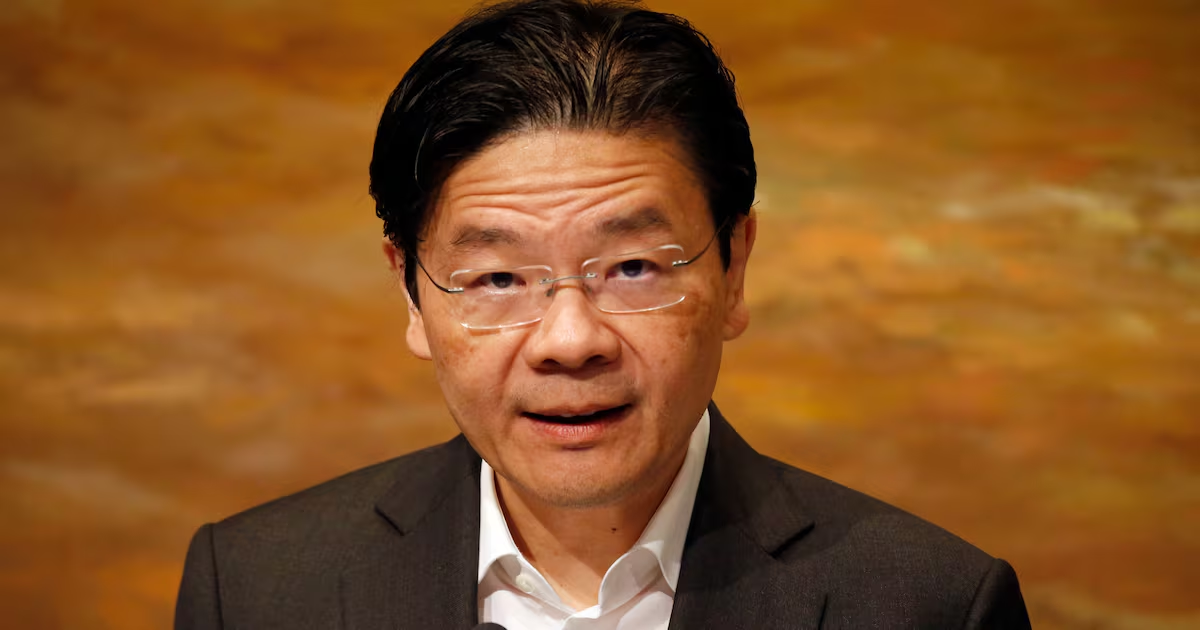
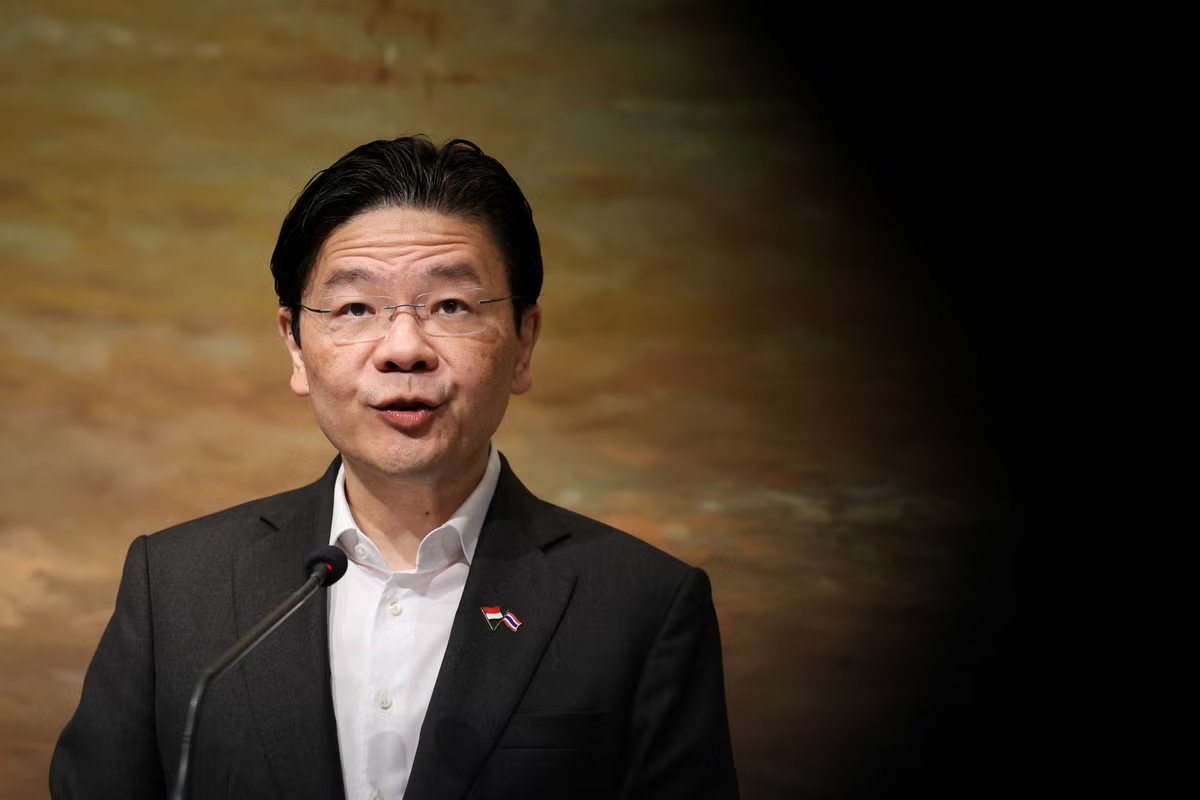
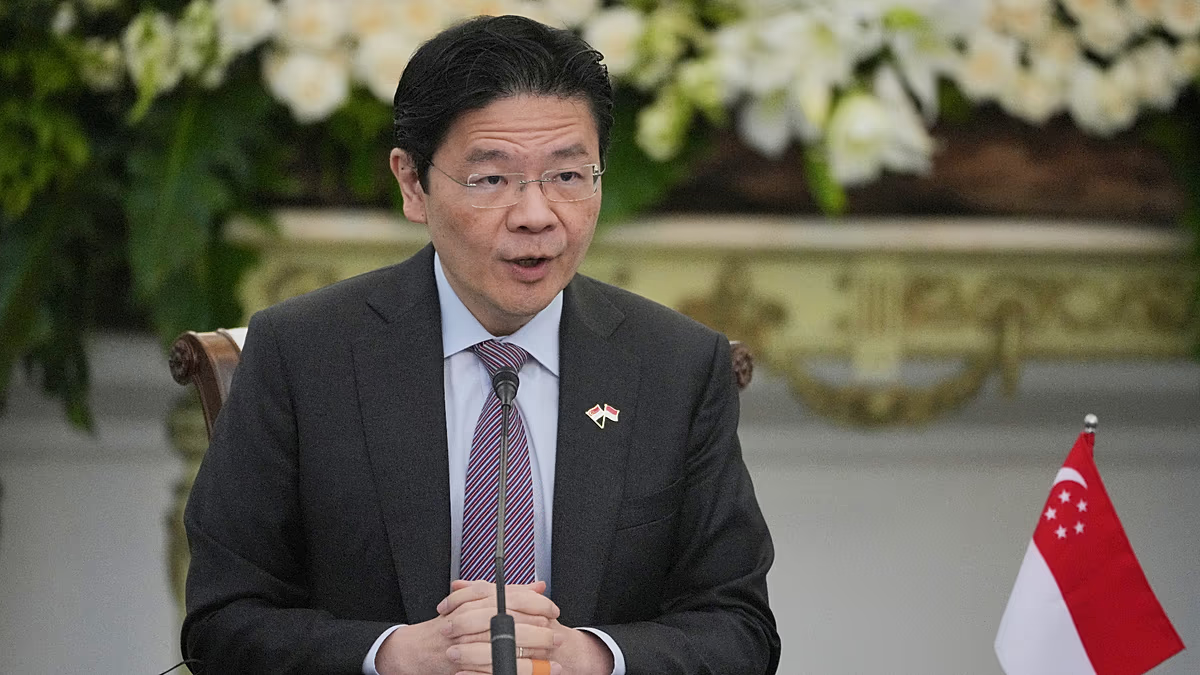
“No one should enter politics for the money,” says Prime Minister Lawrence Wong in the parliamentary debate about political salaries.
1,261 words~6 min read