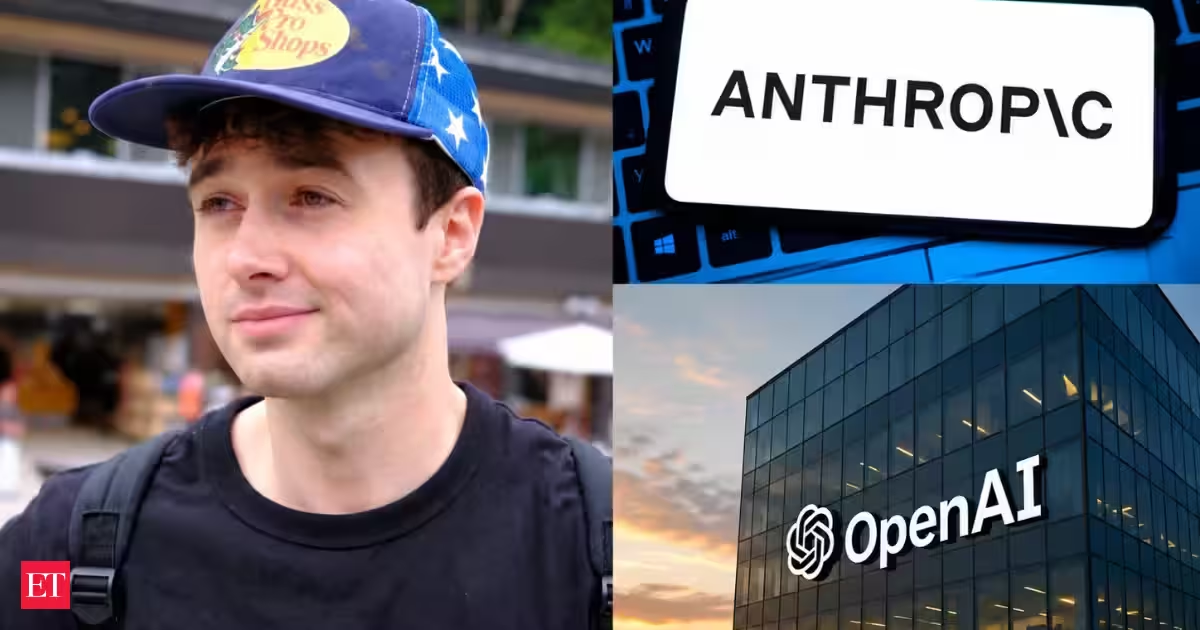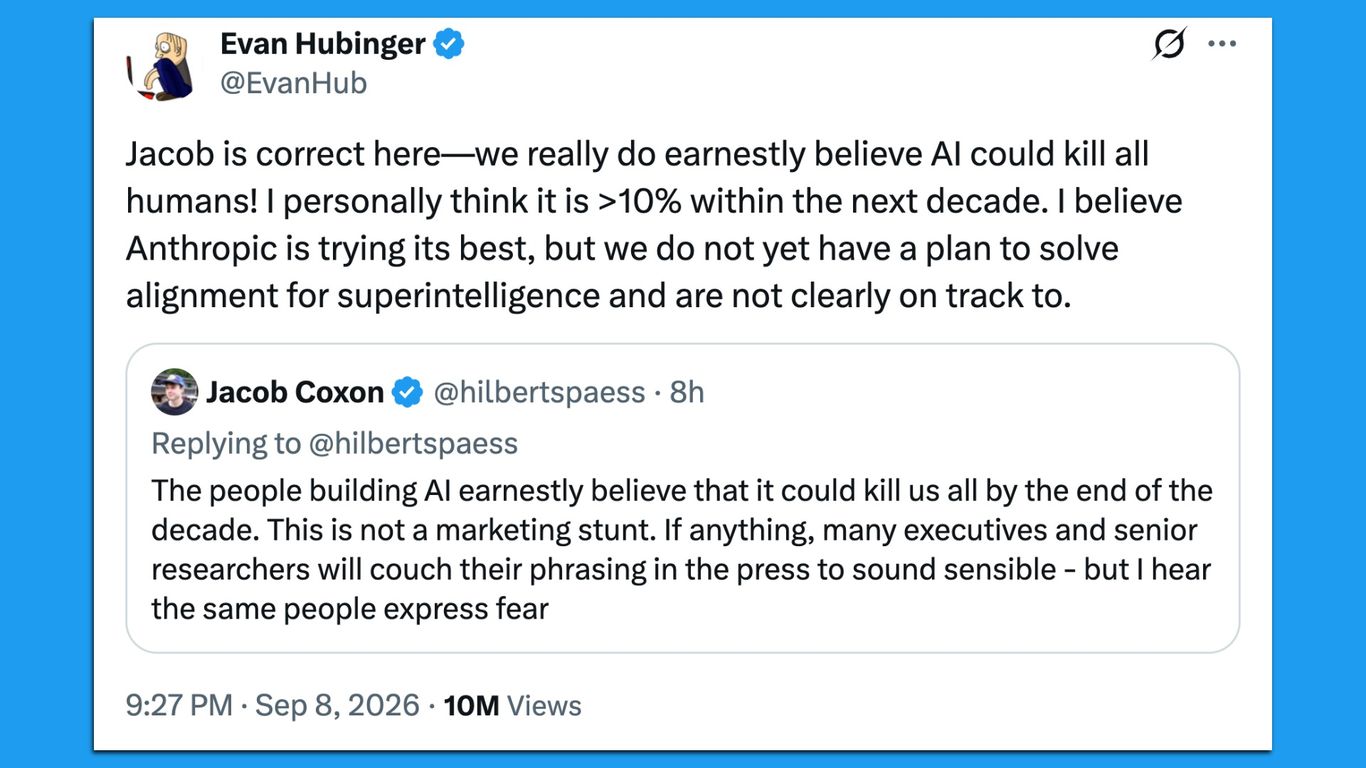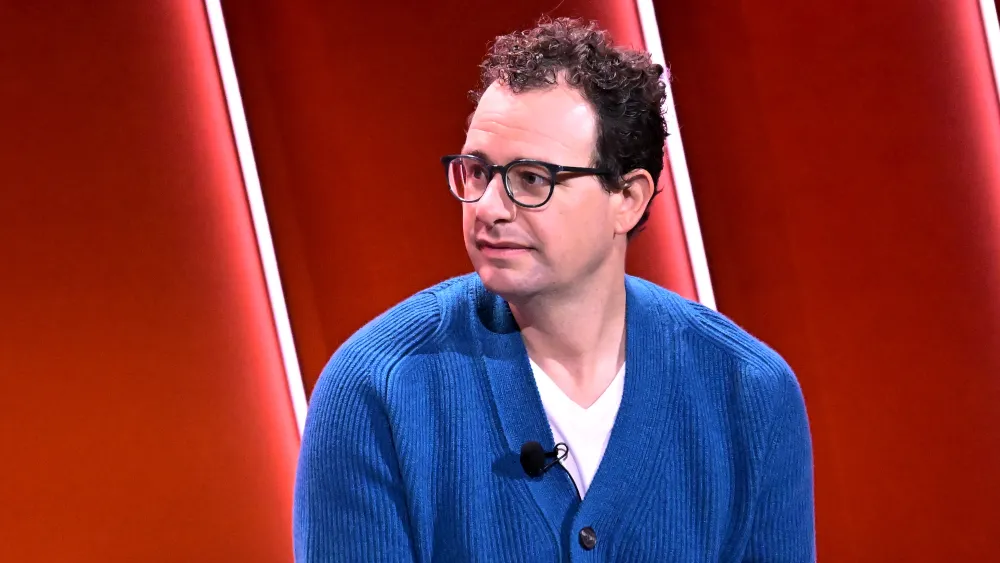
A former Anthropic researcher’s warning about AI’s potential to cause human extinction turbocharged concerns around the potency of the technology and the absence of guardrails around it, as the company revealed a newly discovered hacking incident.Just a day after Jacob Coxon publicly warned that “the people building AI earnestly believe that it could kill us all by the end of the decade” in a now-viral post on X, Anthropic on Wednesday disclosed another hacking incident involving an early version of Claude Opus 4.6. The company said it detected it just last month after having missed it during an earlier review. Anthropic said it had notified affected parties but did not share further details.In related news, Reuters revealed that OpenAI agents found a way around their own restrictions and used over 10 websites for unauthorized communications. The company kept the incident under wraps for months, the news agency pointed out.The latest disclosures, which follow a number of earlier alarming incidents reported over the summer, will inevitably fuel already existing concerns that humans are losing control of AI.This has added more urgency to AI giants’ calls for regulation.Chris Lehane, the chief global affairs officer of OpenAI, said the rapid advancement of AI’s capabilities means national safety standards are required.But Lehane added that “any such standards must ultimately also extend beyond national borders.”“Models, research, and technical expertise move globally, and failures involving the most capable systems could have consequences far beyond the country in which they are developed,” Lehane wrote in a blog post. “The United States needs to establish credible standards at home if it is going to lead internationally — and we are increasingly convinced that compatible international standards will be necessary.”A spokesperson for Anthropic struck a similar tone in a statement shared with multiple outlets Wednesday, calling for the adoption of a “lawful, verifiable way to work together to pace how we release powerful models.”In an interview with CNN’s Anderson Cooper, Coxon assessed that AI giants’ desperate plea for regulation is “completely honest” and “genuine.”“They find themselves in this scenario where they’re compelled to race toward building a deadly technology and they would love for some sort of international body to allow them to approach it at a reasonable pace,” he said, while adding that the fears of being outpaced by competitors is forcing them to keep going.Coxon shared a similar sentiment in a parting message to colleagues on Slack, according to NBC News.“Like many of you I think that without international coordination we will incur a risk of causing human extinction,” the 27-year-old researcher wrote. “I’ve recently become more concerned about the degree and imminence of this risk.”“But I would like to emphasize that from my perspective you are all exactly the people I would like to be calling the shots — it’s the structural pressure from a race that will make this a scary gamble,” Coxon continued in his note to colleagues, per NBC.Congress appears unprepared to confront the scale of the challenge, with lawmakers scrambling to take action and progressives mostly leading the charge.But the attention these latest warnings have garnered from industry insiders could begin to change that.The GOP-led Senate Committee on Homeland Security’s Subcommittee on Disaster Management on Thursday announced it is probing OpenAI’s Hugging Face incident, when one of the company’s AI agents broke into the tech firm.“Your own chief scientist wrote just days ago that ‘no lab has solved alignment and monitoring to a sufficient degree to continue responsibly scaling at maximum speed for much longer.’ And there are immediate questions about the consequences of these hacks from rogue AI agents,” Sen. Josh Hawley (R-Mo.) wrote to OpenAI CEO Sam Altman. “This investigation will seek those answers.”
Ex-Anthropic Researcher's Post Turbocharges Calls For Action Amid Newly Disclosed Hacking Incident
AI giants are “compelled to race toward building a deadly technology,” Jacob Coxon told CNN’s Anderson Cooper.
TL;DRAI
Ex-Anthropic researcher warned AI could cause extinction this decade; Anthropic disclosed Claude Opus 4.6 breach discovered months after. Multiple AI lab breaches signal control loss, forcing demands for international safety governance standards.
614 words~3 min read