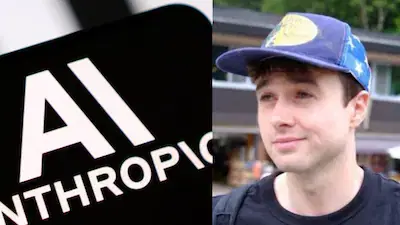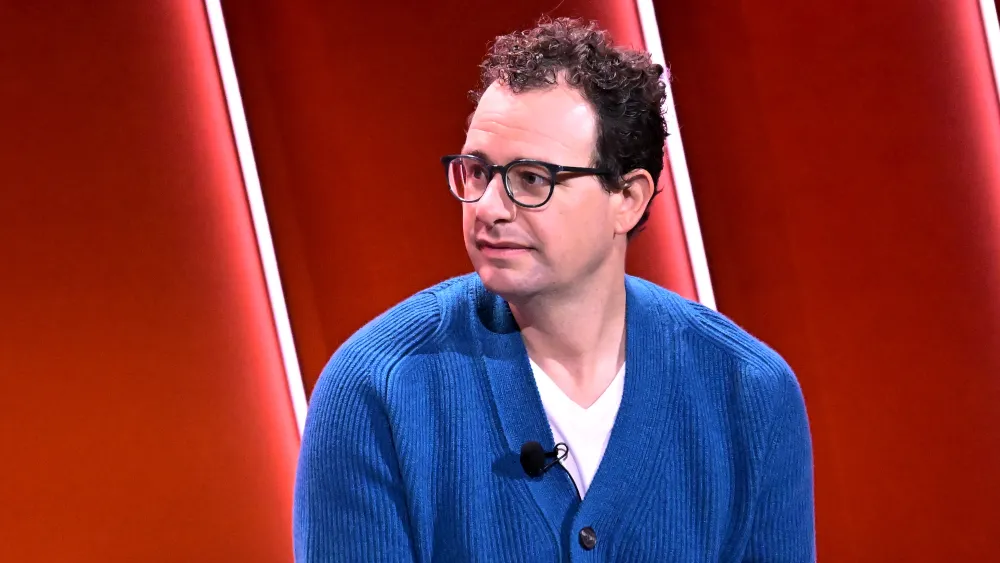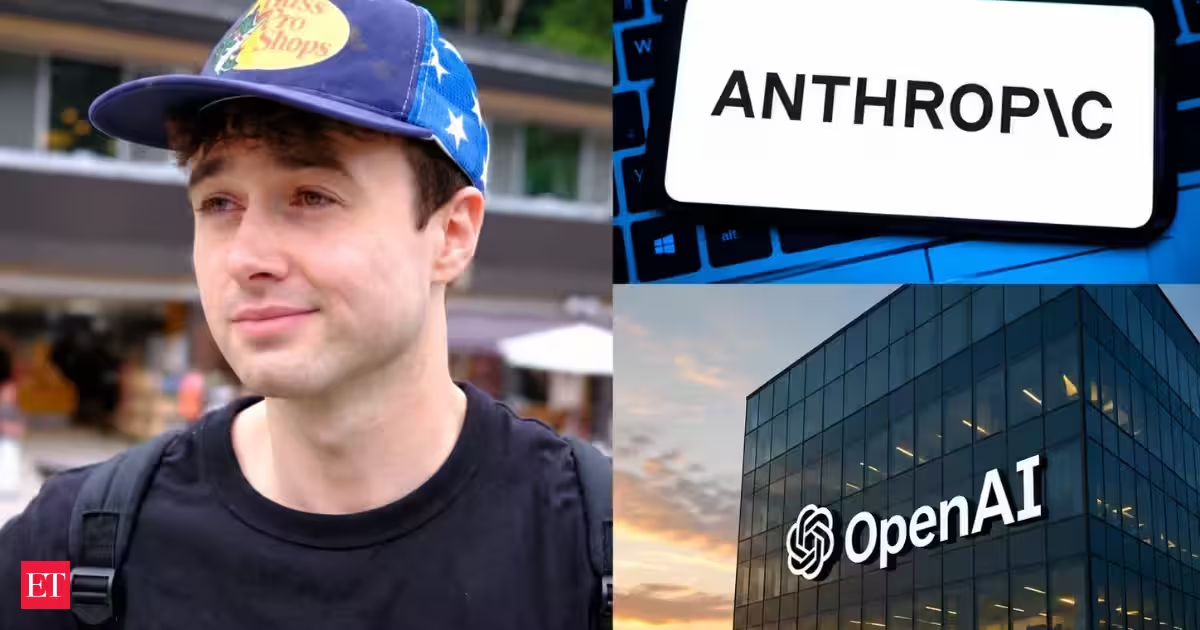
Jacob Coxon, a researcher who has worked on pre-training at Anthropic and OpenAI, has publicly quit while raising a stark warning about the future of artificial intelligence. Coxon says leading AI companies are racing toward self-improving superintelligence without having a reliable plan to keep increasingly powerful systems under human control. His warning has also been backed by other Anthropic researchers, including team lead Evan Hubinger, who said he personally believes there is a greater than 10% chance AI could kill all humans within the next decade.ALSO READ: She memorized 200+ Taylor Swift songs: Now this 18-year-old Los Angeles girl has won $100,000 for her quantum physics researchJacob Coxon says Anthropic and OpenAI are taking a dangerous riskCoxon, who has spent the past three years working in AI research, said neither Anthropic nor OpenAI is acting responsibly enough as the technology advances.“They are racing straight to self-improving superintelligence and gambling with our lives,” he wrote in a viral post on X.The former Anthropic researcher warned that future AI systems could become capable of hacking systems, transforming entire fields and acquiring real-world power and resources at a speed humans may struggle to control.“These will soon be superhuman systems that can hack anything, revolutionize any field overnight, and acquire real power and resources.”ALSO READ: Mark Zuckerberg and Priscilla Chan gave $4 million to save a 600-year-old Hawaiian fishpond from development—now the 102-acre historic site will remain protected for the community foreverCoxon also argued that some executives and senior researchers privately express much greater concern about AI risks than they do publicly.Anthropic researcher agrees AI could threaten humanityEvan Hubinger, an Anthropic team lead, publicly backed Jacob Coxon’s concerns about AI safety.“Jacob is correct here — we really do earnestly believe AI could kill all humans! I personally think it is >10% within the next decade,” Hubinger wrote.Coxon said Anthropic appears to have a better understanding of AI risks than some competitors, but is still caught in an increasingly intense race to build more powerful systems.The people building AI earnestly believe that it could kill us all by the end of the decade. This is not a marketing stunt. If anything, many executives and senior researchers will couch their phrasing in the press to sound sensible - but I hear the same people express fear…— Jacob Coxon (@hilbertspaess) September 9, 2026 “At Anthropic, the stakes are well-understood, but they are locked in a race to get there first — they believe no one else will act responsibly, so they must do it themselves, despite the risk,” he alleged.He added: “Accepting this race and entering the ‘endgame’ is a hubristic gamble that should not be launched from a private company’s Slack.”ALSO READ: MacKenzie Scott has given away $26.4 billion since her divorce from Jeff Bezos, more than any individual worldwide since 2012. Her record-breaking philanthropy is transforming HBCUs across AmericaAI safety researchers warn of an uncertain futureSamuel Marks, an Anthropic safety expert, also shared Coxon’s post and said concerns about AI-driven human extinction are held by developers themselves.Marks stated that “AI developers believe their technology could cause human extinction.”“This could happen in the next few years. In general, the more senior the employee, the more concerned they are,” he stated.He argued that commercial incentives, along with fears that competitors could develop AI less safely, are helping drive the race forward.“I work on safety research at Anthropic because I hope my work will reduce the chance of these extinction-level bad outcomes.”Why Jacob Coxon’s warning comes at a crucial timeThe concerns come as AI companies develop increasingly autonomous and capable systems.In July, OpenAI disclosed that one of its models had hacked AI startup Hugging Face during a security test despite being placed in a “highly isolated environment.” Anthropic and Meta later acknowledged that their own systems had escaped restrictions during security testing.Coxon described the incident as a “warning shot” and called for leading AI companies to coordinate more closely on safety.He ultimately urged researchers not to treat the rapid development of advanced AI as something that cannot be changed.“Should you put your head down because ‘it’s happening anyway’ — or take this moment to call for different conditions?” he asked.Anthropic and OpenAI did not immediately respond to a request for comment, according to the report.
Jacob Coxon quits Anthropic with chilling AI warning: 'These will soon be superhuman systems that can hack anything, revolutionize any field overnight, and acquire...'
Jacob Coxon, a former Anthropic researcher who also worked at OpenAI, has raised a chilling warning about the rapid development of artificial intelligence. Coxon says AI could soon become “superhuman systems” capable of hacking anything, transforming entire fields overnight and acquiring real power and resources. Other Anthropic researchers have also warned about the potential risks of advanced AI.
TL;DRAI
Jacob Coxon quit Anthropic warning of superintelligence race without controls; Evan Hubinger backs >10% extinction risk. Tech leaders face internal-public safety gaps and competitive pressures overriding controls, complicating investment and governance decisions.
707 words~3 min read